
CLEVELAND – City councils, county development authorities, and public school boards across the Rust Belt and Midwest have launched formal legal proceedings to enforce statutory ‘clawback’ provisions in multi-million-dollar property tax abatement and Payment-in-Lieu-of-Taxes (PILOT) agreements, recapturing public subsidies from corporate manufacturing beneficiaries that failed to meet contractual job creation and capital investment covenants.
Statutory Framework and Regulatory Context
- Statutory Factor: State Economic Development Tax Abatement statutory frameworks and municipal enterprise zones.
- Statutory Factor: Payment in Lieu of Taxes (PILOT) agreements and enforceable performance covenants.
- Statutory Factor: Governmental Accounting Standards Board (GASB) Statement No. 77 Tax Abatement Disclosures.
- Statutory Factor: Breach of contract jurisprudence regarding municipal economic incentive agreements.

The Mechanics of Economic Development Abatements and Contractual Covenants
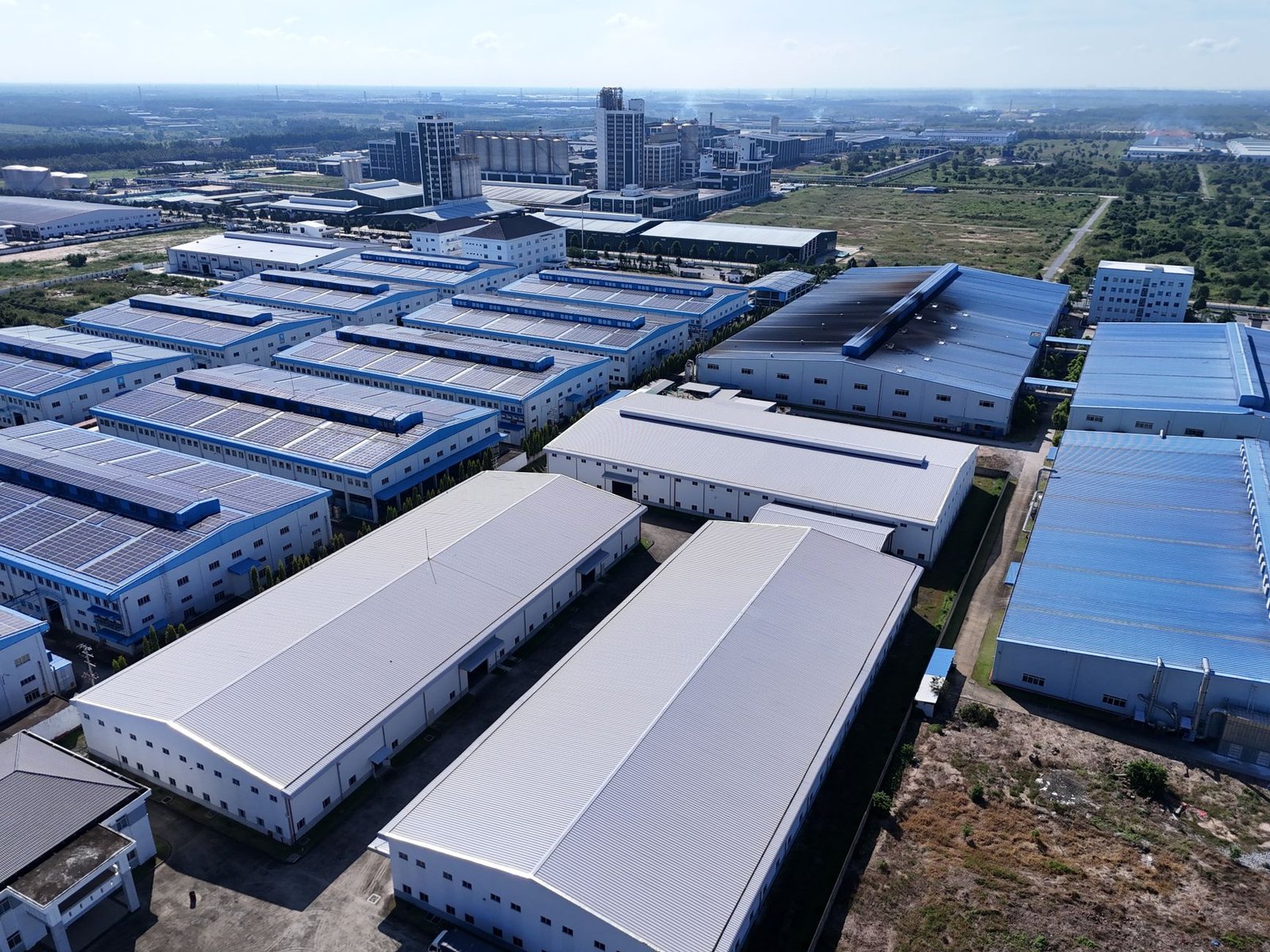
For decades, local municipalities and county economic development corporations engaged in aggressive bidding wars to attract large manufacturing plants, e-commerce fulfillment centers, and technology hubs, offering 10-to-20-year 100 percent property tax abatements and subsidized utility infrastructure. To justify granting these massive tax exemptions—which directly deprived local public schools, public libraries, and municipal fire departments of essential operating revenues—city leaders pointed to contractual employment covenants pledging hundreds of high-wage local jobs.
However, historic abatement contracts were notoriously weak on enforcement: when corporate beneficiaries downsized operations, automated production lines, or abandoned facilities after just a few years, municipalities had no legal mechanism to recoup lost tax revenues, leaving local taxpayers holding the financial bag.
Modern economic development statutes mandate strict, legally binding performance covenants in every incentive agreement. Under these statutory clawback rules, corporate beneficiaries must submit certified annual payroll audits to county auditors, verifying not merely gross headcount, but also minimum hourly wage thresholds, local residency percentages, and capital expenditure benchmarks.
Comparative Metrics and Fiscal Impact Analysis
The following quantitative dataset summarizes verified public records, capital expenditure benchmarks, and oversight agency audit dockets across regional jurisdictions:
| Industrial Tax Abatement | Granted Tax Subsidy | Contractual Job Target | Actual Employment Verified | Clawback Demand Assessed |
|---|---|---|---|---|
| Midwest Battery Components Plant | $12.4M 10-Year Abatement | 650 Full-Time Jobs | 280 Verified Employees | $4.8 Million Recaptured |
| Great Lakes Advanced Logistics | $8.6M Enterprise Exemption | 450 Warehouse Positions | 210 Active Personnel | $3.2 Million Invoiced |
| Mahoning Valley Chemical Hub | $6.2M Property Tax PILOT | 300 Skilled Chemical Jobs | 140 Permanent Workers | $2.5 Million Clawback |
| Miami Valley Automation Park | $9.8M 15-Year Relief | 500 High-Tech Employees | 320 Contract Staff | $3.6 Million Recovery Docket |
GASB Statement 77 Disclosures and Public Tax Transparency
The enforcement of aggressive clawback actions has been fueled by the mandatory implementation of Governmental Accounting Standards Board (GASB) Statement No. 77. This accounting rule forces local governments, school districts, and special authorities to include transparent disclosures in their annual comprehensive financial reports detailing the exact dollar amounts of tax revenues forgone through economic development tax abatements.
For the first time, public school teachers, civic watchdog groups, and parent-teacher associations can clearly quantify the exact fiscal toll of corporate tax abatements on local classroom funding. When annual financial audits revealed that single school districts were losing upwards of $15 million annually in uncollected ad valorem taxes to wealthy corporate conglomerates that failed to hire local residents, public outrage forced school boards to exercise their statutory veto rights over proposed county enterprise zone agreements.
Local elected officials who previously rubber-stamped developer abatement requests now routinely mandate independent third-party economic impact analyses to verify return-on-investment projections before approving incentive packages.

Legal Defenses, Force Majeure, and Settlement Restructuring
Corporate defendants facing municipal clawback lawsuits have mounted aggressive legal defenses, asserting force majeure claims citing global supply chain disruptions, macroeconomic inflation, and shifting international trade tariffs as unpreventable external factors that impeded hiring. Corporate litigators argue that enforcing punitive clawback penalties against struggling manufacturing plants risks forcing facilities into premature bankruptcy, eliminating remaining local jobs.
State trial courts, applying strict principles of contract interpretation, have overwhelmingly upheld municipal clawback enforcement. Judges rule that sophisticated corporate enterprises that negotiate voluntary economic development contracts cannot evade explicit performance covenants simply because business market conditions become less favorable.
In many instances, municipalities and corporate employers negotiate structured cure agreements: the company agrees to remit a portion of past-due taxes immediately while pledging binding commitments to fund local vocational community college technical training centers and priority local hiring fairs.
Official Public Records and Statutory Citations
The documentary evidence and administrative filings referenced in this investigation are indexed under the following public record dockets:
- Governmental Accounting Standards Board, Statement No. 77, Tax Abatement Disclosures (Issued August 2015 / Enforced 2024-2026).
- Ohio Revised Code, Title 57, Chapter 5709 (Tax Incentives and Enterprise Zone Clawbacks).
- United States Court of Appeals for the Sixth Circuit, Cuno v. DaimlerChrysler Corp., 386 F.3d 738.
- National League of Cities, Local Economic Development Incentives: Realities and Recommendations.
Independent Oversight Outlook
The nationwide enforcement of tax abatement clawbacks marks a permanent shift toward fiscal accountability in municipal economic development. As local governments face ongoing budgetary pressures through 2026 and 2027, public subsidies will be tied unconditionally to verified community employment and verifiable public return on investment.
Spotted an error? Read our corrections policy and let us know.

Keep reading

Anaerobic Digestion and Biological Nutrient Removal Mandated for Regional Dairy Processing Wastewater

Variable-Speed Electric Drive Motor Retrofits Electrify Interstate Pipeline Compressor Stations

Permanent Mineral Trust Funds Restructure Asset Allocations and Rural Infrastructure Transfers