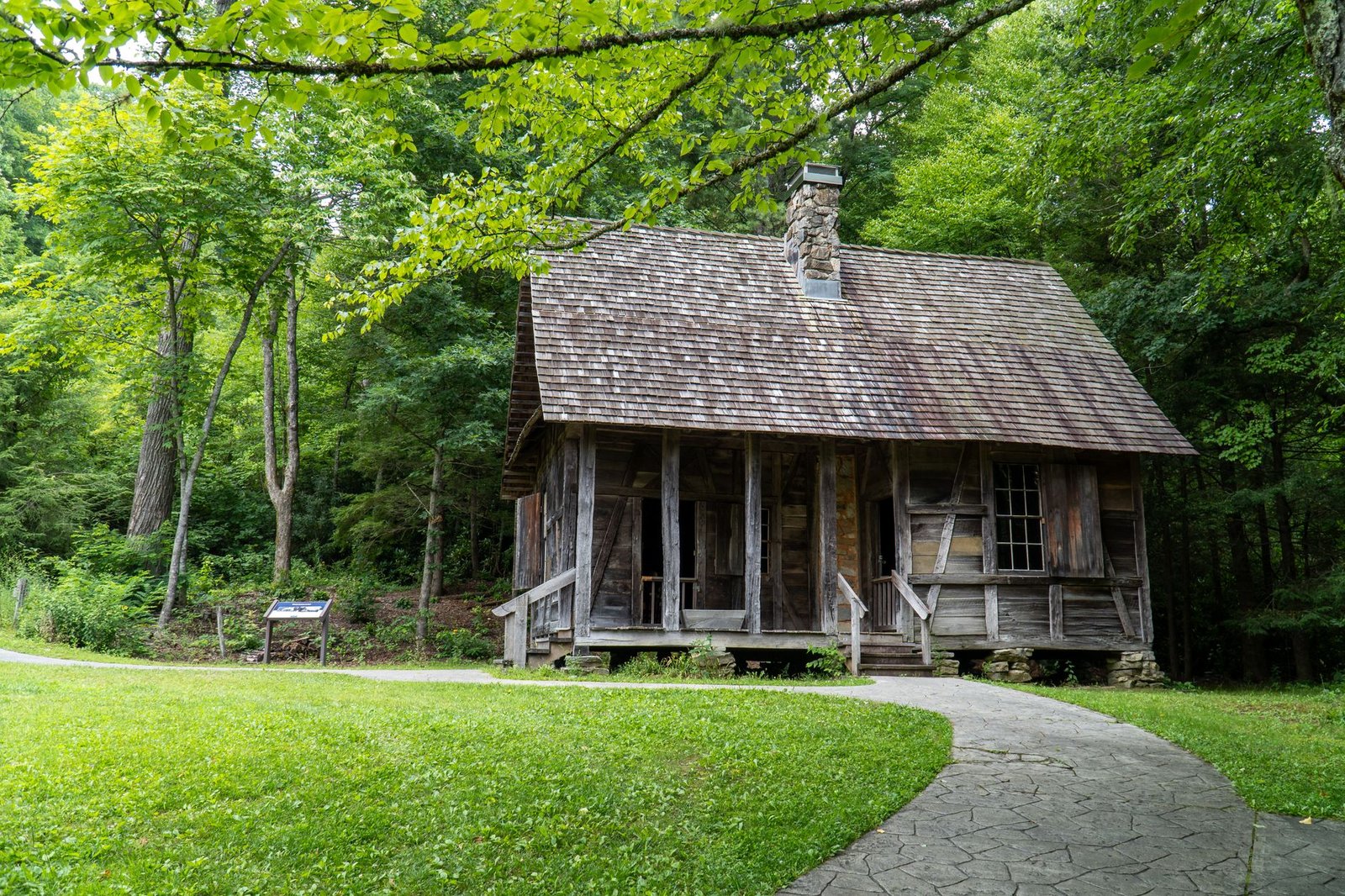
CHEYENNE – The United States Forest Service, Bureau of Land Management, and state livestock heritage associations across Wyoming, Montana, and Idaho have completed structural restorations on surviving late 19th-century high-country ranching line camps and saddle-notched timber log cabins, preserving the authentic material culture of open-range cattle and sheep ranching.
Statutory Framework and Regulatory Context
- Statutory Factor: National Historic Preservation Act Section 106 public lands review.
- Statutory Factor: Taylor Grazing Act of 1934 (43 U.S.C. 315 et seq.) historical heritage provisions.
- Statutory Factor: Secretary of the Interior’s Standards for the Treatment of Historic Properties (Historic Log Structures).
- Statutory Factor: National Register of Historic Places Multiple Property Documentation for Historic Ranching Ensembles.
The Vernacular Architecture of High-Altitude Ranching Line Camps
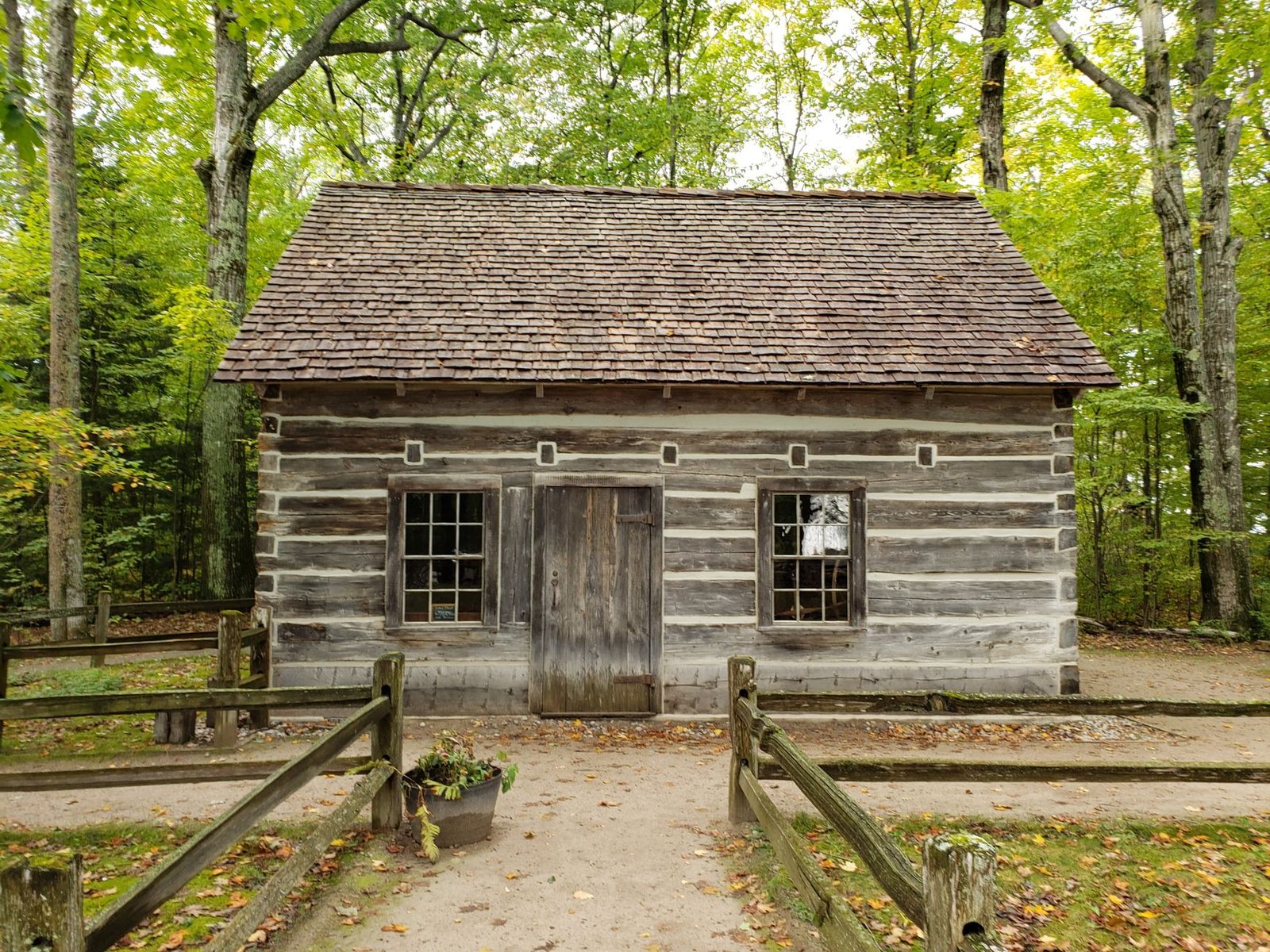
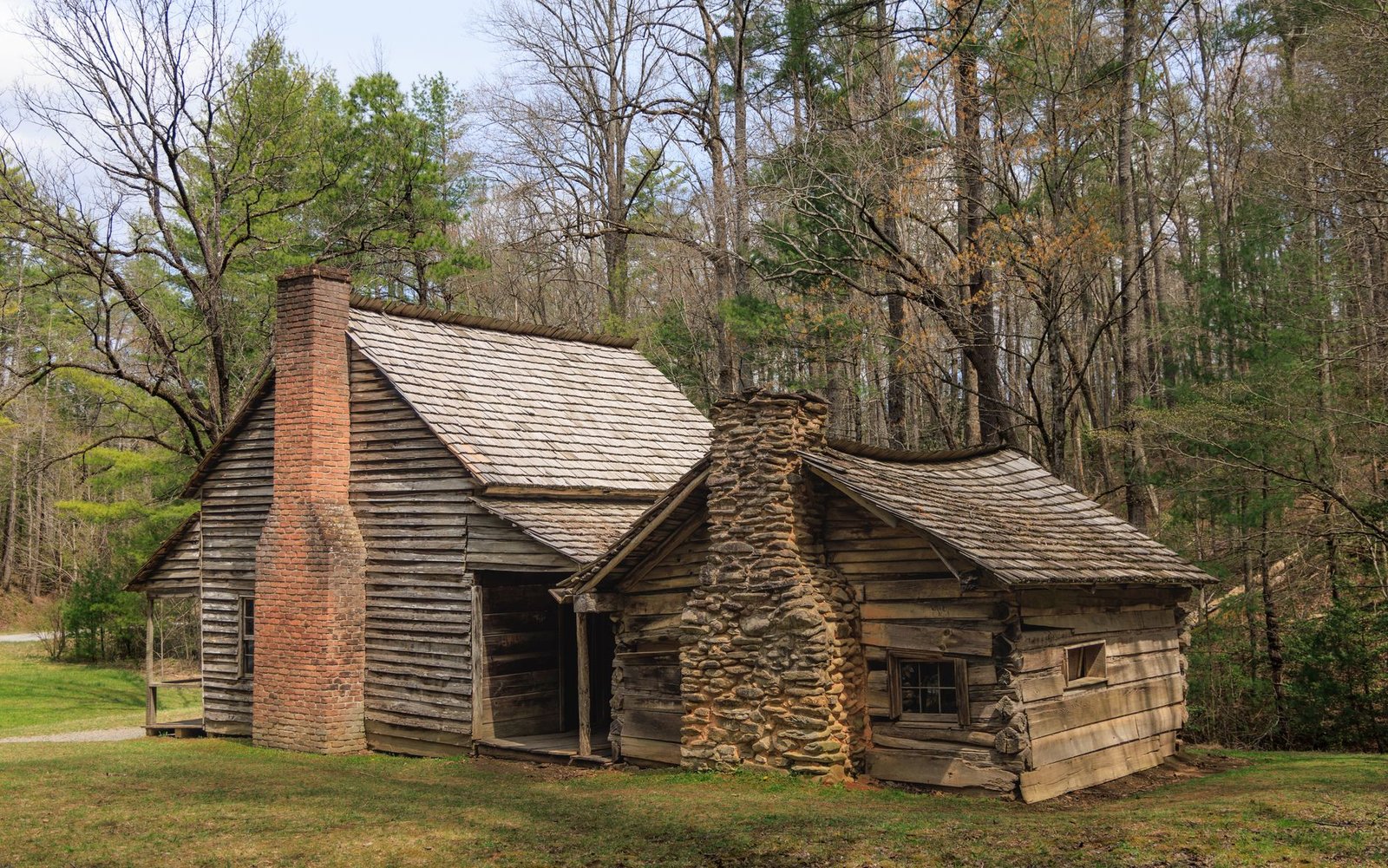
During the legendary era of open-range livestock grazing across the American West following the Civil War, cattle and sheep operations encompassed hundreds of thousands of acres of unfenced public domain. To monitor livestock herds grazing on high alpine summer pastures and prevent cattle from drifting into hazardous canyon country during early autumn blizzards, ranch outfits established remote ‘line camps’—small, rugged log cabins strategically built near natural mountain springs days of horse travel from the home ranch headquarters.
Ranch cowboys and sheepherders constructed these cabins utilizing native standing timber harvested on-site, including lodgepole pine, ponderosa pine, and Engelmann spruce. Logs were hand-felled with crosscut saws, peeled with drawknives, and joined at the corners with precise hand-hewn notches—such as saddle notches, dovetail notches, and square notches—that locked horizontal logs tightly together while allowing them to shed rain and heavy mountain snow.
Between the log courses, builders packed ‘chinking’—a mixture of wood splits, dry moss, clay mud, and lime wash—that sealed gaps against freezing sub-zero mountain winds. These humble, single-room cabins were the true operational workhorses of the Western pastoral economy.
Comparative Metrics and Fiscal Impact Analysis
The following quantitative dataset summarizes verified public records, capital expenditure benchmarks, and oversight agency audit dockets across regional jurisdictions:
| High-Country Line Camp Site | Elevation & Construction Decade | Log Corner Notch Architecture | Preservation Engineering Treatment | Public Lands Heritage Designation |
|---|---|---|---|---|
| Medicine Bow High Line Camp | 8,800 Feet / Erected 1888 | Saddle-Notched Ponderosa Pine | Rotten Sill Log Replacement & Borate Seal | National Forest Historic Guard Station |
| Beartooth Range Cowboy Cabin | 9,200 Feet / Erected 1895 | Square-Notched Douglas Fir Timber | Split-Shake Cedar Roof Overhaul | National Register of Historic Places |
| Sawtooth Sheep Camp Outpost | 7,500 Feet / Erected 1904 | V-Notched Engelmann Spruce Logs | Lime-Sand Chinking & Mud Mortar | State Historic Cattle & Sheep District |
| Pryor Mountain Drift Fence Cabin | 6,800 Feet / Erected 1891 | Dovetail-Notched Lodgepole Pine | Internal Stainless Steel Tension Shoring | BLM Cultural Resource Landmark Preserve |
Alpine Log Degradation and Non-Destructive Timber Restoration
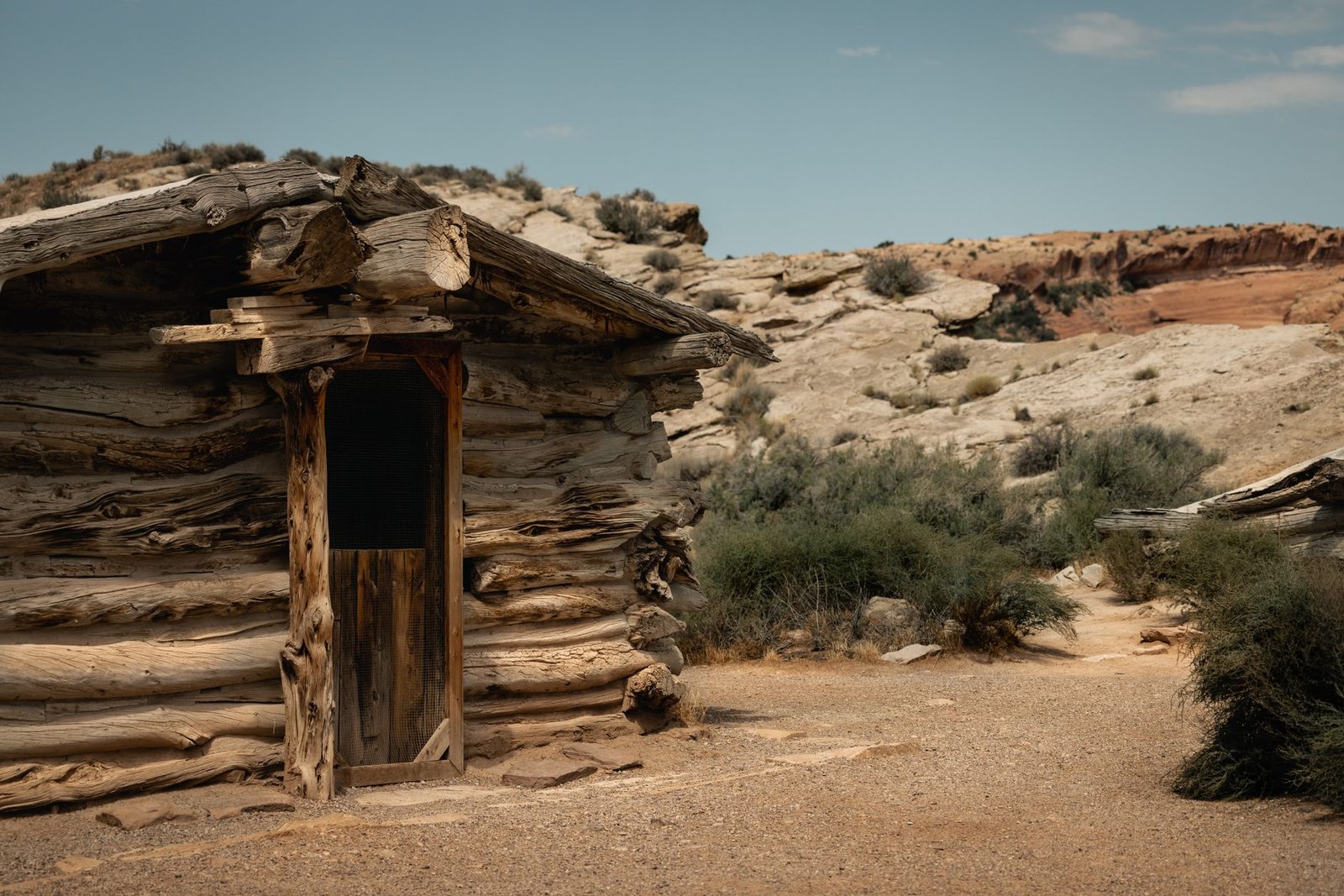
Positioned at elevations exceeding 7,000 to 9,000 feet, historic line camp cabins endure brutal mountain weather: snowpack depths of ten to fifteen feet that exert crushing lateral pressure against exterior walls, torrential spring snowmelt that saturates foundation timbers, and rapid colonization by wood-decaying bracket fungi and carpenter ants. The lowest structural timbers—the ‘sill logs’ resting directly on bare mountain ground or dry-stacked fieldstones—frequently suffer total rot, causing cabins to tilt precariously and roof ridgepoles to sag.
Historic preservation carpenters execute delicate log cabin restorations: utilizing specialized low-profile hydraulic bottle jacks fitted with timber load-distributing beams to lift entire log cabin walls by a fraction of an inch at a time. Rotten sill logs are carefully rolled out and replaced with identical species, hand-peeled seasoned logs sourced from local forest thinning projects.
Carpenters use traditional broadaxes and adzes to hand-cut precise matching corner notches, fitting the new sill logs perfectly into the historic wall assembly. To seal gaps without creating rigid moisture traps, conservators apply breathable, flexible acrylic-latex chinking formulations textured with coarse silica sand that flexes naturally with seasonal log expansion while keeping wind and rodents out.
Public Recreational Cabins and Cowboy Heritage Stewardship
To ensure that remote line camp cabins remain maintained rather than falling into disuse and ruin, federal land management agencies have integrated dozens of restored historic cabins into the National Forest and BLM Public Cabin Rental System. Outdoor enthusiasts, hikers, and cross-country skiers can rent these authentic historic cabins for overnight backcountry stays, generating vital dedicated revenue that directly funds perpetual historic preservation maintenance.
Simultaneously, active ranching families holding federal grazing permits collaborate with historical commissions to document the oral histories of veteran cowboys, chuckwagon cooks, and sheepherders who lived in these remote line camps during the 20th century. Interpretive logbooks inside the cabins record the historical brands, livestock grazing routes, and regional cowboy poetry of the surrounding range.
Through working historic cabin adaptive reuse and multi-generational ranching stewardship, high-country line camps stand as rugged, timeless symbols of Western grit, land stewardship, and community resilience on America’s public lands.
Official Public Records and Statutory Citations
The documentary evidence and administrative filings referenced in this investigation are indexed under the following public record dockets:
- National Historic Preservation Act, 54 U.S.C. 300101 et seq.
- Taylor Grazing Act of 1934, 43 U.S.C. 315 et seq.
- Secretary of the Interior’s Standards for the Treatment of Historic Properties (Preservation of Historic Log Structures).
- United States Forest Service, Historic Cabin Rental Program Management Guidelines.
Independent Oversight Outlook
The structural restoration and public stewardship of high-country ranching line camps preserves the authentic frontier architecture of the American West. Through traditional timber craft and backcountry recreational partnerships across 2026 and 2027, these iconic log cabins will continue to shelter travelers and honor our pastoral ranching heritage.
Spotted an error? Read our corrections policy and let us know.

Keep reading
Historic Dimensional Limestone Quarries and Stonecutter Sheds Reclaimed Under Industrial Geo-Heritage Programs

Historic Appalachian Mountain Ballad Collections and Bluegrass Acetate Discs Preserved Under National Audio Heritage Standards
Seventeenth-Century Spanish Frontier Presidios and Coquina Fortifications Stabilized Under Colonial Archaeology Standards