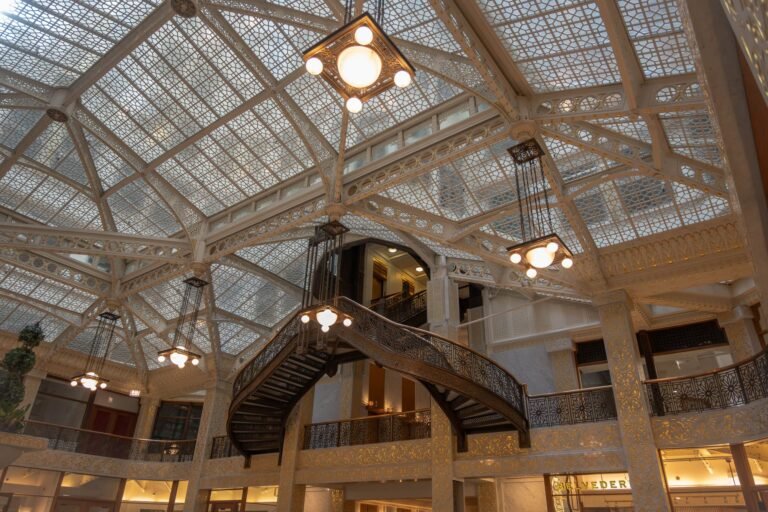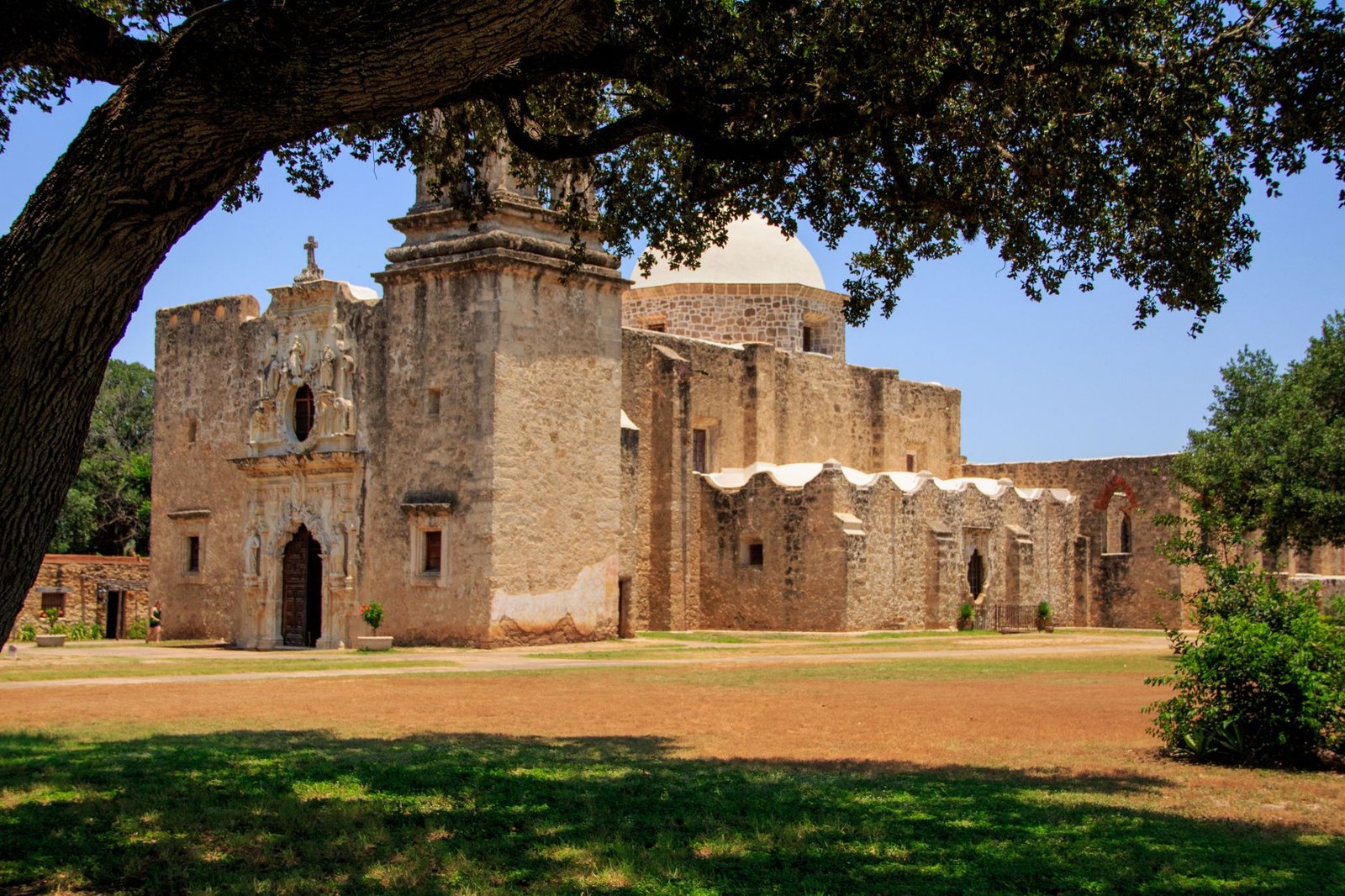
ST. AUGUSTINE – The National Park Service, state archaeological trusts, and historic preservation offices across Florida, Texas, New Mexico, and California have completed high-precision structural stabilization and breathable lime-plaster conservation across 17th- and 18th-century Spanish colonial presidios, mission compounds, and rare coquina stone fortifications.
Statutory Framework and Regulatory Context
- Statutory Factor: Archaeological Resources Protection Act of 1979 (ARPA, 16 U.S.C. 470aa-470mm).
- Statutory Factor: National Historic Preservation Act Section 106 and National Historic Landmark criteria.
- Statutory Factor: Secretary of the Interior’s Standards for the Treatment of Historic Properties (Historic Earthen & Coquina).
- Statutory Factor: UNESCO World Heritage Convention standards for Spanish Colonial frontier fortifications.
The Unique Material Science and Ballistics of Coquina Shellstone
Along the Atlantic coast of Spanish Florida, colonial military engineers encountered an extraordinary, porous sedimentary rock known as ‘coquina’ (Spanish for ‘small shellfish’). Formed over thousands of years from compacted broken shells of the coquina clam (Donax variabilis) cemented together with natural calcium carbonate, this porous rock proved to have miraculous military ballistic properties.
When British naval fleets bombarded Castillo de San Marcos during sieges in 1702 and 1728, heavy iron cannonballs failed to shatter the fortress walls; instead of fracturing brittle stone, the soft, porous coquina simply absorbed the kinetic energy of the cannonballs like a giant sponge, allowing cannon projectiles to bury themselves harmlessly deep inside the shell matrix without causing structural collapse.
However, coquina requires careful preservation management: exposed to modern acidic atmospheric rain and industrial air pollutants, the natural calcium carbonate binder dissolves, causing surface pitting, powdering, and moisture retention that damages interior historic plaster finishes.
Comparative Metrics and Fiscal Impact Analysis
The following quantitative dataset summarizes verified public records, capital expenditure benchmarks, and oversight agency audit dockets across regional jurisdictions:
| Spanish Colonial Historic Site | Construction Era & Material | Signature Architectural Feature | Preservation Engineering Solution | Heritage Protection Designation |
|---|---|---|---|---|
| Castillo de San Marcos | Erected 1672 / Native Coquina Stone | Bastioned Star Fort Curtain Walls | Bio-Consolidant & Natural Lime Mortar | National Monument / National Register |
| San Antonio Missions (Concepción) | Erected 1731 / Native Limestone & Tufa | Fresco Murals & Twin Bell Towers | Non-Destructive Ground Radar Moisture Audit | UNESCO World Heritage Site |
| Presidio San Agustín del Tucsón | Erected 1775 / Sun-Dried Adobe Brick | Enclosed Frontier Defensive Compound | Protective Sacrificial Mud Plaster Layer | City Historic Archaeological Landmark |
| Presidio de Santa Barbara | Erected 1782 / Sandstone & Adobe | Royal Spanish Military Chapel | Earthquake Retrofit Concealed Tie-Rods | State Historical Park & Preserve |
Breathable Hydraulic Lime Plasters and Seismic Shoring Protocols
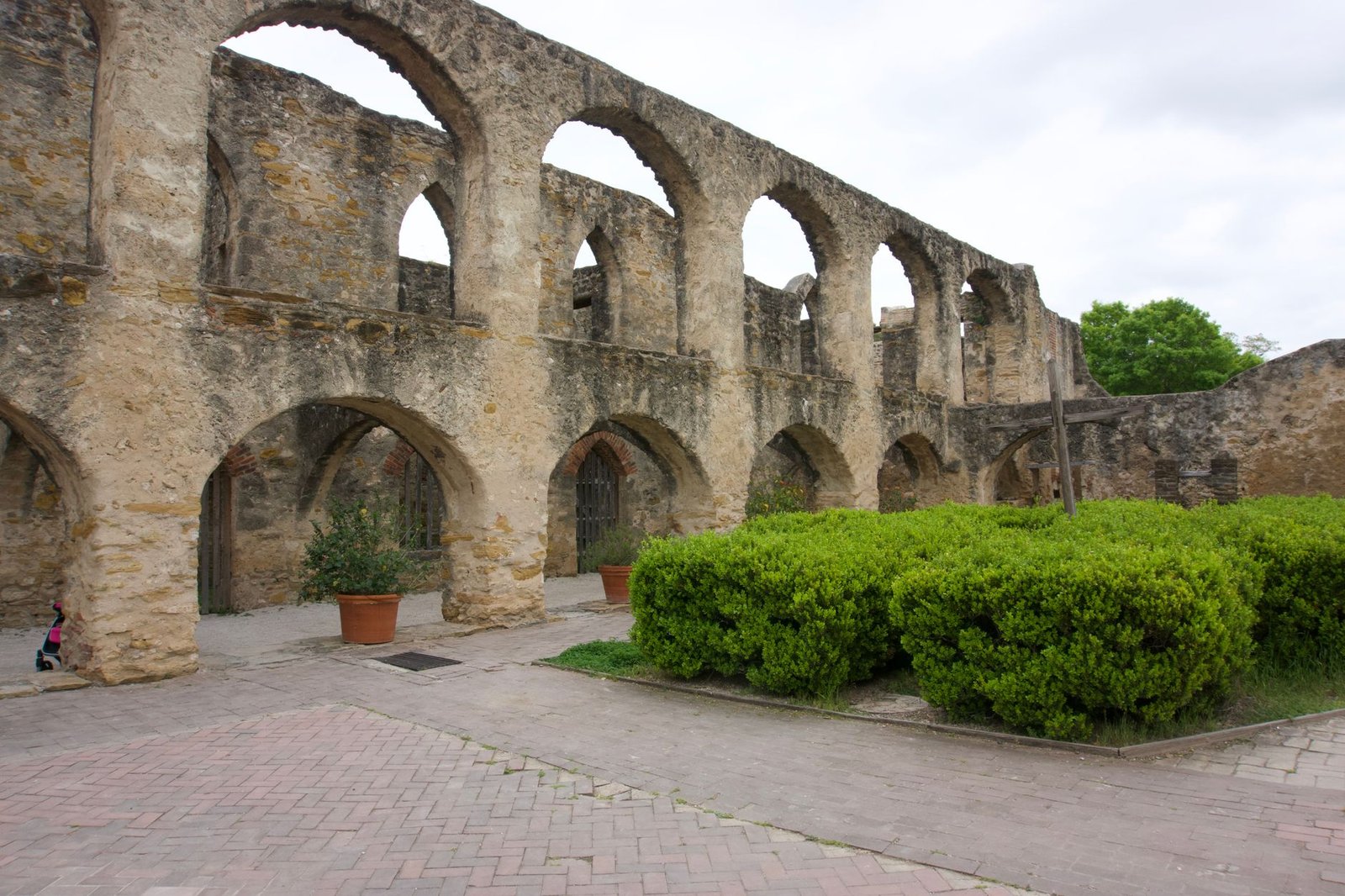
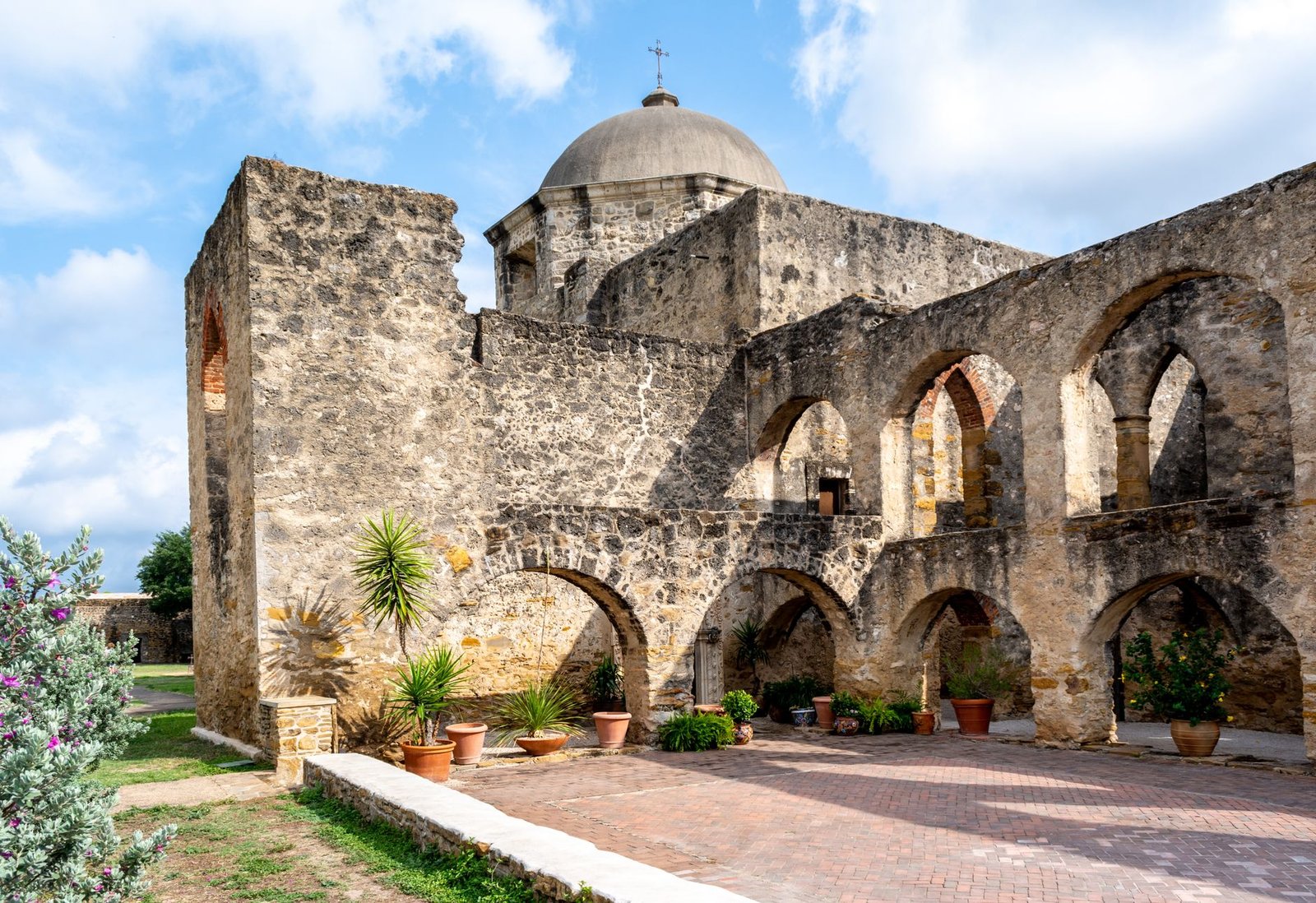
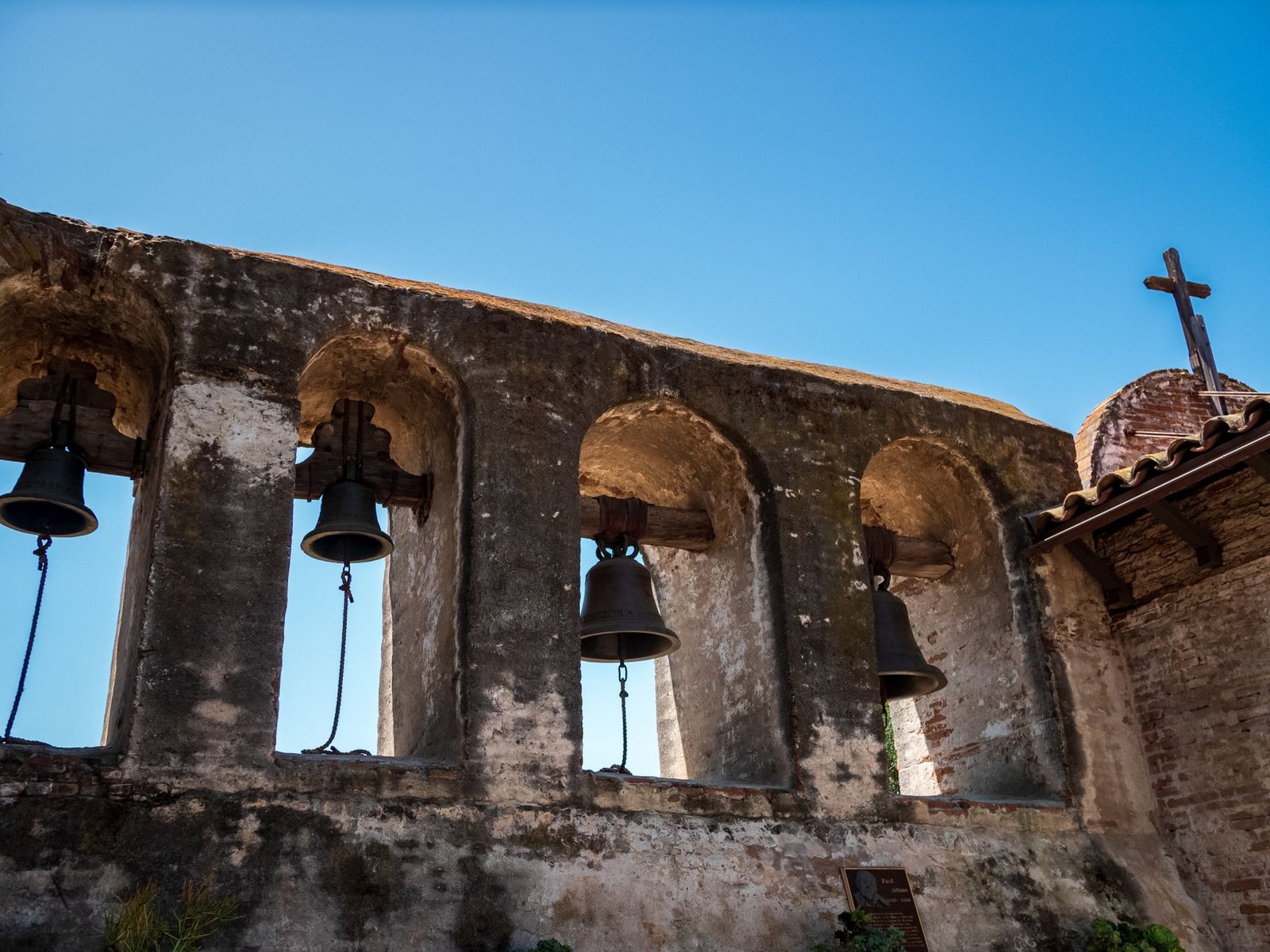
Conserving historic Spanish mission churches and presidio walls constructed from coquina, caliche, and sun-dried adobe requires strict adherence to traditional material compatibility. Conservators completely avoid Portland cement, which traps moisture inside soft historic stone and accelerates decay. Instead, preservation masons hand-mix traditional slaked lime putty and natural hydraulic lime mortars blended with coarse sand and crushed oyster shells.
This breathable lime plaster acts as a ‘sacrificial barrier’: drawing moisture out from deep within thick masonry walls and evaporating it harmlessly into the ambient air, while providing a durable protective exterior render that shields historic masonry from driving tropical rains.
In earthquake-prone western regions such as California, preservation engineers install concealed, core-drilled fiberglass or stainless-steel vertical tension rods through the center of multi-foot-thick adobe and sandstone walls, providing essential seismic ductility and preventing catastrophic outward wall blowouts during major fault slips.
Archaeological Ground-Penetrating Radar and Native Heritage Collaboration
Beneath the surface of surviving presidio plazas and mission courtyards lie extensive archaeological deposits detailing centuries of complex intercultural interactions between Spanish military garrisons, Franciscan friars, and diverse Indigenous communities. Prior to executing any foundation stabilization or drainage trenching, archaeologists conduct high-resolution multi-frequency Ground-Penetrating Radar (GPR) and magnetometry surveys.
These non-destructive geophysical techniques map buried barrack foundations, historic acequia irrigation channels, and sacred burial grounds without turning a single shovel of earth. Furthermore, state historic preservation offices actively consult with federally recognized Native American tribal historic preservation officers (THPOs).
Through collaborative archaeological stewardship and inclusive public interpretation, restored Spanish frontier fortifications provide balanced, comprehensive educational narratives that honor the complex cultural heritages and enduring legacies that shaped the American Sunbelt.
Official Public Records and Statutory Citations
The documentary evidence and administrative filings referenced in this investigation are indexed under the following public record dockets:
- Archaeological Resources Protection Act of 1979 (ARPA), 16 U.S.C. 470aa-470mm.
- National Historic Preservation Act, 54 U.S.C. 300101 et seq.
- Native American Graves Protection and Repatriation Act (NAGPRA), 25 U.S.C. 3001 et seq.
- Secretary of the Interior’s Standards for Historic Preservation Projects with Guidelines for Applying the Standards.
Independent Oversight Outlook
The preservation and scientific archaeology of 17th-century Spanish colonial presidios and fortifications protects some of the oldest European-built architecture on the North American continent. Through advanced material science and collaborative cultural stewardship across 2026 and 2027, these magnificent historic stone and adobe monuments will endure for future generations.
Spotted an error? Read our corrections policy and let us know.
Keep reading
High-Country Ranching Line Camps and Notched Log Cabins Restored Across Intermountain Grazing Allotments
Historic Dimensional Limestone Quarries and Stonecutter Sheds Reclaimed Under Industrial Geo-Heritage Programs

Historic Appalachian Mountain Ballad Collections and Bluegrass Acetate Discs Preserved Under National Audio Heritage Standards