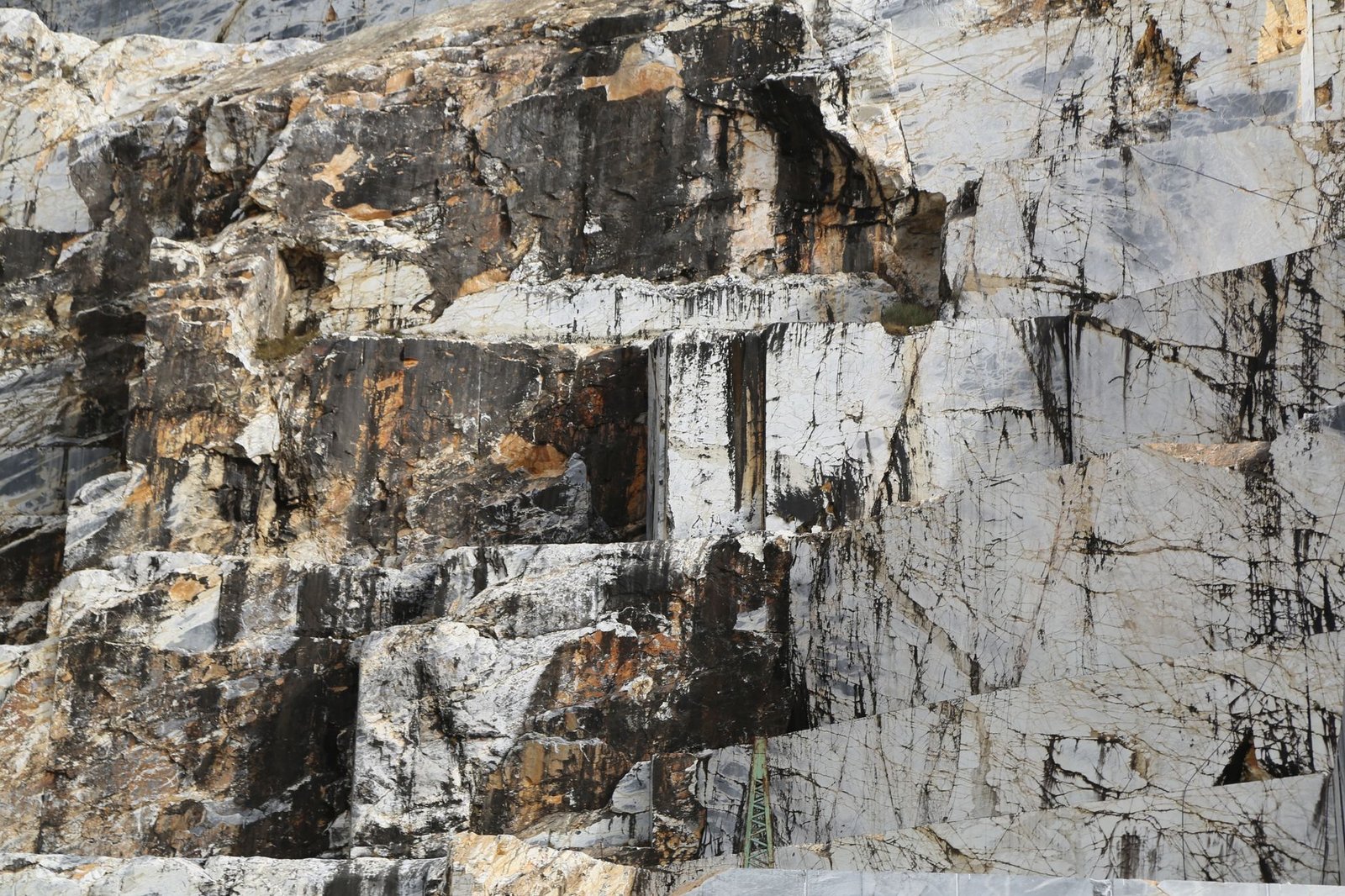
BEDFORD – State geology departments, municipal parks boards, and industrial archaeology alliances across Indiana’s Limestone Belt, Vermont’s Marble Valley, and Ohio’s Sandstone Corridor have reclaimed abandoned 19th-century dimensional stone quarries and steam-powered finishing mills, converting historic extraction sites into publicly accessible geo-heritage parks.
Statutory Framework and Regulatory Context
- Statutory Factor: National Historic Preservation Act Section 106 industrial landscape guidelines.
- Statutory Factor: Mine Safety and Health Administration (MSHA) historic quarry public access protocols.
- Statutory Factor: State Department of Natural Resources Geological Survey heritage park easements.
- Statutory Factor: Secretary of the Interior’s Standards for the Treatment of Historic Industrial Sites.
The Monumental Architecture Carved from American Dimensional Stone
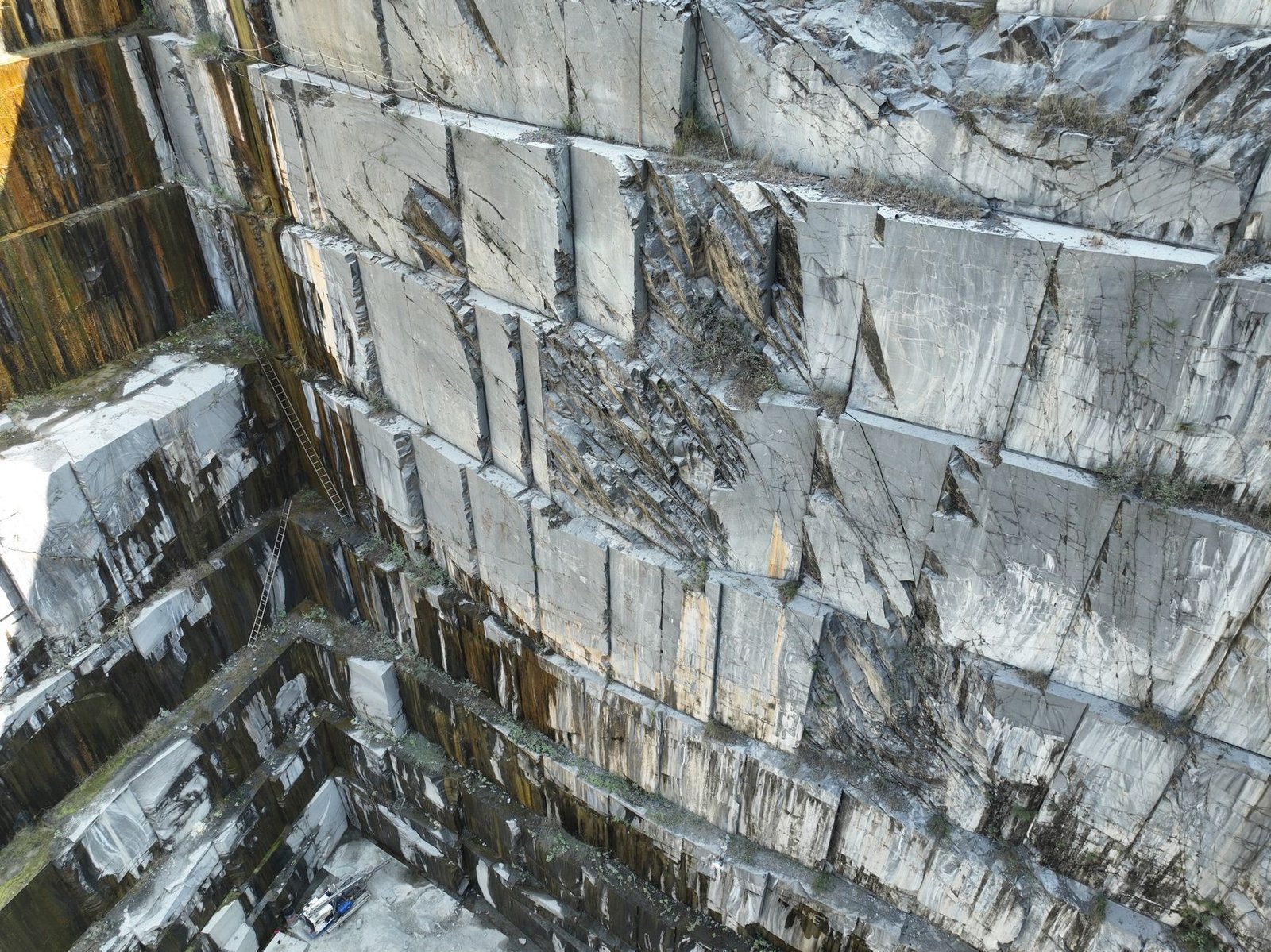
During the monumental civic building boom between the 1870s and 1930s, American cities were constructed from native dimensional stone quarried from concentrated geological deposits. Foremost among these was the famous Indiana Limestone Belt—a narrow, thirty-mile outcrop of Mississippian-age Salem Oolitic Limestone located in Lawrence and Monroe counties. Prized by master stonecutters and architects for its uniform fine grain, lack of directional graining (freestone), and ease of three-dimensional carving, Indiana limestone built the nation.
From these deep quarry pits came the stone that built iconic national monuments: the Empire State Building, the Pentagon, Grand Central Terminal, the National Cathedral, and the exterior facades of thirty-five state capitols. Similar extractive enclaves across Vermont, Ohio, and Georgia supplied crystalline marble, resilient sandstone, and durable granite that formed the civic foundations of modern America.
However, as steel, pre-cast concrete, and glass curtains replaced heavy load-bearing masonry in late 20th-century construction, dozens of historic quarries and steam-powered finishing mills were abandoned to the elements, leaving colossal industrial excavations vulnerable to illegal dumping, hazardous wall collapse, and loss of historical knowledge.
Comparative Metrics and Fiscal Impact Analysis
The following quantitative dataset summarizes verified public records, capital expenditure benchmarks, and oversight agency audit dockets across regional jurisdictions:
| Historic Stone Extraction Enclave | Dominant Lithology & Built Use | Industrial Machinery Preserved | Geo-Heritage Reclamation Solution | Public Heritage Designation |
|---|---|---|---|---|
| Indiana Limestone Heritage Park | Mississippian Salem Oolitic Limestone | Steam Channelling Machines & Derricks | Quarry Highwall Scaling & Heritage Trail | National Historic Civil Engineering Landmark |
| Proctor Marble Historic Quarry | Cambrian Shelburne High-Purity Marble | Overhead Traveling Crane Sheds & Saws | Submerged Quarry Diver Education Hub | State Industrial Heritage Park |
| Berea Sandstone Heritage Reserve | Devonian Berea Grit Freestone | Steam Derrick Boom & Stone Carvers Shed | Structural Timber Mill Stabilization | County Historical Park Preserve |
| Barre Granite Industrial Heritage Site | Devonian Barre Crystalline Pluton | Giant Guyed Stiffleg Derrick Cranes | Deep Pit Railing & Viewing Platforms | National Register of Historic Places |
Geotechnical Highwall Stabilization and Industrial Archaeology
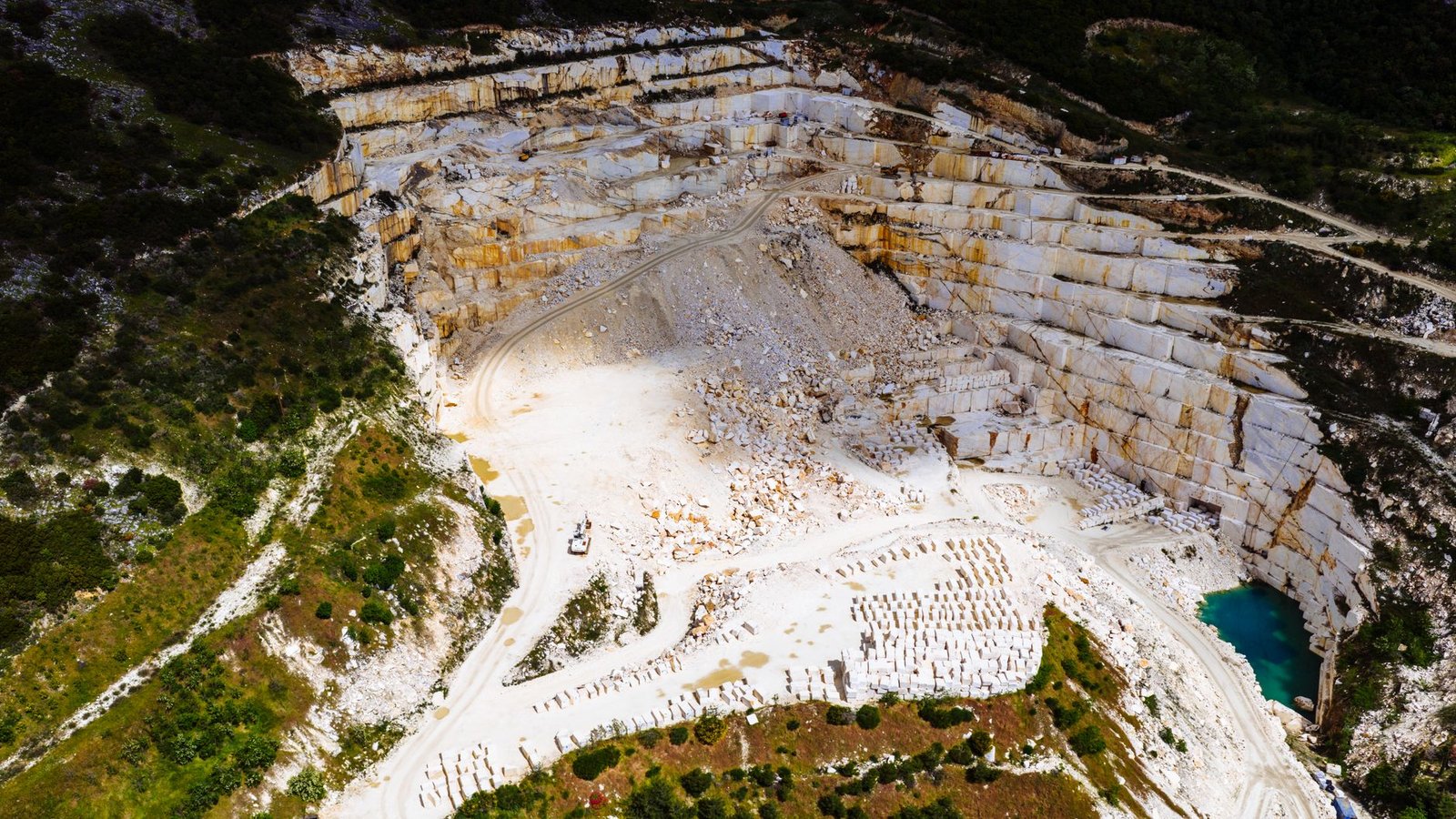
Transforming abandoned deep dimensional stone quarries into safe public heritage parks requires sophisticated geotechnical and industrial archaeology engineering. Quarry pits that descend vertically one hundred feet or more into solid bedrock feature exposed vertical ‘highwalls’ bearing the distinctive parallel grooves left by 19th-century steam channelling machines.
Geotechnical engineers deploy specialized rock-scaling crews suspended from ropes to clear loose rock blocks fractured by freeze-thaw cycles. Rock mechanics specialists install heavy galvanized steel rock bolts and high-strength wire mesh drapery across fractured rock strata, anchoring unstable blocks permanently into the deep rock mass.
On the quarry surface, industrial archaeologists stabilize surviving heavy timber derrick hoist towers and stonecutting sheds: conserving colossal steam-powered gang saws that used steel blades and wet abrasive quartz sand to slice multi-ton stone blocks into smooth architectural veneer slabs.
Educational Geo-Heritage Trails and Artisan Apprenticeship Centers
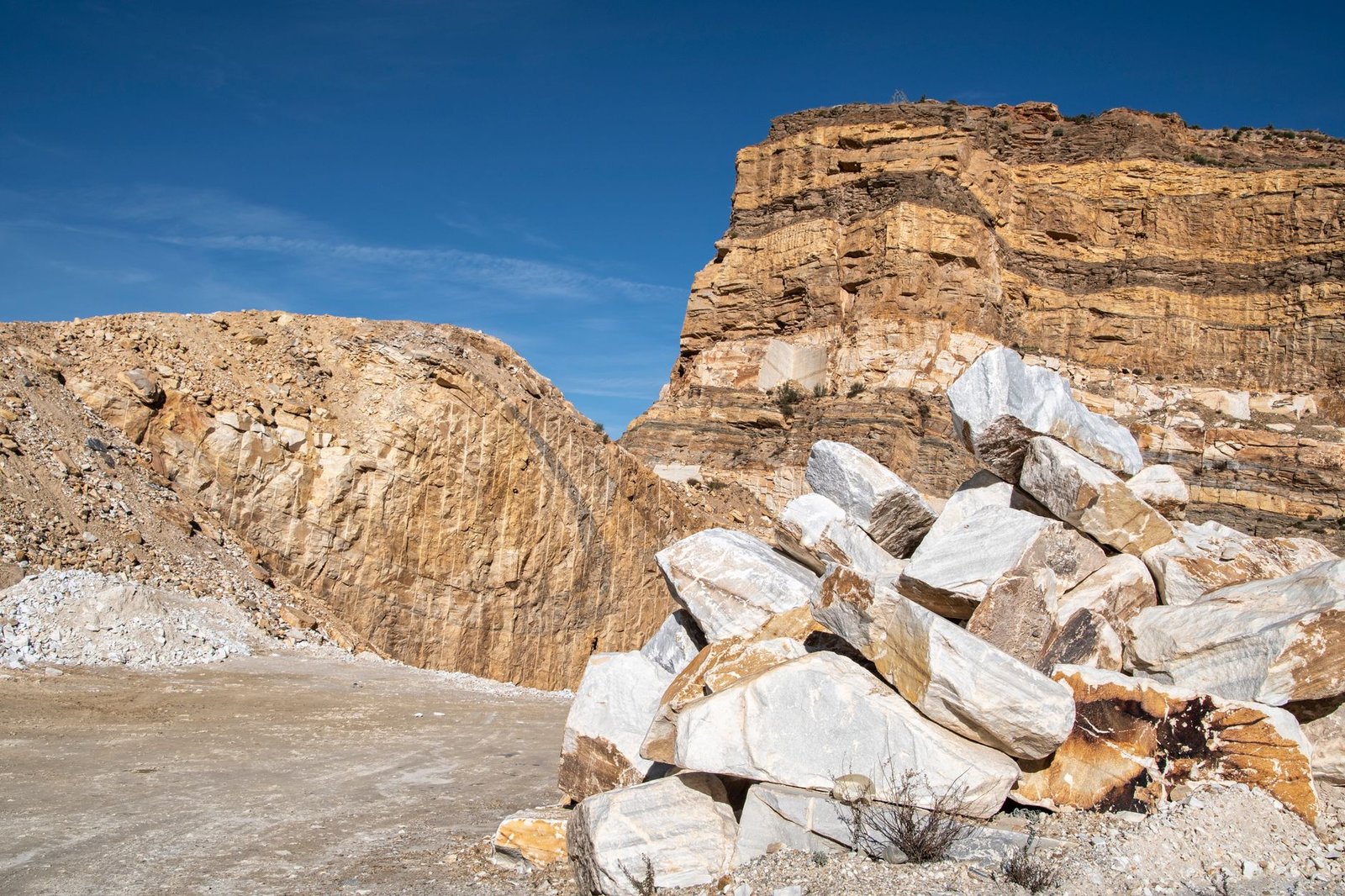
Reclaimed quarry parks function as dynamic open-air geology and cultural education destinations. Interpretive walking trails wind safely along quarry rims and into excavated limestone canyons, equipped with heavy steel safety railings and educational wayside exhibits that explain sedimentary geology, fossil deposition, and the human craftsmanship of immigrant stonecutters.
At park visitor centers, master stonecarvers operate working demonstration studios, teaching visitors and apprentices how to use pneumatic chisels, rasps, and mallet-and-iron hand tools to carve intricate Corinthian capitals, decorative gargoyles, and bespoke architectural moldings from rough stone blocks.
Furthermore, flooded quarry pits—where groundwater has filled hundred-foot-deep excavations with crystal-clear turquoise spring water—host controlled scuba diving training and aquatic ecology research. Through innovative geo-heritage reclamation, these dramatic industrial scars are permanently transformed into thriving civic parks that celebrate America’s deep geological and architectural roots.
Official Public Records and Statutory Citations
The documentary evidence and administrative filings referenced in this investigation are indexed under the following public record dockets:
- National Historic Preservation Act, 54 U.S.C. 300101 et seq.
- Federal Mine Safety and Health Act of 1977, 30 U.S.C. 801 et seq.
- Secretary of the Interior’s Standards for the Treatment of Historic Properties (Rehabilitation Standards).
- Historic American Engineering Record (HAER), Indiana Limestone Belt Industrial Survey.
Independent Oversight Outlook
The preservation and public reclamation of historic dimensional stone quarries honors the monumental craftsmanship that built the American skyline. Through geotechnical stabilization and industrial heritage tourism across 2026 and 2027, these majestic stone canyons will continue to educate and inspire millions of visitors.
Spotted an error? Read our corrections policy and let us know.
Keep reading
High-Country Ranching Line Camps and Notched Log Cabins Restored Across Intermountain Grazing Allotments

Historic Appalachian Mountain Ballad Collections and Bluegrass Acetate Discs Preserved Under National Audio Heritage Standards
Seventeenth-Century Spanish Frontier Presidios and Coquina Fortifications Stabilized Under Colonial Archaeology Standards