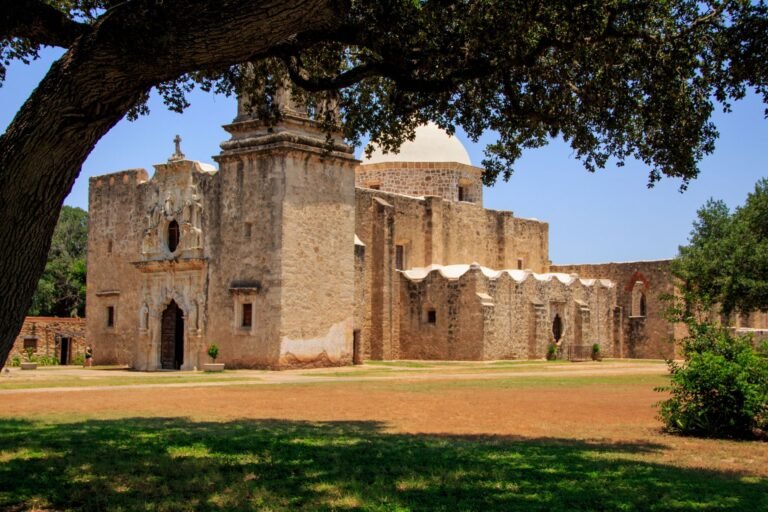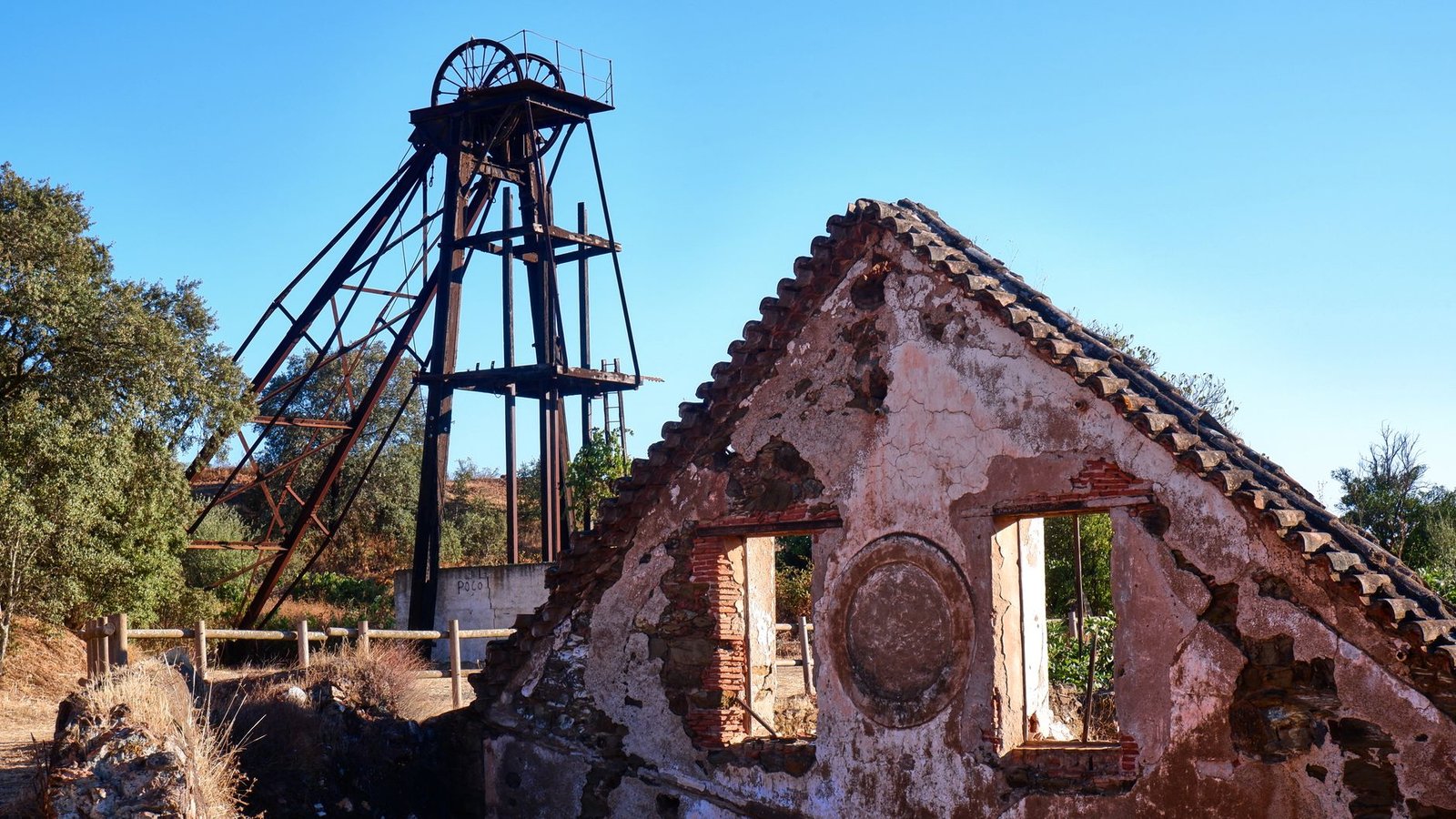
VIRGINIA CITY – The Bureau of Land Management, state historic preservation offices, and mining heritage foundations across the Intermountain West have completed major structural stabilization projects on late 19th-century timber mine headframes and surviving commercial false-front buildings, mitigating severe mine shaft hazards while preserving authentic Gold Rush and Silver Boom industrial architecture.
Statutory Framework and Regulatory Context
- Statutory Factor: Surface Mining Control and Reclamation Act (SMCRA) historic preservation compliance.
- Statutory Factor: Bureau of Land Management Abandoned Mine Lands (AML) cultural resources protocol.
- Statutory Factor: National Historic Preservation Act Section 106 and National Register ghost town district standards.
- Statutory Factor: Secretary of the Interior’s Standards for the Treatment of Historic Properties (Historic Mining Ensembles).
The Heavy Timber Engineering of 19th-Century Mining Headframes
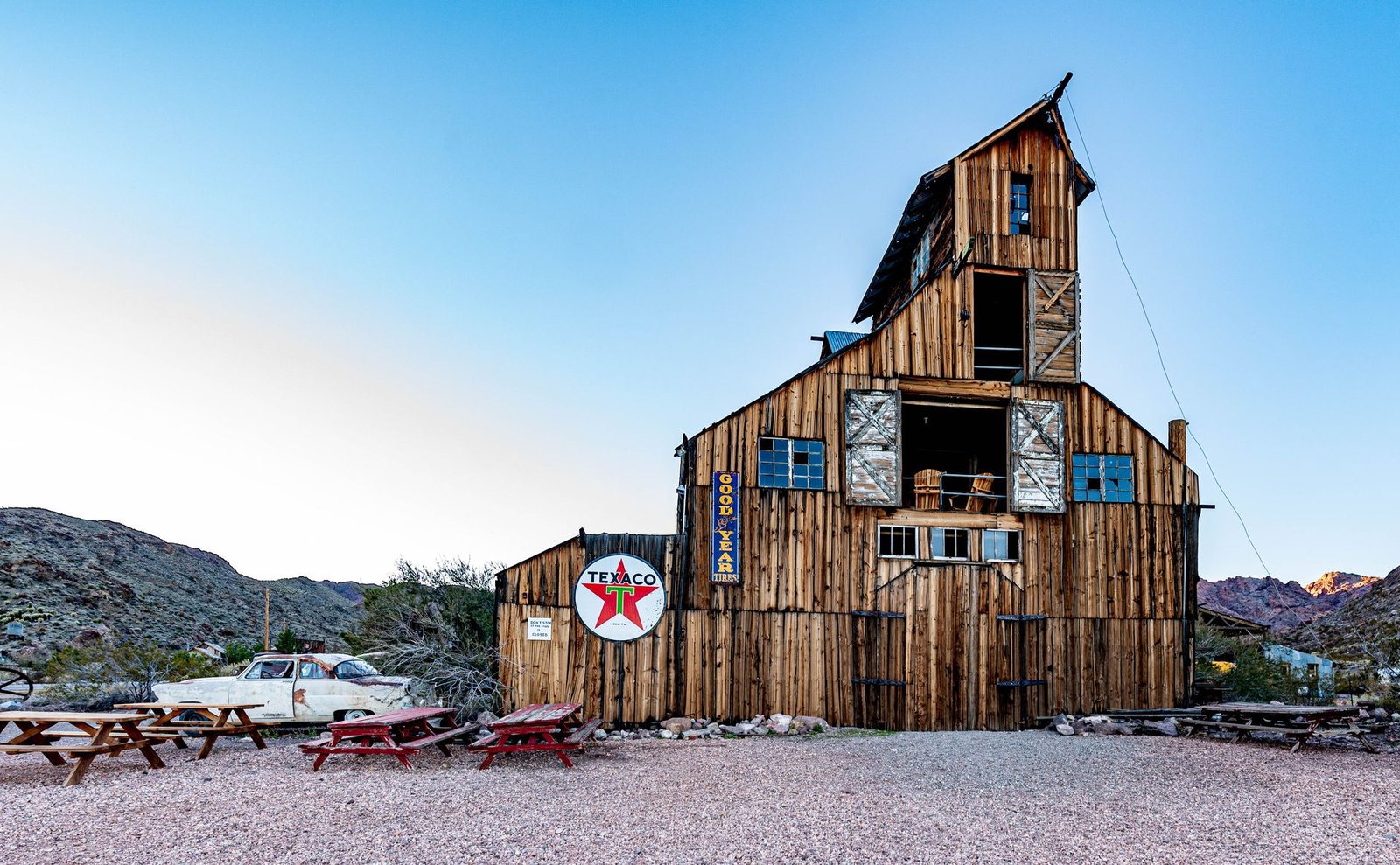
During the rapid mineral extraction booms of the late 19th and early 20th centuries across Nevada, Colorado, Montana, and California, mining engineers constructed towering timber ‘headframes’ (also known as gallows frames or poppet heads) directly over vertical mine shafts descending thousands of feet into the Earth. Fabricated from massive, rough-sawn Douglas fir or Ponderosa pine timbers measuring up to 16 by 16 inches square, these monumental A-frame and four-post structures supported massive iron sheave wheels at their apex.
Through these sheave wheels ran heavy wire cables driven by steam-powered hoisting engines located in adjacent hoist houses, hoisting multi-ton ore buckets, rock skips, and cages filled with underground miners out of subterranean tunnels. Because timber was exposed to extreme alpine weather variations, intense high-altitude ultraviolet radiation, and subsurface humidity rising from geothermal mine shafts, surviving headframes face critical structural risks.
Decades of weathering have caused severe fungal rot at timber joints, split structural columns along natural grain lines, and corroded iron tie-rods and bolts, threatening the sudden collapse of these iconic skyline landmarks of the American mining frontier.
Comparative Metrics and Fiscal Impact Analysis
The following quantitative dataset summarizes verified public records, capital expenditure benchmarks, and oversight agency audit dockets across regional jurisdictions:
| Western Mining Historic Site | Mining District & Peak Era | Surviving Historic Structure | Preservation Engineering Solution | Land Management Stewardship |
|---|---|---|---|---|
| Virginia City & Gold Hill Landmark | Comstock Lode Era / 1859-1888 | Timber Mine Headframe & Shaft | Structural Heavy Timber Cribbing | State Historic District Commission |
| Bodie Historic Ghost Town | Mono Mining District / 1877-1882 | Weathered False-Front Main St | ‘Arrested Decay’ Earthen Foundation | State Historical Park & Preserve |
| St. Elmo Historic Mining District | Chaffee County Silver / 1880-1895 | Timber Hoist House & Saloons | Fire Retardant Borate Injections | National Forest Heritage Partnership |
| Silver Reef Mining Enclave | Harrisburg District / 1875-1884 | Sandstone Bank & Assayer Office | Structural Carbon Fiber Pinning | County Historical Landmark Trust |
The Philosophy and Practice of ‘Arrested Decay’ in Ghost Town Preservation
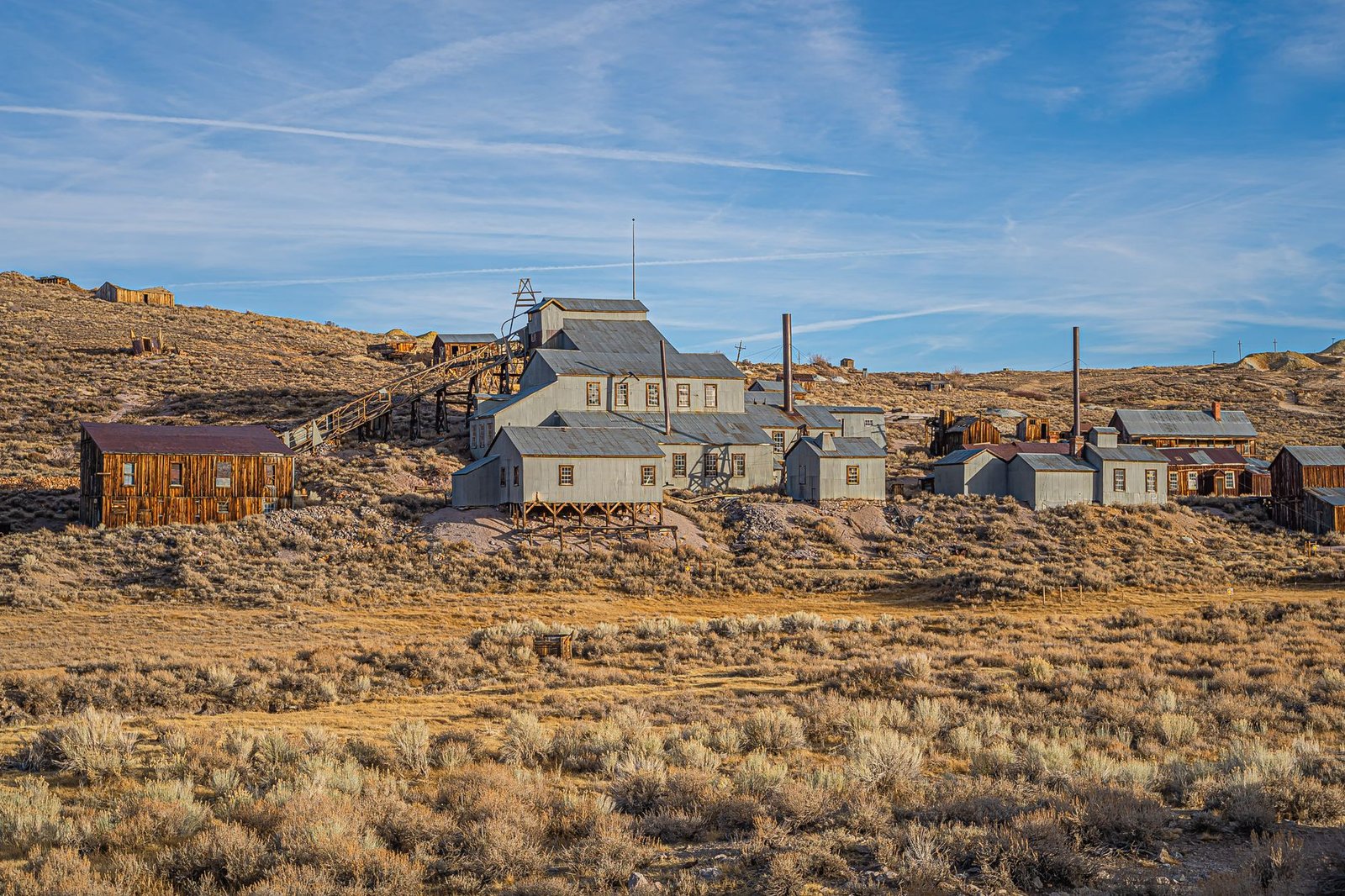
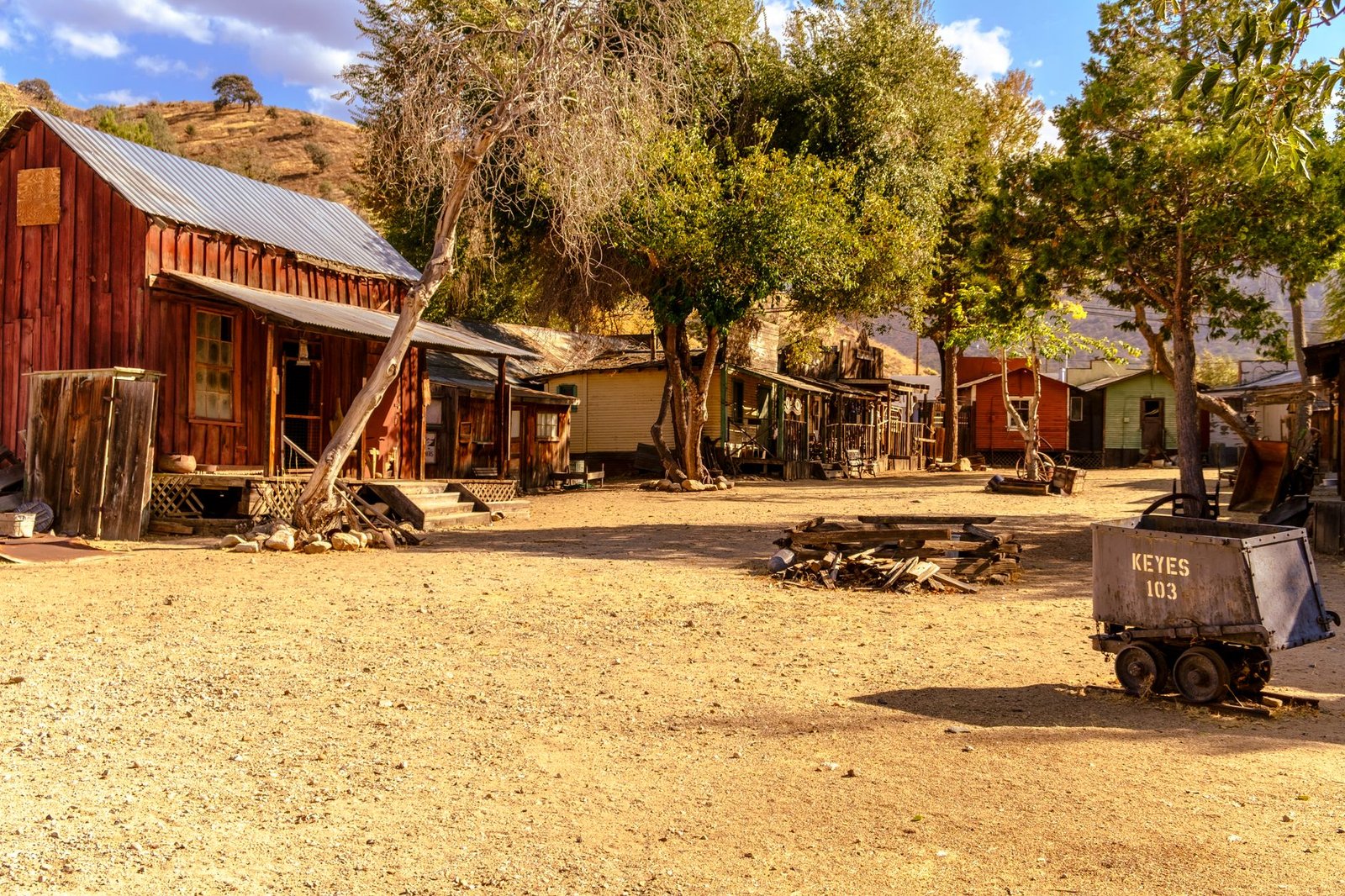
Historic preservation in Western ghost towns departs fundamentally from standard commercial building restoration: rather than rebuilding or repainting structures to look brand new, preservationists apply the rigorous doctrine of ‘arrested decay.’ Under this philosophy, structures are stabilized exactly in their current weathered state—retaining all original rough patina, sun-bleached wood fibers, and historic marks of wear—while halting further structural deterioration.
Engineering teams deploy non-invasive stabilization techniques: inserting concealed steel structural tension tie-rods inside hollowed timber mortises, jacking up leaning wooden false fronts using hydraulic jacks with electronic load cells, and pouring concealed concrete spread footings beneath rotten sill timbers to isolate them from wet soil contact.
To protect fragile unpainted pine boards from catastrophic wildfire and dry rot, conservators spray breathable, invisible borate-based wood preservatives and eco-friendly flame retardants that penetrate deep into the cellular structure of the historic wood without discoloring its distinctive silvery-gray aged appearance.
Mine Shaft Hazard Abatement and Subterranean Ecological Stewardship
Stabilizing historic mining sites presents complex public safety and ecological challenges: thousands of abandoned vertical shafts, stope holes, and horizontal adits pose lethal fall hazards to heritage tourists and emit toxic heavy metal drainage or pocket gas. Under federal Abandoned Mine Lands protocols, engineers seal hazardous shaft collars without destroying historic timber headframes or disturbing critical bat habitats.
Conservators construct heavy structural steel bat-compatible gates across adit openings: horizontal steel bars spaced precisely 5.75 inches apart allow colonies of endangered Townsend’s big-eared bats to fly freely into deep mine tunnels for winter hibernation while permanently barring unauthorized human entry.
Overhead, timber headframes are permanently braced with galvanized structural guy-cables anchored directly into underlying bedrock, preserving these dramatic industrial monuments as educational open-air classrooms that document the technical triumph, human sacrifice, and environmental transformation of the Western mineral frontier.
Official Public Records and Statutory Citations
The documentary evidence and administrative filings referenced in this investigation are indexed under the following public record dockets:
- Surface Mining Control and Reclamation Act of 1977 (SMCRA), 30 U.S.C. 1201 et seq.
- National Historic Preservation Act, 54 U.S.C. 300101 et seq.
- Bureau of Land Management Manual 8100: The Foundations for Managing Cultural Resources.
- Secretary of the Interior’s Standards for the Treatment of Historic Properties with Guidelines for Preserving, Rehabilitating, Restoring & Reconstructing Historic Buildings.
Independent Oversight Outlook
The preservation of Western timber headframes and ghost towns through ‘arrested decay’ honors the rugged legacy of early miners and engineers. Through dedicated federal-state partnerships and non-invasive structural engineering across 2026 and 2027, these evocative historic mining landscapes will remain standing safely for future generations of American travelers.
Spotted an error? Read our corrections policy and let us know.
Keep reading
High-Country Ranching Line Camps and Notched Log Cabins Restored Across Intermountain Grazing Allotments
Historic Dimensional Limestone Quarries and Stonecutter Sheds Reclaimed Under Industrial Geo-Heritage Programs

Historic Appalachian Mountain Ballad Collections and Bluegrass Acetate Discs Preserved Under National Audio Heritage Standards