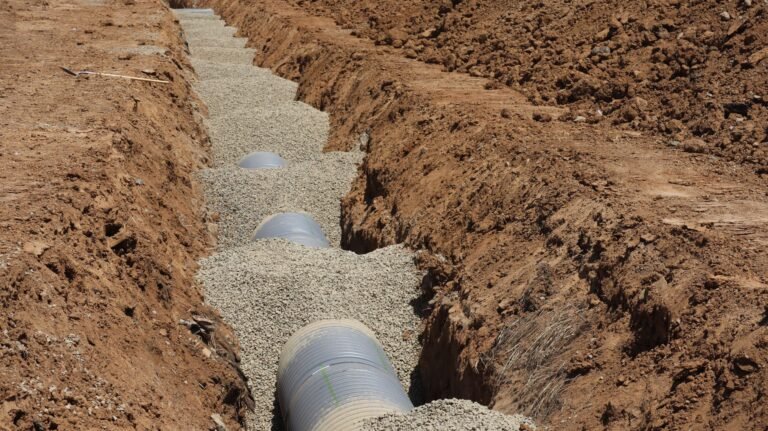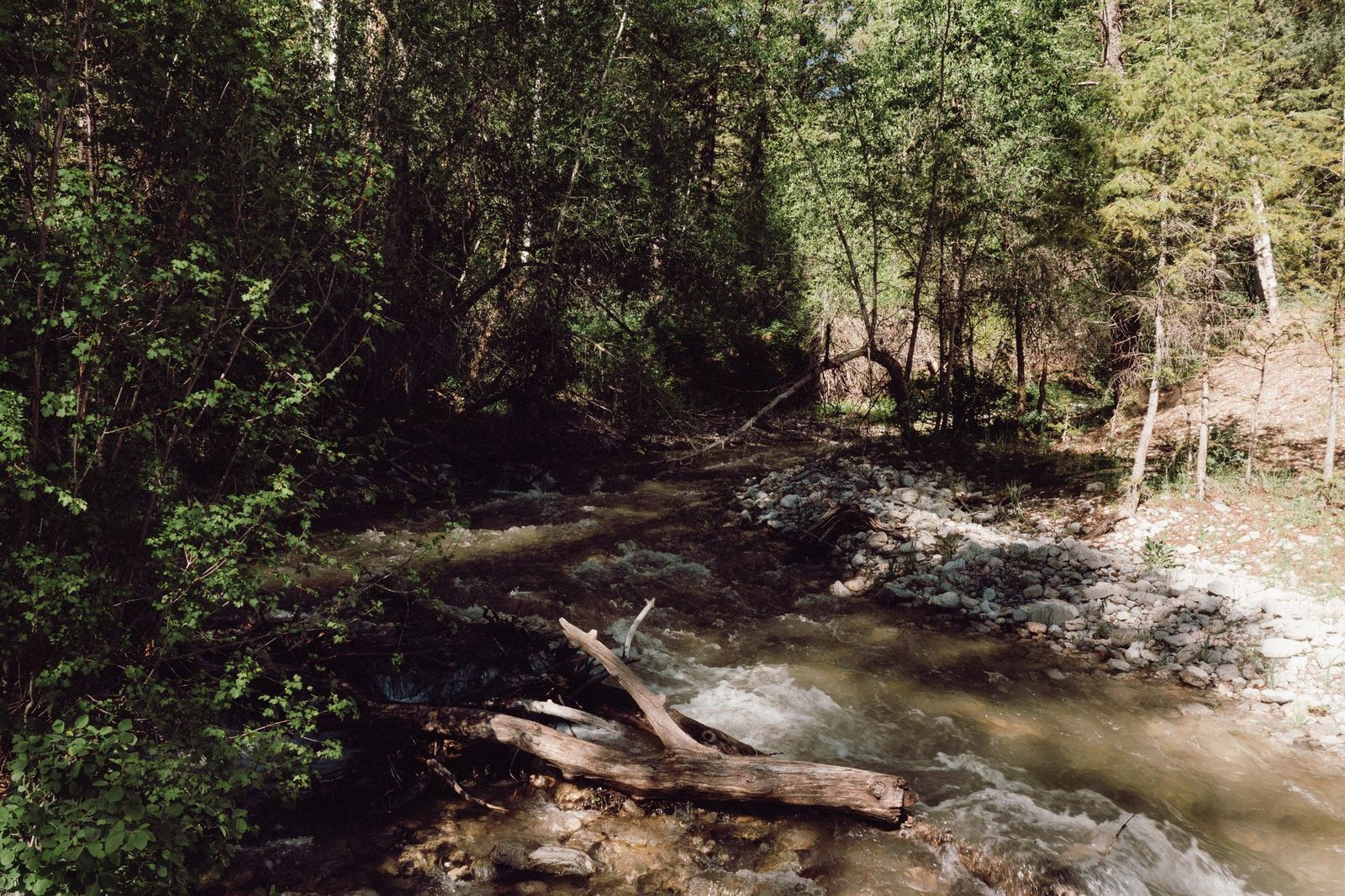
YONKERS – Municipal public works departments and urban watershed consortiums across older post-industrial cities are excavating and demolishing massive underground concrete storm culverts, bringing historic buried rivers back to the surface in ambitious ‘stream daylighting’ restorations that expand urban flood capacity and revitalize blighted downtown centers.
Statutory Framework and Regulatory Context
- Statutory Factor: Clean Water Act Section 319 Nonpoint Source Management grants.
- Statutory Factor: Army Corps of Engineers Aquatic Ecosystem Restoration authorities (33 U.S.C. 2330).
- Statutory Factor: State Department of Environmental Conservation stream disturbance and water quality permits.
- Statutory Factor: Municipal Downtown Revitalization and Urban Greenway master planning statutory codes.
The 19th-Century Legacy of Buried Urban Streams and Surcharge Flooding
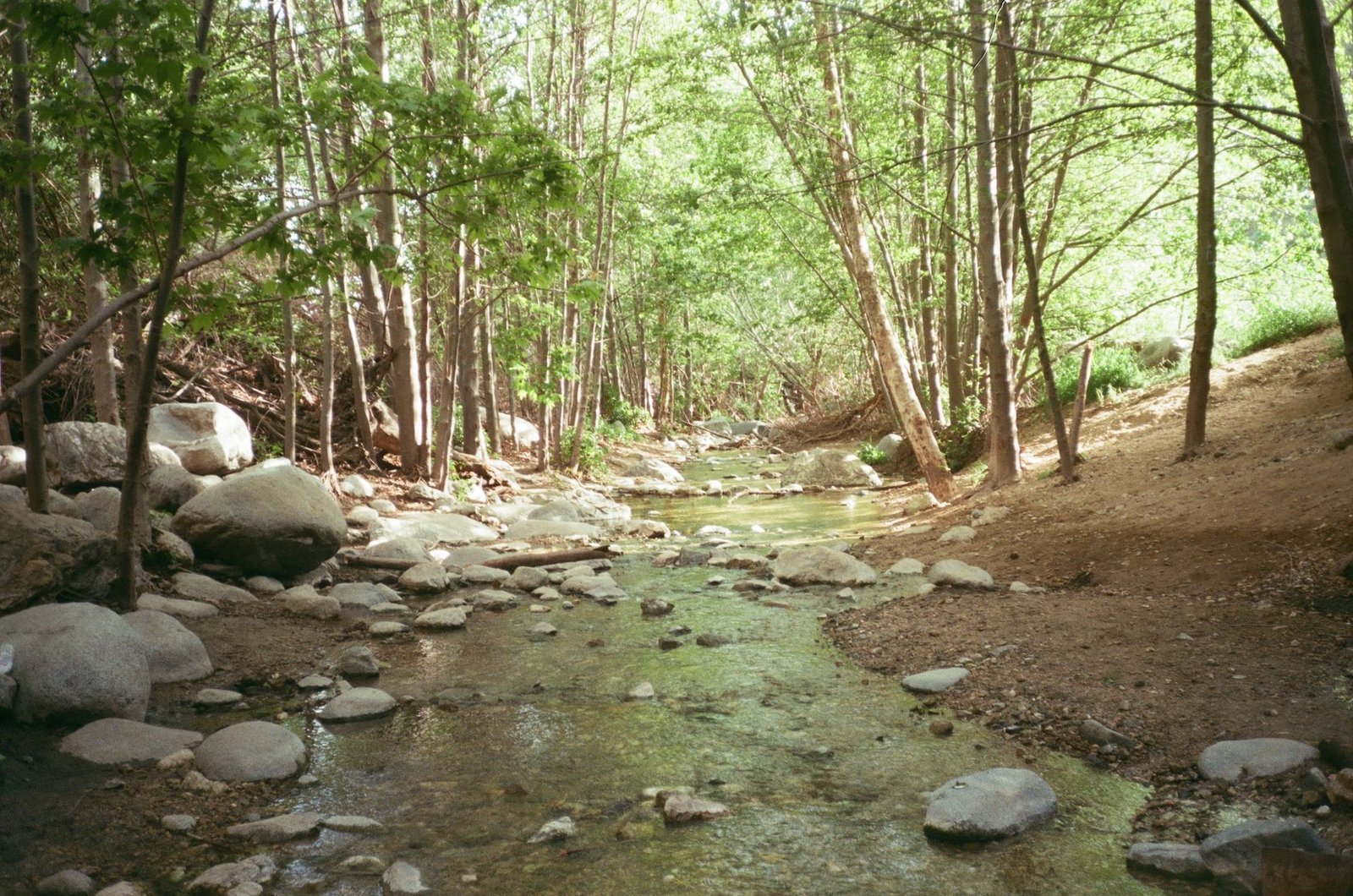
During the rapid industrialization and urban expansion of the late 19th and early 20th centuries, city civil engineers viewed natural urban creeks and meandering streams as open sewers and inconvenient impediments to commercial grid development. Cities encased entire river systems inside massive subterranean concrete box culverts, brick tunnels, and corrugated iron pipes, paved over the waterways with asphalt streets, parking lots, and industrial factories, and banished the living rivers from public sight.
However, burying streams created severe modern structural liabilities. As urban sprawl dramatically increased upstream impervious surface area, stormwater runoff volumes overwhelmed the rigid physical volumetric capacity of the underground culverts. During intense convective stalling storms, pressurized floodwaters back up inside aging culverts, blowing off heavy manhole covers and causing catastrophic surface basement flooding across downtown commercial districts.
Furthermore, maintaining aging subterranean concrete culverts—which suffer from structural cracking, joint separation, and sinkhole collapses beneath city streets—costs municipalities millions of dollars in emergency repairs, prompting cities to tear out the culverts entirely and bring the rivers back to the surface.
Comparative Metrics and Fiscal Impact Analysis
The following quantitative dataset summarizes verified public records, capital expenditure benchmarks, and oversight agency audit dockets across regional jurisdictions:
| Urban Stream Daylighting Project | Buried Culvert Dimensions | Daylighted Channel Length | Peak Flood Capacity Gain | Public Investment Funding |
|---|---|---|---|---|
| Saw Mill River Daylighting | 10-Foot Concrete Box Culvert | 2,400 Linear Feet Restored | +120% Stormwater Detention | $45.0 Million Civic Fund |
| Kalamazoo River Downtown Loop | 12-Foot Corrugated Steel Tube | 1,800 Linear Feet Natural Channel | +95% Peak Flow Cushion | $32.4 Million Partnership |
| Cheonggyecheon Model Rust Belt | Twin 14-Foot Masonry Culvert | 2,800 Linear Feet Daylighted | +140% Flood Inundation Margin | $52.8 Million Federal/State |
| Mid-Valley Urban Creek Revival | 8-Foot Concrete Pipe Conduit | 1,500 Linear Feet Naturalized | +85% Channel Retention | $24.6 Million Water Grant |
Natural Channel Design Geomorphology and Riffle-Pool Sequences
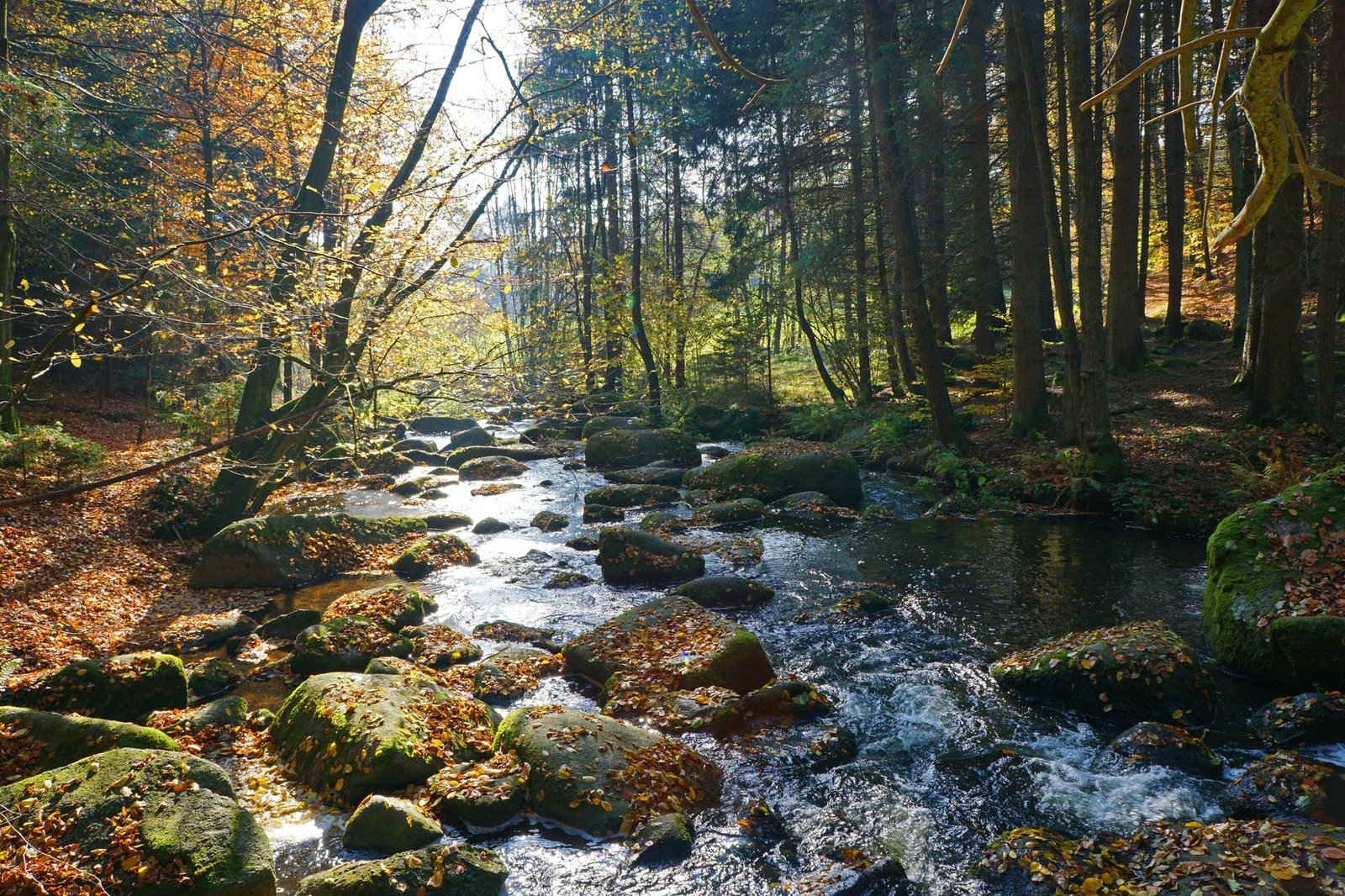
Stream daylighting is not merely digging an open concrete ditch; it is the comprehensive reconstruction of natural fluvial geomorphology based on the Rosgen Natural Channel Design methodology. Heavy excavation machinery removes thousands of tons of asphalt paving, concrete decking, and buried culverts, excavating a wide, multi-stage floodplain channel.
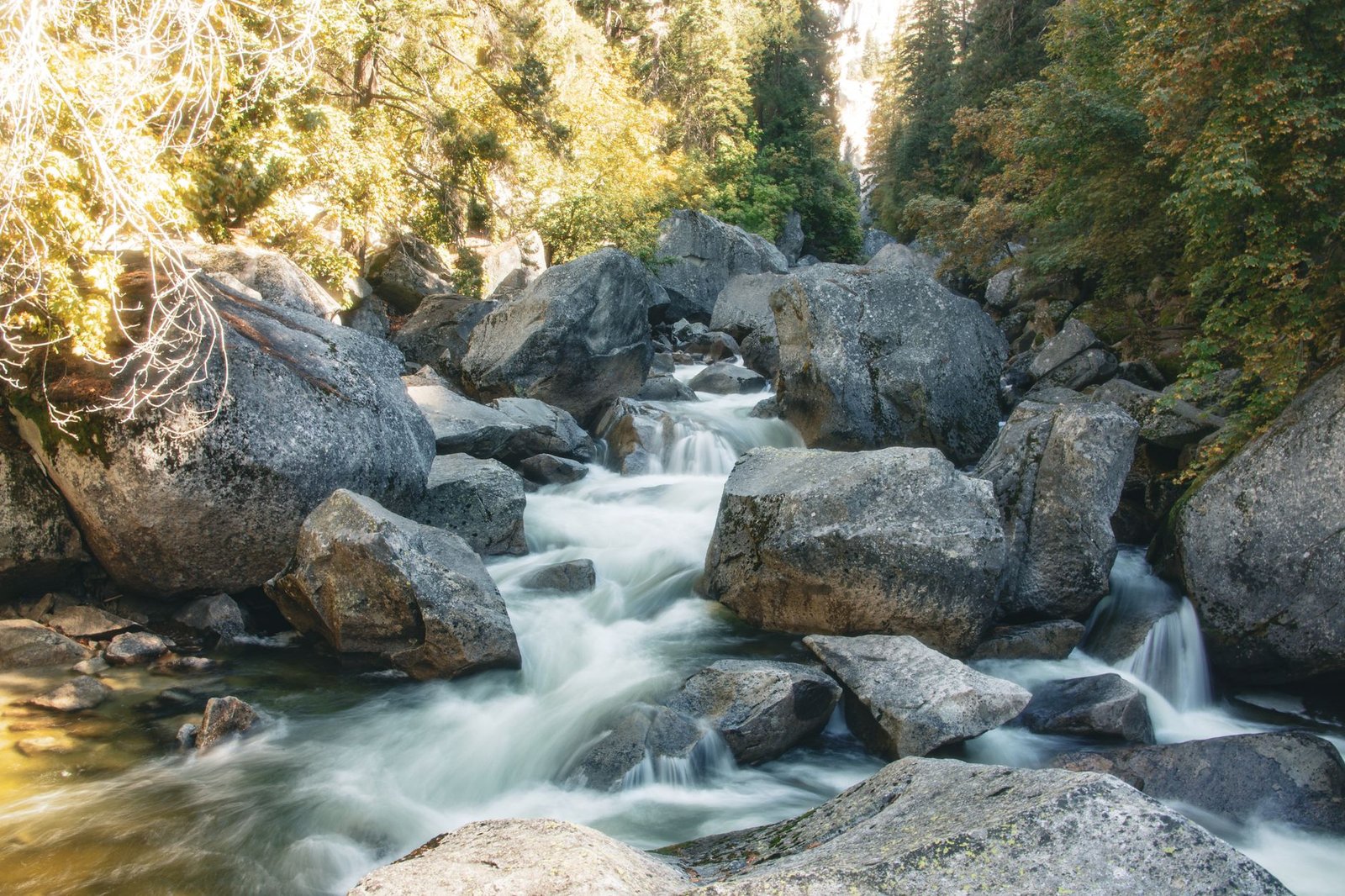
Fluvial geomorphologists engineer stable riffle-pool sequences: high-gradient gravel riffles oxygenate the water and create habitat for aquatic insects, while deep resting pools provide thermal refuge for fish during summer heatwaves. Channel banks are constructed using bioengineering techniques, incorporating root wads, rock cross-vanes, and coconut-fiber coir logs planted with native live willow stakes and silky dogwood that bind the soil and prevent erosion without relying on unnatural concrete seawalls.
The daylighted natural channel is designed with wide, terraced vegetated flood benches that accommodate torrential 100-year storm surges safely, slowing water velocities, filtering urban sediments, and reducing downstream peak flood heights by over 40 percent.
Economic Downtown Revitalization, Property Values, and Civic Health
The economic and aesthetic return on investment from urban stream daylighting is profound. Transforming a blighted concrete parking lot or crumbling industrial alley into a sparkling, babbling river surrounded by lush native trees, pedestrian boardwalks, and public parks triggers immediate commercial revitalization across adjacent downtown blocks.
Independent real estate economic assessments demonstrate that properties adjacent to daylighted river greenways experience commercial property value appreciations of 20 to 35 percent. Private developers invest hundreds of millions of dollars in adaptive reuse residential lofts, outdoor restaurant dining patios, and technology startup offices along the river corridor, revitalizing historic downtowns that had suffered decades of post-industrial decline.
Urban civic leaders and environmental planners celebrate stream daylighting as the ultimate symbol of urban ecological rebirth, demonstrating that American cities can undo historical environmental mistakes and reconnect citizens with the beauty of living water.
Official Public Records and Statutory Citations
The documentary evidence and administrative filings referenced in this investigation are indexed under the following public record dockets:
- Clean Water Act, 33 U.S.C. 1329 (Nonpoint Source Management Programs).
- Water Resources Development Act of 1996, Section 206 (Aquatic Ecosystem Restoration, 33 U.S.C. 2330).
- New York Environmental Conservation Law, Article 15 (Water Resources Protection and Stream Disturbance).
- American Rivers, Rivers Under Foot: The Promise of Stream Daylighting in American Cities.
Independent Oversight Outlook
The daylighting of buried urban streams represents one of the most inspiring civil engineering movements of the modern era. Through coordinated public-private downtown revitalization investments across 2026 and 2027, hidden rivers across America will break free from their underground concrete prisons and breathe new life into the nation’s cities.
Spotted an error? Read our corrections policy and let us know.

Keep reading
FEMA Hazard Mitigation Assistance Buyouts Transform Repetitive Loss Floodplains into Natural Greenways

Vadose Zone Suction Lysimeters and Groundwater Protection Plans Enacted for Confined Animal Feeding Operations
Real-Time Optical Gas Imaging and FTIR Fence-Line Air Toxics Monitoring Mandated for Industrial Refineries