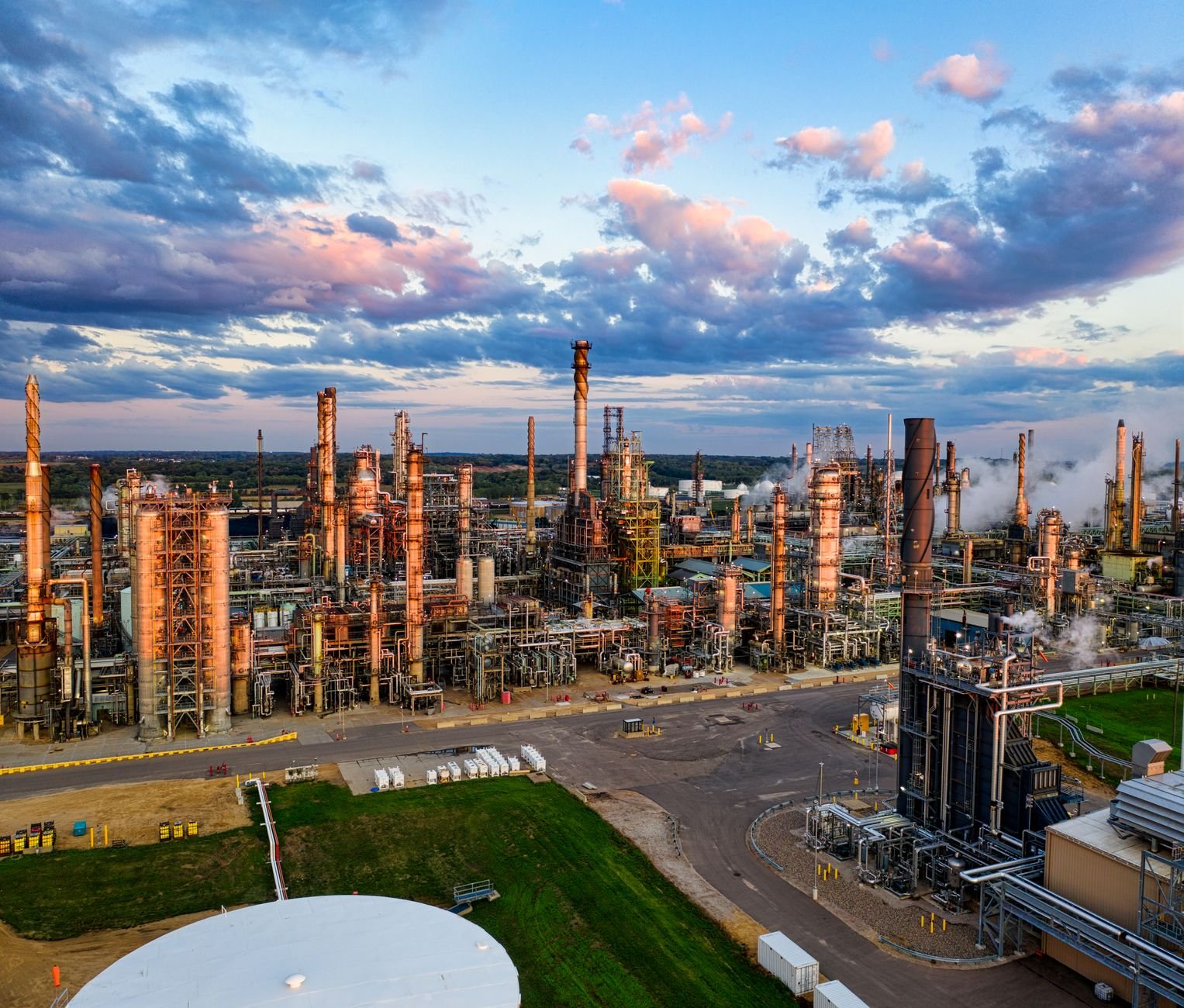
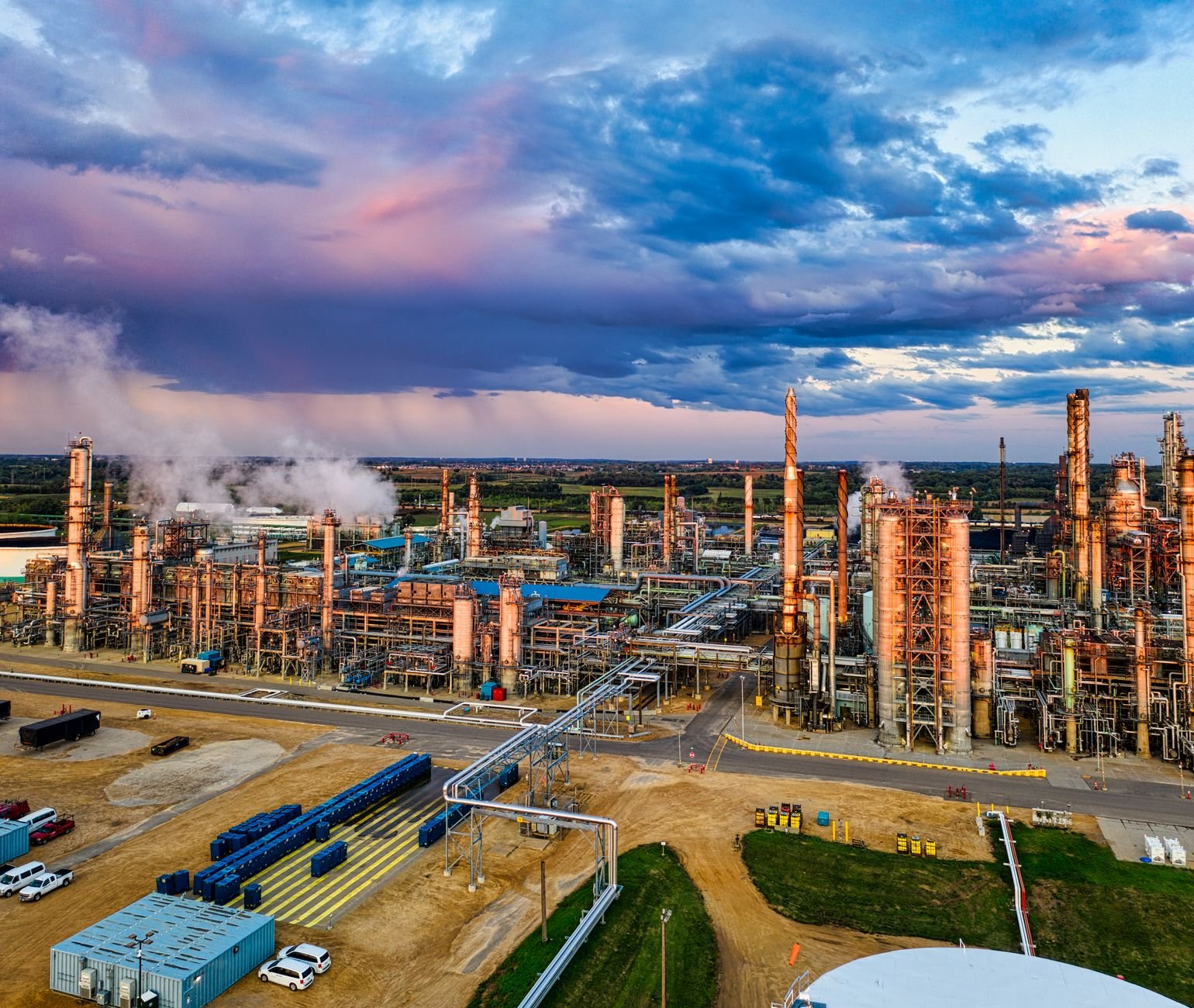
HOUSTON – The Environmental Protection Agency, in coordination with state clean air authorities across the Gulf Coast petrochemical corridor, has issued binding Clean Air Act regulations mandating open-path Fourier Transform Infrared (FTIR) spectroscopy and ultraviolet differential optical absorption monitors along industrial fencelines to achieve continuous public air toxics detection.
Statutory Framework and Regulatory Context
- Statutory Factor: Clean Air Act Section 112 (42 U.S.C. 7412) National Emission Standards for Hazardous Air Pollutants (NESHAP).
- Statutory Factor: EPA Petroleum Refinery Sector Risk and Technology Review rules (40 CFR Part 63, Subpart CC).
- Statutory Factor: Continuous fence-line benzene action levels set at 9.0 micrograms per cubic meter annual rolling average.
- Statutory Factor: State Department of Environmental Quality Title V air operating permit compliance protocols.
The Failure of Passive Sorbent Tubes and the Need for Real-Time Telemetry
Historic fence-line air monitoring at petroleum refineries and chemical plants relied on passive diffusive sorbent glass tubes mounted on fence posts at two-week intervals. While useful for calculating long-term annual statistical averages, passive tubes were fundamentally useless for immediate public safety protection: laboratory gas chromatography analysis took three to four weeks to return results, meaning that if a catastrophic fugitive chemical leak or flaring malfunction occurred, fence-line communities breathed toxic carcinogens for weeks before state regulators or corporate operators were even aware of the breach.
Modern Clean Air Act regulations mandate open-path Fourier Transform Infrared (FTIR) spectroscopy and ultraviolet differential optical absorption spectroscopy (UV-DOAS) systems installed along industrial perimeter property lines. Open-path optical systems project a continuous beam of infrared or ultraviolet light across open atmospheric path lengths up to 1,500 feet to an optical retro-reflector mirror array.
Because chemical gas molecules (such as benzene, 1,3-butadiene, toluene, and ethylene oxide) absorb specific, unique wavelengths of light based on their molecular vibrational and rotational energy states, the system measures chemical concentrations instantaneously at parts-per-billion resolutions every 60 seconds.
Comparative Metrics and Fiscal Impact Analysis
The following quantitative dataset summarizes verified public records, capital expenditure benchmarks, and oversight agency audit dockets across regional jurisdictions:
| Petroleum Refinery / Chemical Hub | Fenceline Perimeter Length | Optical Sensor Architecture | Benzene Action Level (ug/m3) | Root-Cause Audit Status |
|---|---|---|---|---|
| Houston Ship Channel Refinery | 4.8 Miles Perimeter | Open-Path FTIR + UV-DOAS | 9.0 ug/m3 Action Ceiling | Active Root-Cause Repair Passed |
| Baton Rouge Petrochemical Plant | 3.6 Miles Boundary | Continuous Auto-GC Stations | 8.2 ug/m3 Measured Level | Under Mandatory Flange Clamp |
| Port Arthur Refining Complex | 5.2 Miles Perimeter | Multi-Beam Optical Gas Imaging | 7.8 ug/m3 Rolling Average | Fugitive Leak Sealed |
| Corpus Christi Chemical Hub | 4.1 Miles Boundary | Differential Absorption LiDAR | 8.5 ug/m3 Compliance Level | Compliant – Tier 1 Clean |
Automated Trigger Sampling and Root-Cause Corrective Action Protocols
Under the EPA’s fenceline monitoring framework, compliance is tied to strict numeric action levels: if the annual rolling concentration of benzene at the facility boundary exceeds 9.0 micrograms per cubic meter, the refinery is in immediate non-compliance and must execute a mandatory Root-Cause Analysis and Corrective Action Plan.
To identify the exact leaking equipment responsible for a concentration spike, modern fenceline systems integrate automated trigger sampling. When optical sensors detect an acute spike exceeding established thresholds, the system automatically activates on-site vacuum canisters and automated gas chromatographs, capturing a physical air sample during the peak emission event.
Coupled with on-site ultrasonic 3D sonic anemometers that record micro-second wind speed and wind direction vectors, automated dispersion back-calculation algorithms triangulate the exact physical origin of the leak inside the refinery—identifying whether the plume originated from a leaking crude distillation tower packing gland, a faulty floating-roof storage tank seal, or an incomplete flare combustion head.
Public Data Transparency and Environmental Justice Protections
A transformative statutory provision of modern fenceline regulations is public data transparency. Refineries are legally prohibited from withholding fence-line data as confidential business information: all sensor telemetry must stream in real time to publicly accessible, mobile-friendly state environmental portals.
Residents living in adjacent fenceline environmental justice neighborhoods—who historically suffered from chronic asthma, neurological complaints, and elevated leukemia rates without verifiable air data—can now check real-time air quality readings on smartphones. If benzene concentrations spike, automated SMS emergency alerts notify community residents to shelter in place or close windows.
Corporate environmental managers report that real-time optical fenceline monitoring fundamentally alters plant operating culture: maintenance crews repair leaking valves within hours rather than waiting for scheduled annual turnarounds, significantly reducing corporate product loss while protecting the public health of neighboring families.
Official Public Records and Statutory Citations
The documentary evidence and administrative filings referenced in this investigation are indexed under the following public record dockets:
- Clean Air Act, 42 U.S.C. 7412(d) (Emission Standards for Hazardous Air Pollutants).
- United States Environmental Protection Agency, 40 CFR Part 63, Appendix A, Method 325A/B (Volatile Organic Compounds from Fugitive and Area Sources).
- Texas Clean Air Act, Texas Health and Safety Code, Chapter 382.
- EPA Office of Air Quality Planning and Standards, National Air Toxics Assessment and Fenceline Rule Technical Guidance.
Independent Oversight Outlook
The deployment of continuous optical gas imaging and FTIR spectroscopy along industrial fencelines represents a monumental triumph for air quality science and environmental justice. Through transparent, real-time telemetry across 2026 and 2027, petrochemical facilities will operate under continuous public accountability, ensuring clean, breathable air for all communities.
Spotted an error? Read our corrections policy and let us know.

Keep reading

Urban Stream Daylighting Projects Remove Concrete Culverts to Restore Natural Fluvial Geomorphology

FEMA Hazard Mitigation Assistance Buyouts Transform Repetitive Loss Floodplains into Natural Greenways
Vadose Zone Suction Lysimeters and Groundwater Protection Plans Enacted for Confined Animal Feeding Operations