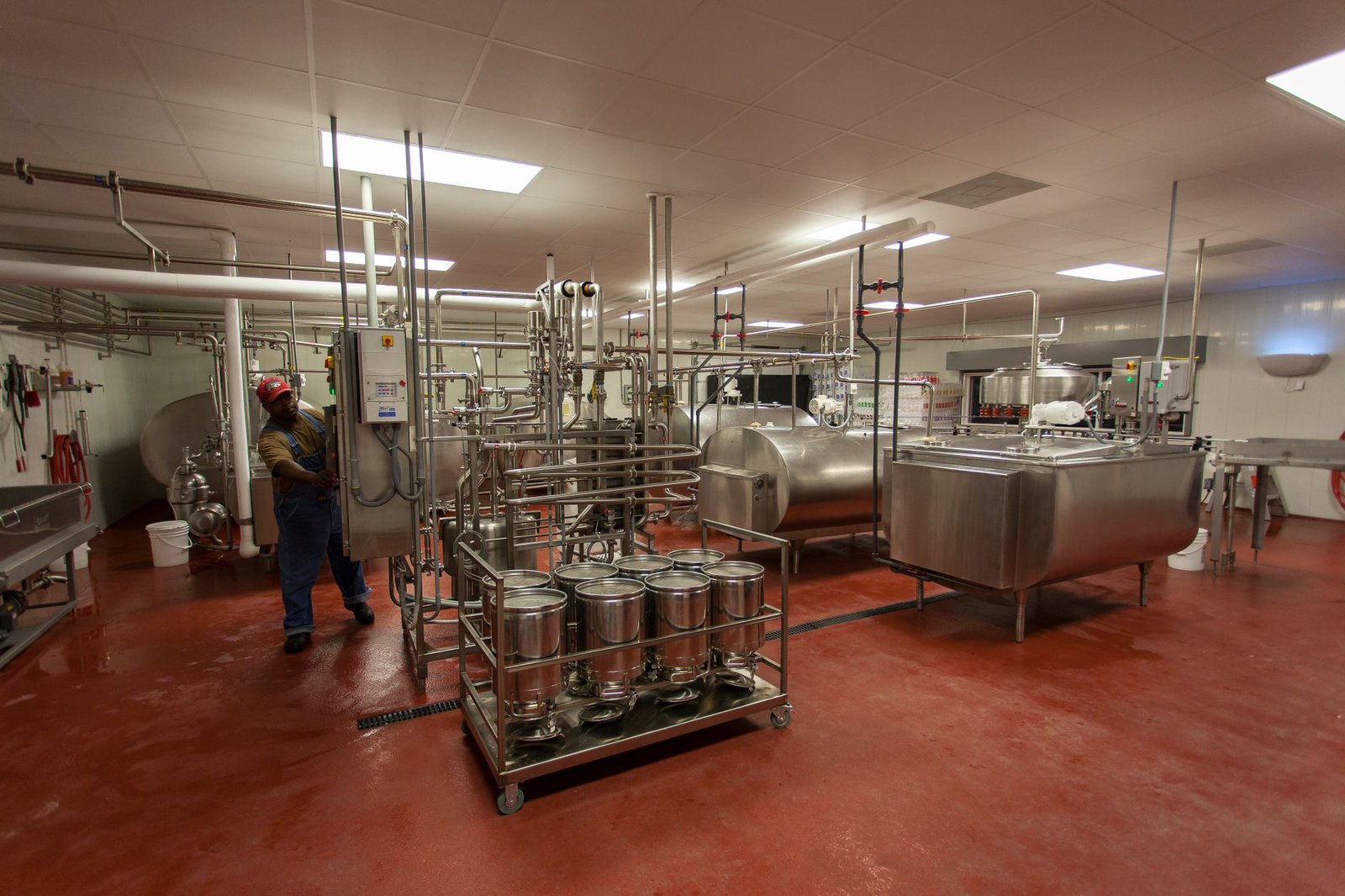
MADISON – State environmental protection departments across the Upper Midwest and Northeast dairy belts have enacted strict pre-treatment regulations compelling large-scale milk, cheese, and yogurt processing plants to construct advanced anaerobic digestion and biological nutrient removal facilities to prevent catastrophic overloading of municipal sewer works.
Statutory Framework and Regulatory Context
- Statutory Factor: Clean Water Act Section 307 (33 U.S.C. 1317) National Pretreatment Program regulations.
- Statutory Factor: EPA Effluent Limitations Guidelines for Dairy Products Processing Point Source Category (40 CFR Part 405).
- Statutory Factor: State Department of Natural Resources industrial wastewater discharge permits.
- Statutory Factor: Renewable Fuel Standard (RFS) regulatory credits for agricultural dairy biomethane.
The High-Strength Challenge of Dairy Processing Wastewater
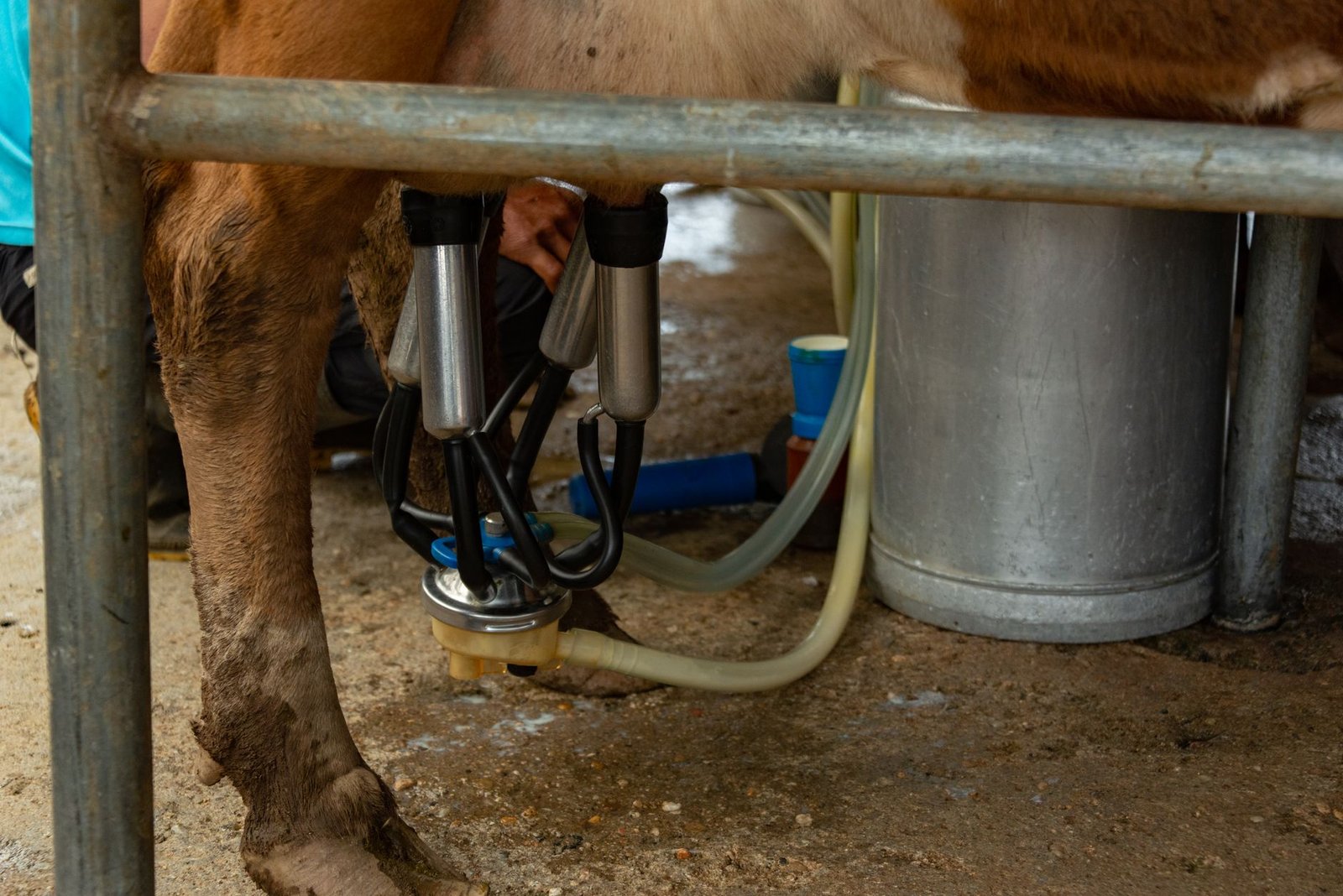
Processing raw milk into consumer cheese, butter, and Greek yogurt generates colossal volumes of high-strength industrial wastewater characterized by extreme concentrations of biochemical oxygen demand (BOD), chemical oxygen demand (COD), and dissolved phosphorus. While typical municipal residential wastewater exhibits BOD levels of approximately 250 milligrams per liter, raw cheese whey and washdown effluent routinely carry BOD concentrations exceeding 15,000 to 40,000 milligrams per liter—over 100 times more potent than domestic sewage.
When rural dairy processing plants historically discharged untreated or minimally screened washwater directly into small municipal sewage treatment plants, the massive organic shock loads instantly overwhelmed municipal biological treatment aeration basins, stripping dissolved oxygen from the water, killing beneficial nitrifying bacteria, and causing catastrophic environmental fish kills in receiving rural streams.
State environmental enforcement divisions responded by issuing binding industrial pretreatment consent orders, requiring dairy processors to construct dedicated on-site biological treatment facilities capable of removing over 98 percent of organic contaminants before discharging treated effluent.
Comparative Metrics and Fiscal Impact Analysis
The following quantitative dataset summarizes verified public records, capital expenditure benchmarks, and oversight agency audit dockets across regional jurisdictions:
| Dairy Processing Plant | Daily Milk Intake (Lbs) | Wastewater Treatment System | BOD / Phosphorus Removal Rate | Biomethane Energy Output |
|---|---|---|---|---|
| Dairyland Specialty Cheese Works | 3.8 Million Lbs Milk | Covered High-Rate Anaerobic Digester | 98.5% BOD / 94% Phosphorus | 1.8 MW Clean Power |
| Heartland Milk Producers Hub | 4.5 Million Lbs Daily | Upflow Anaerobic Sludge Blanket (UASB) | 99.0% BOD Reduction | 450 MCF Renewable RNG / Day |
| Green Mountain Cultured Dairy | 2.6 Million Lbs Milk | Membrane Bioreactor + Anoxic Basins | 97.8% Organic Waste Removal | Direct Boiler Fuel Offset |
| Badger State Whey Processing | 5.2 Million Lbs Fluid | Continuous Stirred-Tank Digester (CSTR) | 99.2% Pre-Treatment Compliance | 2.4 MW Cogeneration Export |
High-Rate Upflow Anaerobic Sludge Blanket (UASB) Technology
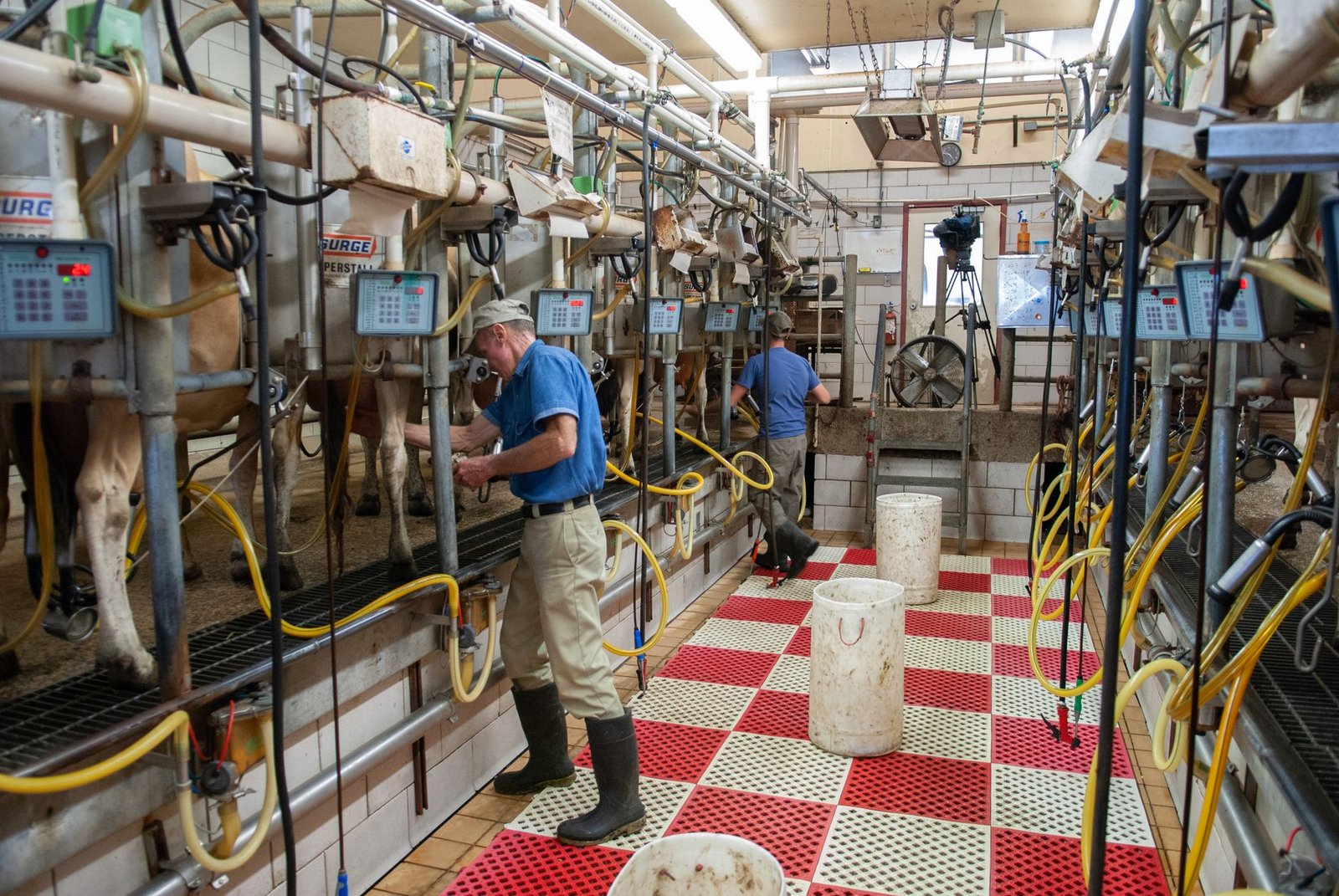
To treat ultra-high-strength dairy wastewater without consuming immense amounts of electrical energy for mechanical aeration pumps, modern dairy plants deploy high-rate Upflow Anaerobic Sludge Blanket (UASB) digesters. Wastewater enters the bottom of a sealed vertical reactor vessel and flows upward through a dense blanket of self-forming granular anaerobic bacterial sludge.
Methanogenic microbial consortia inside the granules rapidly break down dissolved milk lactose, fats, and proteins in the absence of oxygen, converting high-strength organic pollutants into clean biogas composed of 65 percent methane and 35 percent carbon dioxide. Three-phase separators situated at the top of the reactor separate the treated effluent, granular sludge, and generated biogas with high thermodynamic efficiency.
Following anaerobic treatment, effluent passes through secondary anoxic and aerobic Membrane Bioreactors (MBR) utilizing ultrafiltration hollow-fiber membranes that achieve near-total biological nutrient removal (BNR), stripping out dissolved phosphorus and nitrates down to microscopic trace levels of under 0.1 milligrams per liter.
Renewable Natural Gas Monetization and Municipal Partnership Accords
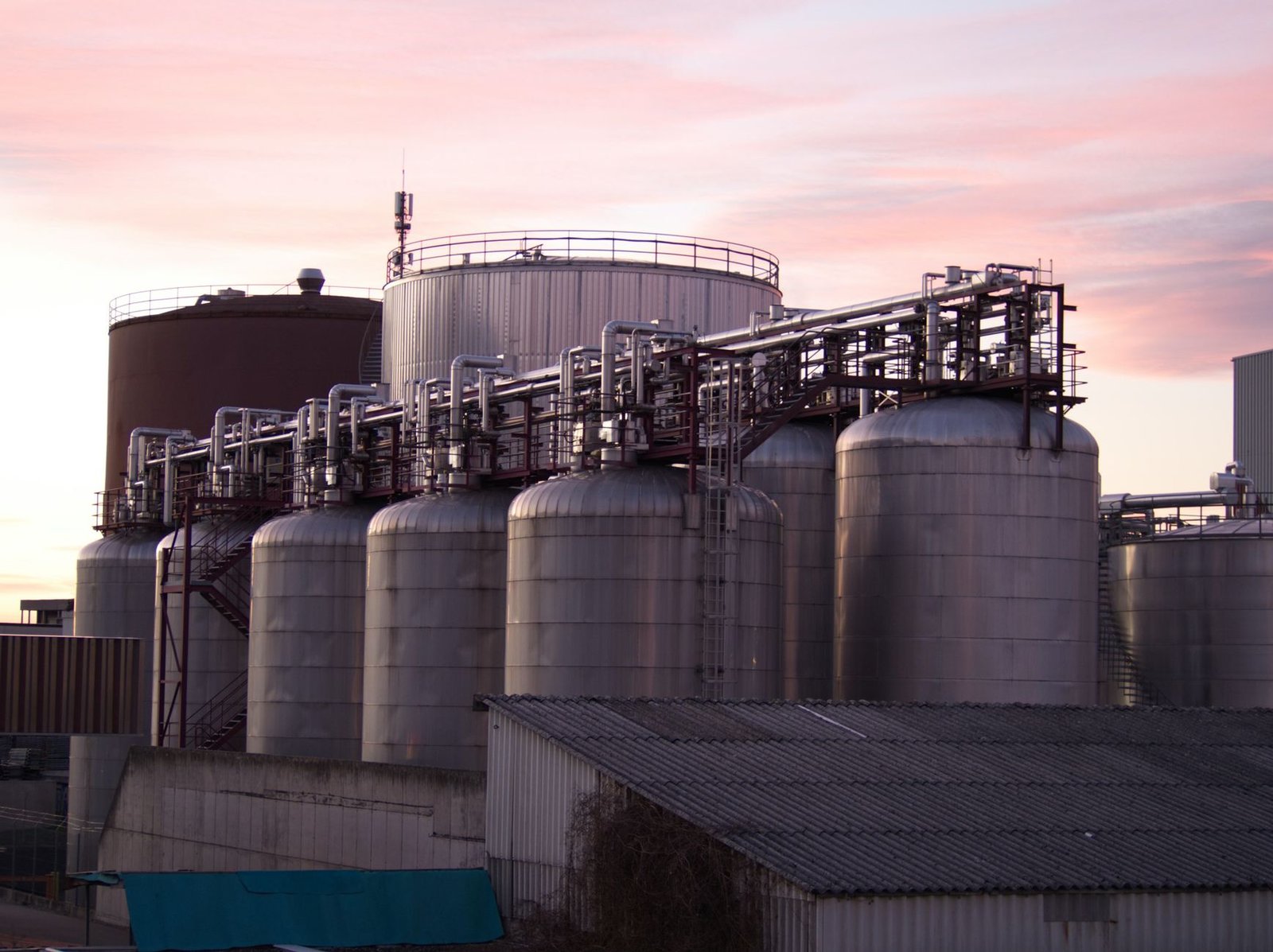
A transformative economic feature of on-site anaerobic digestion is the conversion of an expensive waste-disposal liability into a lucrative renewable energy profit center. The high-purity biomethane captured from UASB reactors is routed through on-site gas-scrubbing membrane units that remove moisture, hydrogen sulfide, and carbon dioxide, upgrading the gas to pipeline-quality Renewable Natural Gas (RNG).
Dairy processors inject the RNG directly into local natural gas utility distribution pipelines or fuel on-site combined heat and power (CHP) microturbines that generate all steam and electricity required to pasteurize milk and run cheese-making vats. By monetizing environmental credits under the federal Renewable Fuel Standard (RFS) and state Low Carbon Fuel Standards (LCFS), dairy processors recoup their multi-million-dollar capital investments within five years.
Municipal public works directors and rural mayors praise the industrial wastewater upgrades, noting that on-site pre-treatment protects municipal infrastructure while allowing regional agricultural manufacturing to expand safely and sustainably.
Official Public Records and Statutory Citations
The documentary evidence and administrative filings referenced in this investigation are indexed under the following public record dockets:
- Clean Water Act, 33 U.S.C. 1317 (Toxic and Pretreatment Effluent Standards).
- United States Environmental Protection Agency, 40 CFR Part 405 (Dairy Products Processing Point Source Category).
- Wisconsin Administrative Code, Department of Natural Resources, Chapter NR 211 (General Pretreatment Standards).
- Water Environment Federation, Industrial Wastewater Management for Food and Dairy Processing Facilities.
Independent Oversight Outlook
The deployment of high-rate anaerobic digestion across regional dairy processing plants represents the pinnacle of sustainable industrial bioengineering. Through clean pre-treatment compliance and renewable energy generation across 2026 and 2027, American dairy processors will safeguard rural waterways while powering the clean energy transition.
Spotted an error? Read our corrections policy and let us know.
Keep reading
Variable-Speed Electric Drive Motor Retrofits Electrify Interstate Pipeline Compressor Stations
Permanent Mineral Trust Funds Restructure Asset Allocations and Rural Infrastructure Transfers
Unit-Train 110-Car Rapid-Loadout Loops Expand Across Midwestern Corn Belt Rail Terminals