PITTSBURGH – Interstate natural gas pipeline transmission operators and regional electric utilities across the Appalachian Basin and Gulf Coast have commenced multi-billion-dollar electrification conversions of mainline compressor stations, replacing legacy gas-fired reciprocating engines with high-efficiency variable-speed electric motors to eliminate pipeline fugitive emissions.
Statutory Framework and Regulatory Context
- Statutory Factor: Federal Energy Regulatory Commission natural gas pipeline certificate authorities (15 U.S.C. 717f).
- Statutory Factor: Environmental Protection Agency Clean Air Act New Source Performance Standards (NSPS OOOOb/c).
- Statutory Factor: FERC Policy Statement on Certification of New Interstate Natural Gas Facilities (PL18-4-000).
- Statutory Factor: State Department of Environmental Protection stationary source air quality permitting dockets.
Variable Frequency Drives and High-Horsepower Synchronous Motors
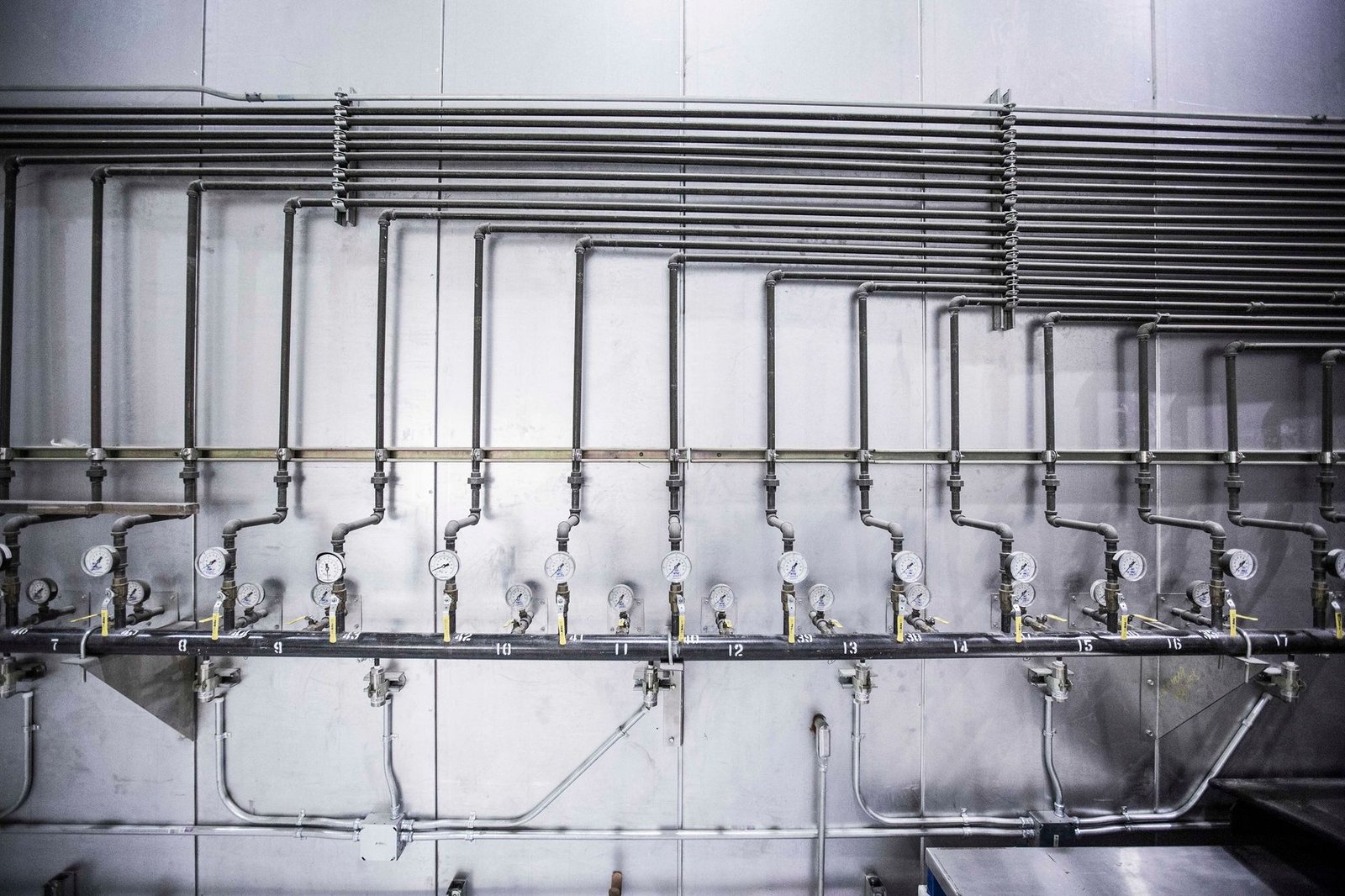
Interstate natural gas transmission pipelines operate at immense pressures between 800 and 1,440 pounds per square inch (psi), requiring booster compressor stations situated every 40 to 70 miles along the pipeline corridor to overcome friction losses and maintain throughput velocity. Historically, these stations were powered by industrial gas-fired combustion turbines or massive reciprocating internal combustion engines that burned a portion of the pipeline’s own transported natural gas, venting significant quantities of nitrogen oxides, carbon monoxide, and fugitive unburned methane into rural atmosphere.
Modern station conversions replace fossil combustion engines with high-horsepower brushless synchronous electric motors rated from 20,000 to 35,000 horsepower per unit. These industrial electric drives are powered through advanced Variable Frequency Drives (VFDs) utilizing high-voltage gate-commutated thyristors (IGCTs) or insulated-gate bipolar transistors (IGBTs) that precisely modulate alternating-current frequency and motor rotational speed from zero to over 5,000 revolutions per minute.
Variable-speed control allows pipeline dispatchers to modulate pipeline compression flow rates instantaneously in sub-second increments to match fluctuating downstream utility demand, eliminating the severe throttling losses and mechanical wear associated with legacy mechanical gas turbines.
Comparative Metrics and Fiscal Impact Analysis
The following quantitative dataset summarizes verified public records, capital expenditure benchmarks, and oversight agency audit dockets across regional jurisdictions:
| Pipeline Transmission System | Compressor Station Location | Electric Motor Capacity | Annual Emissions Abatement | Utility Interconnection Voltage |
|---|---|---|---|---|
| Appalachian Crest Pipeline | Greene County Station | 4 x 25,000 HP VFD Motors | 185,000 Tons CO2e / Year | 138kV Transmission Feed |
| Mid-Atlantic Interstate Trunk | Fairfield Station Retrofit | 3 x 30,000 HP Synchronous | 140,000 Tons CO2e / Year | 230kV Substation Intertie |
| Gulf Coast Gas Transmission | Beaumont Booster Station | 4 x 20,000 HP Electric Drive | 165,000 Tons CO2e / Year | 138kV Industrial Substation |
| Great Lakes Gas Corridor | Defiance Mainline Hub | 3 x 25,000 HP Drive Motors | 130,000 Tons CO2e / Year | 69kV Subtransmission Loop |
Utility Interconnection Infrastructure and Dual-Feed Redundancy
Operating an electrified compressor station with four 25,000-horsepower electric motors creates a continuous industrial electrical load exceeding 75 megawatts—equivalent to the power demand of a mid-sized American city. Siting an electrified station requires close engineering coordination with regional transmission organizations to construct dedicated medium-to-high-voltage substations tapping directly into 138kV or 230kV bulk transmission lines.
Because interstate natural gas delivery is critical to home winter heating and gas-fired electrical generation across the Eastern United States, electrified compressor stations demand extraordinary reliability safeguards. Utility service agreements incorporate dual-feed transmission interconnections served by independent geographic transmission circuits, backed by automated high-speed static transfer switches capable of switching power sources within 100 milliseconds if a transmission line fault occurs.
Electric utilities have introduced specialized industrial interruptible service tariffs, allowing utilities to request short-term compression throttling during rare extreme grid emergency events in exchange for substantial wholesale demand charge discounts.
FERC Carbon Emissions Permitting and Environmental Compliance
The primary regulatory impetus accelerating compressor electrification is the Federal Energy Regulatory Commission’s heightened scrutiny of greenhouse gas emissions during natural gas pipeline certificate proceedings under Section 7 of the Natural Gas Act. Under revised environmental review policies, pipeline projects that demonstrate substantial operational emissions abatements receive streamlined environmental impact statements and expedited certificate approvals.
Electrifying a single four-unit compressor station eliminates over 150,000 metric tons of carbon dioxide equivalent and 350 tons of smog-forming nitrogen oxides annually, equivalent to removing 35,000 passenger vehicles from the highway. Furthermore, electric motors eliminate the high-frequency acoustic rumble and ground vibrations of gas turbines, earning enthusiastic support from adjacent rural residential neighbors.
Pipeline engineering audits demonstrate that while electrification requires significant initial capital investment, electric motor drives achieve mechanical efficiencies exceeding 97 percent, lowering long-term operating and maintenance expenses by over 30 percent across a 40-year station lifespan.
Official Public Records and Statutory Citations
The documentary evidence and administrative filings referenced in this investigation are indexed under the following public record dockets:
- Federal Energy Regulatory Commission, 18 CFR Part 157 (Applications for Certificates of Public Convenience and Necessity).
- United States Environmental Protection Agency, 40 CFR Part 60, Subpart OOOOb (Standards of Performance for Crude Oil and Natural Gas Operations).
- Natural Gas Act, 15 U.S.C. 717f (Construction, Extension, or Abandonment of Facilities).
- Pennsylvania Public Utility Commission, Docket No. A-2024-304112 (Electric Transmission Interconnection Approval).
Independent Oversight Outlook
The widespread electrification of interstate pipeline compressor stations marks a major technological leap toward clean, efficient energy transit. Through coordinated utility transmission interconnections across 2026 and 2027, electrified compression will anchor the reliability of American energy supply chains while achieving historic greenhouse gas reductions.
Spotted an error? Read our corrections policy and let us know.

Keep reading
Anaerobic Digestion and Biological Nutrient Removal Mandated for Regional Dairy Processing Wastewater
Permanent Mineral Trust Funds Restructure Asset Allocations and Rural Infrastructure Transfers
Unit-Train 110-Car Rapid-Loadout Loops Expand Across Midwestern Corn Belt Rail Terminals