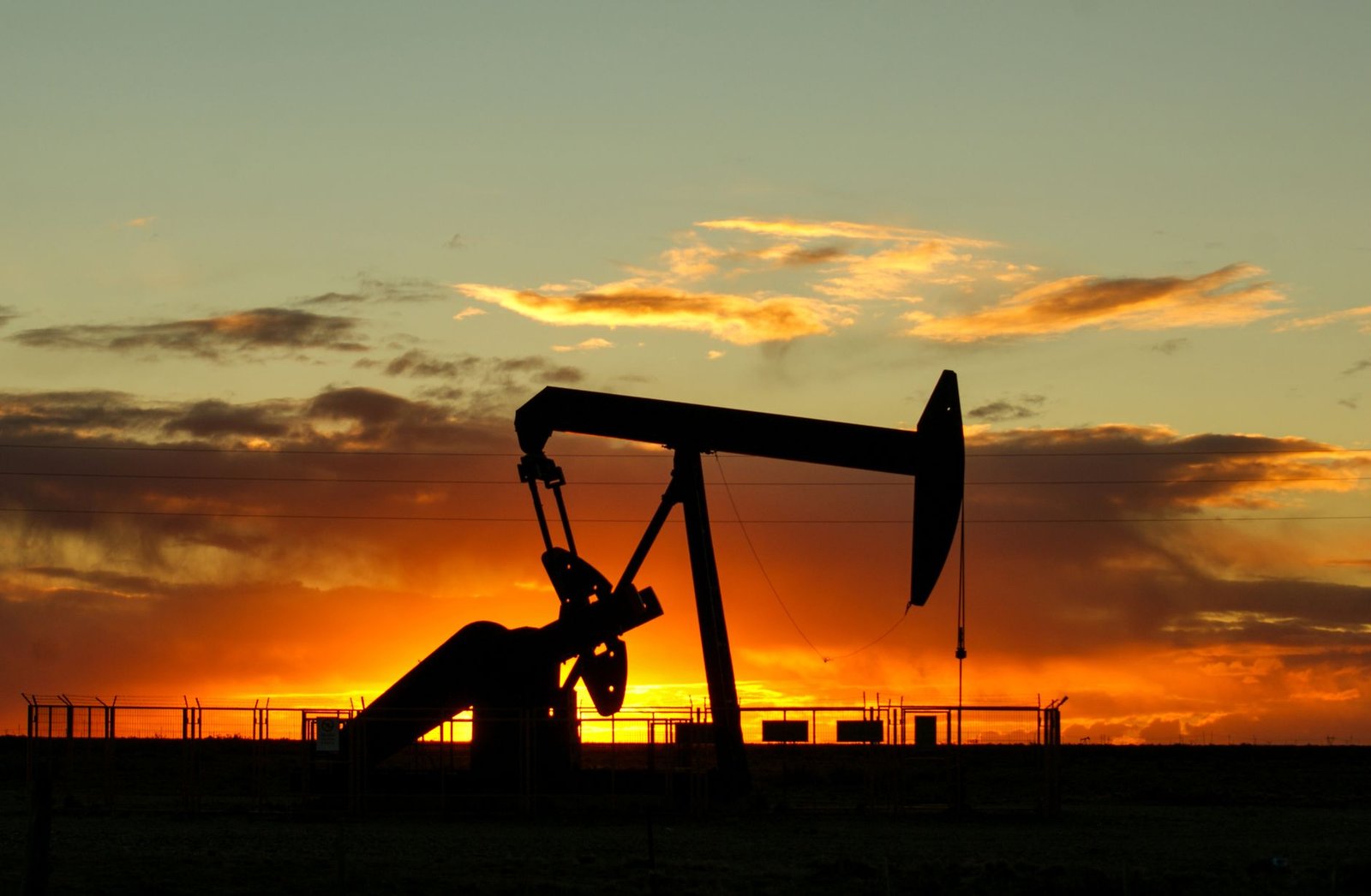
CHEYENNE – State legislative treasurers and permanent fund trustees across western mineral extraction states have restructured investment asset allocations and statutory spending formulas for permanent severance tax trust funds, ensuring that depleting mineral wealth permanently endows rural highway, water, and broadband infrastructure for future generations.
Statutory Framework and Regulatory Context
- Statutory Factor: State constitutional permanent mineral trust fund establishment and governance articles.
- Statutory Factor: Statutory severance tax excise rates on oil, natural gas, coal, trona, and critical minerals.
- Statutory Factor: Uniform Prudent Management of Institutional Funds Act (UPMIFA) investment standards.
- Statutory Factor: State Department of Audit compliance audits of intergovernmental infrastructure distributions.
The Philosophy of Permanent Mineral Trust Funds and Intergenerational Equity
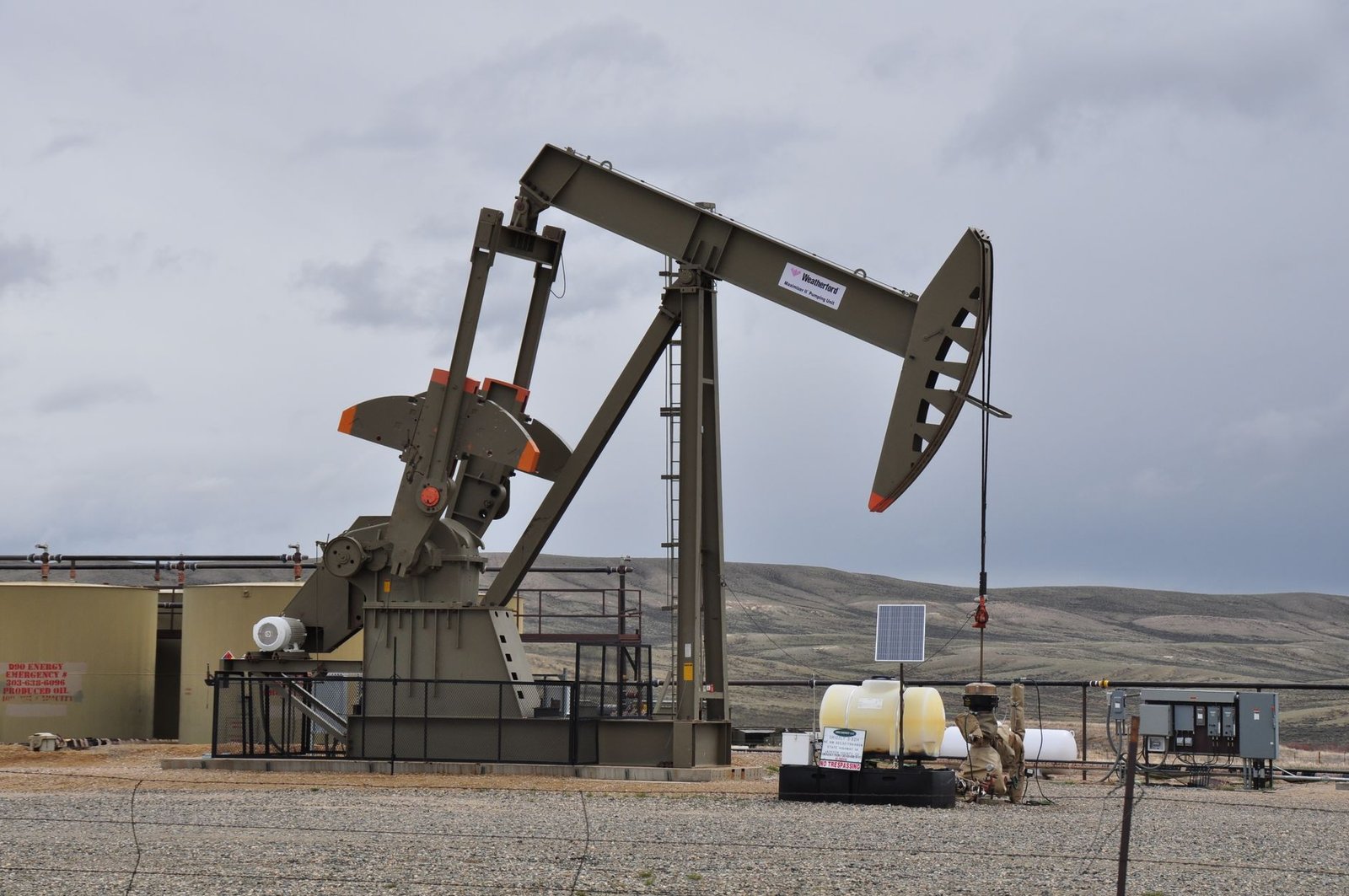
Unlike renewable agricultural crops or recurring retail sales taxes, subsurface oil, natural gas, coal, and mineral deposits represent finite, non-renewable natural resources: once a barrel of crude oil is extracted and refined, that geological asset is permanently gone from the state’s sovereign balance sheet. Recognizing this immutable physical reality, resource-rich western states enacted visionary constitutional amendments during the 1970s establishing permanent mineral trust funds.
The philosophical principle anchoring these sovereign endowments is ‘intergenerational equity’: a portion of the tax revenue generated from depleting non-renewable mineral resources must be captured and permanently preserved in an inviolate trust corpus, with only investment earnings spent on public benefits. In this way, natural wealth extracted by the present generation continues to provide perpetual income and funding for the state’s children and grandchildren long after the mineral deposits are exhausted.
State constitutions legally protect the corpus of these funds, prohibiting current legislative assemblies from spending the principal and requiring a constitutional amendment or extraordinary voter referenda to alter trust protections.
Comparative Metrics and Fiscal Impact Analysis
The following quantitative dataset summarizes verified public records, capital expenditure benchmarks, and oversight agency audit dockets across regional jurisdictions:
| Permanent Mineral Fund | Fund Asset Valuation | Constitutional Severance Earmark | Annual Infrastructure Transfer | Spending Formula Model |
|---|---|---|---|---|
| Wyoming Permanent Mineral Trust | $10.8 Billion Corpus | Direct 1.5% Severance Dedication | $340 Million Annual | 5.0% Percent-of-Market-Value (POMV) |
| New Mexico Severance Tax Fund | $9.2 Billion Assets | Statutory Oil & Gas Royalties | $290 Million Local Grants | 4.75% 5-Year Rolling Average |
| North Dakota Legacy Fund | $10.5 Billion Corpus | 30% of Oil Extraction Taxes | $315 Million Infrastructure | Biannual Legislative Transfer |
| Montana Coal Severance Trust | $1.4 Billion Fund | 50% Coal Tax Dedication | $52 Million Water Grants | Permanent Inviolate Corpus |
The Shift to Percent-of-Market-Value (POMV) Spending Formulas
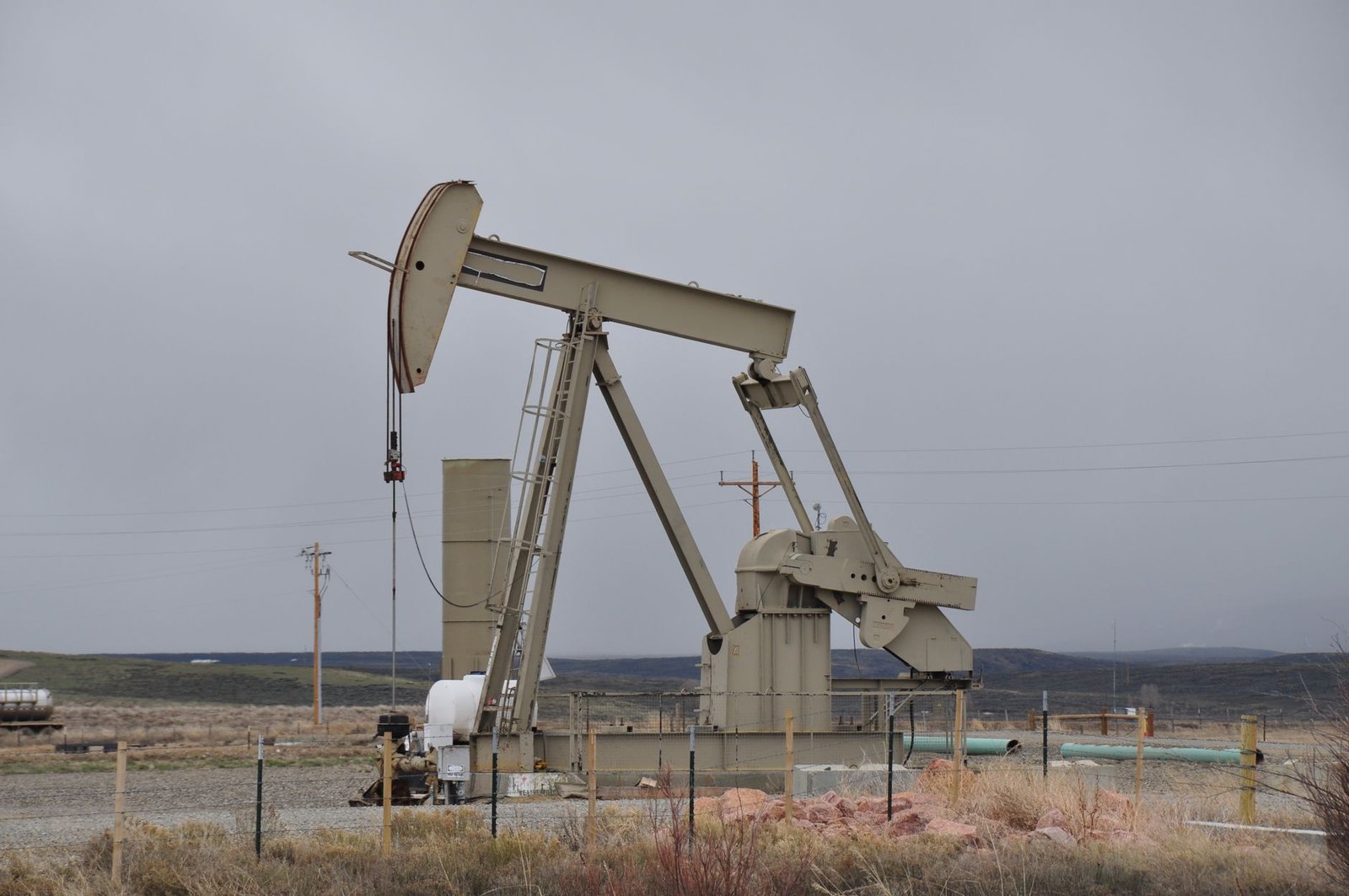
Historically, many state permanent funds operated on traditional ‘income-only’ spending rules, distributing strictly the annual interest coupons and corporate dividends generated by fund holdings. While simple, this framework created dangerous fiscal distortions: it forced investment managers to concentrate portfolios in low-yielding fixed-income bonds to maximize immediate cash distributions, leaving the fund’s capital vulnerable to inflation erosion, while subjecting state budgets to erratic year-to-year distribution swings.
State legislatures have universally modernized spending frameworks by adopting Percent-of-Market-Value (POMV) spending models, the identical governance framework utilized by premier university endowments. Under POMV, the state distributes a predictable, stable percentage—typically 4.5 to 5.0 percent—of the fund’s five-year rolling average asset valuation annually.
The POMV model delivers two profound fiscal benefits: it provides completely stable, predictable revenue distributions for rural highway maintenance and school construction that do not fluctuate with short-term commodity price swings, while allowing professional investment trustees to invest for long-term total return, incorporating global equities, infrastructure debt, and real estate assets that outpace inflation.
Dedicated Rural Infrastructure Revolvers and Water Banking Grants
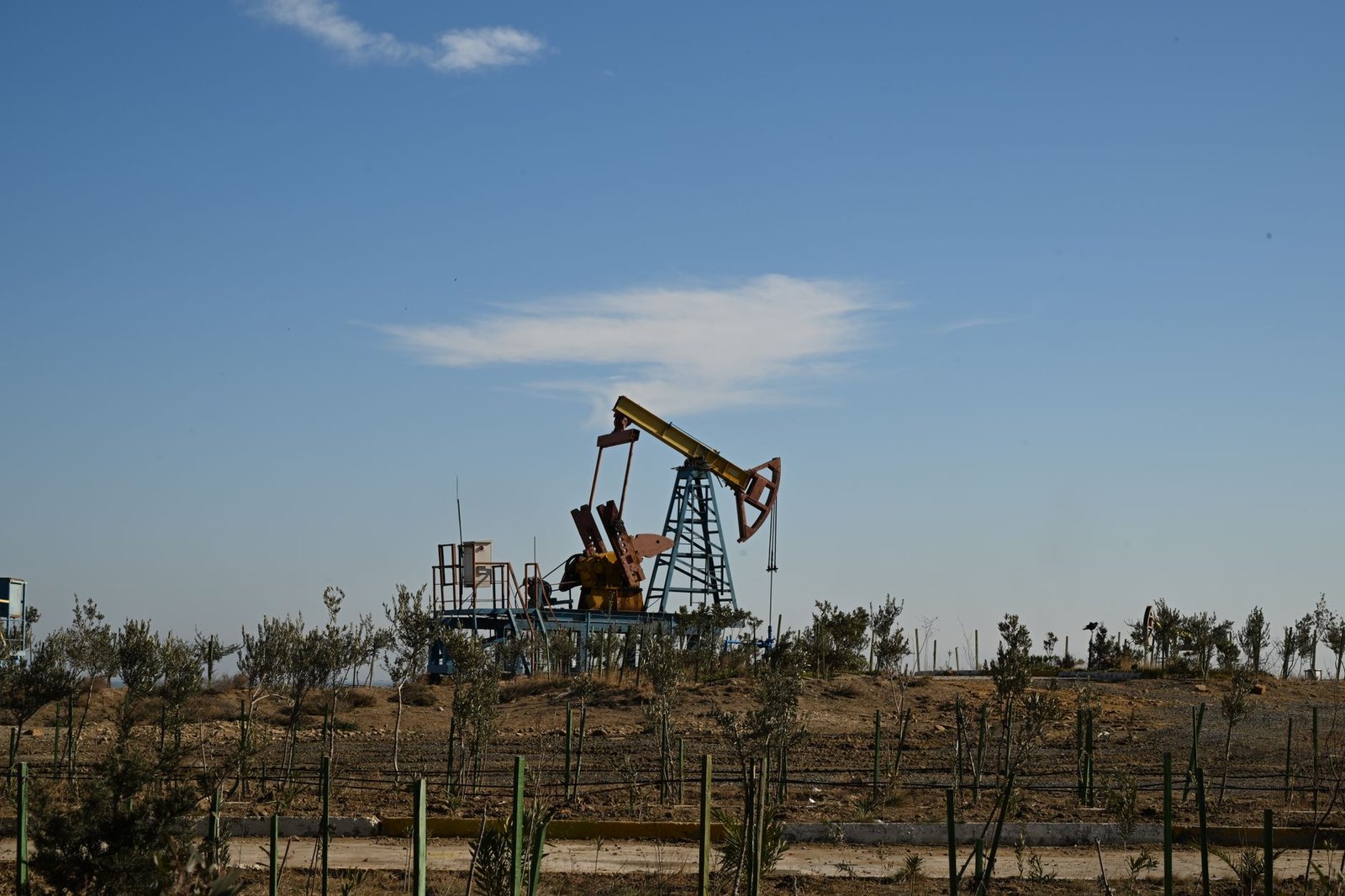
The annual earnings distributions generated by permanent mineral trust funds serve as the lifeblood of rural community infrastructure across the American West. State statutes allocate hundreds of millions of dollars annually from fund earnings directly into targeted revolving loan pools and matching grant accounts administered by state water development boards and transportation commissions.
Rural boomtown municipalities that experience severe wear-and-tear on local water treatment plants, county roads, and emergency medical facilities from intensive energy extraction traffic receive priority infrastructure funding. Furthermore, earnings subsidize zero-interest loans for rural broadband fiber trenching, regional agricultural irrigation canal modernizations, and public school classroom construction.
State legislative budget analysts emphasize that permanent mineral funds have transformed volatile resource extraction booms into permanent, perpetual public wealth, shielding citizens from personal state income taxes while funding world-class public infrastructure.
Official Public Records and Statutory Citations
The documentary evidence and administrative filings referenced in this investigation are indexed under the following public record dockets:
- Wyoming Constitution, Article 15, Section 19 (Permanent Wyoming Mineral Trust Fund).
- New Mexico Constitution, Article VIII, Section 10 (Severance Tax Permanent Fund).
- North Dakota Constitution, Article X, Section 26 (The Legacy Fund).
- Uniform Law Commission, Uniform Prudent Management of Institutional Funds Act (UPMIFA).
Independent Oversight Outlook
The disciplined stewardship of permanent mineral trust funds represents an extraordinary triumph of farsighted state fiscal policy. Through modernized POMV spending formulas and disciplined asset governance across 2026 and 2027, western sovereign endowments will permanently finance rural infrastructure and educational opportunity for generations of Americans.
Spotted an error? Read our corrections policy and let us know.

Keep reading

Anaerobic Digestion and Biological Nutrient Removal Mandated for Regional Dairy Processing Wastewater
Variable-Speed Electric Drive Motor Retrofits Electrify Interstate Pipeline Compressor Stations

Unit-Train 110-Car Rapid-Loadout Loops Expand Across Midwestern Corn Belt Rail Terminals