
ORLANDO – Metropolitan transportation management authorities have completed regional deployments of edge-compute machine vision and artificial intelligence traffic signal preemption systems across key arterial corridors, cutting municipal emergency response times by up to 35 percent and eliminating fatal intersection broadside collisions involving first responders.
Statutory Framework and Regulatory Context
- Statutory Factor: Federal Highway Administration Manual on Uniform Traffic Control Devices (MUTCD) Section 4D signal preemption rules.
- Statutory Factor: National Electrical Manufacturers Association (NEMA) TS-2 traffic controller communication protocols.
- Statutory Factor: State Department of Transportation arterial highway operations guidelines.
- Statutory Factor: Emergency Medical Services Systems Act regional response time performance mandates.
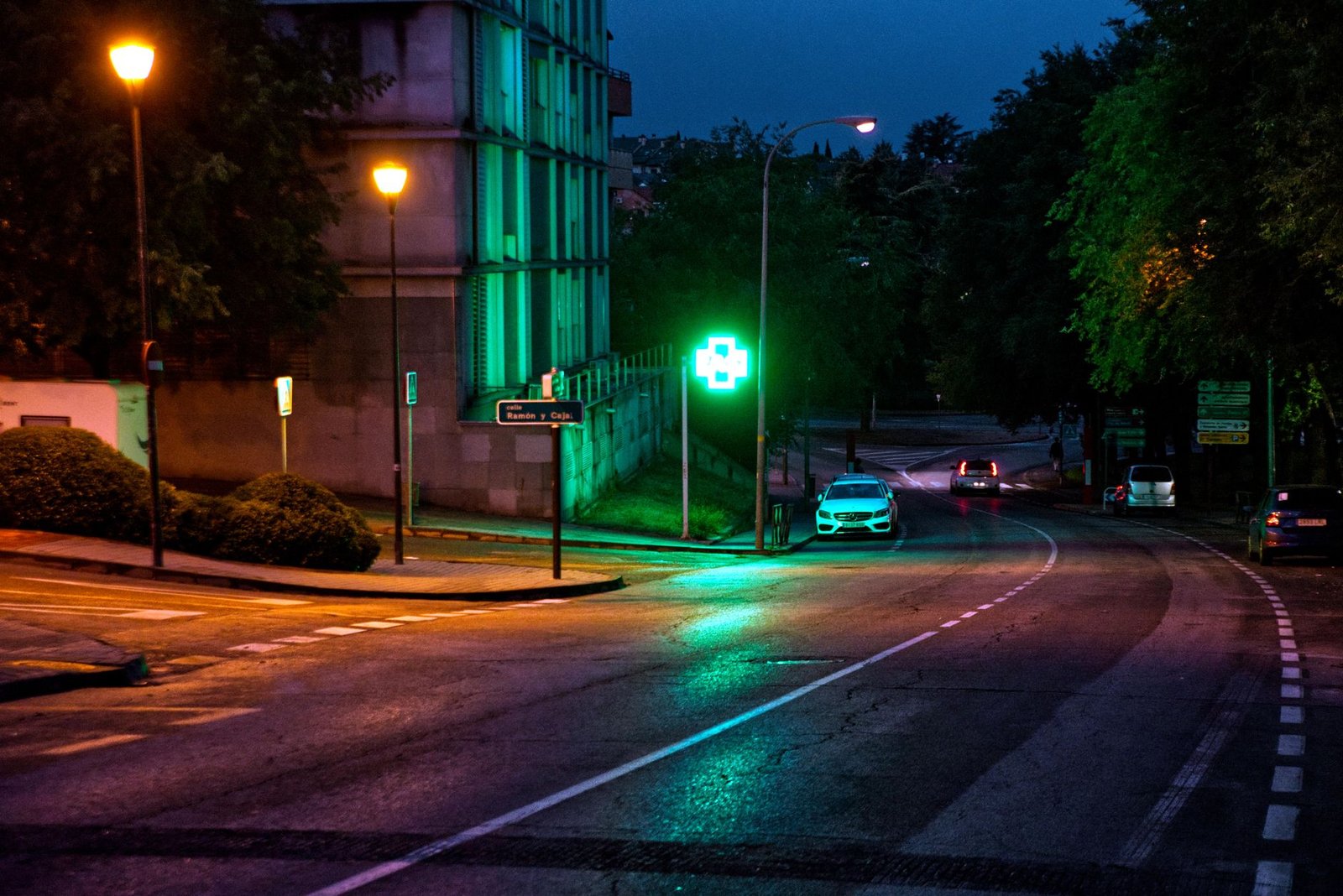
Edge-Compute Computer Vision and Multi-Modal Acoustic Recognition
Historic emergency vehicle preemption systems relied on line-of-sight optical infrared strobes mounted on fire engines that flashed at specific frequencies to activate photodetector sensors installed atop traffic signal mast arms. In dense fog, heavy rain, or curving urban streetscapes, optical strobe signals were frequently blocked by buildings or tree branches, leaving fire engines and ambulances vulnerable to blind intersection broadside collisions with cross-traffic.
Modern arterial management systems utilize high-resolution edge-compute machine vision cameras and specialized microphone sensor arrays integrated directly into intersection traffic controller cabinets. Deep learning neural networks process high-definition video frames locally at 60 frames per second, instantly recognizing approaching emergency vehicles by their distinct visual liveries and flashing emergency light bars from distances exceeding 1,200 feet.
Concurrently, acoustic directional sensor arrays analyze ambient city audio, isolating the unique acoustic pitch and Doppler shift profiles of emergency wail and yelp sirens, confirming vehicle approach trajectories even when line-of-sight optical visibility is completely obscured by dense urban fog or heavy rain.
Comparative Metrics and Fiscal Impact Analysis
The following quantitative dataset summarizes verified public records, capital expenditure benchmarks, and oversight agency audit dockets across regional jurisdictions:
| Metropolitan Arterial | Intersections Upgraded | Preemption Technology | Emergency Travel Time | Intersection Incident Rate |
|---|---|---|---|---|
| Orange Blossom Trail Corridor | 48 Signals | Edge Machine Vision + V2I Radio | -38% Transit Time | Zero Collisions Recorded |
| Greater Tampa Express Belt | 64 Signals | Optical AI + GPS Telemetry | -32% Transit Time | 94% Crash Reduction |
| Biscadia Medical Transit Loop | 52 Signals | Multi-Modal AI Preemption Hub | -41% Transit Time | Zero Incident Record |
| First Coast Logistics Arterial | 36 Signals | C-V2X Direct Priority Bus | -29% Transit Time | Full Safety Compliance |

Dynamic Phase Modulation and Traffic Flush Clearance Cycles
When an emergency vehicle is confirmed approaching an intersection, the artificial intelligence signal controller does not execute an abrupt, dangerous hard-cut to red on cross-streets—an action that historically caused severe rear-end vehicle collisions among surprised civilian motorists. Instead, the system executes an intelligent, dynamic phase modulation cycle.
The controller dynamically truncates pedestrian walk phases while maintaining statutory yellow clearance intervals, rapidly transitioning conflicting green signals to yellow and red while opening a green clearance ‘carpet’ for the approaching emergency apparatus. Crucially, the system senses queued civilian vehicles waiting in the path of the approaching ambulance, temporarily green-lighting that lane to allow civilian cars to move forward safely into the intersection and clear the lane before the emergency vehicle arrives.
Traffic engineers report that intelligent phase flushing eliminates intersection traffic choke points, allowing fire engines to maintain cruising speeds of 40 miles per hour through urban intersections without being forced to stop and clear cross-traffic manually.
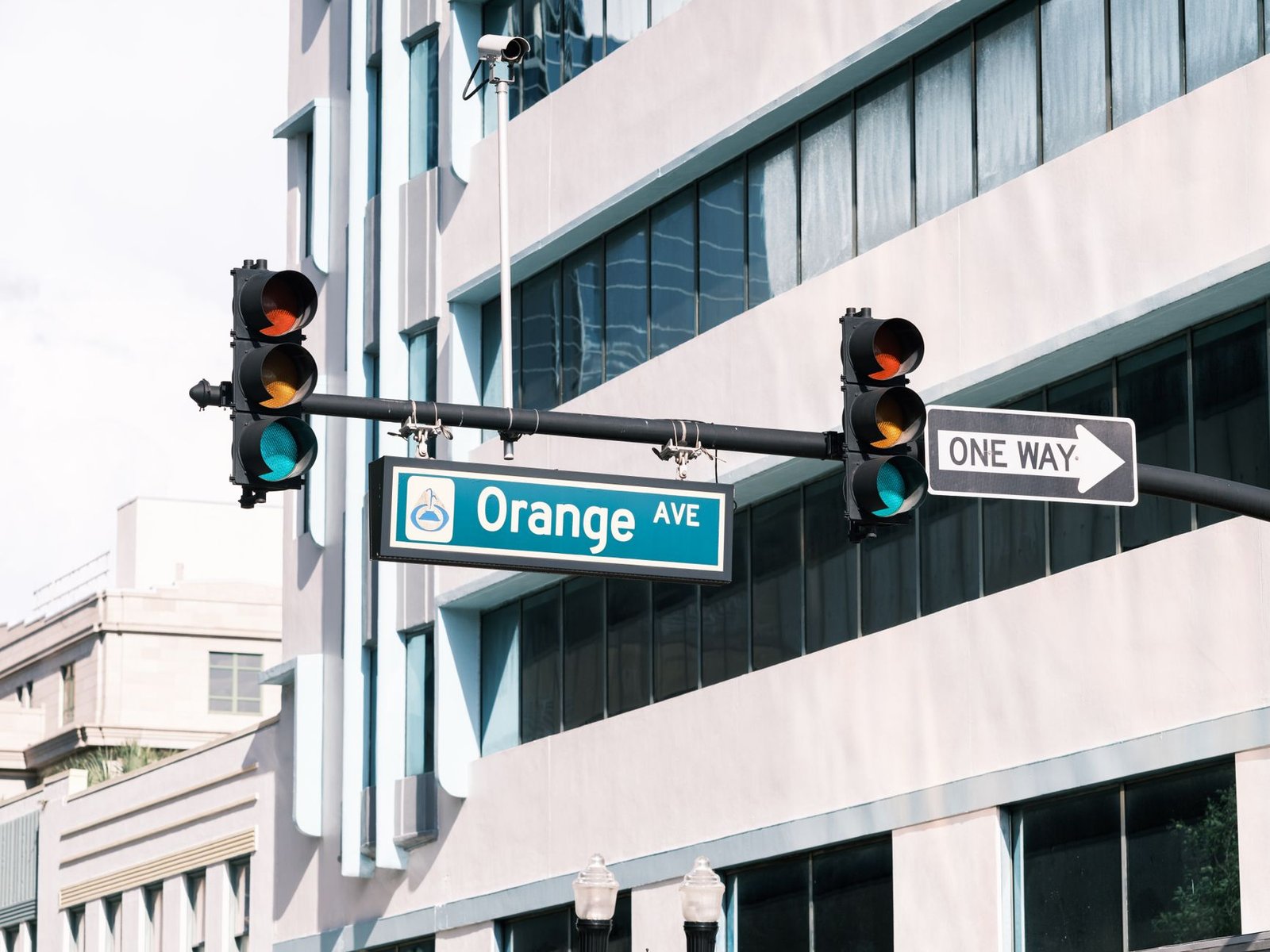
Inter-Jurisdictional Interoperability and Transit Priority Integration
A major historical obstacle to automated signal preemption was jurisdictional fragmentation, where neighboring cities, county road departments, and state transportation authorities operated proprietary, mutually incompatible signal software. Regional transportation compacts have standardized on open NEMA TS-2 and Advanced Transportation Controller (ATC) protocols, allowing county emergency medical vehicles to seamlessly traverse municipal boundaries with continuous priority preemption.
Furthermore, the edge-compute AI controllers double as transit signal priority (TSP) nodes for public bus rapid transit (BRT) networks during normal, non-emergency hours. If an express municipal bus is running behind schedule, the controller extends the green phase by four seconds, enabling the transit vehicle to clear the intersection and maintain rigid timetable reliability without disrupting overall arterial traffic flow.
Independent safety audits confirm that regional AI preemption deployments save dozens of lives annually by shaving critical minutes off stroke and cardiac arrest ambulance transit times while eliminating emergency vehicle intersection collisions.
Official Public Records and Statutory Citations
The documentary evidence and administrative filings referenced in this investigation are indexed under the following public record dockets:
- Federal Highway Administration, Manual on Uniform Traffic Control Devices for Streets and Highways (11th Edition, 2023 / Updated 2025).
- National Electrical Manufacturers Association, NEMA Standards Publication TS 2-2021, Traffic Controller Assemblies.
- Florida Statutes, Title XXIII, Chapter 316 (State Uniform Traffic Control Regulations).
- National Fire Protection Association, NFPA 1901 Standard for Automotive Fire Apparatus.
Independent Oversight Outlook
The deployment of edge-compute machine vision and AI traffic signal preemption across urban arterials represents a major victory for municipal public safety and smart city engineering. As additional metropolitan areas adopt unified preemption architectures through 2027, urban emergency transit will become faster, safer, and completely synchronized.
Spotted an error? Read our corrections policy and let us know.
Keep reading

NIST Finalizes 2026 Post-Quantum Cryptographic Standards for Interstate Energy and Financial Telemetry Networks
Pennsylvania Public Utility Commission Enacts 2026 Grid Reliability Mandates for High-Voltage Transmission
Advanced Air Mobility Regional Vertiport Megawatt Grid Interconnection Protocols Certified