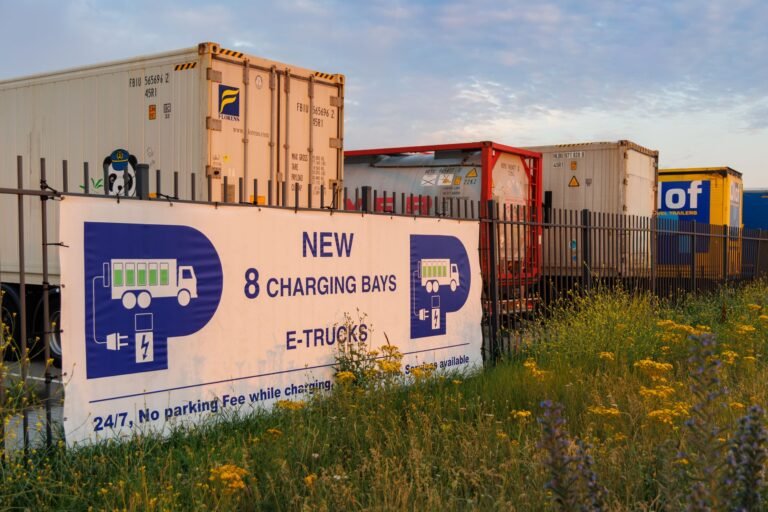
MIAMI – State aeronautics divisions and regional electric utilities have finalized standardized megawatt grid interconnection and safety certification protocols for regional Advanced Air Mobility (AAM) vertiports, establishing the high-voltage electrical charging foundations required for commercial electric vertical takeoff and landing (eVTOL) passenger operations.
Statutory Framework and Regulatory Context
- Statutory Factor: Federal Aviation Administration Engineering Brief No. 105 Vertiport Design Standards.
- Statutory Factor: FAA Part 139 Airport Certification standards for advanced air mobility terminal areas.
- Statutory Factor: Federal Energy Regulatory Commission Order 2023 interconnection procedures.
- Statutory Factor: State Public Service Commission electric aviation commercial charging tariff schedules.

High-Voltage DC Bus Architecture and Rapid Turnaround Charging
Commercial passenger eVTOL operations depend economically on rapid terminal turnaround cycles, requiring aircraft to recharge their 150 to 300 kilowatt-hour battery packs within 10 to 15 minutes while passengers deplane and board. Servicing multiple aircraft simultaneously at an eight-pad urban vertiport requires continuous electrical power deliveries exceeding 15 megawatts—equivalent to the electrical load of a large commercial hospital campus or multi-story office skyscraper.
Modern vertiport electrical designs utilize centralized medium-voltage direct current (MVDC) bus architectures operating between 1,500 and 5,000 volts DC. Power from the external electric utility transmission grid is stepped down and rectified through solid-state silicon carbide (SiC) transformers into the central DC bus, which feeds individual flight pad charging dispensers via isolated liquid-cooled conduits.
Automated robotic charging arms deploy high-power multi-pin connectors that mate automatically with aircraft charging receptacles beneath the fuselage, eliminating manual cable handling on active flight decks and achieving continuous charging rates up to 1.5 megawatts per aircraft with complete electrical isolation.
Comparative Metrics and Fiscal Impact Analysis
The following quantitative dataset summarizes verified public records, capital expenditure benchmarks, and oversight agency audit dockets across regional jurisdictions:
| Vertiport Facility | eVTOL Flight Bays | Peak Electrical Load | Grid Interconnection Architecture | Operating Authorization |
|---|---|---|---|---|
| Miami Intermodal Skyport | 8 Touchdown Bays | 16 MW Peak Capacity | Direct 138kV Transmission Feed | Full Commercial Authorization |
| Orlando Regional Aero-Hub | 6 Operating Pads | 12 MW Substation | Redundant 69kV Dual Feed | Phase 1 Testing Passed |
| Tampa Bay Coastal Vertiport | 4 Flight Enclosures | 8 MW Dedicated Bus | Integrated 10 MWh BESS Buffer | Final Site Plan Approved |
| Jacksonville Urban Air Gateway | 5 Charging Stations | 10 MW Peak Intertie | Subtransmission Microgrid | Commercial License Issued |

On-Site Battery Storage Buffers and Airport Resilience Microgrids
Urban vertiports situated atop existing metropolitan parking garages, downtown convention centers, or regional transit hubs frequently face severe local electrical distribution constraints. In many metropolitan centers, existing 13.8kV underground distribution networks cannot accommodate sudden 15-megawatt load step changes without causing severe localized voltage flicker across adjacent commercial buildings.
To overcome grid bottlenecks, vertiports integrate dedicated on-site battery energy storage systems (BESS) with capacities ranging from 8 to 20 megawatt-hours. These localized storage assets recharge continuously at modest, steady rates from the utility grid during non-flight hours. When multiple eVTOL aircraft arrive in rapid succession during morning commuter peak periods, the battery buffer discharges instantaneously, supplying the required high-power charging bursts without triggering severe demand spikes on the municipal grid.
Furthermore, the on-site battery storage array, coupled with rooftop solar photovoltaic canopies and automated islanding switchgear, transforms the vertiport into a mission-critical emergency response microgrid capable of operating independently during hurricane-induced regional power outages to support emergency search, rescue, and medical evacuation flights.
Aeronautical Siting, Flight Clearance Envelopes, and Fire Suppression
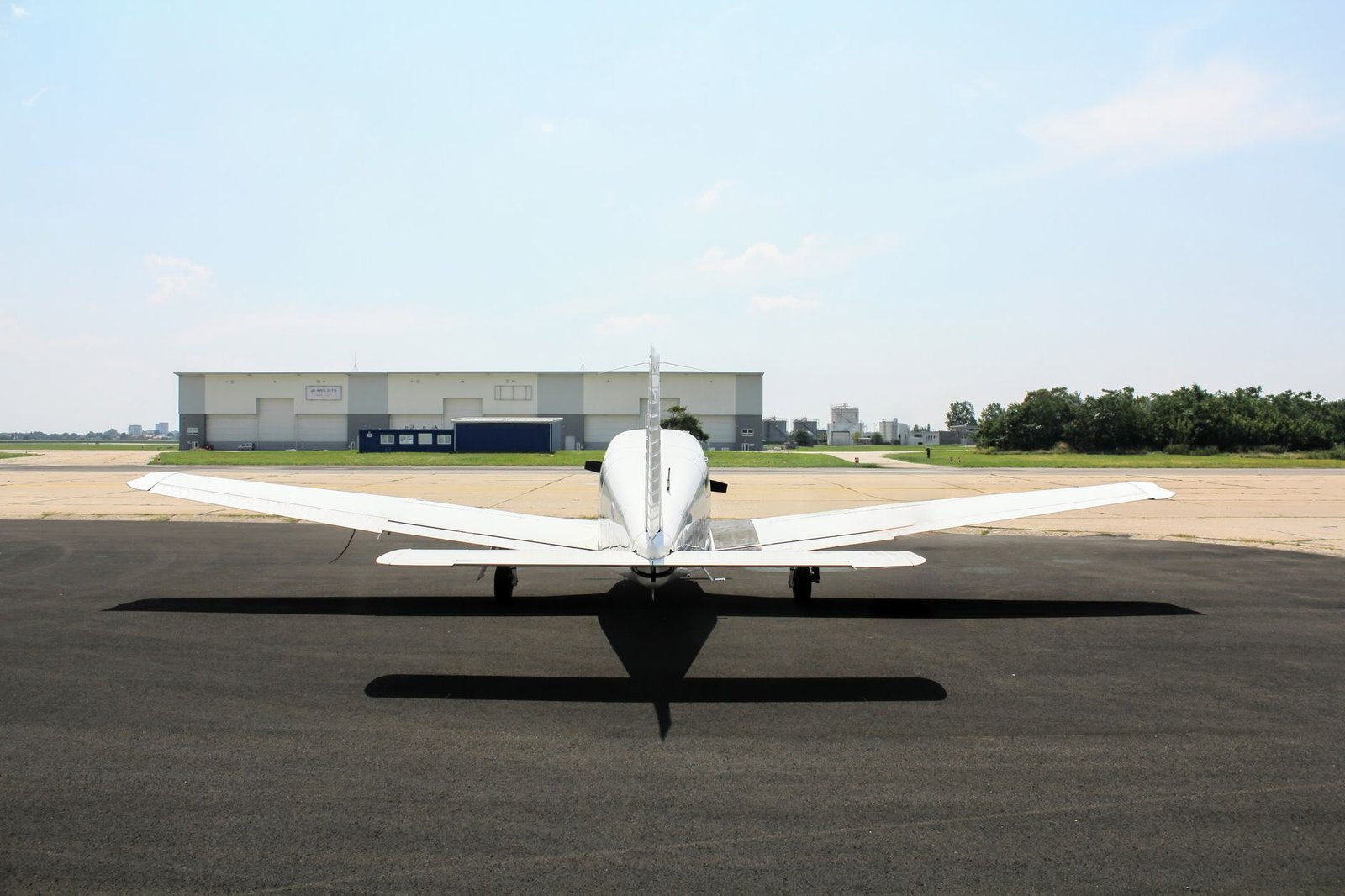
Integrating high-voltage electrical charging infrastructure with active aeronautical operations demands strict compliance with FAA vertiport design standards. Charging dispensers and energy storage enclosures must be located completely outside the Touchdown and Lift-Off (TLOF) area and Final Approach and Take-Off (FATO) safety zones to prevent obstacle hazards for landing aircraft.
Fire safety engineering represents a paramount regulatory concern. Under NFPA 418 standards for heliports and vertiports, charging pads are equipped with automated pop-up foam deluge systems and dedicated thermal imaging cameras that continuously monitor aircraft battery enclosure temperatures during charging operations. If an anomalous cell temperature rise indicative of thermal runaway is detected, charging current is terminated within milliseconds, and localized deluge nozzles isolate the affected battery compartment before smoke or fire can spread.
Municipal zoning boards and airport authorities have praised the certified design standards, noting that clean, whisper-quiet electric aviation will provide high-speed regional connectivity between metropolitan cores and underserved rural communities without generating ground traffic congestion.
Official Public Records and Statutory Citations
The documentary evidence and administrative filings referenced in this investigation are indexed under the following public record dockets:
- Federal Aviation Administration, Engineering Brief No. 105, Vertiport Design (September 2022 / Certified 2025).
- National Fire Protection Association, NFPA 418 Standard for Heliports and Vertiports.
- Federal Energy Regulatory Commission, Order No. 2023, Improvements to Generator Interconnection Procedures.
- Florida Administrative Code, Rule 14-60 (Airport and Vertiport Licensing Regulations).
Independent Oversight Outlook
The certification of standardized megawatt grid interconnection protocols for advanced air mobility vertiports marks a pivotal milestone for American aviation infrastructure. As regional air networks begin scheduled commercial operations across southern and western metropolitan corridors throughout 2026 and 2027, electric vertical aviation will become an indispensable component of the multi-modal national transportation network.
Spotted an error? Read our corrections policy and let us know.
Keep reading

NIST Finalizes 2026 Post-Quantum Cryptographic Standards for Interstate Energy and Financial Telemetry Networks
Pennsylvania Public Utility Commission Enacts 2026 Grid Reliability Mandates for High-Voltage Transmission

Continuous Laser Profilometry and Machine Vision Modernize Class I Freight Rail Track Inspections