
OMAHA – Transcontinental railroad operators and state broadband offices have finalized joint infrastructure agreements to construct thousands of miles of ultra-low-latency dark fiber optic conduits along active Class I freight rail rights-of-way, creating essential high-capacity middle-mile digital corridors linking underserved rural hubs to metropolitan internet exchange points.
Statutory Framework and Regulatory Context
- Statutory Factor: National Telecommunications and Information Administration Enabling Middle Mile Broadband Infrastructure Program guidelines.
- Statutory Factor: Surface Transportation Board utility easement and rail corridor shared-use authorities (49 U.S.C. 10901).
- Statutory Factor: Federal Railroad Administration safety clearances for telecommunication fiber trenching along active mainlines.
- Statutory Factor: State Department of Transportation joint utility trenching coordination agreements.

Heavy-Duty Cable Placement and Dynamic Track Vibration Dampening
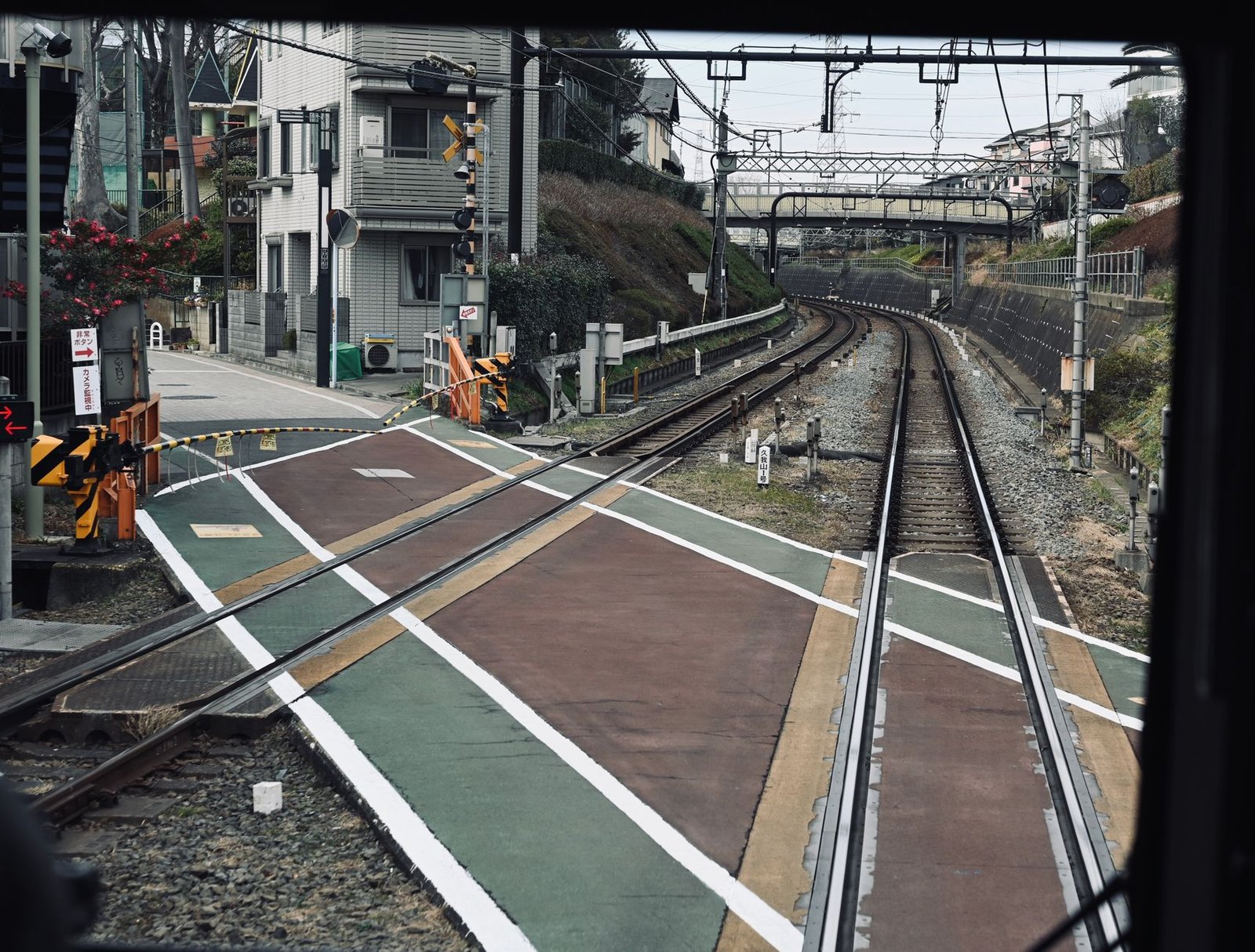
Installing high-count optical fiber conduits adjacent to active freight rail tracks demands specialized engineering to withstand the immense mechanical vibrations and cyclic soil displacement generated by 15,000-ton unit trains. Engineering guidelines mandate that conduits be buried at depths of no less than five feet beneath the sub-ballast horizon, utilizing high-density polyethylene smooth-wall SDR-11 ducting encased in vibration-dampening crushed aggregate.
Specialized rail-bound plowing consists of high-horsepower track maintenance machinery deploying continuous vibratory plows that lay multi-duct conduits without disturbing the structural integrity of the ballast shoulder. In areas with high water tables or rocky ledge cuts, armored steel-tape corrugated jackets protect the internal glass fibers from rodent gnawing and mechanical crushing pressures exceeding 2,000 pounds per square linear foot.
Splice vaults and inline optical amplification shelters are positioned at approximately 50-mile intervals outside the railroad’s dynamic clearance envelope, featuring redundant climate control, dual diesel-electric backup generation, and biometric physical security access controls.
Comparative Metrics and Fiscal Impact Analysis
The following quantitative dataset summarizes verified public records, capital expenditure benchmarks, and oversight agency audit dockets across regional jurisdictions:
| Rail Corridor Segment | Conduit Length | Fiber Count & Type | Federal Grant Allocation | Railroad Infrastructure Partner |
|---|---|---|---|---|
| Platte River Rail Route | 680 Miles | 432-Strand Ultra-Low Loss G.654.E | $48.5 Million | Union Pacific Right-of-Way |
| Santa Fe Southwest Link | 820 Miles | 864-Strand Ribbon SMF | $62.0 Million | BNSF Northern Corridor |
| Allegheny Mountain Pass | 340 Miles | 288-Strand Armored Conduit | $29.4 Million | Norfolk Southern Mainline |
| Cascadia Coastline Line | 410 Miles | 432-Strand Sub-Ballast Fiber | $35.2 Million | BNSF Coastal Route |

Interconnection with Rural Municipal and Tribal Last-Mile Networks
The primary statutory objective of middle-mile federal investments is to eliminate exorbitant transit pricing charged to rural internet service providers and tribal broadband utilities. Historic middle-mile pricing often exceeded $15 per megabit per second per month in rural counties, compared to under $0.50 in major peering cities. Under federal grant covenants, rail corridor dark fiber operators must provide open-access, non-discriminatory interconnection points at every municipal crossing.
State broadband development authorities report that local electric cooperatives and municipal utilities are building lateral fiber spurs directly to these rail splice points. By tapping into high-count backbone lines, local providers can deliver symmetrical gigabit broadband to rural hospitals, consolidated public school districts, and precision agricultural operations without bearing the prohibitive cost of building independent long-haul transit networks.
Economic impact analyses demonstrate that every dollar invested in rail-corridor middle-mile infrastructure generates approximately $4.20 in regional private sector productivity gains over a ten-year operational horizon.
Regulatory Oversight and Railroad Carrier Common Carrier Obligations
The legal framework governing telecommunications deployment within railroad property requires balancing Surface Transportation Board rail preservation mandates with federal open broadband directives. Class I rail carriers historically maintained proprietary telegraph and signal cables along track corridors; modern agreements establish separate commercial telecommunications subsidiaries to lease surplus right-of-way capacity without encumbering train dispatch operations.
State public service commissions actively monitor wholesale lease agreements to ensure private consortiums do not engage in discriminatory bandwidth throttling or exclusionary access pricing. Independent auditors review tariff filings annually, verifying that wholesale transport capacity remains accessible to all certified competitive local exchange carriers on identical commercial terms.
Environmental compliance documentation filed under the National Environmental Policy Act highlights that utilizing existing disturbed railroad right-of-way corridors eliminates the need to condemn private agricultural land or clear virgin timberland, minimizing ecological disruption.
Official Public Records and Statutory Citations
The documentary evidence and administrative filings referenced in this investigation are indexed under the following public record dockets:
- National Telecommunications and Information Administration, Notice of Funding Opportunity (Middle Mile Grant Program), CFDA No. 11.033.
- Surface Transportation Board, 49 CFR Part 1150 (Certificate of Rail Lines and Rights-of-Way).
- Federal Railroad Administration, Track Safety Standards, 49 CFR Part 213 (Subgrade and Ballast Stability).
- United States Code, Title 47, Section 224 (Pole Attachments and Utility Right-of-Way Regulations).
Independent Oversight Outlook
The construction of open-access middle-mile fiber optic backbones along transcontinental freight corridors is fundamentally altering American telecommunications geography. As lateral connections proliferate throughout 2026 and 2027, the historical bandwidth and latency disparities separating rural communities from urban economic centers will be permanently closed.
Spotted an error? Read our corrections policy and let us know.

Keep reading

NIST Finalizes 2026 Post-Quantum Cryptographic Standards for Interstate Energy and Financial Telemetry Networks
Pennsylvania Public Utility Commission Enacts 2026 Grid Reliability Mandates for High-Voltage Transmission

Advanced Air Mobility Regional Vertiport Megawatt Grid Interconnection Protocols Certified