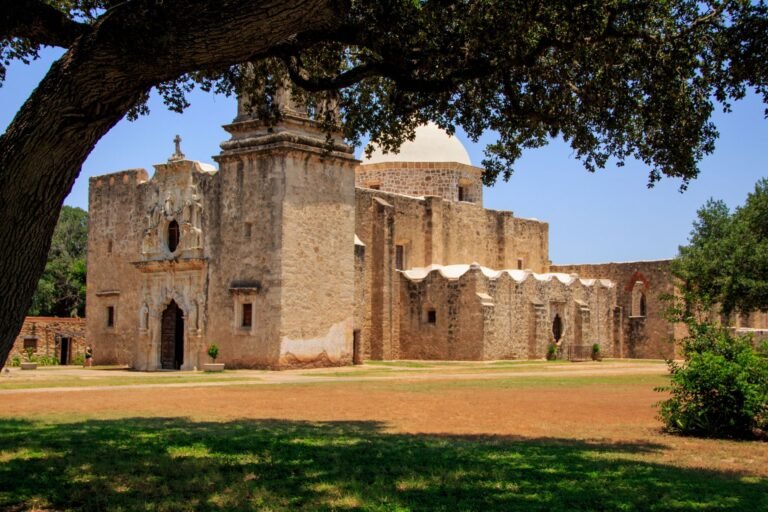
ASHEVILLE – State arts councils and regional economic development alliances across the Southern Appalachian highlands have enacted formal Artisan Heritage District designations and statutory guild protections, safeguarding traditional hand-hewn timber framing, coverlet weaving, and green-wood chairmaking from mass-produced commercial imitation.
Statutory Framework and Regulatory Context
- Statutory Factor: National Endowment for the Arts (NEA) Folk and Traditional Arts heritage infrastructure grants.
- Statutory Factor: Appalachian Regional Commission (ARC) Area Development Program cultural economy initiatives.
- Statutory Factor: State Department of Cultural Resources authentic regional artisan certification trademarks.
- Statutory Factor: Secretary of the Interior’s Standards for the Treatment of Historic Properties (Historic Craft Studios).
The Cultural Isolation and Survival of Pioneer Mountain Crafts
The mountainous topography of the Southern Appalachian chain—spanning Western North Carolina, East Tennessee, Southwest Virginia, and Kentucky—historically isolated mountain settlements from coastal commercial markets for over a century following late 18th-century pioneer settlement. Deprived of imported manufactured goods, mountain families developed extraordinary traditions of self-sufficiency, crafting every household implement from local forest resources.
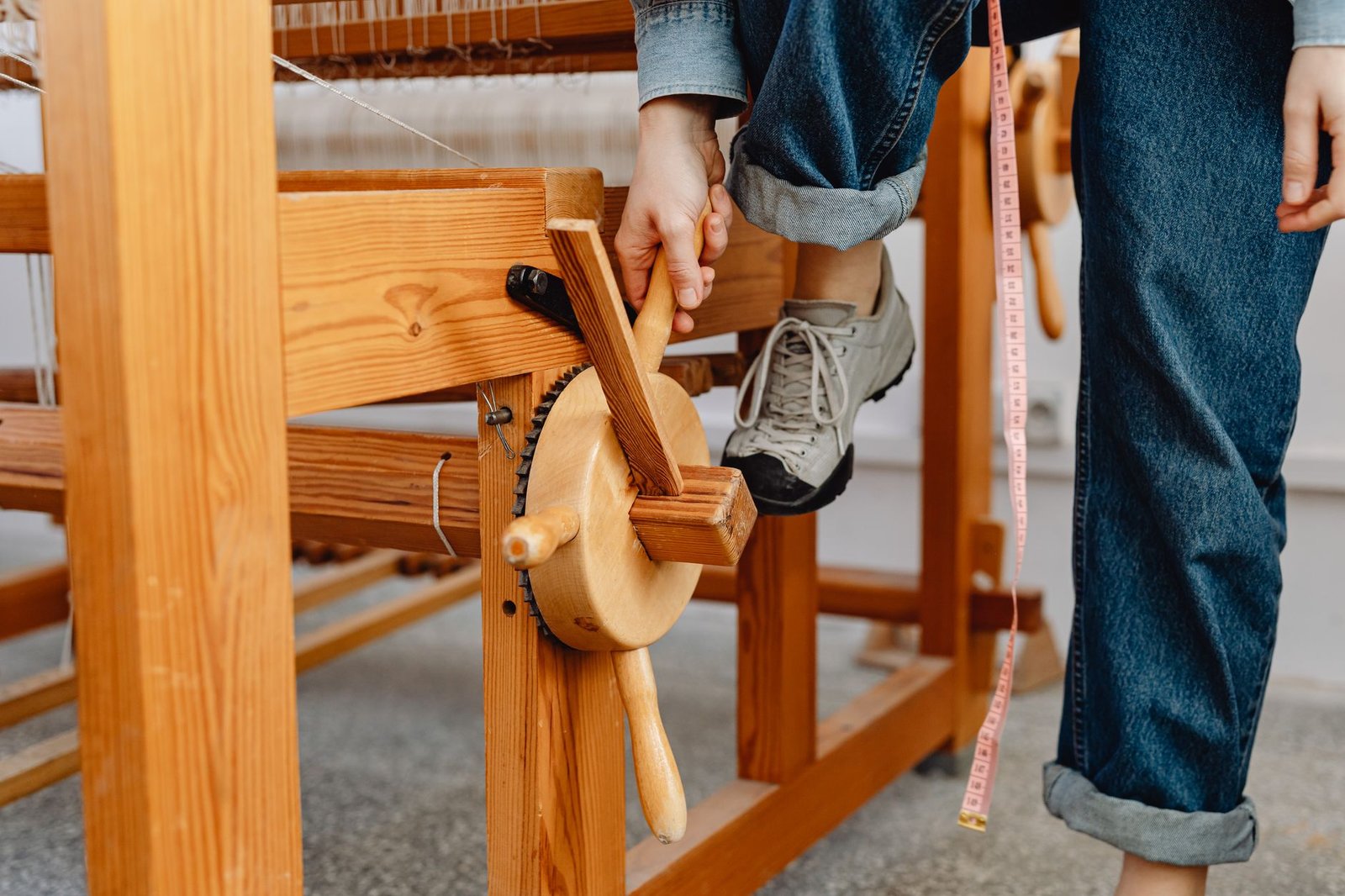
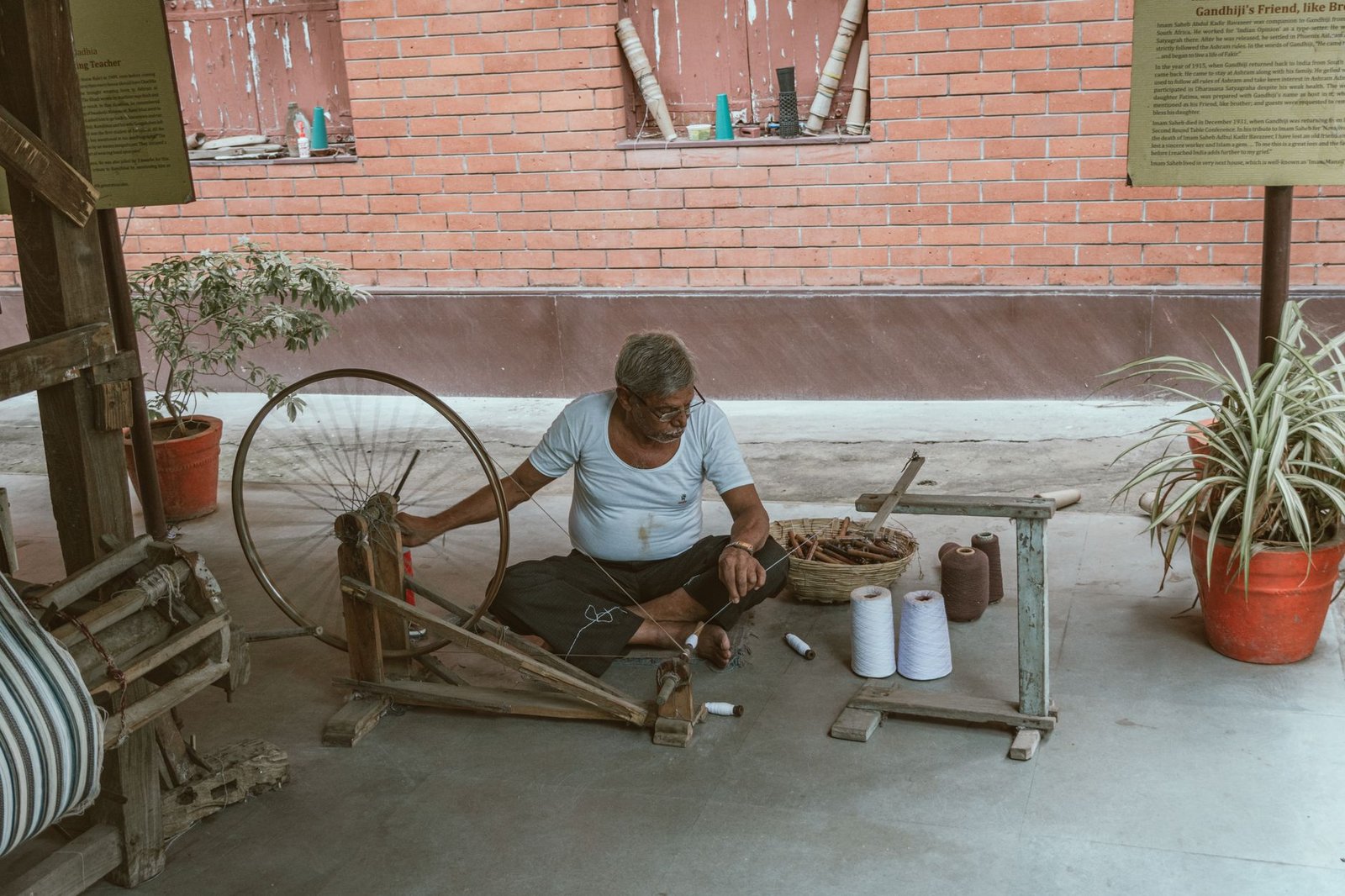
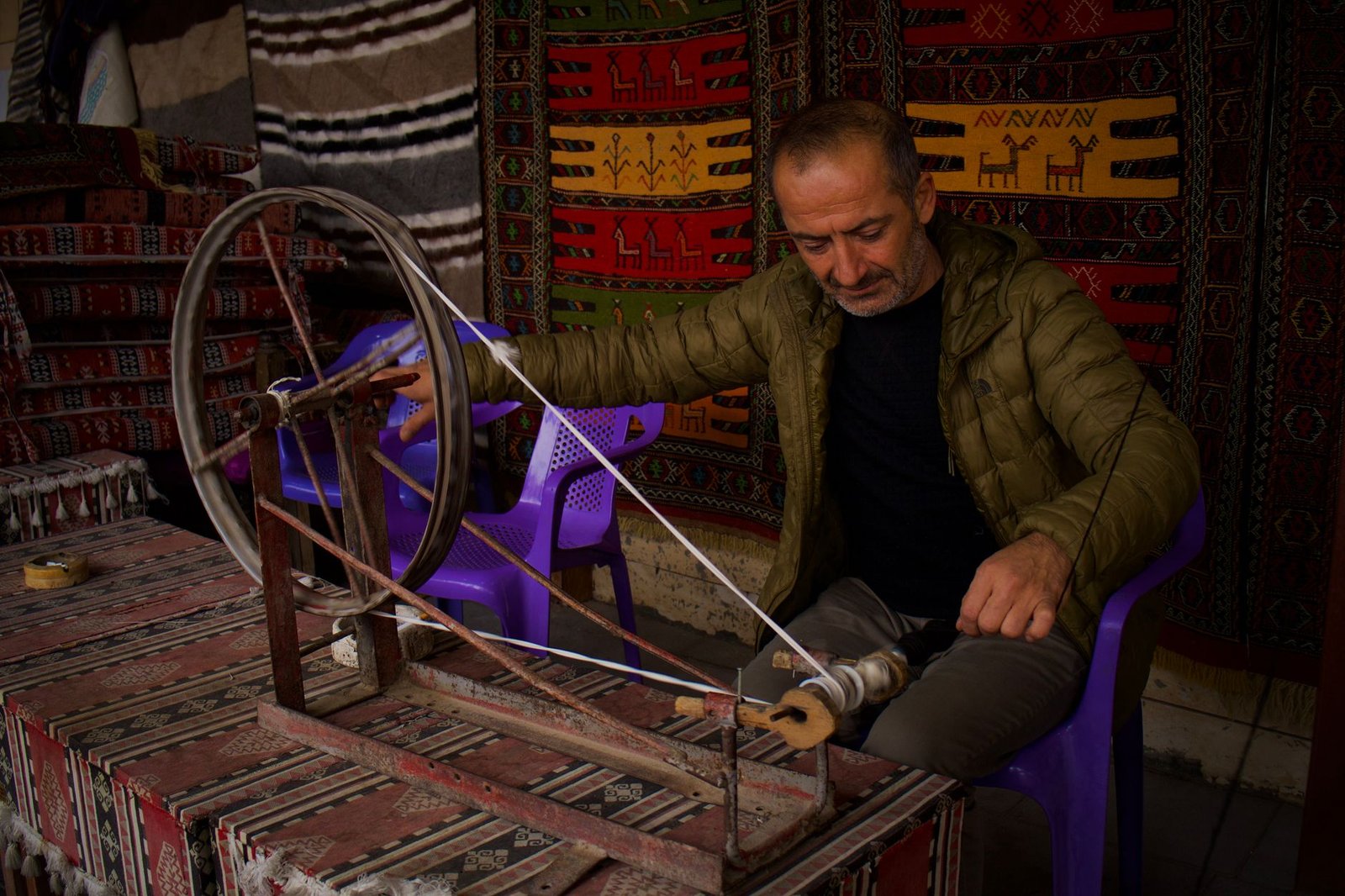
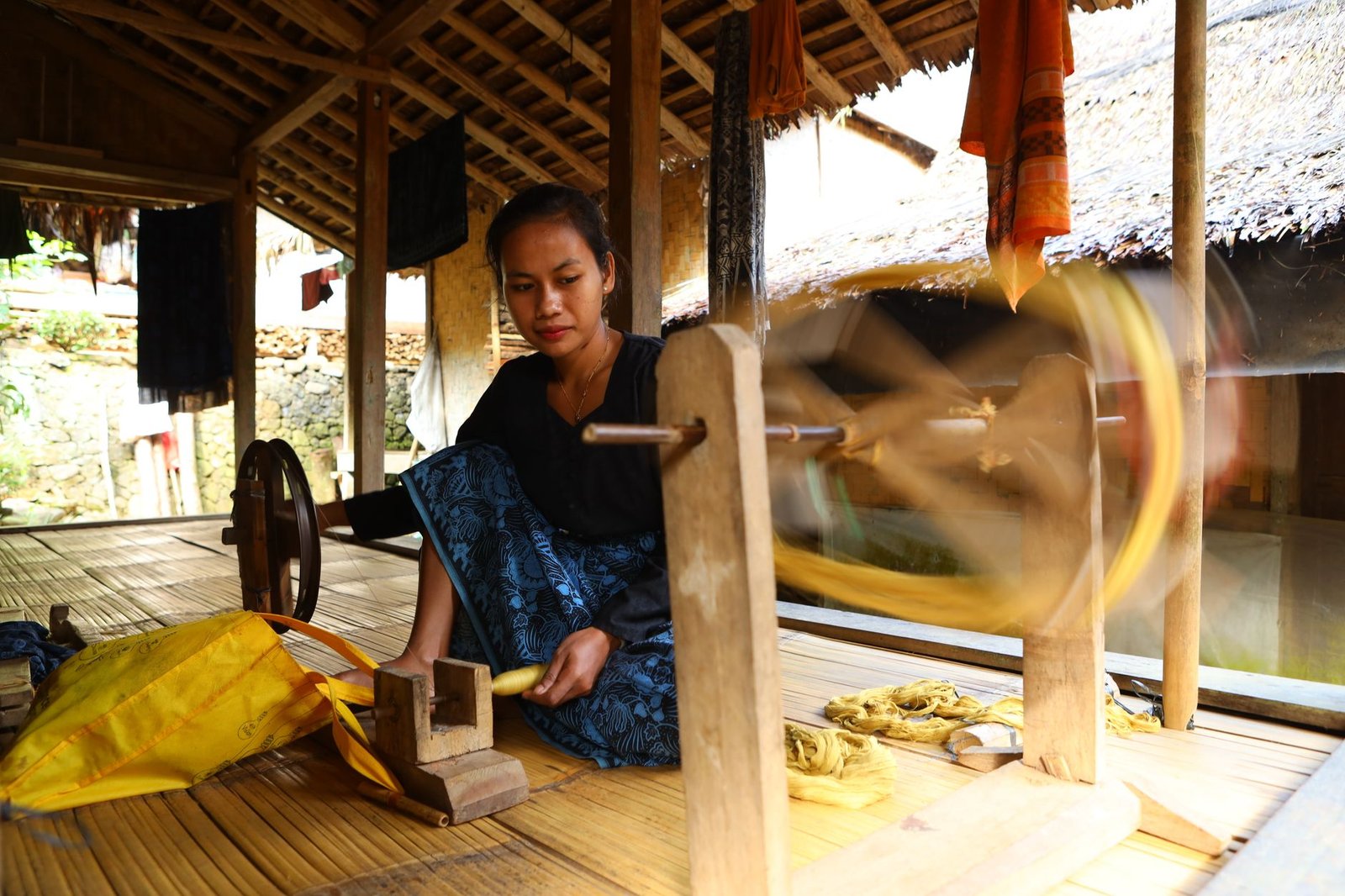
Men mastered the art of hand-hewing logs with broadaxes, splitting cedar roof shakes with froes and wooden mallets, and building durable post-and-rung ladderback chairs using ‘green-wood’ joinery techniques that required zero metal nails or commercial glues. Women cultivated flax, sheared mountain sheep, and spun wool on traditional great wheels, weaving intricate geometric coverlets on four-harness timber floor looms utilizing natural plant dyes extracted from black walnut hulls, madder root, and indigo.
During the early 20th century, visionary settlement school founders and craft revivalists recognized the profound cultural value of these mountain traditions, organizing regional cooperatives like the Southern Highland Craft Guild to market authentic mountain handicrafts directly to national audiences.
Comparative Metrics and Fiscal Impact Analysis
The following quantitative dataset summarizes verified public records, capital expenditure benchmarks, and oversight agency audit dockets across regional jurisdictions:
| Appalachian Craft Heritage Basin | Chartered Artisan Guild | Traditional Craft Discipline | Certified Guild Members | Heritage District Protection |
|---|---|---|---|---|
| Southern Highland Craft Basin | Southern Highland Craft Guild (1930) | Green-Wood Turning & Weaving | 850 Master Craftsmen | National Historic Landmark Zone |
| Blue Ridge Mountain Craft Loop | Blue Ridge Folk Craft Alliance | Hand-Hewn Timber & Blacksmithing | 420 Traditional Guild Artisans | State Cultural Heritage Corridor |
| Cumberland Plateau Artisan Ring | Mountain Folk Craft Center | White Oak Split Basketry | 310 Traditional Craftsmen | County Heritage Preservation Order |
| Great Smoky Folk School Hub | John C. Campbell Folk School (1925) | Ironwork, Woodcarving, Pottery | 620 Active Traditional Guilds | Inviolate Historic Trust District |
Green-Wood Woodworking Science and Traditional Joinery Mechanics
The technical brilliance of traditional Appalachian green-wood chairmaking is rooted in an empirical understanding of wood cell shrinkage mechanics. A traditional mountain chairmaker harvests straight-grained white oak or hickory trees while the wood is still green and unseasoned, splitting the logs radially along the wood grain utilizing wedges and a drawknife on a wooden shaving horse.
The chairmaker turns the cylindrical rungs (stretchers) from green wood and dries them bone-dry in a woodstove drying box or over a hearth. Conversely, the vertical chair posts (legs) are carved from fresh, wet green wood with high moisture content. When the dry rungs are driven into mortise holes drilled into the wet posts, the wood fibers of the wet post shrink tightly around the dry tenon as the chair seasons over several months.
This differential moisture shrink-locking creates an unbreakable joint that grows tighter over decades of use, allowing lightweight, elegant ladderback chairs to survive over a century of continuous daily use without structural wobbling.
Authenticity Certification, Trademarks, and Cultural Economy Tourism
A major modern challenge confronting traditional Appalachian craftspeople is the proliferation of cheap, mass-produced commercial knockoffs manufactured overseas and falsely marketed as ‘authentic handmade Appalachian crafts’ in tourist souvenir shops. State legislatures have responded by passing rigorous Craft Authenticity Trademark statutes.
State arts councils administer registered certified trademarks (such as ‘Crafted with Honor in the Appalachians’), granted exclusively to independent guild artisans whose work is independently juried by master craftsmen to verify authentic hand-production within designated mountain heritage counties. Counterfeiting the official state craft trademark carries severe civil and criminal penalties.
Furthermore, designated Artisan Heritage Districts provide local property tax abatements for working craft studios and folk schools, allowing master craftspeople to teach traditional apprenticeships. Cultural tourism studies confirm that authentic artisan trails generate hundreds of millions of dollars in sustainable rural tourism revenue, proving that traditional craftsmanship remains a powerful economic engine for mountain communities.
Official Public Records and Statutory Citations
The documentary evidence and administrative filings referenced in this investigation are indexed under the following public record dockets:
- Appalachian Regional Development Act of 1965, as amended, 40 U.S.C. 14101 et seq.
- North Carolina General Statutes, Chapter 143B, Article 2 (Department of Natural and Cultural Resources).
- National Endowment for the Arts, Folk and Traditional Arts Infrastructure Guidelines.
- Southern Highland Craft Guild, Standards of Quality and Jury Procedures Manual.
Independent Oversight Outlook
The legal and economic safeguarding of Appalachian artisan guilds ensures that America’s oldest mountain traditions remain vibrant living cultures. Through registered trademarks and folk school apprenticeships across 2026 and 2027, traditional mountain craftsmanship will continue to inspire and sustain Appalachian communities.
Spotted an error? Read our corrections policy and let us know.

Keep reading
High-Country Ranching Line Camps and Notched Log Cabins Restored Across Intermountain Grazing Allotments
Historic Dimensional Limestone Quarries and Stonecutter Sheds Reclaimed Under Industrial Geo-Heritage Programs

Historic Appalachian Mountain Ballad Collections and Bluegrass Acetate Discs Preserved Under National Audio Heritage Standards