AUSTIN – Aggressive legislative expansions of residential homestead property tax exemptions and statutory assessment valuation growth caps across the Sun Belt have triggered severe revenue volatility for municipal governments, county fire protection districts, and rural public school systems, sparking intense policy friction over local control and fiscal equity.
Statutory Framework and Regulatory Context
- Statutory Factor: State constitutional property tax limitation amendments and assessment valuation growth caps.
- Statutory Factor: Statutory homestead exemption formulas and state foundation school funding equalization formulas.
- Statutory Factor: Local government debt service millage rate caps and municipal bond covenants.
- Statutory Factor: State Comptroller ad valorem property tax oversight and ratio study compliance.

Assessment Growth Caps and the ‘Welcome Stranger’ Tax Disparity
In response to rapid residential real estate appreciation that drove unprecedented double-digit increases in assessed property valuations, state legislatures enacted stringent statutory caps limiting annual assessment growth on owner-occupied homestead properties to 3 percent or 10 percent. While wildly popular among incumbent homeowners whose ad valorem tax bills were artificially insulated from soaring market prices, assessment caps introduce severe structural market distortions.
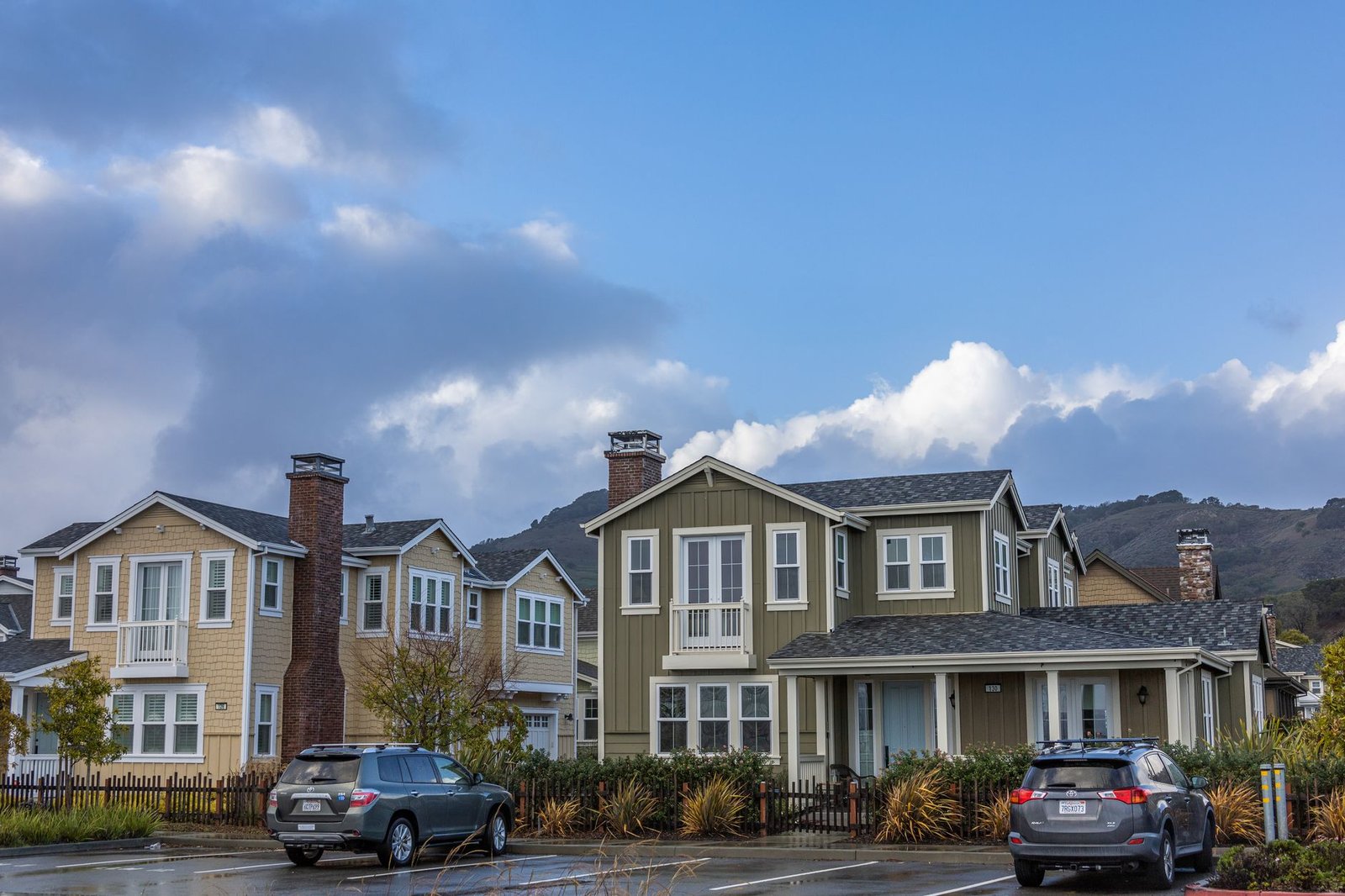
The primary economic consequence is the notorious ‘Welcome Stranger’ disparity: identical neighboring homes of equal market value carry vastly disparate property tax burdens based entirely on the date of purchase. A long-term resident whose assessed value has been constrained by a 3 percent cap for two decades may pay one-third the annual ad valorem taxes of a newly arriving family that purchases an identical adjacent parcel reassessed to full fair market value upon conveyance.
Municipal finance directors testify that this phenomenon creates a powerful ‘lock-in’ effect, discouraging empty-nester seniors from downsizing and exacerbating acute shortages of entry-level housing inventory for young working families.
Comparative Metrics and Fiscal Impact Analysis
The following quantitative dataset summarizes verified public records, capital expenditure benchmarks, and oversight agency audit dockets across regional jurisdictions:
| State Jurisdiction | Homestead Assessment Cap | Standard Homestead Exemption | Municipal Revenue Growth Cap | School Funding Offset |
|---|---|---|---|---|
| Texas Tax Code | 10% Annual Assessment Cap | $100,000 for Public Schools | 3.5% Voter-Approval Rate | State General Revenue Buy-Down |
| Florida Save Our Homes | 3% or CPI (Lesser of Two) | $50,000 Total Exemption | Statutory Rolled-Back Millage | Required Local Effort Adjustments |
| Georgia House Bill 581 | Inflation-Linked Value Cap | Local Option Add-On | Mandatory Sales Tax Offset | State Equalization Grant Pool |
| Tennessee County Limits | Comprehensive Reappraisal Shift | Local Option Relief | Certified Property Tax Rate | Basic Education Program Weights |

Municipal Revenue Compression and Essential Public Service Curtailments
Local municipalities and independent special districts rely on ad valorem property taxes to fund over 70 percent of their operational budgets for professional fire departments, emergency medical response, police patrol staffing, and road maintenance. When state legislatures concurrently restrict local municipal revenue growth rates—such as Texas’s strict 3.5 percent annual revenue cap without automatic voter approval—inflation in basic materials and personnel health insurance costs quickly outpaces taxable revenue growth.
Municipal bond rating agencies have issued credit warning notices for small to mid-sized municipalities facing operational deficits. To maintain balanced budgets, cities have been forced to defer critical underground water main replacements, delay scheduled police vehicle fleet turnovers, and implement aggressive municipal utility user fees and permit charges to cross-subsidize basic general fund operations.
Rural fire protection districts have suffered acute fiscal strain, with volunteer and professional departments reporting emergency response vehicle replacement cycles deferred beyond recommended NFPA 20-year structural life limits.

State General Revenue Buy-Downs and Long-Term Vulnerability
To shield independent school districts from catastrophic funding cuts resulting from expanded residential homestead exemptions, state legislatures have deployed billions of dollars in state general revenue surpluses to ‘buy down’ local school property taxes. Under these compression statutes, state treasury funds replace local ad valorem tax collections on a dollar-for-dollar basis to maintain baseline per-pupil funding formulas.
State budget analysts and fiscal policy institutes caution that relying on volatile state sales taxes and severance tax collections to subsidize local operational education expenses creates severe long-term structural vulnerability. If a macroeconomic recession or energy market downturn suppresses state revenue collections, state legislatures will face massive multi-billion-dollar structural budget deficits, forcing either deep cuts to public school classrooms or sudden, painful rollbacks of property tax relief.
Local school superintendents continue to advocate for permanent statutory funding formulas that protect classroom operational funding from shifting political winds at the state capitol.
Official Public Records and Statutory Citations
The documentary evidence and administrative filings referenced in this investigation are indexed under the following public record dockets:
- Texas Tax Code, Title 1, Chapter 23 (Appraisal Methods and Procedures) and Chapter 26 (Assessment).
- Florida Constitution, Article VII, Section 4(d) (Save Our Homes Assessment Limitation).
- Georgia General Assembly, House Bill 581 (2024 Regular Session, Local Ad Valorem Tax Reforms).
- National Association of State Budget Officers, The Fiscal Survey of States (Fall 2024 / Spring 2025 Editions).
Independent Oversight Outlook
The ongoing expansion of property tax caps reflects a structural realignment of state and local public finance across the United States. As municipal infrastructure costs escalate, the debate between state-mandated homeowner tax relief and local government fiscal solvency will dominate legislative sessions throughout 2026 and 2027.
Spotted an error? Read our corrections policy and let us know.

Keep reading

Ephemeral Messaging and Disappearing Mobile Chats Ruled Public Records in State Executive Offices

Correctional Facility Privatization Contracts Face Rigorous Performance Metric and Staffing Audits

Unclaimed Property Escheatment Audit Standards Strengthened Under Revised Uniform Act Enforcement