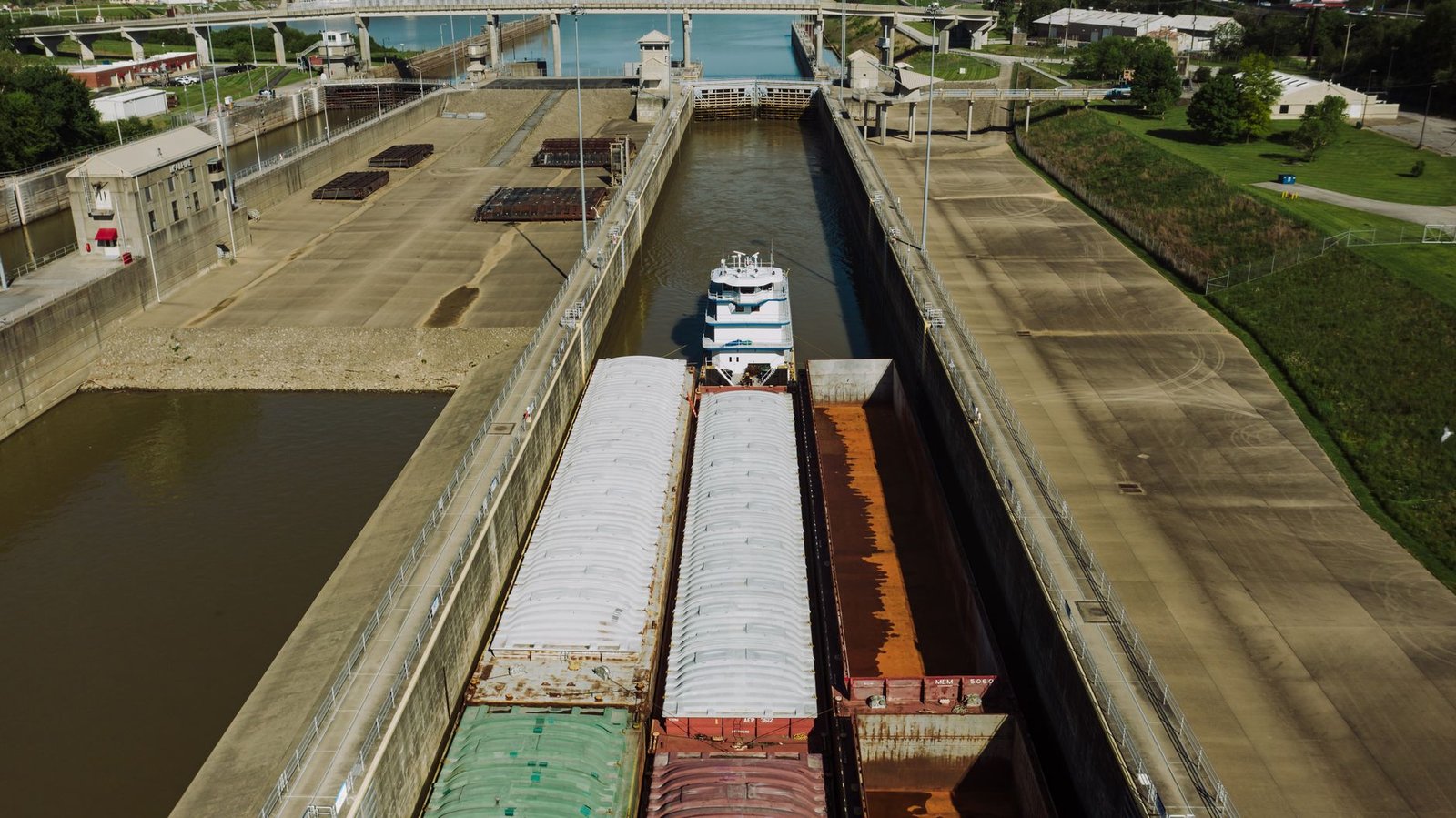
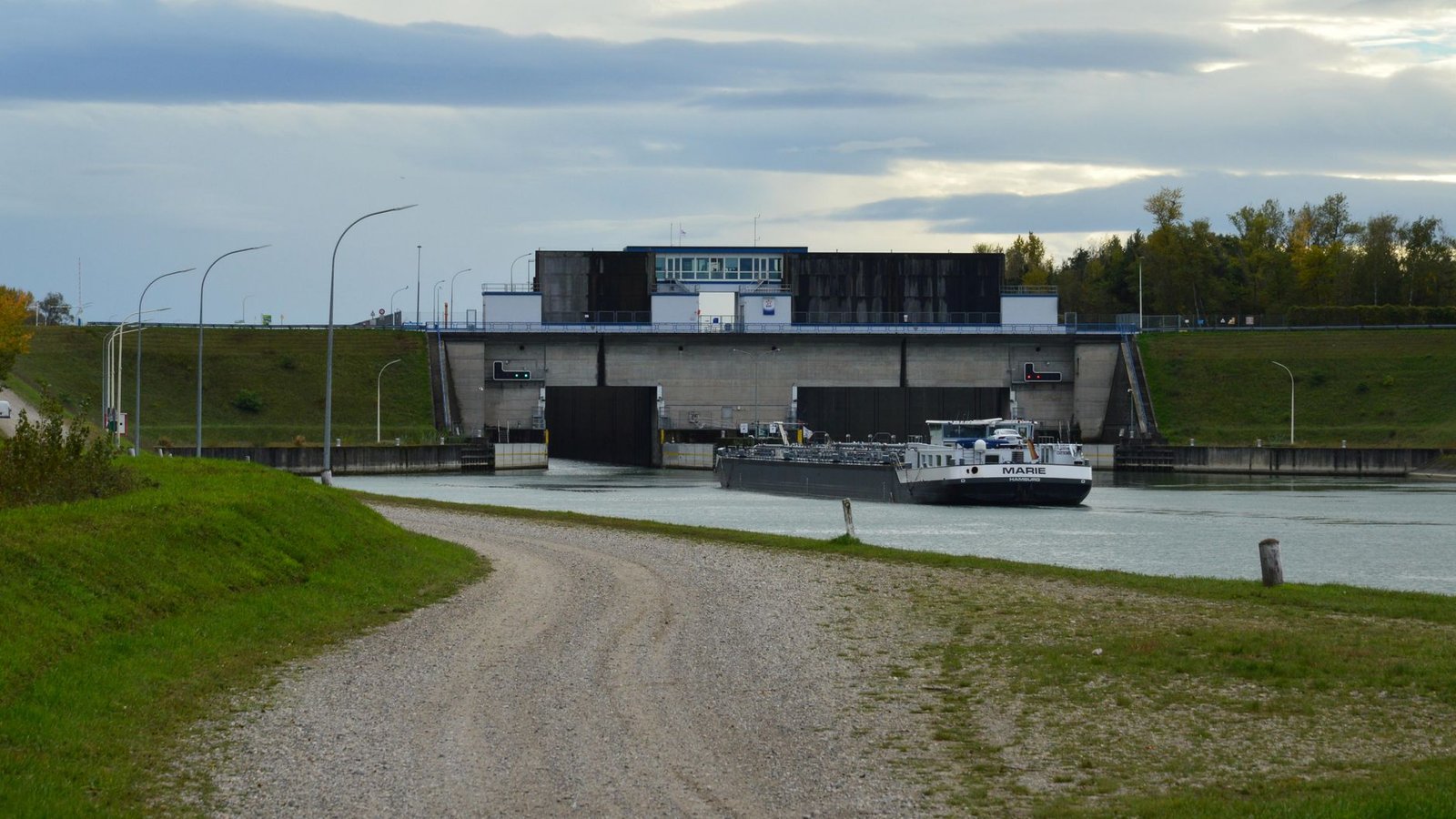
ST. LOUIS – The United States Army Corps of Engineers and the Inland Waterways Users Board have advanced major construction milestones on 1,200-foot lock chamber expansions along the Upper Mississippi and Ohio River navigation systems, eliminating catastrophic multi-hour barge delays for American grain and fertilizer export convoys.
Statutory Framework and Regulatory Context
- Statutory Factor: Water Resources Development Act (WRDA) authorization and cost-sharing statutory ratios.
- Statutory Factor: Inland Waterways Trust Fund (IWTF) fuel excise tax expenditure authorizations (26 U.S.C. 9504).
- Statutory Factor: Rivers and Harbors Appropriation Act of 1899 navigation maintenance authorities.
- Statutory Factor: Army Corps of Engineers Civil Works Major Rehabilitation Evaluation guidelines.
The Bottleneck of Legacy 600-Foot Chambers and Double-Locking Delays
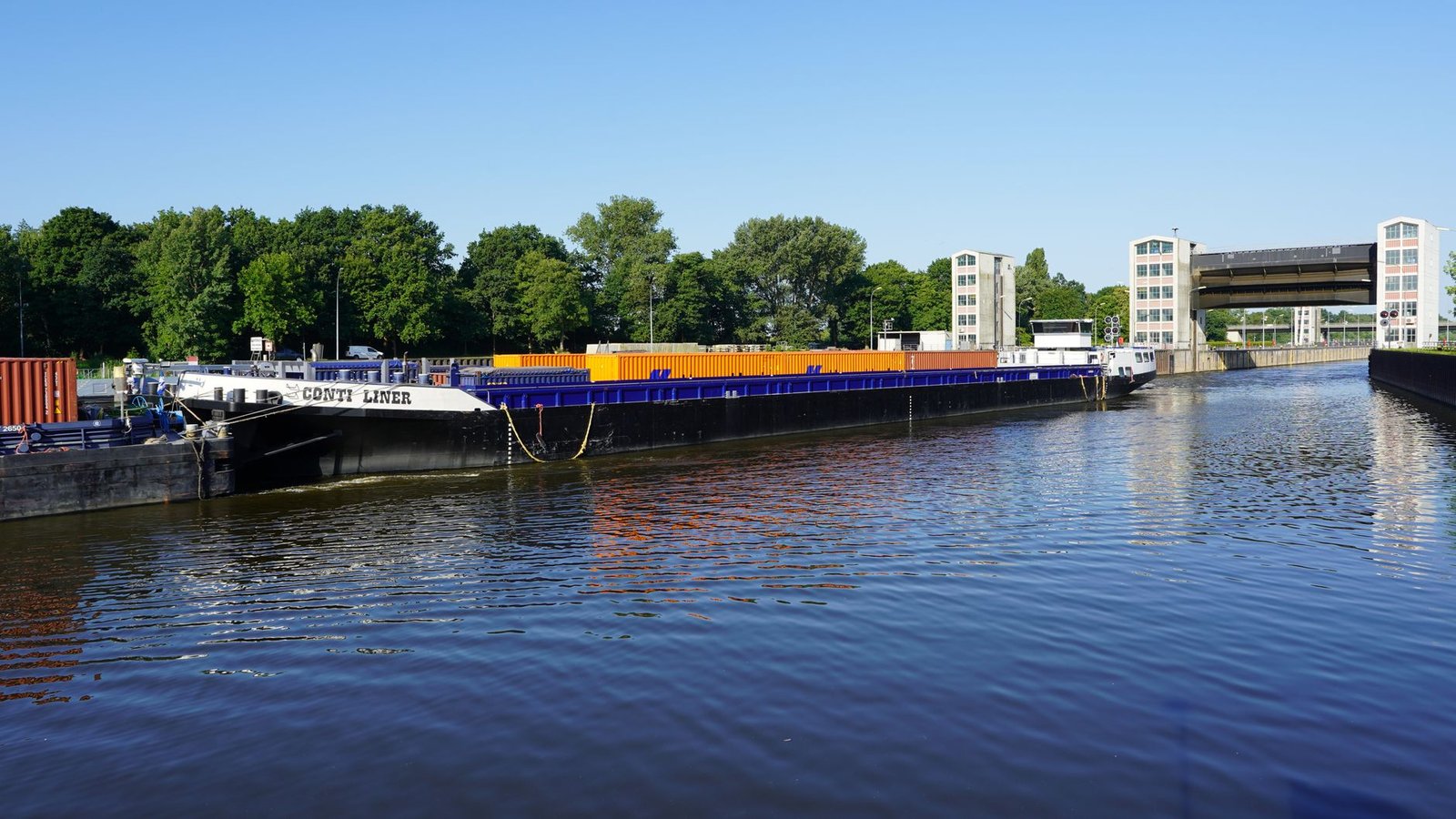
The vast majority of locks and dams operating along the Mississippi, Ohio, and Illinois river systems were constructed during the New Deal era of the 1930s, engineered with lock chambers measuring 600 feet in length by 110 feet in width. While adequate for early 20th-century steam-powered paddlewheel tows, these legacy chambers are fundamentally obsolete for modern commercial navigation, which utilizes 15-barge tow configurations measuring over 1,150 feet in length pushed by 6,000-horsepower diesel towboats.
To pass through a 600-foot lock, a modern 15-barge tow must execute a laborious, hazardous procedure known as ‘double locking.’ The towboat must uncouple the front nine barges, pull them into the chamber, lock them through, tie them off downstream using deck winches, back out of the chamber, couple with the remaining six barges, lock the second cut through, and finally reassemble the 15-barge flotilla.
Double locking takes upwards of three hours per towboat under optimal weather conditions, compared to under 45 minutes for a single-pass transit through a 1,200-foot lock. When multiple tows arrive simultaneously at a bottleneck lock, queue delays regularly exceed 36 hours, consuming thousands of gallons of idling diesel fuel and stranding millions of bushels of Midwest export corn and soybeans.
Comparative Metrics and Fiscal Impact Analysis
The following quantitative dataset summarizes verified public records, capital expenditure benchmarks, and oversight agency audit dockets across regional jurisdictions:
| Navigation Lock Facility | River Location | New Chamber Dimensions | IWTF Cost-Share Ratio | Annual Commercial Tonnage |
|---|---|---|---|---|
| Lock and Dam 25 Expansion | Upper Mississippi River Mile 241 | 1,200 Ft x 110 Ft Chamber | 65% Federal / 35% Trust Fund | 32 Million Tons |
| Kentucky Lock Addition | Tennessee River Mile 22.4 | 1,200 Ft x 110 Ft New Lock | 65% Federal / 35% Trust Fund | 28 Million Tons |
| Montgomery Locks and Dam | Ohio River Mile 31.7 | 1,200 Ft Twin Modernization | 65% Federal / 35% Trust Fund | 24 Million Tons |
| LaGrange Lock Rehabilitation | Illinois Waterway Mile 80 | 1,200 Ft Chamber Upgrade | 100% Federal Rehabilitation | 18 Million Tons |
Innovative In-the-Wet Construction and Floating Concrete Caissons
Constructing a massive 1,200-foot concrete lock chamber directly adjacent to an active, operating navigation facility without shutting down commercial river traffic requires extraordinary civil engineering innovations. Historic lock construction required driving massive sheet-pile cellular cofferdams to dewater the riverbed—a technique that restricted river navigation widths and left construction sites vulnerable to catastrophic flooding during seasonal spring high-water rises.
Army Corps engineers are deploying advanced ‘in-the-wet’ construction methodologies. Massive reinforced concrete caissons—each weighing up to 4,000 tons and measuring the size of an apartment building—are precast in off-site dry docks, floated downriver on specialized transport pontoons, and precisely sunk into pre-dredged riverbed foundation trenches utilizing GPS-guided hydraulic ballasting systems.
Once submerged onto foundation bedrock driven by drilled shaft steel pilings, the caissons are filled with underwater tremie concrete, forming monolithic lock chamber walls and miter sill structures while commercial barge traffic continues to navigate unimpeded through adjacent historical auxiliary chambers.
Economic Competitiveness of Waterborne Freight and Agricultural Exports
Inland water transport represents the most fuel-efficient, cost-effective, and environmentally sustainable freight transportation modality available to the American economy. A single standard 15-barge river tow moves an identical freight volume to 216 railcars or 1,050 commercial semi-trucks, consuming a fraction of the fuel and emitting 80 percent less greenhouse gas emissions per ton-mile than long-haul highway trucking.
Midwest agricultural cooperatives and international grain trading companies emphasize that reliable river lock infrastructure is the decisive competitive advantage that allows American grain farmers to underprice Brazilian and Ukrainian agricultural competitors in global grain markets. If aging locks suffer catastrophic structural failures that close the Mississippi River for months during harvest season, inland grain transport costs would quadruple as millions of tons of grain are forced onto congested rail and highway networks.
Congressional appropriations authorized through the Water Resources Development Act have permanently secured the 65/35 federal-industry cost-sharing formula, ensuring uninterrupted funding to complete the modernization of America’s vital inland waterway navigation spine.
Official Public Records and Statutory Citations
The documentary evidence and administrative filings referenced in this investigation are indexed under the following public record dockets:
- Water Resources Development Act of 2022 (Public Law 117-263, Title VIII).
- Internal Revenue Code, 26 U.S.C. 9504 (Inland Waterways Trust Fund Rules).
- United States Army Corps of Engineers, Engineering Regulation ER 1105-2-100, Planning Guidance Notebook.
- Inland Waterways Users Board, 38th Annual Report to the Secretary of the Army and Congress (2024-2025).
Independent Oversight Outlook
The engineering modernization of America’s inland lock and dam navigation system secures the nation’s critical agricultural and industrial export supply chains. As new 1,200-foot lock chambers enter commercial service through 2026 and 2027, the inland waterway network will deliver faster, cleaner, and more resilient freight transit across the Heartland.
Spotted an error? Read our corrections policy and let us know.

Keep reading
Anaerobic Digestion and Biological Nutrient Removal Mandated for Regional Dairy Processing Wastewater
Variable-Speed Electric Drive Motor Retrofits Electrify Interstate Pipeline Compressor Stations
Permanent Mineral Trust Funds Restructure Asset Allocations and Rural Infrastructure Transfers