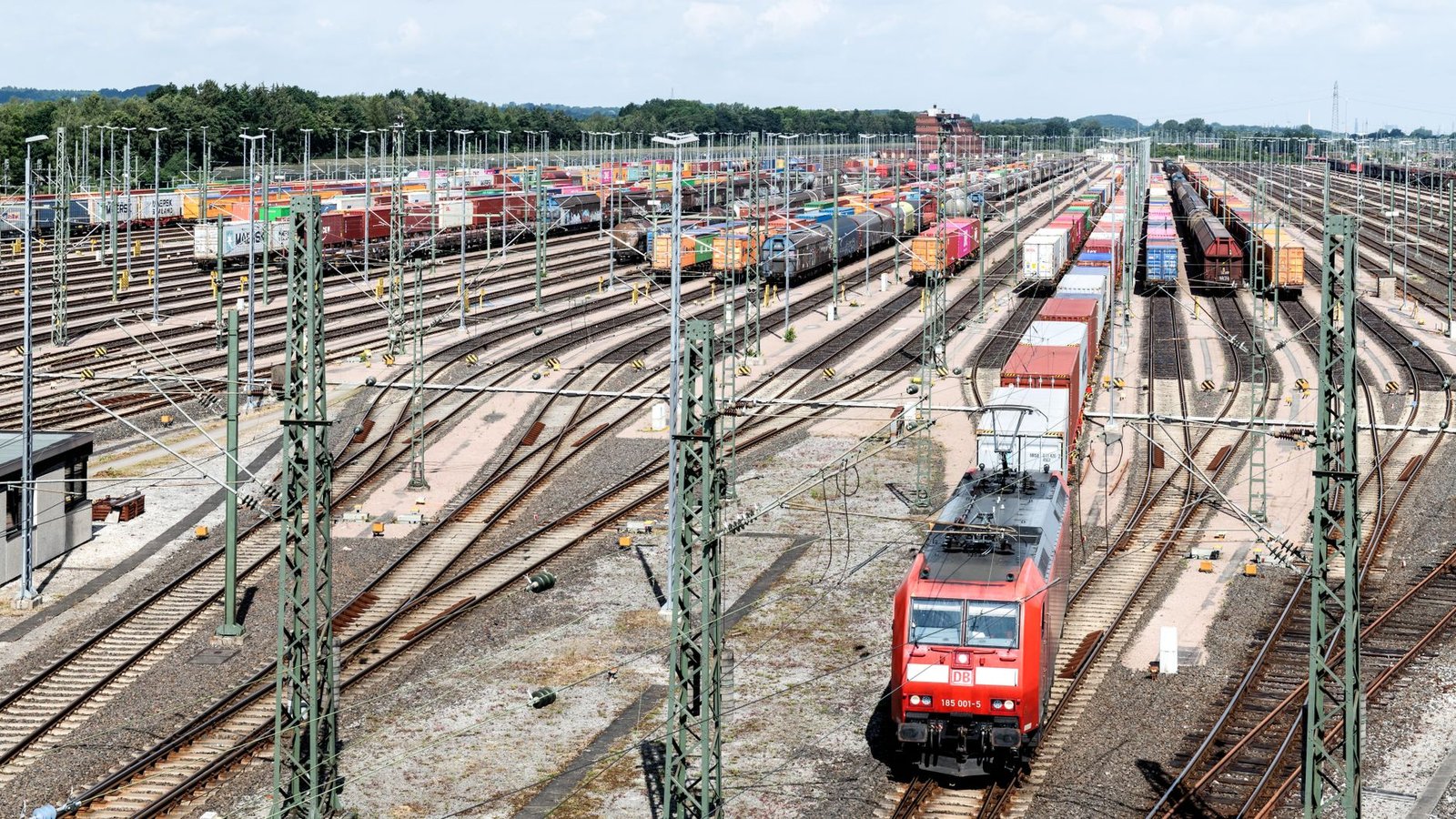
GREER – State port authorities and inland economic development alliances across the Piedmont and Appalachian valleys have operationalized major inland ‘dry ports,’ moving US Customs and Border Protection cargo clearance checkpoints hundreds of miles inland and establishing direct dedicated rail shuttles to coastal deepwater seaports.
Statutory Framework and Regulatory Context
- Statutory Factor: United States Customs and Border Protection port of entry inland clearance regulations (19 CFR Part 101).
- Statutory Factor: Maritime Administration Marine Highway Program intermodal connectivity grants.
- Statutory Factor: Surface Transportation Board through-rate rail billing and interchange agreements.
- Statutory Factor: State Department of Transportation rail freight corridor development guidelines.
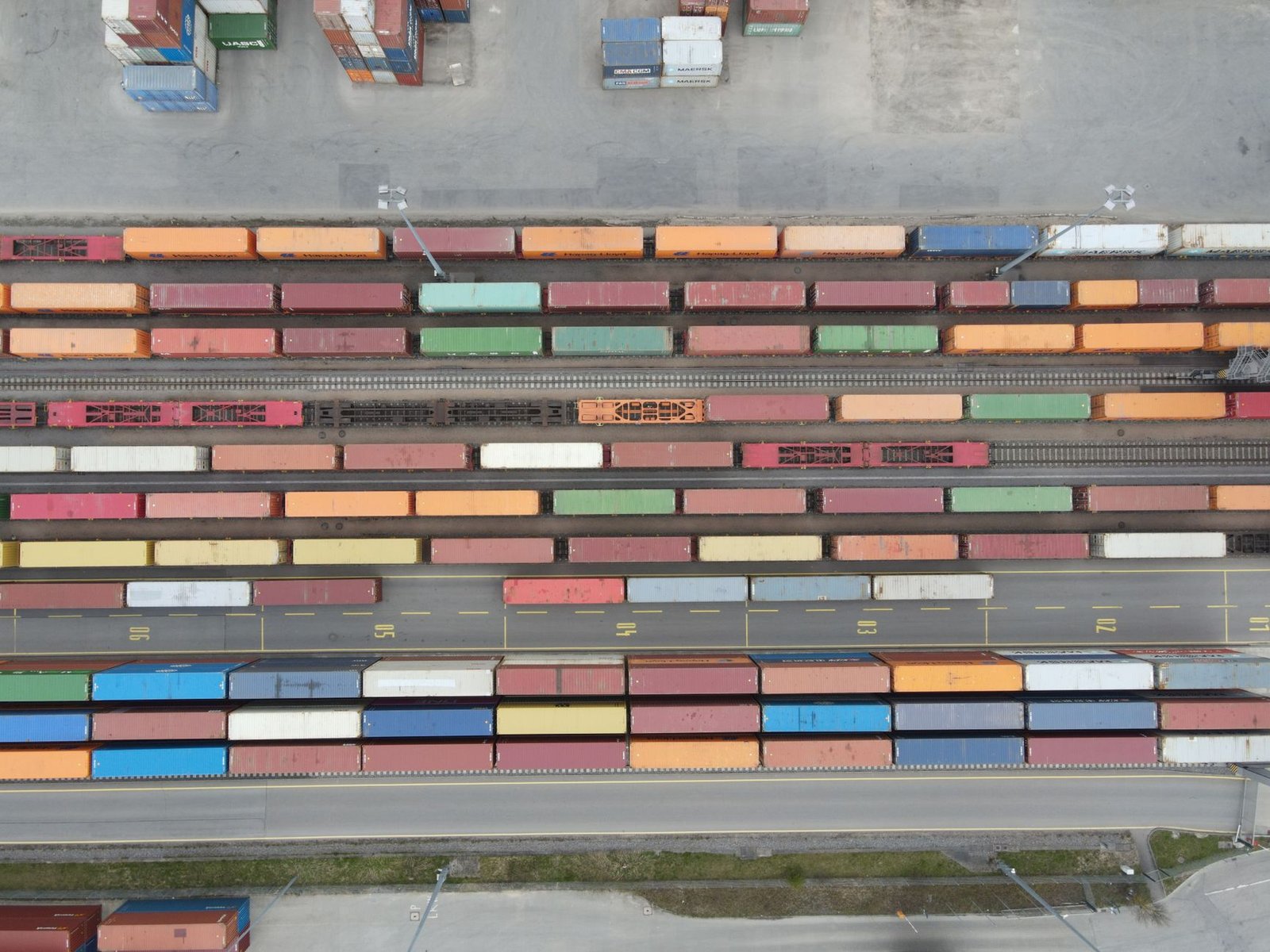
Direct Rail Shuttles and Off-Port Customs Clearance Mechanics
Historic international maritime import logistics required imported containers to clear US Customs inspections physically on marine terminal docks before being released onto public highways. In congested coastal ports, customs physical holds, agricultural quarantine inspections, and paperwork delays resulted in massive container dwell times, turning valuable dock acreage into gridlocked storage yards that delayed vessel unloading operations.
The inland dry port concept transforms marine terminals into pure, high-velocity transit nodes. When an international container ship berths at a coastal deepwater port, import containers bound for inland manufacturing plants are loaded directly from the vessel onto waiting unit trains under bonded customs in-transit manifests without requiring local customs clearance at the dock. Dedicated unit trains depart immediately for inland dry ports situated 150 to 400 miles inland.
Upon arrival at the inland dry port, containers enter a fully accredited US Customs and Border Protection inland port of entry featuring on-site non-intrusive container X-ray portals, agricultural quarantine inspection bays, and bonded foreign trade zone (FTZ) staging yards, allowing inland manufacturers to process customs clearances directly in their home communities.
Comparative Metrics and Fiscal Impact Analysis
The following quantitative dataset summarizes verified public records, capital expenditure benchmarks, and oversight agency audit dockets across regional jurisdictions:
| Inland Dry Port Facility | Coastal Seaport Partner | Dedicated Daily Rail Shuttles | Annual Container Volume (TEU) | Highway Drayage Offset |
|---|---|---|---|---|
| Inland Port Greer Hub | Port of Charleston (212 Miles) | Dual Daily Unit Trains | 175,000 TEUs Annual | 68,000 Interstate Truck Trips |
| Inland Port Dillon Gateway | Port of Charleston (130 Miles) | Daily Express Rail Shuttle | 110,000 TEUs Annual | 45,000 Interstate Truck Trips |
| Appalachian Regional Port | Port of Savannah (388 Miles) | Direct CSX Unit Service | 140,000 TEUs Annual | 55,000 Interstate Truck Trips |
| Heartland Intermodal Dry Port | Port of Virginia (245 Miles) | Norfolk Southern Express | 125,000 TEUs Annual | 48,000 Interstate Truck Trips |

Supply Chain Velocity for Automotive and Advanced Manufacturing Clusters
The primary economic beneficiaries of inland dry ports are advanced manufacturing clusters—such as automotive assembly plants, aerospace component factories, and industrial chemical processors—that operate on rigid Just-in-Time (JIT) production models. These facilities cannot tolerate erratic shipping delays caused by coastal highway traffic or port gate congestion.
Inland dry ports operate as seamless physical extensions of coastal marine terminals: shippers can drop off export containers or pick up imported parts at the inland gate 24 hours a day, utilizing identical terminal operating software and container tracking numbers used at the coastal seaport. An automotive plant located five miles from an inland dry port can receive imported transmission components within 24 hours of vessel docking, eliminating the need to maintain expensive weeks-long inventory safety buffers.
State commerce departments report that proximity to an inland dry port is now the single most decisive factor attracting major international corporate manufacturing investments, transforming rural interstate junctions into thriving industrial corridors.

Interstate Highway Decongestion and Carbon Emission Reductions
Moving international freight via dedicated inland rail shuttles delivers extraordinary environmental and public safety benefits to regional transportation corridors. Moving 150,000 containers annually by rail eliminates over 60,000 long-haul diesel truck trips from congested interstate highways like I-26, I-85, and I-75.
State highway safety data demonstrates that diverting heavy container trucks onto rail drastically reduces catastrophic truck-car collisions on mountainous interstate passes, lowers highway pavement rutting maintenance expenditures, and cuts diesel particulate emissions by over 70 percent along freight transit corridors.
Port commissioners and regional planning councils continue to expand inland dry port networks, proving that integrated rail-maritime logistics is the most sustainable and cost-effective model for modern American industrial commerce.
Official Public Records and Statutory Citations
The documentary evidence and administrative filings referenced in this investigation are indexed under the following public record dockets:
- United States Customs and Border Protection, 19 CFR Part 101 (Ports of Entry and Service Ports).
- United States Code, Title 46, Section 55601 (Marine Highway Program).
- South Carolina State Ports Authority Act, S.C. Code Ann. § 54-3-10 et seq.
- Georgia Ports Authority, Appalachian Regional Port Operational and Environmental Impact Audit.
Independent Oversight Outlook
The rapid expansion of inland dry ports represents a transformative structural advancement for American industrial logistics. As international manufacturing continues to expand across the Southeast and Midwest through 2026 and 2027, inland dry ports will remain the critical logistical gateways powering American manufacturing dominance.
Spotted an error? Read our corrections policy and let us know.
Keep reading
Anaerobic Digestion and Biological Nutrient Removal Mandated for Regional Dairy Processing Wastewater
Variable-Speed Electric Drive Motor Retrofits Electrify Interstate Pipeline Compressor Stations
Permanent Mineral Trust Funds Restructure Asset Allocations and Rural Infrastructure Transfers