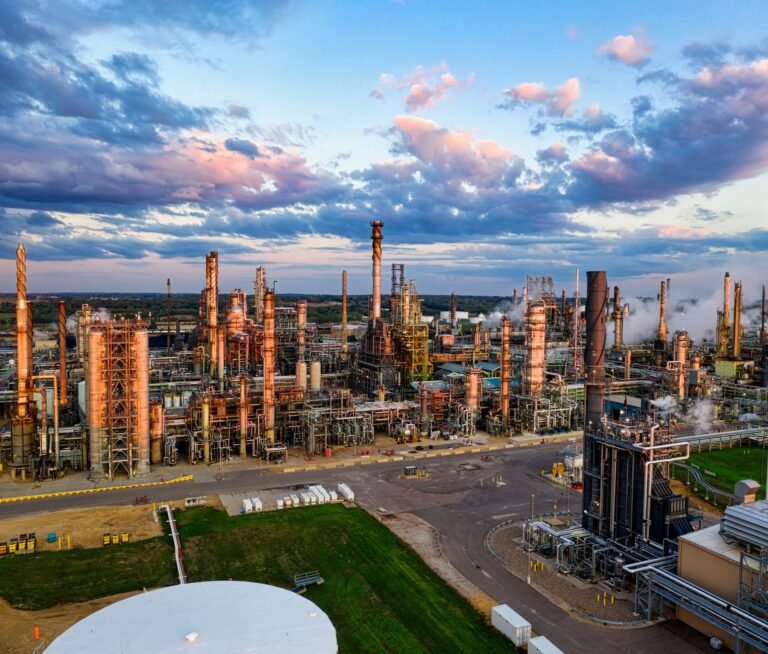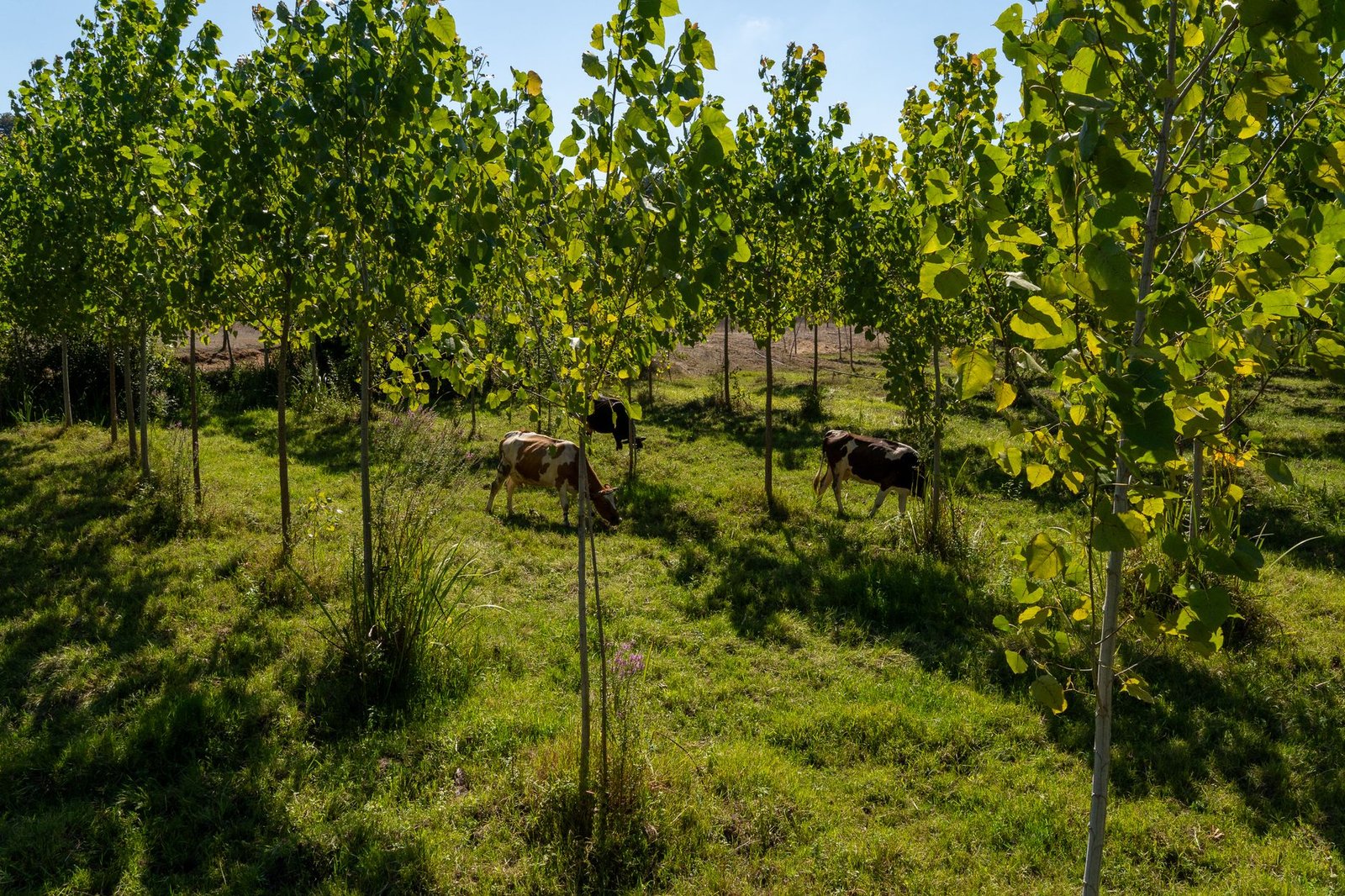
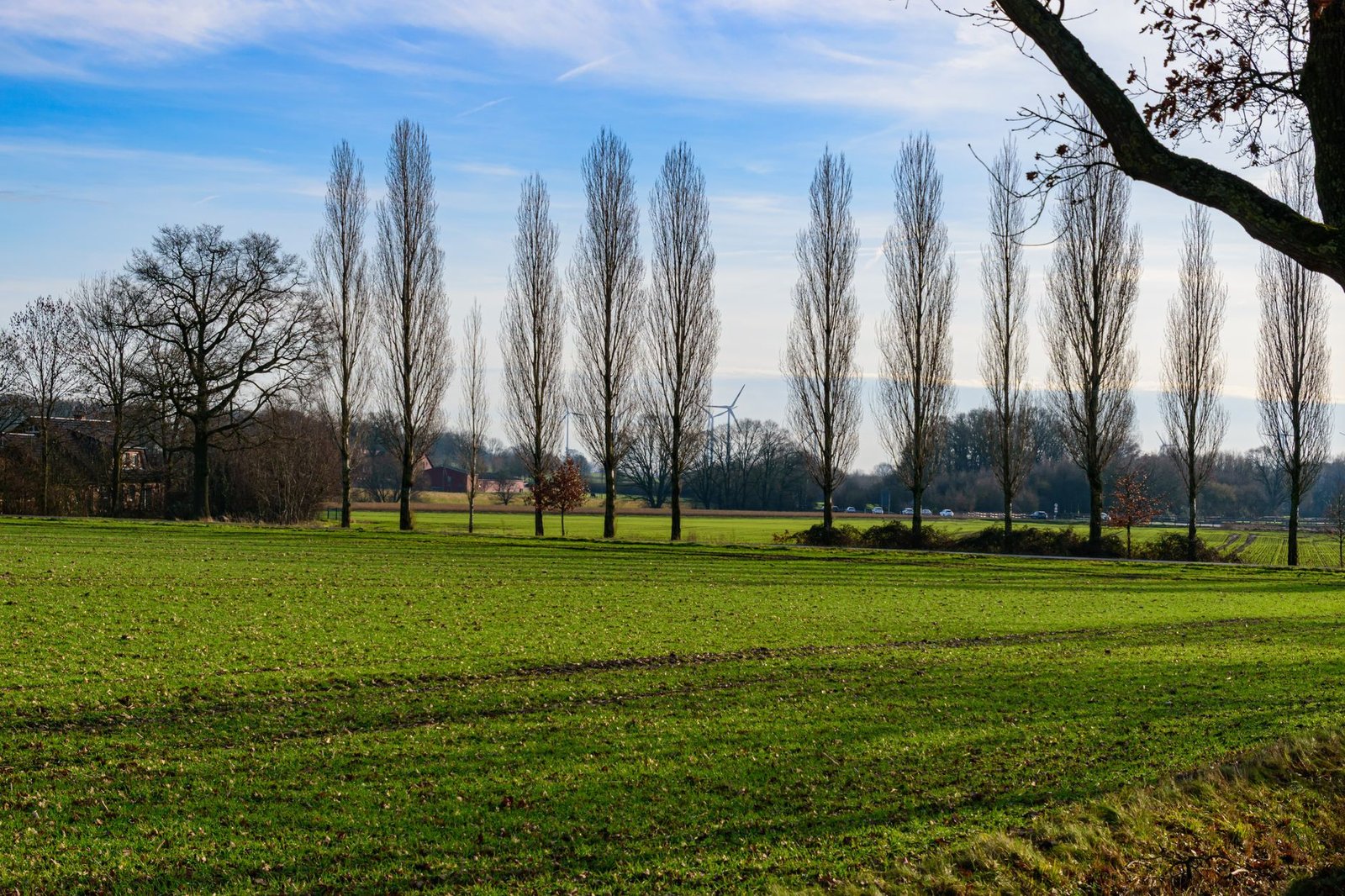
COLUMBUS – State environmental protection agencies and environmental engineering consortiums across the Midwestern manufacturing belt have operationalized large-scale deep-root phytoremediation plantations, utilizing fast-growing hybrid poplar (Populus deltoides x nigra) forest canopies to extract and biologically degrade volatile chlorinated solvents from shallow industrial groundwater plumes.
Statutory Framework and Regulatory Context
- Statutory Factor: Resource Conservation and Recovery Act (RCRA) Corrective Action statutory rules (40 CFR Part 264, Subpart S).
- Statutory Factor: Comprehensive Environmental Response, Compensation, and Liability Act (CERCLA) innovative remedial technologies.
- Statutory Factor: EPA Superfund Innovative Technology Evaluation (SITE) phytoremediation performance protocols.
- Statutory Factor: State Department of Environmental Protection voluntary brownfield covenant standards.
Botanical Hydraulic Pumping and Deep-Root Trenching Mechanics
Historic mechanical remediation of contaminated industrial groundwater plumes relied almost exclusively on mechanical ‘pump-and-treat’ systems: drilling dozens of extraction wells, pumping groundwater to the surface with electric submersible pumps, and stripping contaminants through expensive air strippers and granular activated carbon beds. While effective initially, pump-and-treat operations frequently plateau after a few years, consuming massive amounts of electrical power and costing hundreds of thousands of dollars annually for decades without completely eliminating residual solvent mass trapped in low-permeability silt lenses.
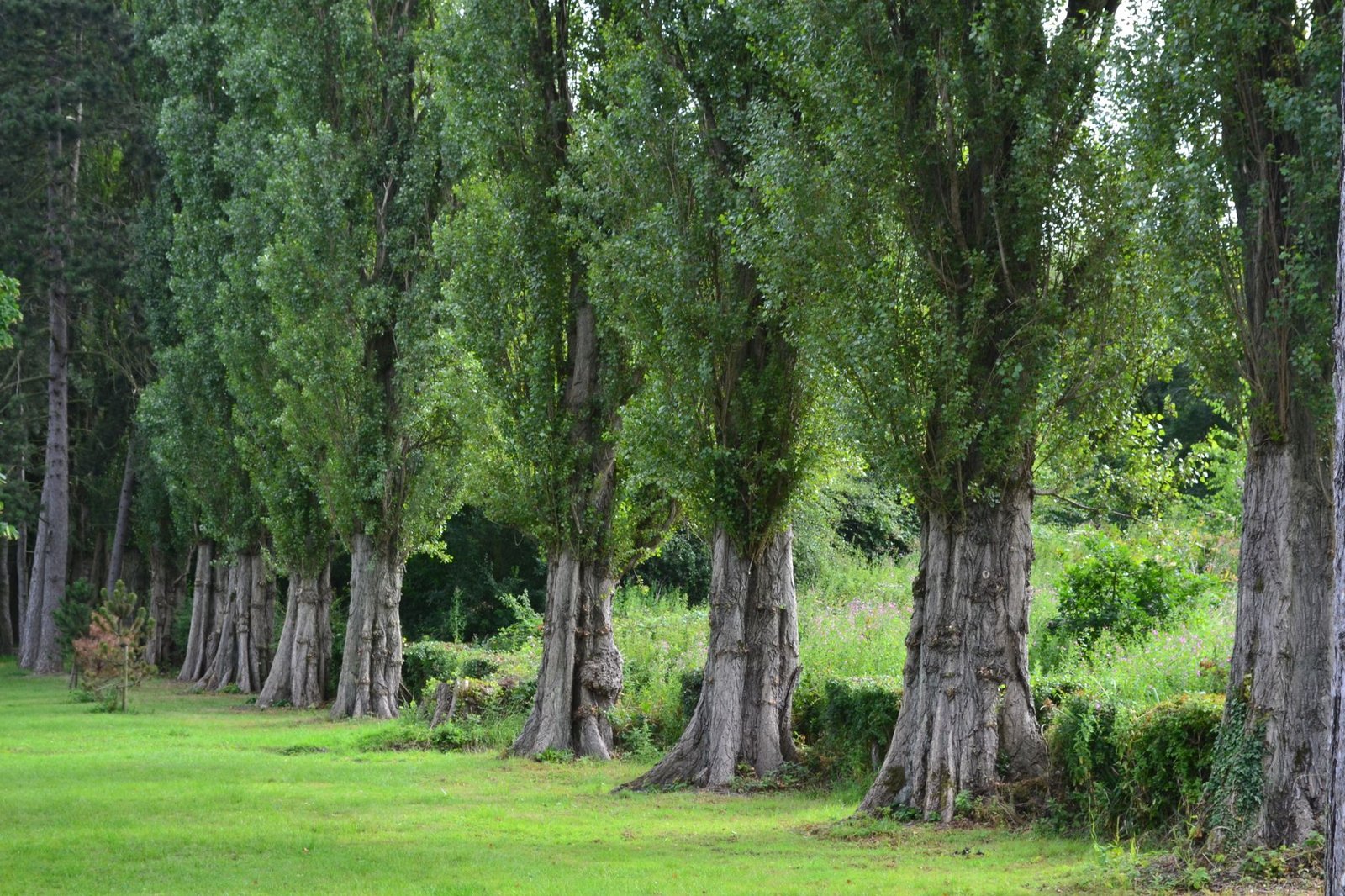
Deep-root phytoremediation replaces mechanical pumps with the extraordinary natural botanical pumping capacity of hybrid poplars. A mature five-year-old hybrid poplar tree transpires between 100 and 200 gallons of groundwater daily during the summer growing season, creating a powerful cone of hydraulic depression in the shallow water table that physically captures the contaminated groundwater plume and prevents it from migrating off-site toward municipal drinking wells.
To ensure tree roots penetrate directly into deep contaminated groundwater—rather than spreading out in uncontaminated surface rainwater zones—engineers utilize deep-bore planting techniques, augering boreholes 15 to 25 feet deep down to the water table, encasing the upper trunk in a plastic sleeve, and forcing root elongation directly into the contaminated aquifer zone.
Comparative Metrics and Fiscal Impact Analysis
The following quantitative dataset summarizes verified public records, capital expenditure benchmarks, and oversight agency audit dockets across regional jurisdictions:
| Industrial Brownfield Site | Target Chlorinated Solvent | Poplar Canopy Acreage | Groundwater Extraction Rate | Contaminant Degradation Level |
|---|---|---|---|---|
| Midwest Metal Plating Facility | Trichloroethylene (TCE) | 18 Acres Dense Poplar | 35,000 Gallons / Day | 94% Subterranean Mass Cut |
| Buckeye Aerospace Solvent Yard | Tetrachloroethylene (PCE) | 24 Acres Deep-Bore Trees | 48,000 Gallons / Day | 91% Hydrocarbon Breakdown |
| Miami Valley Paint Manufacturing | 1,1,1-Trichloroethane (TCA) | 15 Acres Hybrid Grove | 28,000 Gallons / Day | 96% Plume Capture Verified |
| Wabash Industrial Degreasing | Carbon Tetrachloride Plume | 20 Acres Engineered Roots | 42,000 Gallons / Day | 89% Solvent Mass Abated |
Rhizosphere Microbial Dehalogenation and In-Planta Phytodegradation
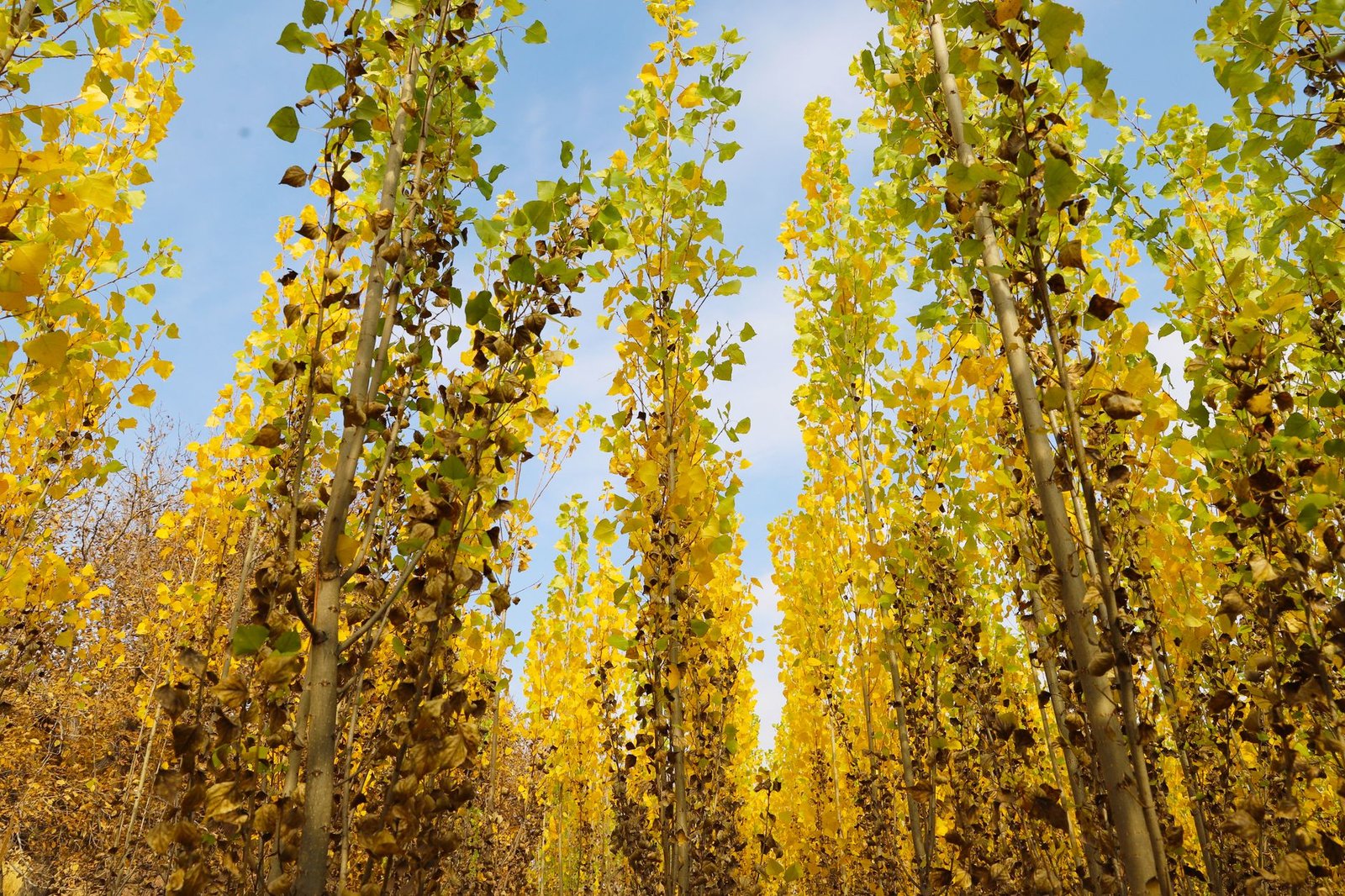
The elimination of toxic chlorinated ethenes (such as TCE and PCE) occurs through two distinct biological pathways: in-planta metabolism and rhizosphere biodegradation. As the poplar tree draws contaminated groundwater through its roots, soluble TCE molecules are absorbed into the plant’s vascular xylem tissue and transported to the woody stems and leaves.
Inside the plant cells, specialized cytochrome P450 monooxygenase enzymes break down the chlorinated solvent molecules into non-toxic metabolites, including trichloroethanol, trichloroacetic acid, and ultimately inorganic chloride ions and carbon dioxide, completely mineralizing the toxic solvent without venting toxic gases into the atmosphere. Concurrently, poplar roots exude organic sugars, amino acids, and phenolic compounds into the surrounding soil (the rhizosphere).
This rich organic exudate fuels explosive populations of native anaerobic dehalorespiring bacteria (such as Dehalococcoides mccartyi), which biologically strip chlorine atoms from solvent molecules in the soil before groundwater is even absorbed by the tree, transforming toxic chemicals into harmless ethene gas.
Urban Greening, Carbon Sequestration, and Post-Remediation Parks
In addition to extraordinary environmental engineering performance, phytoremediation provides profound aesthetic, ecological, and economic co-benefits to blighted post-industrial neighborhoods. Instead of facing ugly chain-link fences, noisy diesel generator trailers, and metal chemical containment tanks typical of mechanical pump-and-treat sites, adjacent urban residents look out upon lush green forests alive with songbirds, butterflies, and native wildlife.
A 25-acre hybrid poplar forest sequesters hundreds of metric tons of atmospheric carbon dioxide annually in its rapidly growing woody biomass, mitigates urban heat island temperatures, and absorbs torrential surface stormwater runoff, preventing sewer overflows.
Once groundwater contaminant levels drop below statutory Safe Drinking Water Act standards—typically within 10 to 15 years—the mature forest canopy is permanently preserved by municipal parks departments, transforming former toxic industrial brownfields into pristine public urban parks and community nature centers.
Official Public Records and Statutory Citations
The documentary evidence and administrative filings referenced in this investigation are indexed under the following public record dockets:
- United States Environmental Protection Agency, Phytoremediation Resource Guide (EPA 542-B-01-004).
- Resource Conservation and Recovery Act, 42 U.S.C. 6928(h) (Interim Status Corrective Action Orders).
- Interstate Technology & Regulatory Council (ITRC), Phytotechnology Technical and Regulatory Guidance.
- Ohio Environmental Protection Agency, Division of Environmental Response and Revitalization Technical Guidance.
Independent Oversight Outlook
The deployment of deep-root hybrid poplar forests represents the pinnacle of nature-based environmental engineering. As state brownfield programs embrace biological remediation through 2026 and 2027, toxic industrial scars will be systematically transformed into thriving, life-sustaining urban forests.
Spotted an error? Read our corrections policy and let us know.

Keep reading
Urban Stream Daylighting Projects Remove Concrete Culverts to Restore Natural Fluvial Geomorphology

FEMA Hazard Mitigation Assistance Buyouts Transform Repetitive Loss Floodplains into Natural Greenways
Vadose Zone Suction Lysimeters and Groundwater Protection Plans Enacted for Confined Animal Feeding Operations