Situated along the Interstate 65 automotive manufacturing corridor in rural Hardin County, Kentucky’s BlueOval SK Battery Park represents the single largest economic development project in the Commonwealth’s history. A $5.8 billion joint venture between Ford Motor Company and South Korea’s SK On, the twin-battery manufacturing megacampus spans over 1,500 acres in Glendale, engineered to produce up to 86 gigawatt-hours of advanced lithium-ion battery cells annually. To anchor this historic industrial investment, the Kentucky General Assembly, the Cabinet for Economic Development, and regional utility providers have executed unprecedented infrastructure upgrades: transforming rural highway interchanges, expanding industrial wastewater and water filtration capacities, and establishing the state-of-the-art BlueOval SK Training Center through the Kentucky Community and Technical College System (KCTCS). This comprehensive industrial strategy is reshaping Kentucky’s manufacturing identity, cementing its position as the preeminent electric vehicle battery production capital of North America.
The Glendale Megasite: Strategic Location and Automotive Geography
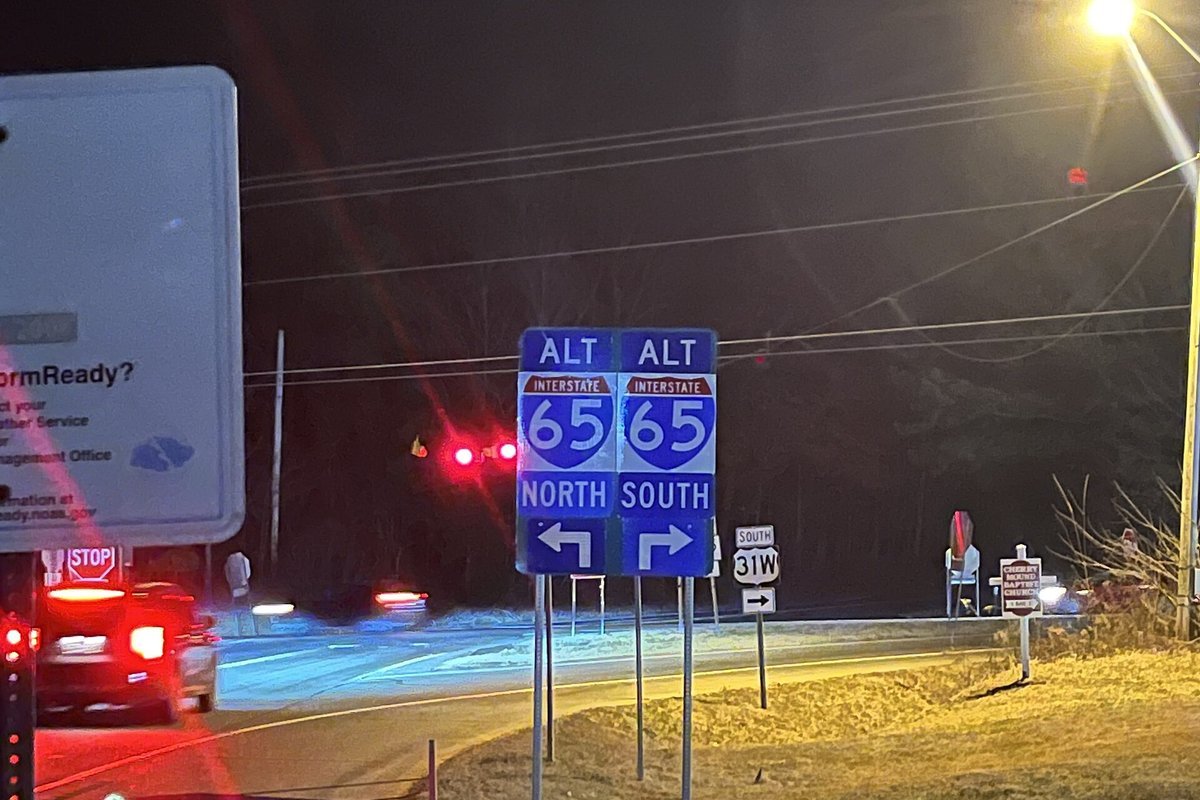
Kentucky’s selection as the host for BlueOval SK was the culmination of two decades of strategic industrial site preparation. The Glendale site was originally optioned and certified as a mega-industrial park in the early 2000s, positioned strategically adjacent to the CSX Transportation railroad mainline and Interstate 65, approximately 50 miles south of Louisville.
Kentucky’s established automotive ecosystem provided an overwhelming geographic advantage. The Commonwealth ranks first nationally in per-capita vehicle production, anchored by Ford’s Louisville Assembly Plant and Kentucky Truck Plant, Toyota’s expansive Georgetown manufacturing complex, and a network of over 500 tier-one and tier-two automotive suppliers. By locating the battery cell manufacturing facilities within a two-hour transit window of major vehicle assembly plants across Kentucky, Tennessee, and Ohio, Ford and SK On minimized inter-state logistics costs and established an integrated, domestic supply chain for next-generation electric trucks and commercial vehicles.
To support the massive volume of raw materials arriving and finished battery packs departing the Glendale campus, the Kentucky Transportation Cabinet (KYTC) invested over $120 million in highway infrastructure. Key projects included the complete reconstruction of I-65 Exit 86 into a high-capacity diverging diamond interchange (DDI), the widening of State Route 222, and the construction of dedicated grade-separated commercial truck bypass corridors that route heavy freight directly away from rural residential centers.
Utility Infrastructure Engineering: Power, Industrial Water, and Effluent Treatment
Operating a battery manufacturing facility of this scale requires immense, uninterrupted industrial utility inputs. Battery cell production involves dry-room environments maintained at less than one percent relative humidity, continuous electrode coating and drying ovens, and high-voltage formation and aging cycles that demand hundreds of megawatts of electric power and millions of gallons of daily industrial water.
Electric power is supplied through a dual-feed transmission intertie engineered by East Kentucky Power Cooperative (EKPC) and local electric distribution cooperatives, backed by regional transmission lines operating at 345 kilovolts. To support Ford’s corporate sustainability goals and the state’s industrial tariffs, regional utilities have integrated dedicated solar energy power purchase agreements (PPAs), providing clean electricity while maintaining dual-redundant substation connectivity to eliminate voltage sag risks.
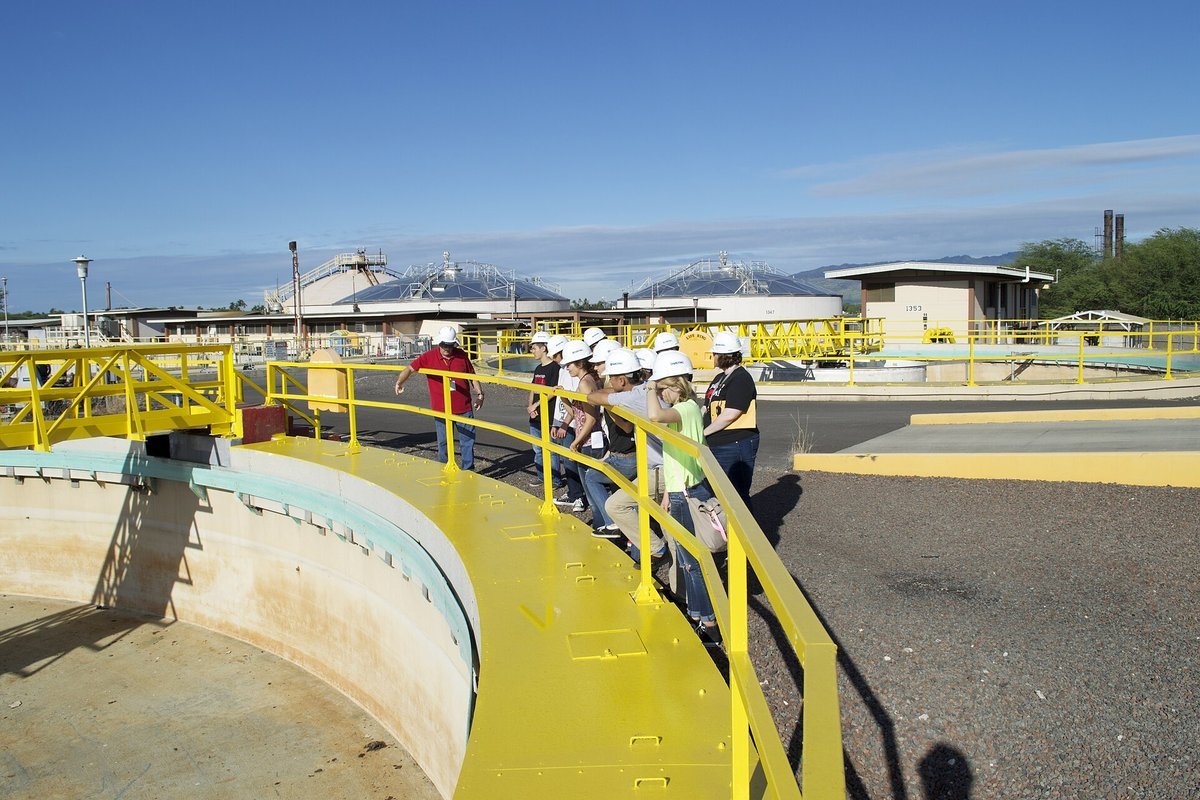
Industrial water and wastewater management required an equally massive public-private engineering mobilization. The City of Elizabethtown and the Hardin County Water District No. 2 executed a $140 million utility expansion project. Water engineers constructed a 12-mile dedicated industrial transmission pipeline from the Ohio River basin and local reservoirs, delivering up to 6 million gallons of treated water daily. Simultaneously, a state-of-the-art industrial wastewater pretreatment plant was constructed on-site to neutralize chemical rinse water, recover valuable solvents, and ensure that discharge effluent meets strict Kentucky Energy and Environment Cabinet (EEC) water quality standards.
| Infrastructure Component | Engineering Scope | Capital Investment | Responsible Entity | Operational Capacity |
|---|---|---|---|---|
| I-65 Interchange & Highway Upgrades | Diverging Diamond Interchange & SR 222 widening | $125 Million | Kentucky Transportation Cabinet (KYTC) | High-capacity commercial freight transit |
| Industrial Water Delivery Pipeline | 12-mile transmission main & pump stations | $80 Million | Hardin County Water District No. 2 | 6.0 Million Gallons / Day (MGD) |
| Advanced Wastewater Treatment | Industrial chemical neutralization & filtration | $60 Million | City of Elizabethtown Utility Commission | 4.5 MGD industrial effluent capacity |
| 345-kV Dual Substation Intertie | Redundant high-voltage transmission feeds | $95 Million | East Kentucky Power Cooperative (EKPC) | 450 Megawatts peak industrial load |
| BlueOval SK Training Center | 42,000 sq ft advanced technical training academy | $25 Million | KCTCS / Elizabethtown Community College | 5,000 certified technicians trained annually |
Workforce Pipeline: The Elizabethtown Community and Technical College Partnership
The ultimate determinant of BlueOval SK’s long-term economic viability is the availability of a skilled technical workforce. Operating two massive battery manufacturing plants requires approximately 5,000 full-time workers, including precision chemical operators, industrial electricians, robotics technicians, and quality control engineers.
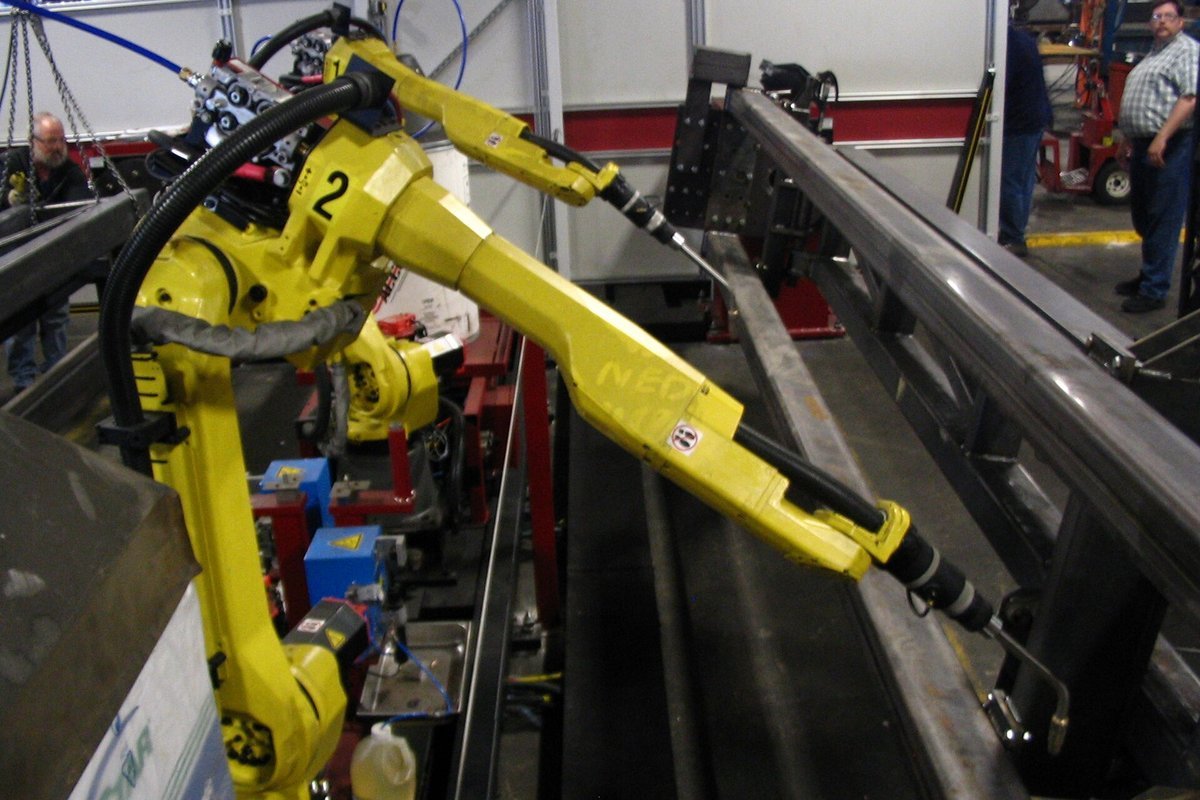
To meet this unprecedented labor demand, the Commonwealth established the BlueOval SK Training Center, situated directly on the Glendale campus and operated by Elizabethtown Community and Technical College (ECTC), a flagship institution of the KCTCS system. Funded by a $25 million state legislative appropriation, the 42,000-square-foot training academy features simulated clean-room manufacturing lines, industrial automation programming laboratories, and virtual reality chemical mixing modules.
Under the Kentucky FAME (Federation for Advanced Manufacturing Education) apprenticeship model, students divide their week between classroom instruction at ECTC and hands-on paid work inside advanced manufacturing facilities. Students graduate debt-free with an Associate in Applied Science degree, certified in robotics maintenance, programmable logic controllers (PLCs), and lean manufacturing protocols. This customized workforce pipeline ensures that local rural high school graduates and transitioning military personnel from nearby Fort Knox secure high-wage technical careers.
Circular Economy Integration: Battery Recycling and Environmental Closed Loops
To ensure long-term resource security and minimize industrial waste, the BlueOval SK industrial ecosystem incorporates comprehensive closed-loop battery material recycling capabilities. Through strategic partnerships with domestic hydrometallurgical recycling pioneers, production scrap generated during the electrode slitting, cell winding, and formation processes is collected on-site and processed to recover high-purity battery-grade lithium, nickel, cobalt, and manganese sulfates.
This closed-loop circular manufacturing strategy drastically reduces reliance on virgin overseas mineral mining, mitigates geopolitical supply chain vulnerabilities, and complies with federal clean vehicle manufacturing requirements established under the Inflation Reduction Act. Furthermore, the Kentucky Energy and Environment Cabinet (EEC) established specialized on-site environmental monitoring protocols, utilizing continuous air filtration scrubbers and impermeable secondary containment sumps that guarantee zero industrial solvent or heavy metal discharge into Hardin County’s sensitive karst groundwater networks.
Regional Economic Multipliers and Supply Chain Clustering
To facilitate the round-the-clock transport of heavy manufacturing materials, CSX Transportation completed a $35 million industrial rail spur rehabilitation directly serving the Glendale megacampus. This rail infrastructure allows unit trains delivering bulk cathode active materials, processed lithium compounds, and structural steel coils to discharge directly inside covered transloading bays, bypassing regional highway networks and minimizing commercial drayage congestion. Additionally, the Hardin County Fiscal Court and regional municipal planning commissions enacted comprehensive zoning modernizations, establishing specialized industrial buffer overlays and master-planned residential housing subdivisions to accommodate the thousands of incoming engineering, chemical, and technical specialists.
The catalytic impact of BlueOval SK extends far beyond Hardin County. Economic modeling conducted by the University of Louisville Center for Economic Education indicates that every direct manufacturing job at the battery park generates approximately 3.4 indirect and induced jobs across the regional economy.
Specialized supplier clustering is already transforming neighboring counties along I-65 and the Western Kentucky Parkway. Korean and domestic suppliers specializing in cathode materials, electrolyte solutions, precision metal stamping, and specialized thermal management systems are establishing secondary facilities in Bowling Green, Radcliff, and Shepherdsville. Furthermore, the local housing market has experienced robust private investment, prompting county fiscal courts to modernize zoning ordinances, expand rural broadband connectivity, and construct new civic public schools funded by local industrial property tax assessments.
Kentucky’s BlueOval SK megacampus demonstrates the transformative power of disciplined state industrial policy. By aligning legislative incentives, utility engineering capacity, transportation logistics, and technical workforce training, the Commonwealth of Kentucky has positioned its rural heartland at the technological center of the global clean transportation revolution.