Following the catastrophic Labor Day 2020 wildfire siege—which incinerated over one million acres, destroyed four thousand homes, and devastated entire towns along the Santiam Canyon, Rogue River Valley, and Cascade foothills—the State of Oregon launched the most comprehensive wildfire policy overhaul in Pacific Northwest history. Codified under Senate Bill 762 and refined through subsequent legislative sessions, Oregon has constructed an integrated wildfire defense apparatus spanning landscape fuel reduction, mandatory defensible space standards, and advanced Wildland-Urban Interface (WUI) building codes. Overseen cooperatively by the Oregon Department of Forestry (ODF), the Office of the State Fire Marshal (OSFM), and the Building Codes Division (BCD), this regulatory modernization balances rigorous community protection against the urgent imperative to preserve rural property insurance accessibility and homeownership affordability across fire-prone counties.
Senate Bill 762: The Statutory Framework for Statewide Fire Preparedness
Enacted with bipartisan support, Senate Bill 762 established a holistic, science-driven statutory mandate to modernize Oregon’s wildfire resilience. The legislation recognized that historical forest fire suppression practices, combined with prolonged summer droughts and rapid suburban expansion into forested foothills, created severe systemic vulnerability across the state’s dry pine and mixed-conifer ecosystems.
The statute allocated over $220 million to support cross-agency resilience initiatives, establishing three core pillars of state intervention:
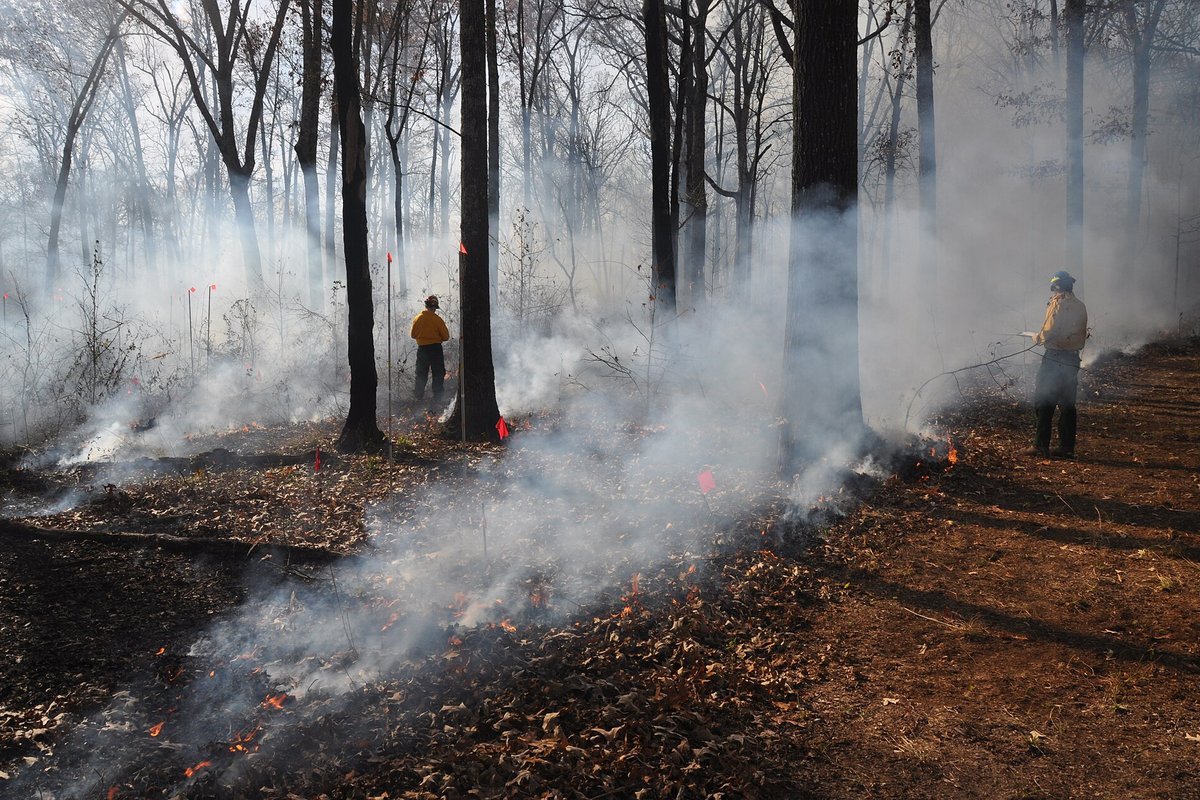
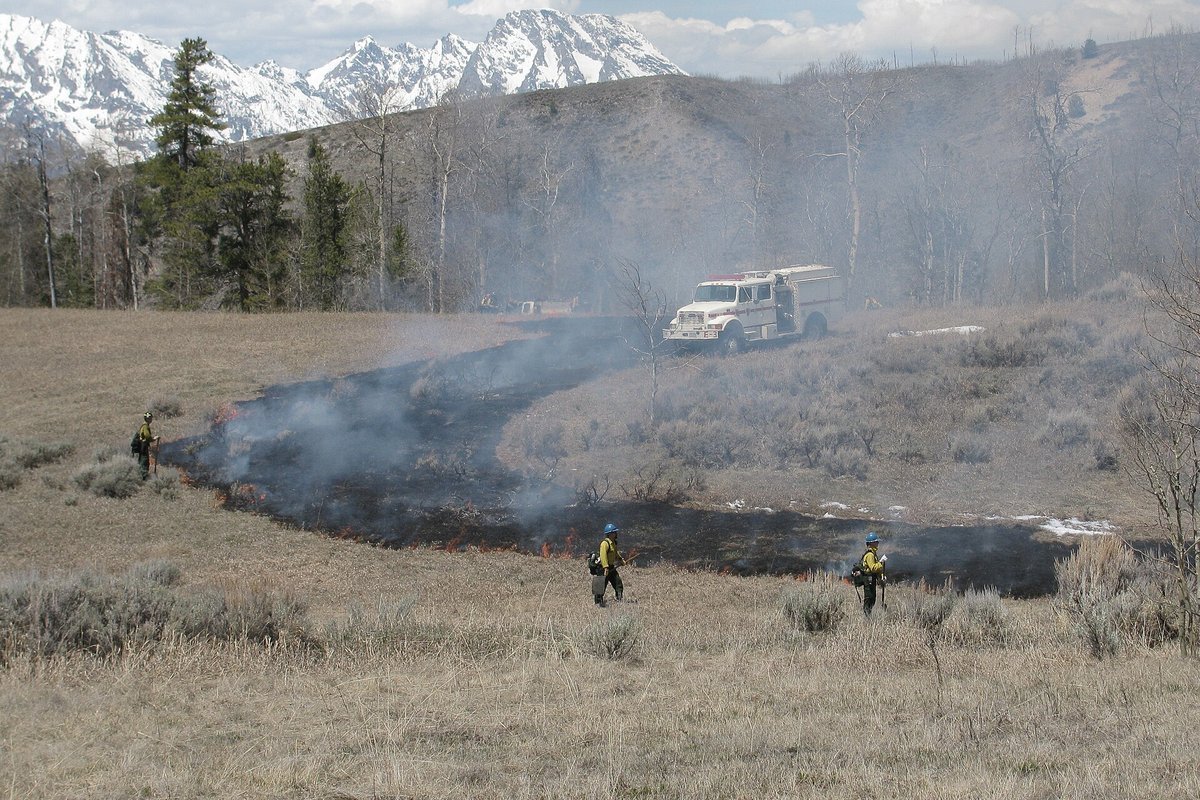
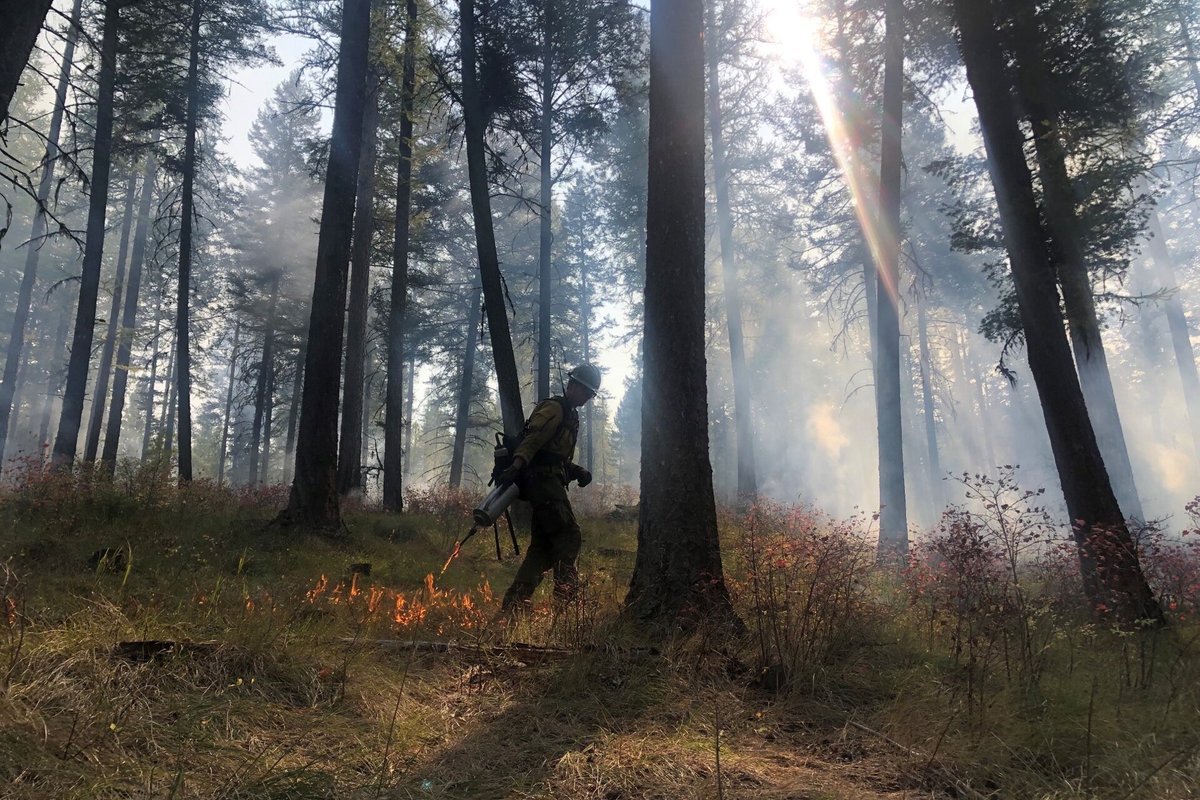
- Landscape-Scale Forest Restoration: Directing strategic forest thinning, mechanical mastication, and prescribed fire treatments on state, tribal, and private timberlands in high-risk priority watersheds.
- Wildland-Urban Interface (WUI) Identification: Directing the Oregon Department of Forestry and Oregon State University (OSU) to develop a detailed, parcel-level Wildfire Hazard Map classifying properties based on historical fire weather, topography, and vegetative fuel loads.
- Community Defense and Built-Environment Hardening: Mandating fire-resistant construction standards for new structures and establishing enforceable defensible space perimeters around existing residential dwellings.
While the initial administrative rollout of the statewide risk map encountered significant public pushback regarding property insurance impacts and classification accuracy, lawmakers and administrative agencies engaged in an intensive, county-by-county public refinement process. The restructured hazard map replaced subjective risk labels with objective, scientific hazard classifications, providing homeowners, local fire districts, and insurance underwriters with transparent, verifiable spatial data.
WUI Building Codes: Engineering Fire-Resistant Residential Structures
The most enduring physical legacy of Oregon’s legislative overhaul is the adoption of the updated R327 Wildfire-Urban Interface Building Standards by the Oregon Building Codes Division (codified under Oregon Administrative Rules Chapter 918). Effective across all designated high-hazard WUI zones, these building regulations enforce structural hardening techniques designed to prevent home ignition during ember storms—the primary cause of residential loss in major conflagrations.
Under the revised building code, all newly permitted residential construction and substantial renovations in high-hazard zones must incorporate:
- Class A Fire-Rated Roofing Assemblies: Non-combustible architectural metal, concrete tile, or certified composition shingle systems that prevent exterior ignition.
- Ember-Resistant Attic and Crawlspace Vents: Corrosion-resistant metal mesh screening with aperture sizes no larger than one-eighth of an inch, or certified baffling assemblies that prevent burning embers from penetrating into interior structural framing.
- Tempered Multi-Pane Glazing: Exterior windows featuring dual-pane tempered glass, which resists thermal stress cracking up to four times longer than standard annealed glass.
- Non-Combustible Exterior Cladding and Decking: Cementitious fiber siding, brick veneer, stone, or stucco, paired with ignition-resistant decking materials within thirty feet of the residential footprint.
To assist existing homeowners in retrofitting older homes built prior to modern WUI codes, the Oregon State Fire Marshal established the Community Wildfire Risk Reduction Grant program. This initiative distributes financial assistance directly to low- and moderate-income homeowners in rural communities such as Ashland, Sisters, and Canyonville, subsidizing the installation of ember-resistant vents, metal gutter guards, and fire-resistant siding.
| Regulatory Agency / Program | Statutory Authority | Primary Responsibility | Funding & Execution Metric | Community Impact |
|---|---|---|---|---|
| Oregon Dept. of Forestry (ODF) | SB 762 / ORS § 477.027 | Statewide Wildfire Hazard Map & landscape thinning | $85M state landscape investment | 120,000+ forested acres treated |
| Office of State Fire Marshal (OSFM) | ORS § 476.392 | Defensible space code enforcement & community grants | $35M local brigade & hardening grants | 14,000+ rural properties assisted |
| Building Codes Division (BCD) | OAR 918-050-0110 (R327) | Mandatory WUI building codes for new construction | Statewide residential building code | Universal compliance on new permits |
| Division of Financial Regulation (DFR) | ORS § 746.015 | Property insurance oversight & mitigation credit rules | Statewide insurer compliance orders | Mandatory insurance discounts for hardening |
| Oregon State University (OSU) | SB 762 Research Mandate | Wildfire science modeling & vegetative risk analytics | $10M university research partnership | Annual spatial hazard updates |
Defensible Space Standards: The 100-Foot Concentric Zone Mandate
Structural hardening represents only half of the survival equation. To prevent wildfire from traveling across continuous fuels and directly contacting residential siding, the Office of the State Fire Marshal promulgated binding defensible space rules structured around concentric zones radiating from the primary structure:
Zone 0 (Immediate Non-Combustible Zone, 0 to 5 feet): The first five feet surrounding a residence is strictly designated as an ember-free zone. Homeowners must remove all organic mulch, stacked firewood, combustible vegetation, and low-hanging tree branches touching the structure. Non-combustible gravel, pavers, or bare earth must surround the foundation.
Zone 1 (Lean, Clean, and Green Zone, 5 to 30 feet): This intermediate zone requires careful fuel separation. Lawns must be mowed and maintained green, individual shrub clusters must be separated by non-flammable spacing, and all trees must be pruned to eliminate “ladder fuels”—lower branches below six to ten feet that allow ground fires to climb into the forest canopy.
Zone 2 (Reduced Fuel Zone, 30 to 100 feet): The outer buffer focuses on canopy thinning and heavy deadwood removal. Tree crowns must maintain a minimum ten-foot horizontal separation, accumulated ground slash must be removed or chipped, and annual grasses must be mowed to a maximum height of four inches.
Electric Utility Wildfire Mitigation Plans (WMPs) and Grid De-Energization Oversight
A critical statutory dimension of Oregon’s wildfire resilience apparatus is the rigorous oversight of electric utility infrastructure under Senate Bill 762 (codified under ORS § 757.663). Historical catastrophic blazes, including the 2020 Santiam Canyon and Holiday Farm fires, underscored the extreme hazards posed by high-voltage transmission lines and wooden distribution poles traversing dense forest canopies during dry, east-wind gale events.
Under regulations enforced by the Oregon Public Utility Commission (PUC), electric investor-owned utilities (including PacifiCorp and Portland General Electric) must submit comprehensive annual Wildfire Mitigation Plans. These binding plans mandate extensive physical capital investments: undergrounding vulnerable rural distribution lines, replacing bare overhead copper conductors with insulated “covered tree-wire,” installing fast-tripping microprocessor relays that shut off power in milliseconds if an object contacts a line, and deploying high-definition AI-powered wildfire detection cameras across remote mountain passes. When extreme weather exceeds critical thresholds, utilities execute staged Public Safety Power Shutoffs (PSPS), coordinating closely with county emergency management agencies to safeguard rural healthcare facilities and critical water pumping infrastructure while eliminating the spark risk of electric utility ignitions.
Preserving Rural Property Insurance Stability
As western wildfires intensified, major property insurance carriers began non-renewing policies and dramatically escalating premiums in forested zip codes across Central and Southern Oregon. In response, the Oregon Division of Financial Regulation (DFR) issued administrative rules requiring insurance companies operating in Oregon to consider verifiable property mitigation before canceling coverage or denying renewals.
Under these DFR regulations, property insurers must provide transparent premium discounts to homeowners who achieve certified community fire-adaptation standards—such as the National Fire Protection Association’s (NFPA) Firewise USA designation—or complete verified Zone 0 and Zone 1 defensible space treatments. Furthermore, the state expanded the capacity of the Oregon FAIR Plan Association (ORS § 735.015), the state-mandated insurer of last resort, ensuring that rural property owners can secure basic catastrophic property coverage while completing required structural hardening retrofits.
At the local governance level, county planning departments are harmonizing municipal land-use ordinances with Oregon Statewide Planning Goal 7 (Natural Hazards). Through updated Community Wildfire Protection Plans (CWPPs), municipal fire districts in Deschutes, Jackson, and Klamath counties conduct individualized parcel assessments, identifying secondary emergency evacuation routes, establishing neighborhood emergency water cisterns, and mapping high-risk structural clusters. Local governments have also deployed specialized chipping and slash-disposal voucher programs, giving property owners cost-free opportunities to dispose of thinned brush and ladder fuels rather than resorting to open-air burning.
Through the integration of science-based hazard mapping, mandatory building standards, enforceable defensible space buffers, and regulatory insurance safeguards, Oregon has established a balanced, resilient wildfire defense architecture. Rather than retreating from fire-prone landscapes, the Beaver State is demonstrating how communities can adapt their built environment to coexist safely with the natural fire regimes of Pacific Northwest forests.