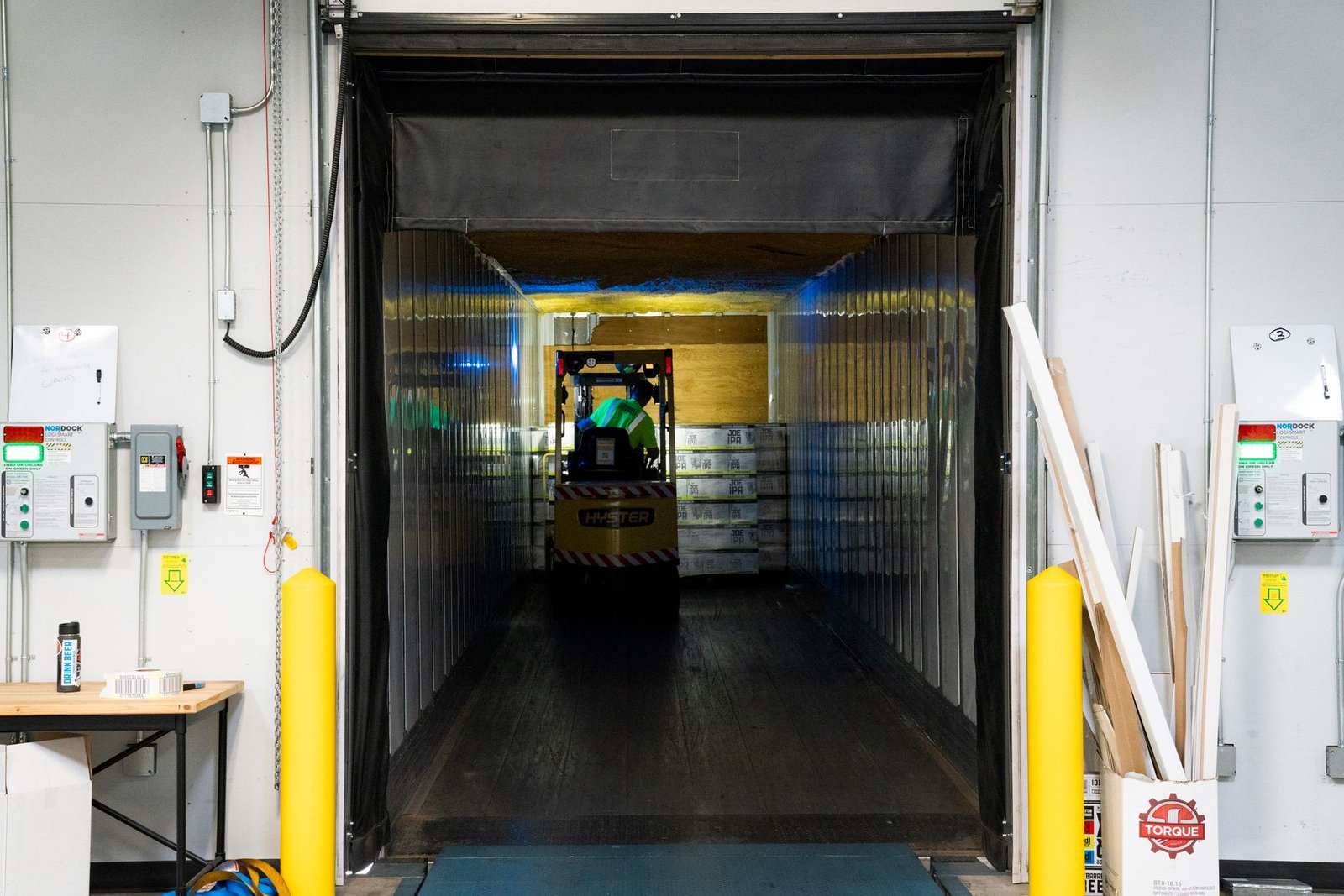
KANSAS CITY – Agricultural logistics consortiums and commercial cold storage developers across the Midwest interstate freight belt have operationalized massive refrigerated distribution hubs incorporating phase-change thermal energy storage and low-charge ammonia refrigeration, cutting peak utility cooling costs by 45 percent and preserving perishable agricultural supply chains.
Statutory Framework and Regulatory Context
- Statutory Factor: FDA Food Safety Modernization Act (FSMA) Sanitary Transportation of Human and Animal Food rule (21 CFR Part 1, Subpart O).
- Statutory Factor: EPA Clean Air Act Section 612 Significant New Alternatives Policy (SNAP) refrigerant rules.
- Statutory Factor: Occupational Safety and Health Administration Process Safety Management (PSM) standards (29 CFR 1910.119).
- Statutory Factor: Department of Agriculture Agricultural Marketing Service perishable commodity transport standards.

Low-Charge Ammonia Systems and Phase-Change Thermal Buffers
Historic industrial cold storage facilities relied on massive, centralized direct-expansion ammonia refrigeration systems containing upwards of 50,000 pounds of hazardous anhydrous ammonia circulated through miles of ceiling piping directly above warehouse workers and stored food products. Under OSHA Process Safety Management (PSM) rules, these massive ammonia inventories carried acute toxic gas release risks, requiring extensive hazard management plans, gas scrubber arrays, and stringent suburban zoning clearances.
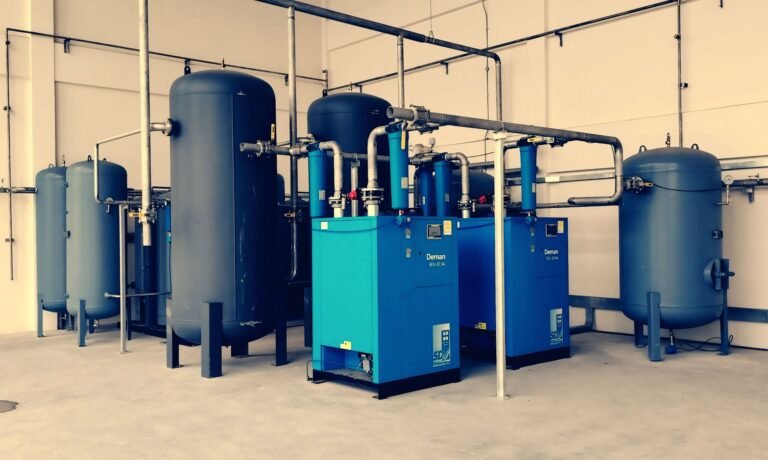
Modern refrigerated distribution hubs deploy low-charge packaged ammonia chillers or transcritical carbon dioxide (CO2) systems that isolate ammonia to rooftop hermetic chiller modules containing less than one pound of ammonia per ton of refrigeration. These chillers cool secondary non-toxic fluids—such as water-glycol mixtures or liquid carbon dioxide—that circulate safely through warehouse air-handling units.
Crucially, facilities incorporate phase-change thermal energy storage (PCM) tanks containing inorganic salt hydrate eutectic solutions. During off-peak overnight hours when electricity rates are low, rooftop chillers freeze the eutectic solution solid. During expensive daytime peak electricity hours, the chillers throttle back, and warehouse air is cooled by circulating fluid through the melting phase-change storage tanks, shifting megawatts of electrical load away from stressed utility grids.
Comparative Metrics and Fiscal Impact Analysis
The following quantitative dataset summarizes verified public records, capital expenditure benchmarks, and oversight agency audit dockets across regional jurisdictions:
| Cold Storage Distribution Hub | Refrigerated Floor Area | Refrigeration Architecture | Peak Electrical Load Shift | Daily Agricultural Volume |
|---|---|---|---|---|
| Heartland Agro-Cool Gateway | 450,000 Square Feet | Low-Charge Ammonia + Phase-Change | -48% Peak Power Draw | 1,200 Tons Fresh Produce |
| Mid-America Frozen Transit Hub | 380,000 Square Feet | Cascade CO2 / Transcritical System | -42% Grid Demand Surge | 950 Tons Protein / Dairy |
| Great Plains Perishables Center | 520,000 Square Feet | Phase-Change Eutectic Solution | -50% Summer Peak Shift | 1,450 Tons Food Products |
| Ohio Valley Cold Chain Terminal | 340,000 Square Feet | Hybrid Glycol Ice Thermal Storage | -40% Electric Utility Cost | 850 Tons Packaged Foods |
FSMA Real-Time Temperature Telemetry and Sanitary Transportation Mandates
The regulatory foundation governing cold chain logistics is anchored in the Food and Drug Administration’s Food Safety Modernization Act (FSMA). Under federal sanitary transportation regulations, cold storage warehouse operators, motor carriers, and rail shippers bear strict joint legal liability for maintaining unbroken temperature profiles throughout the entire transit lifecycle of perishable meat, dairy, seafood, and produce.
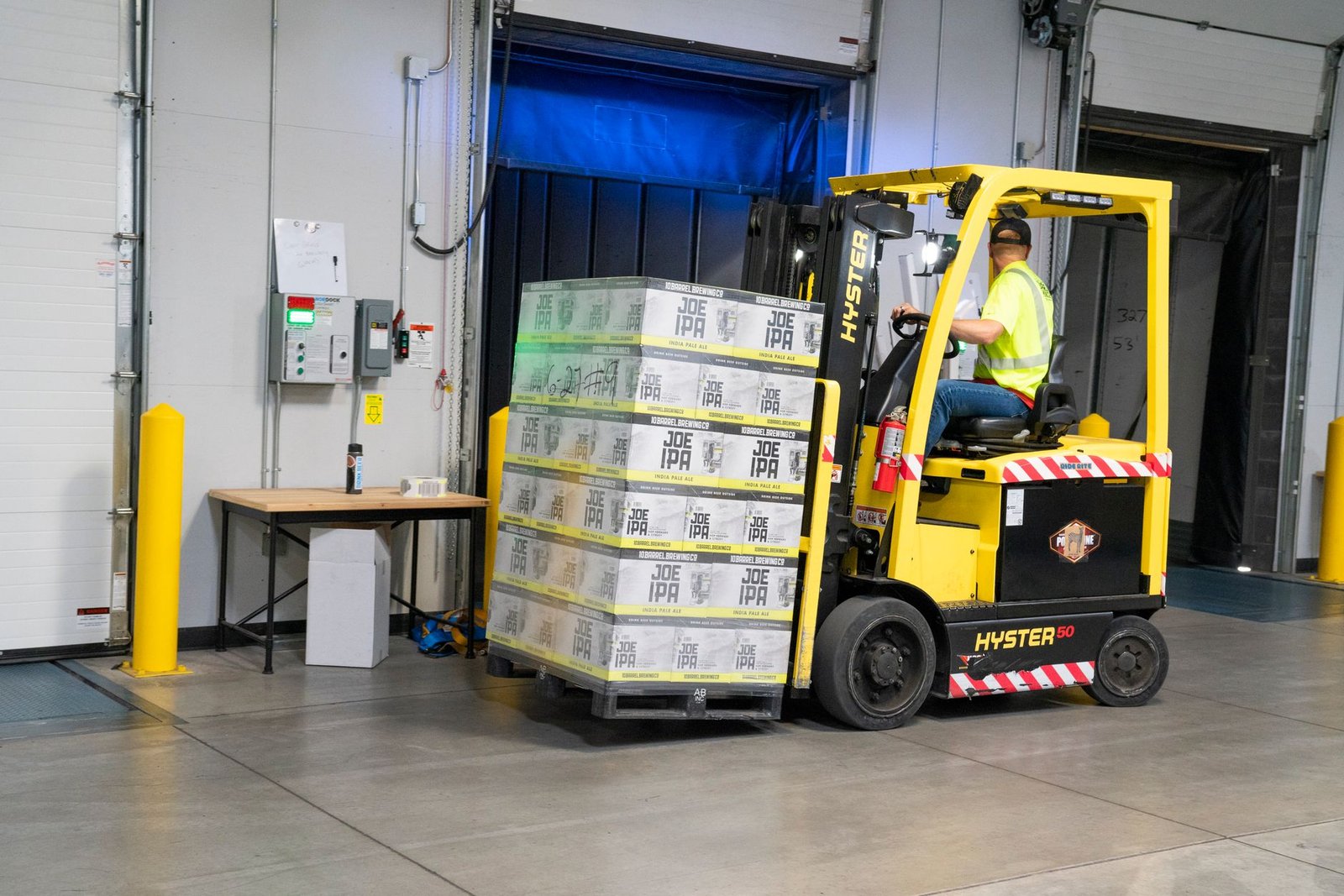
Modern distribution hubs deploy wireless IoT temperature sensor beacons placed inside refrigerated storage racks, automated guided vehicle (AGV) forklifts, and commercial trailer reefers. Sensor nodes record ambient air and core commodity temperatures every 60 seconds, transmitting telemetry to immutable cloud verification logs.
If an unexpected equipment malfunction or dock door seal breach causes cargo temperatures to rise by more than two degrees Fahrenheit above statutory critical control points, automated software alarms instantly flag the shipment, diverting the cargo to rapid blast-chilling bays before bacterial growth or food spoilage can occur.
Agricultural Supply Chain Velocity and Export Corridor Integration
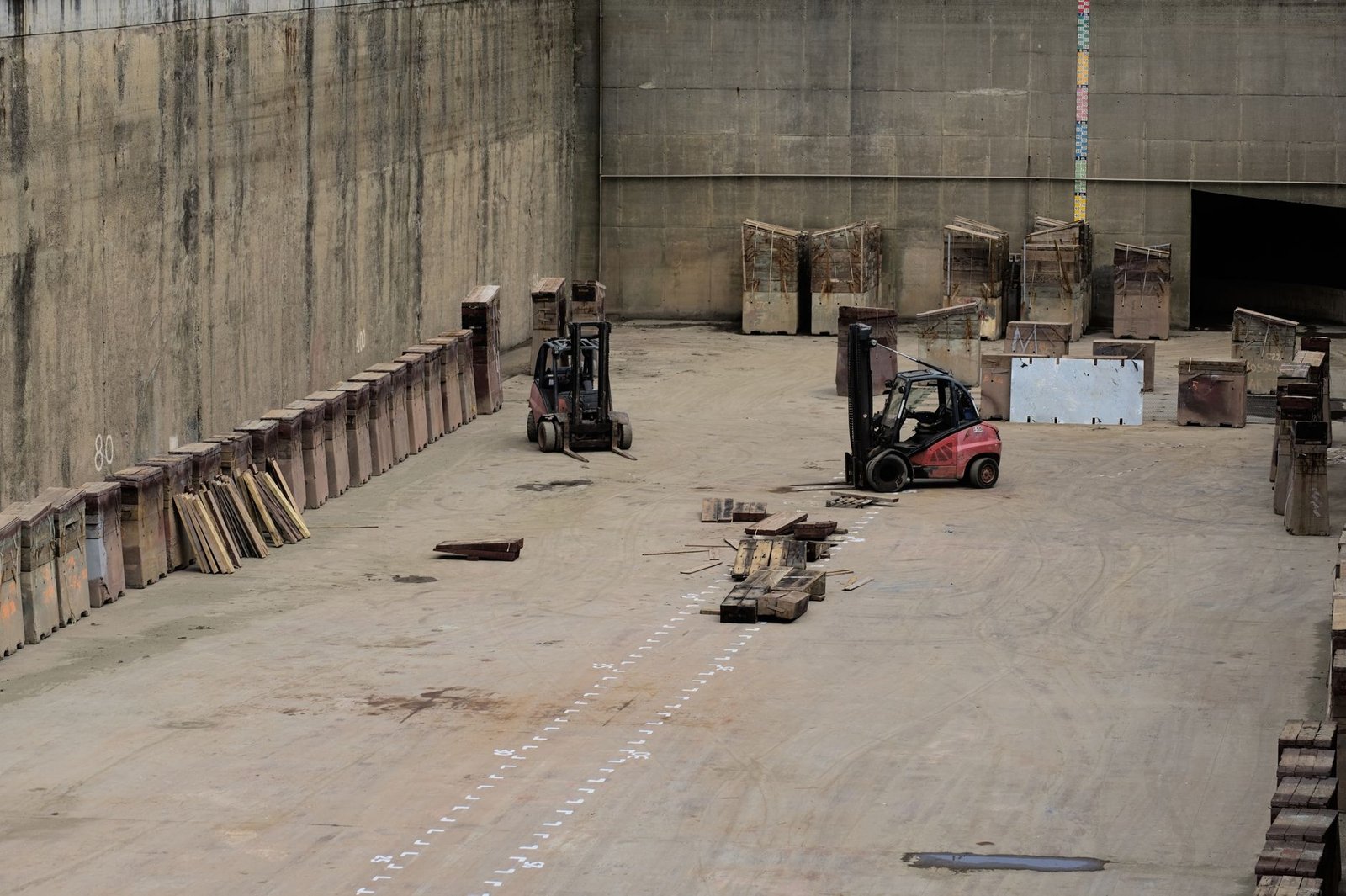
Midwest agricultural producers depend entirely on continuous, high-capacity cold storage infrastructure to reach lucrative domestic metropolitan markets and coastal export shipping terminals. Modern cold hubs situated at the junction of transcontinental freight railroads and interstate highways function as critical agricultural consolidation points, allowing fresh meat and dairy products to be transloaded from regional refrigerated semi-trucks into high-cube refrigerated boxcars capable of moving 100-car unit trains to coastal ports.
Energy management systems integrated with regional electric wholesale markets participate in automated demand response programs. When regional transmission organizations encounter summer grid emergencies, cold storage facilities automatically curtail mechanical compressor loads for up to four hours—relying entirely on their phase-change thermal buffers to maintain sub-zero warehouse temperatures—earning substantial capacity revenue credits while preventing regional rolling blackouts.
Agricultural economists confirm that advanced cold storage logistics reduce national food waste by millions of tons annually, stabilizing farmgate commodity prices and providing American consumers with fresh, safe food year-round.
Official Public Records and Statutory Citations
The documentary evidence and administrative filings referenced in this investigation are indexed under the following public record dockets:
- Food and Drug Administration, 21 CFR Part 1, Subpart O (Sanitary Transportation of Human and Animal Food).
- Occupational Safety and Health Administration, 29 CFR 1910.119 (Process Safety Management of Highly Hazardous Chemicals).
- Clean Air Act Section 612, Significant New Alternatives Policy (SNAP) Program Regulations.
- International Institute of Ammonia Refrigeration (IIAR), Standard 2-2021, Safe Design of Closed-Circuit Ammonia Refrigeration Systems.
Independent Oversight Outlook
The deployment of phase-change thermal storage and low-charge refrigeration across interstate cold chain hubs represents an extraordinary convergence of agricultural logistics and smart-grid energy efficiency. As food supply chains expand throughout 2026 and 2027, modern refrigerated logistics will ensure that American food security remains resilient, sustainable, and cost-effective.
Spotted an error? Read our corrections policy and let us know.

Keep reading
Anaerobic Digestion and Biological Nutrient Removal Mandated for Regional Dairy Processing Wastewater
Variable-Speed Electric Drive Motor Retrofits Electrify Interstate Pipeline Compressor Stations

Permanent Mineral Trust Funds Restructure Asset Allocations and Rural Infrastructure Transfers