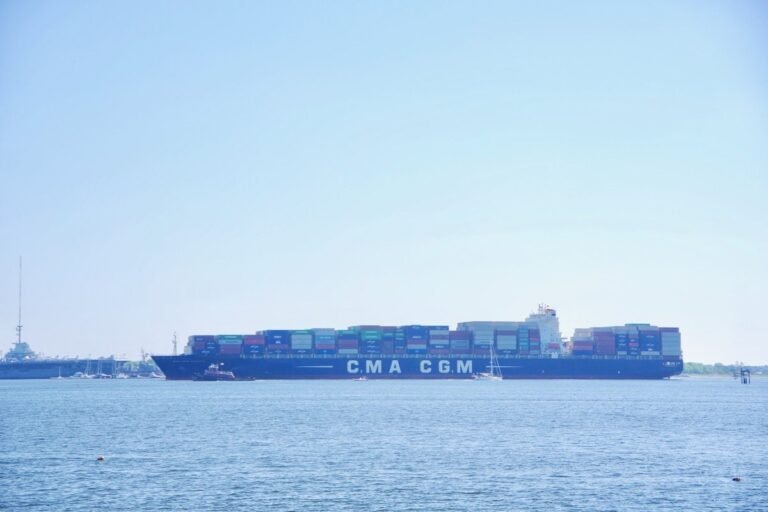
Positioned at the geographical nexus of transcontinental rail corridors and major interstate freight arterials, the Utah Inland Port Authority (UIPA) represents one of the most ambitious and contested civic infrastructure initiatives in modern Intermountain West history. Established by the Utah State Legislature under Utah Code Ann. § 11-58-101 et seq., the authority oversees a multi-jurisdictional logistics and industrial network designed to optimize freight movement, alleviate coastal seaport congestion, and transition long-haul freight from diesel highway trucking to electrified intermodal rail. However, because the flagship jurisdictional project area encompasses over 16,000 acres in Salt Lake City’s Northwest Quadrant—directly abutting the globally significant, ecologically fragile wetland ecosystems of the Great Salt Lake—the project operates under intense regulatory scrutiny. Through binding environmental mitigation frameworks, strict light and noise abatement mandates, and a decentralized “hub-and-spoke” regional project area model, Utah is attempting to demonstrate how large-scale industrial freight modernization can coexist with critical watershed conservation and regional air quality imperatives.
Statutory Genesis and the Utah Inland Port Authority Act: Balancing Sovereignty and State Industrial Ambition
The legislative origins of the Utah Inland Port Authority reflect a complex struggle over municipal zoning autonomy, industrial economic development, and state sovereign authority. Enacted in 2018 under Senate Bill 234 and substantially reformed through subsequent legislative amendments, the Utah Inland Port Authority Act established a statewide authority tasked with developing modern intermodal logistics facilities. The primary objective was to leverage Utah’s geographic advantage—situated within a one-day truck or rail transit radius of major Pacific Coast seaports in Los Angeles, Long Beach, and Oakland, as well as burgeoning interior markets across Denver, Phoenix, and Boise.
Initial statutory friction arose because the legislature granted UIPA broad zoning, taxation, and administrative powers over land located within the municipal boundaries of Salt Lake City. Municipal leaders and environmental conservation advocates raised grave concerns regarding local land-use preemption, loss of municipal property tax increment, and the unchecked industrialization of the Northwest Quadrant—the last remaining contiguous tract of undeveloped land adjacent to Salt Lake City International Airport. Protracted intergovernmental negotiations ultimately yielded an overhauled statutory framework: Salt Lake City retained municipal land-use and regulatory authority, while the port authority established a restructured governance board with municipal, county, and statewide stakeholders, accompanied by a legally binding revenue-sharing agreement that directs a dedicated percentage of port-generated tax increment to affordable housing and environmental remediation.
Crucially, the modern statutory structure shifted UIPA’s strategic focus from a single, centralized mega-terminal in Salt Lake City toward a decentralized network of regional project areas. Under Utah Code § 11-58-501, rural and suburban counties across Utah can voluntarily petition the port authority to establish localized “satellite” project areas—such as the Golden Spike Project Area in Box Elder County, the Mineral Mountains Project Area in Beaver County, and the Verk Industrial Park in Spanish Fork. This distributed freight topology disperses industrial traffic, fosters rural economic development along existing Class-I rail corridors, and diminishes environmental pressure on the Salt Lake Valley airshed.
Intermodal Rail Logistics and Supply Chain Optimization: The Union Pacific Connection
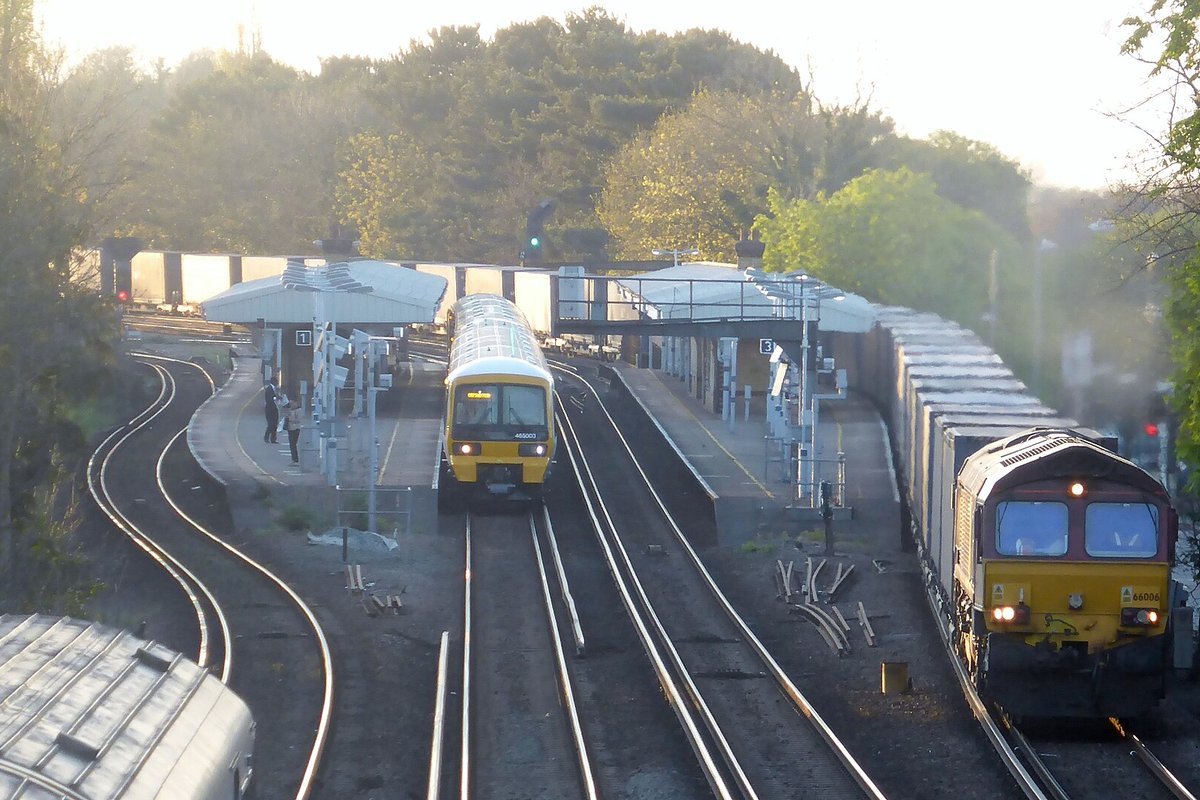
The operational core of the Utah Inland Port rests upon maximizing intermodal rail connectivity to displace long-haul commercial highway trucking. Intermodal transportation—moving shipping containers interchangeably between ocean cargo vessels, freight rail flatcars, and motor carrier chassis—delivers immense energy efficiency advantages. According to federal transportation metrics, moving freight by rail produces up to 75 percent fewer greenhouse gas emissions per ton-mile compared to heavy-duty diesel trucks.
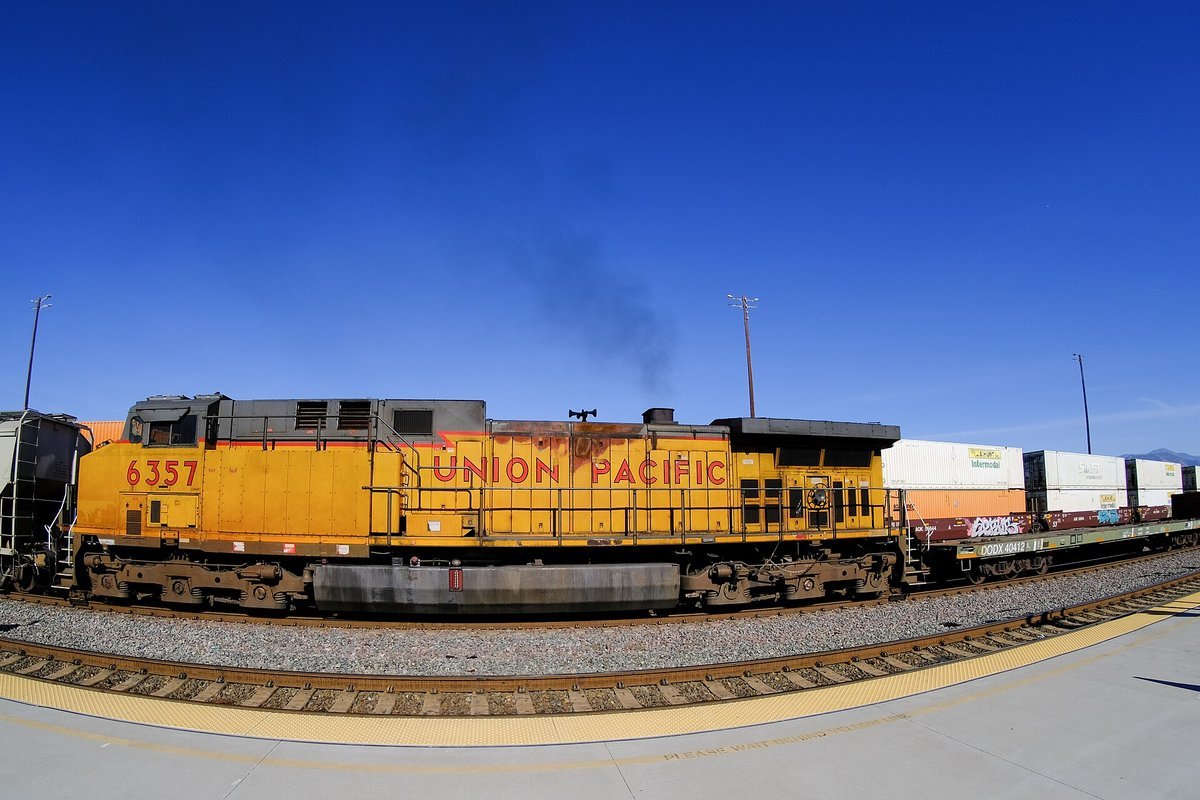
Utah’s freight network is anchored by Union Pacific Railroad’s transcontinental mainline, which bisects northern Utah, and the high-volume intermodal ramp in Salt Lake City. Under UIPA’s operational master plan, freight arriving at congested West Coast marine ports is loaded directly onto rail flatcars, bypassing local coastal highway networks and traveling directly to Utah. Once situated at inland staging yards, containers undergo automated customs clearance, container sorting, and localized distribution, transforming Utah into a vital inland dry port.
To support this high-velocity intermodal throughput, infrastructure investments have prioritized rail switching modernization, dedicated industrial spurs, and dual-carriageway access roads that segregate heavy freight from commuter vehicular corridors. Furthermore, UIPA has incentivized tenants to deploy zero-emission cargo handling equipment, including electric yard hostlers, automated rail-mounted gantry (RMG) cranes, and high-capacity battery-electric switching locomotives. This technological transition directly supports the State of Utah’s freight mobility objectives while curtailing localized particulate matter (PM2.5) and nitrogen oxide emissions.
| Project Area / Facility | Location & Footprint | Statutory Focus | Key Logistics Infrastructure | Environmental & Community Protections |
|---|---|---|---|---|
| Northwest Quadrant (Flagship) | Salt Lake City (16,000 Acres) | Global logistics & advanced manufacturing | Direct I-80/I-215 access, Union Pacific main spur | Mandatory shoreline buffer, Dark Sky lighting, zero-emission yard equipment |
| Golden Spike Project Area | Box Elder County (3,100 Acres) | Aerospace, composites & agricultural logistics | Union Pacific transcontinental mainline siding | Agricultural land conservation easements & water-neutral tenant criteria |
| Verk Industrial Park | Spanish Fork, Utah County (1,400 Acres) | Light manufacturing & regional distribution | I-15 commercial interchange & dual-track rail spur | Air quality offsets & municipal traffic mitigation fee integration |
| Iron Springs Project Area | Cedar City, Iron County (2,200 Acres) | Southern Utah mining, rail cargo & timber | Connecting rail spur to Las Vegas/California line | Groundwater recharge district protections & industrial wastewater monitoring |
| Northwest Ute Project Area | Uintah County (1,800 Acres) | Energy materials, minerals & rural freight | Highway corridor intermodal freight consolidation | Tribal consultation protocols & strict fugitive dust containment plans |
Ecosystem Defenses: Safeguarding the Great Salt Lake Shoreline and Migratory Flyways
The most acute technical and ethical challenge confronting the Utah Inland Port Authority is its physical proximity to the Great Salt Lake. The lake and its perimeter wetlands represent an ecological lifeline of continental importance, serving as a critical staging and breeding ground for over ten million migratory waterfowl and shorebirds traveling along the Pacific Americas Flyway. Furthermore, prolonged regional drought and upstream water diversions have driven the lake to historic low elevations, exposing thousands of square miles of dry lakebed laden with fine alkaline dust and trace heavy metals, creating a severe public health hazard for the more than two million residents living along the Wasatch Front.
In response to rigorous environmental impact analyses and public advocacy, the port authority enacted a comprehensive Environmental Sustainability Policy framework that establishes legally binding development constraints across the Northwest Quadrant. Primary among these is the establishment of a mandatory environmental buffer zone: no industrial warehouses, asphalt paving, or container yards may be constructed within designated riparian wetlands, natural alkali playa habitats, or within critical shorebird nesting zones bordering the Great Salt Lake Shorelands Preserve.
Beyond spatial buffers, UIPA implemented strict operational engineering standards. To eliminate light pollution that disorients nocturnal migratory birds, all newly constructed logistics facilities must comply with International Dark-Sky Association (IDA) commercial lighting standards, requiring fully shielded down-lit LED fixtures with warm color temperatures below 3000 Kelvin. Water stewardship mandates require commercial tenants to incorporate closed-loop industrial water recycling systems, prohibiting water-intensive evaporative cooling towers or high-volume effluent discharge into the Great Salt Lake watershed.

Air Quality Governance and Wasatch Front Environmental Monitoring
The Salt Lake Valley is physiographically vulnerable to severe winter temperature inversions, where cold, dense air becomes trapped beneath a warm atmospheric layer, accumulating fine particulate matter (PM2.5) and smog between the Wasatch and Oquirrh mountain ranges. Because transportation represents a dominant contributor to regional air quality degradation, the introduction of a major freight hub prompted intense regulatory oversight from the Utah Division of Air Quality (DAQ) and the U.S. Environmental Protection Agency (EPA).
To monitor emissions in real time, UIPA funded the deployment of an advanced sensory monitoring grid consisting of continuous optical particle counters, nitrogen dioxide sensors, and meteorological flux towers installed throughout the port boundary. Data from these environmental monitoring stations is transmitted publicly to regional researchers at the University of Utah and Utah State University, ensuring transparent scientific oversight.
Furthermore, UIPA created the Clean Air Freight Initiative, providing targeted financial rebates to freight operators that convert diesel truck fleets to zero-emission battery-electric or hydrogen fuel cell drivetrains for local drayage operations. Combined with high-efficiency electrified rail sidings and mandatory anti-idling regulations enforced across all loading docks, the authority seeks to decouple industrial freight volume growth from localized particulate emissions.
Tax Increment Financing, Public Accountability, and the Long-Term Economic Horizon
The financing mechanism funding inland port infrastructure relies on Tax Increment Financing (TIF) under Utah Code Ann. § 11-58-Part 5. Rather than utilizing state general fund appropriations or imposing new municipal taxes, UIPA captures a portion of the newly generated property tax revenues resulting from the increased taxable value of industrial real estate improvements. By statute, 10 percent of all port-generated tax increment must be automatically transferred to local housing authorities to fund affordable housing developments within surrounding communities, directly mitigating demographic and housing affordability pressures.
An additional 10 percent of port increment is dedicated to an Environmental Remediation and Habitat Restoration Fund, which finances wetland preservation easements, invasive phragmites weed eradication, and native shoreline revegetation projects along the Great Salt Lake rim. The remaining increment finances trunk-line utility extensions, high-voltage electrical substations, fiber optic telecommunications networks, and grade-separated rail crossings.
The long-term trajectory of the Utah Inland Port Authority reflects the modern evolution of American industrial geography. By transitioning away from an unchecked mega-development paradigm toward a disciplined, multi-regional network governed by enforceable ecological baselines, Utah is establishing a comprehensive blueprint for western supply chain infrastructure. Through strict statutory compliance, continuous environmental monitoring, and deep capital investments in intermodal freight electrification, the authority is building a resilient commercial gateway capable of sustaining regional prosperity while preserving the irreplaceable ecological heritage of the Great Salt Lake.