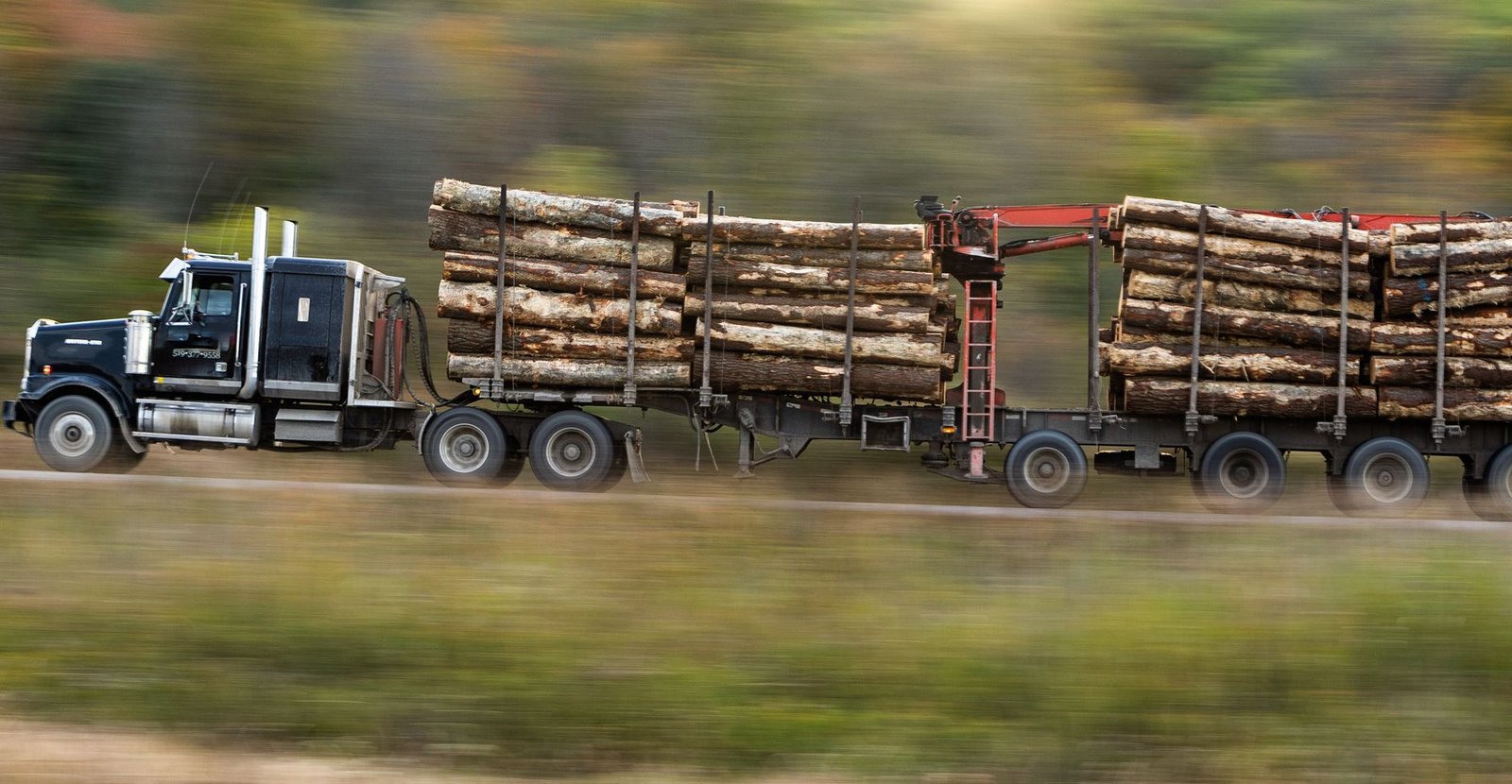
JACKSON – State transportation departments across the Southeastern timber belt have accelerated structural load-rating evaluations for off-system timber bridges under federal National Bridge Inspection Standards, issuing emergency weight derating postings that force heavy logging trucks to detour dozens of miles around structurally deficient rural crossings.
Statutory Framework and Regulatory Context
- Statutory Factor: Federal Highway Administration 23 CFR Part 650 National Bridge Inspection Standards.
- Statutory Factor: FAST Act emergency vehicle and specialized haul vehicle (SHV) bridge load-rating rules.
- Statutory Factor: State Department of Transportation commercial vehicle timber harvest permitting exceptions.
- Statutory Factor: Federal-Aid Highway Emergency Relief program bridge replacement funding criteria.
Specialized Hauling Vehicles and Bridge Dynamic Load Ratings
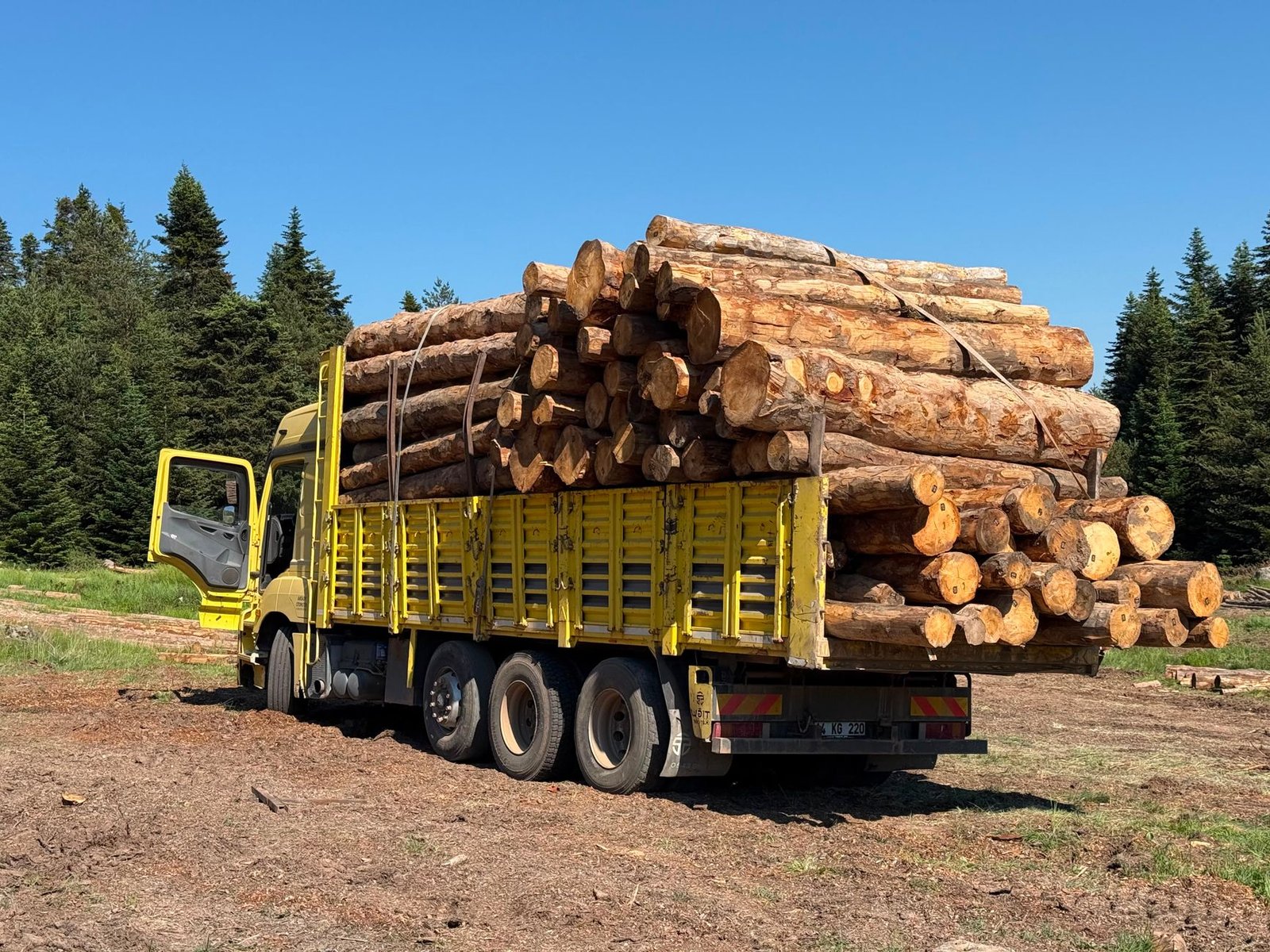
For decades, rural county road bridges across southern pine timber basins were rated for standard commercial semi-trailers operating on the federal bridge formula. However, the commercial logging industry increasingly deployed Specialized Hauling Vehicles (SHVs)—multi-axle vocational trucks featuring four to seven closely spaced axles designed to maximize payload capacity up to 88,000 pounds. While compliant with gross vehicle weight limits, closely spaced heavy axles induce severe localized shear stresses on short-span timber and concrete bridges.
Under revised FHWA directives, state transportation agencies were mandated to re-evaluate every bridge span under specialized SHV loading models. Structural calculations revealed that hundreds of historic rural bridges constructed in the 1950s and 1960s with untreated timber pilings, rusted steel stringers, or cracked concrete T-beams suffered from dangerous structural stress concentrations under modern logging truck configurations.
State bridge engineers were statutorily required to immediately post emergency weight restrictions—often reducing bridge load limits from legal 80,000-pound limits down to 15 or 20 tons—prohibiting loaded logging trucks from crossing.
Comparative Metrics and Fiscal Impact Analysis
The following quantitative dataset summarizes verified public records, capital expenditure benchmarks, and oversight agency audit dockets across regional jurisdictions:
| Timber Basin Route | Posted Weight Restriction | Logging Truck Detour | Annual Hauler Operating Surcharge | Bridge Replacement Priority |
|---|---|---|---|---|
| Piney Woods County Bridge 14 | Derated to 18 Tons | 34-Mile Rural Detour | $48,000 per Logging Fleet | Priority 1 Replacement |
| Pearl River Timber Causeway | Derated to 22 Tons | 28-Mile County Routing | $36,000 per Hauler | Engineering Design Phase |
| Ocmulgee River Forestry Span | Derated to 15 Tons | 42-Mile Two-Lane Detour | $62,000 Fleet Impact | Emergency Grant Allocated |
| Tombigbee Logging Crossing | Derated to 20 Tons | 31-Mile Circuitous Route | $44,000 Operational Cost | Scheduled for 2026 Letting |

Economic Friction on Rural Forestry and Mill Deliveries
The sudden wave of rural bridge weight postings has inflicted severe economic disruption on the Southern forest products industry, which represents the largest manufacturing sector in states like Mississippi, Alabama, and Georgia. Because paper mills, wood pellet plants, and sawmill facilities operate on rigid continuous-production schedules, log haulers cannot afford delivery delays.
Detours around posted bridges regularly add 25 to 45 miles to a single round-trip log haul over narrow, unpaved gravel roads. Forestry economic impact assessments demonstrate that detours increase diesel fuel consumption, accelerate truck tire wear, and reduce the number of daily loads a single truck driver can deliver from four loads down to two, slashing logging contractor profit margins and forcing rural logging outfits to idle operations.
Timber landowners have seen their stumpage timber sale values drop by up to 20 percent as sawmills deduct elevated haulage freight costs directly from payments to rural private forest owners.
Accelerated Bridge Bundling and State Timber Infrastructure Grants
To resolve the crisis without bankrupting rural county road commissions that lack local tax revenue to replace multimillion-dollar bridge networks, state legislatures have established targeted rural bridge replacement funds. Transportation departments are deploying ‘bridge bundling’ procurement models, packaging 15 to 30 deficient rural bridges into a single regional design-build contract.
Contractors utilize prefabricated modular bridge elements—such as precast prestressed concrete hollow-core slabs and pre-engineered weathering steel beam spans—that can be installed within two to three weeks, compared to six months for traditional cast-in-place concrete construction. Modular bridge replacements restore full 88,000-pound commercial load ratings while minimizing local road closure durations.
State forestry associations and county road supervisors have praised the accelerated bridge bundling program, noting that modernizing rural crossings protects public safety while securing the future of America’s working forests.
Official Public Records and Statutory Citations
The documentary evidence and administrative filings referenced in this investigation are indexed under the following public record dockets:
- Federal Highway Administration, Memorandum on Load Rating of Specialized Hauling Vehicles (November 2013 / Enforced 2024-2026).
- United States Code, Title 23, Section 151 (National Bridge Inspection Standards).
- Mississippi Code Annotated, Title 65, Chapter 1 (State Highway Commission Bridge Oversight).
- Southern Group of State Foresters, Regional Timber Transportation and Infrastructure Impact Study.
Independent Oversight Outlook
The structural rehabilitation of rural bridges across the Southern timber belt represents an essential investment in foundational American supply chains. Through state bridge bundling initiatives and federal infrastructure grants through 2026 and 2027, rural bridge networks will be permanently upgraded to support modern commercial transport.
Spotted an error? Read our corrections policy and let us know.
Keep reading
Anaerobic Digestion and Biological Nutrient Removal Mandated for Regional Dairy Processing Wastewater
Variable-Speed Electric Drive Motor Retrofits Electrify Interstate Pipeline Compressor Stations

Permanent Mineral Trust Funds Restructure Asset Allocations and Rural Infrastructure Transfers