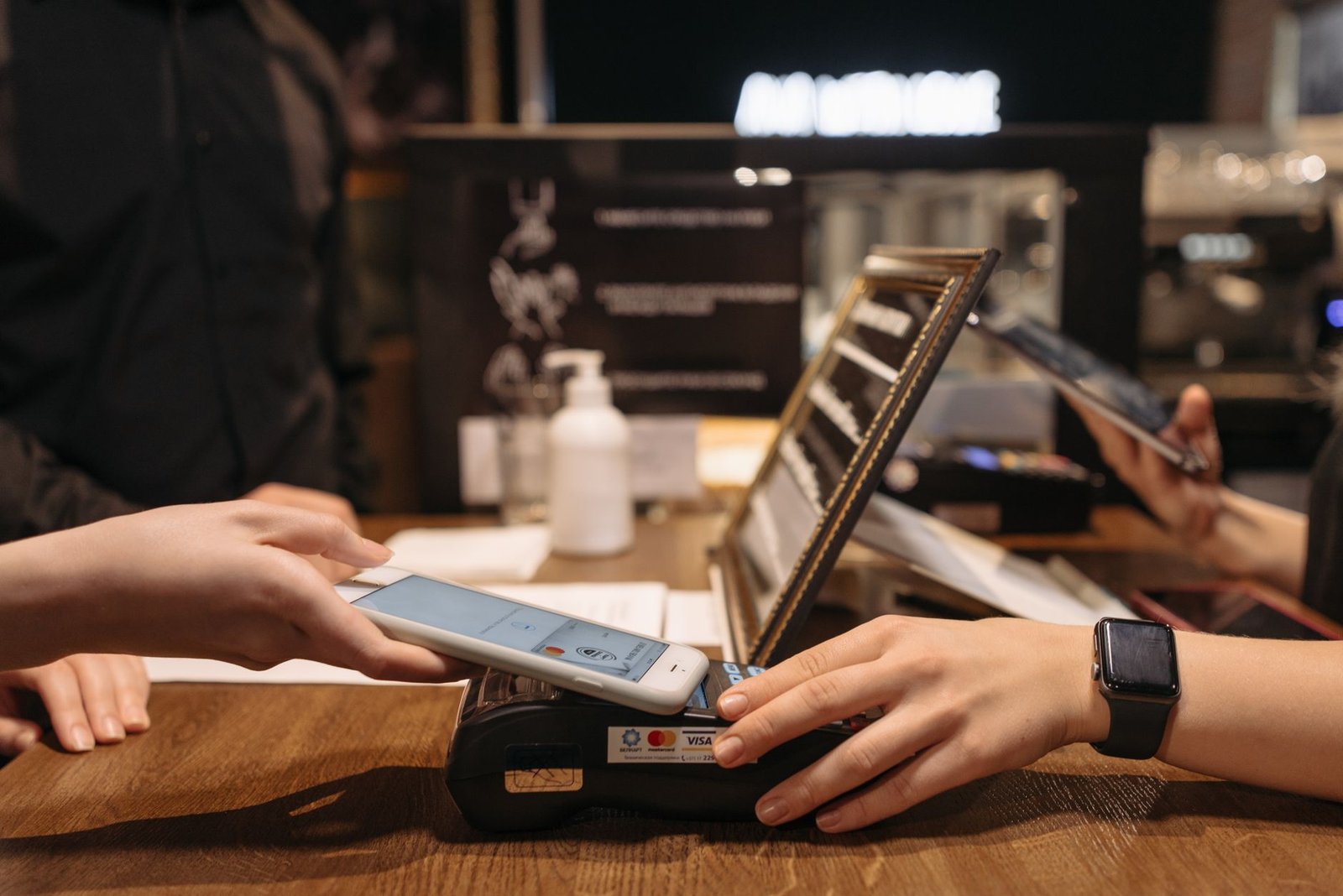
SALT LAKE CITY – Motor vehicle administrations across thirty states have modernized the interstate Driver License Compact, deploying federated cryptographic cloud verification hubs that enable instant cross-border authentication of mobile digital driver licenses (mDL) while enforcing strict consumer data privacy firewalls.
Statutory Framework and Regulatory Context
- Statutory Factor: Driver License Compact (DLC) and Non-Resident Violator Compact (NRVC) statutory authorities.
- Statutory Factor: Department of Homeland Security Real ID Act of 2005 mobile driver license digital standards (6 CFR Part 37).
- Statutory Factor: ISO/IEC 18013-5 international standards for personal mobile identification.
- Statutory Factor: State Department of Motor Vehicles biometric data protection and digital surveillance restrictions.

ISO 18013-5 Cryptographic Architecture and Selective Attribute Disclosure
Historic physical plastic driver licenses presented major privacy vulnerabilities: whenever an individual showed an ID to enter a commercial establishment or verify age, they inadvertently revealed their home street address, full date of birth, exact height, weight, and unique driver license number to private security guards and retail clerks. Modern mobile digital driver licenses built to ISO/IEC 18013-5 specifications resolve this problem through selective attribute disclosure.
Utilizing near-field communication (NFC) or encrypted Bluetooth Low Energy (BLE), the citizen’s smartphone transmits a cryptographically signed data token containing strictly the single attribute requested by the verifier—such as an automated ‘Age Over 21: True’ confirmation—without transmitting the underlying birthdate, residential address, or photograph.
State motor vehicle agency public key infrastructures (PKI) sign each credential with asymmetric elliptic curve cryptographic keys. The verifier’s reader device verifies the digital signature against public certificate lists maintained by the American Association of Motor Vehicle Administrators (AAMVA) without making an active internet connection or pinging state servers, completely eliminating real-time tracking of citizens’ physical movements.
Comparative Metrics and Fiscal Impact Analysis
The following quantitative dataset summarizes verified public records, capital expenditure benchmarks, and oversight agency audit dockets across regional jurisdictions:
| Regional mDL Network | Participating States | ISO 18013-5 Architecture | Verification Latency | Privacy Firewall Protocol |
|---|---|---|---|---|
| Western Inter-State ID Hub | 12 States | Zero-Knowledge NFC + BLE | Under 0.4 Seconds | Zero Location Tracking Log |
| Midwest Registry Gateway | 10 States | Public Key Infrastructure (PKI) | Under 0.5 Seconds | Cryptographic Hash Validation |
| Southeastern Compact Bus | 8 States | ISO Compliant Federated Cloud | Under 0.6 Seconds | Automated Session Purge |
| Heartland Digital Link | 6 States | Hardware Security Module Bus | Under 0.3 Seconds | Zero Third-Party Commercial Sale |

Law Enforcement Traffic Stop Protocols and Hands-Off Verification
A critical civil liberties concern surrounding digital IDs involved traffic stops conducted by state highway patrol officers: citizens were understandably terrified that handing an unlocked smartphone to an officer to show a digital license would permit warrantless searches of their personal text messages, banking apps, and photo libraries.
State legislative enactments have established strict hands-off protocols. State law now explicitly clarifies that displaying a mobile digital ID does not constitute consent for a search of the electronic device. Officers are prohibited from taking physical custody of the motorist’s smartphone.
Instead, officers carry handheld ruggedized scanners that read the mobile ID wirelessly from outside the vehicle window at distances of up to three feet. If an officer unlawfully accesses other phone contents during an ID verification, state statutes mandate the suppression of all derived evidence and create private civil rights causes of action against the law enforcement agency.
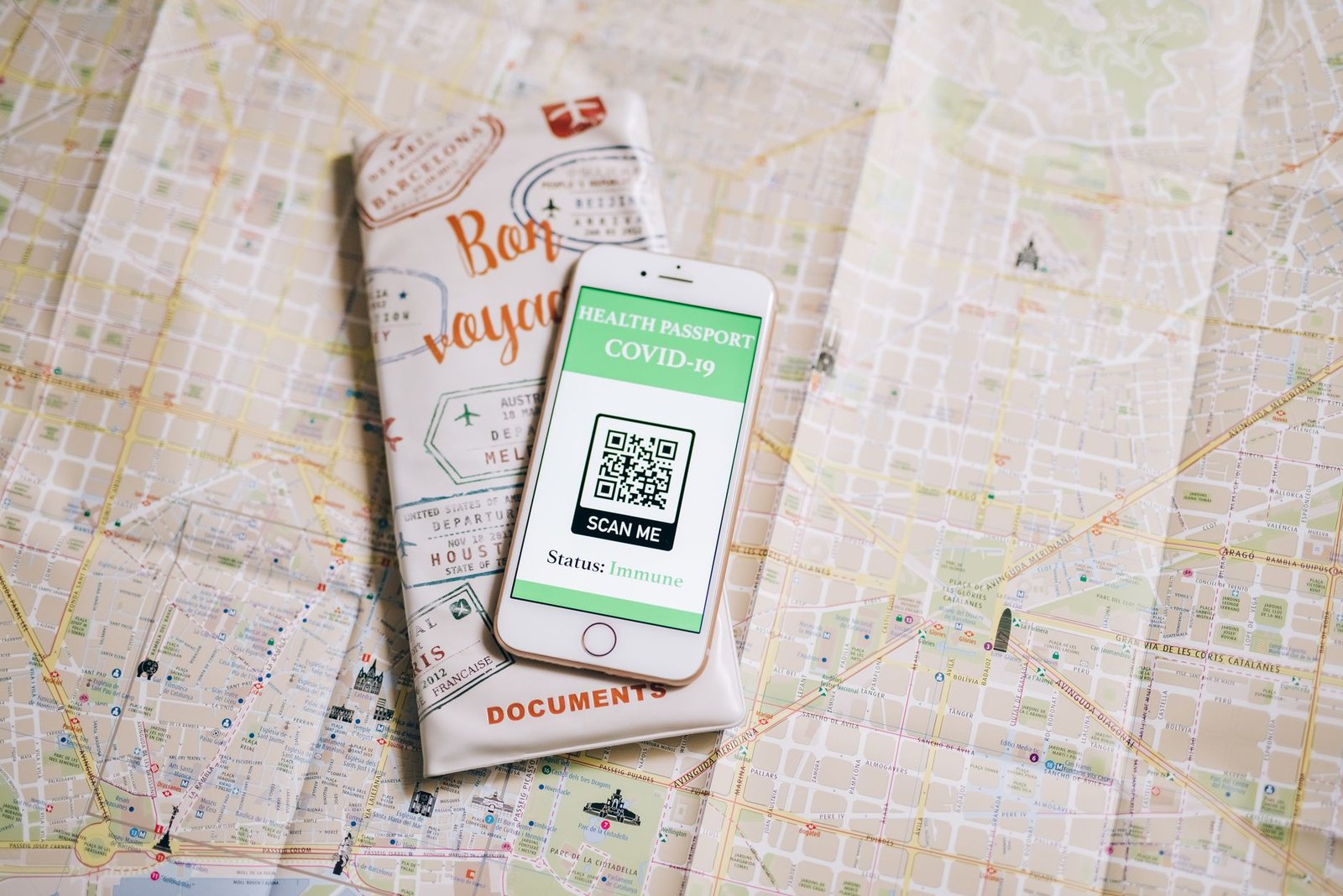
Interstate Suspension Synchronization and Commercial Driver Telemetry
The primary intergovernmental function of the modern digital compact is the instantaneous synchronization of driver suspensions and revocations across state borders. Under legacy paper notification systems, it often took weeks or months for one state’s DMV to notify another state when a motorist was convicted of severe operating while intoxicated (OWI) offenses, allowing suspended drivers to exploit administrative delays.
The federated cloud hub synchronizes suspension records across all participating states within 15 seconds. If a commercial truck driver’s CDL license is suspended in Wyoming for an acute safety violation, that suspension instantly invalidates their digital credential across every participating state DMV database.
Commercial motor carrier safety inspectors and state police emphasize that instantaneous cross-border synchronization has closed dangerous legal loopholes, significantly improving commercial transportation safety across interstate freight corridors.
Official Public Records and Statutory Citations
The documentary evidence and administrative filings referenced in this investigation are indexed under the following public record dockets:
- Department of Homeland Security, 6 CFR Part 37 (Real ID Driver’s Licenses and Identification Cards Standards).
- ISO/IEC Standard 18013-5:2021, Personal Identification – ISO-Compliant Driving Licence – Mobile Driving Licence (mDL) Application.
- Utah Code Annotated, Title 53, Chapter 3, Part 2 (Electronic Driver License Specifications).
- American Association of Motor Vehicle Administrators, mDL Digital Trust Service Architecture Specification.
Independent Oversight Outlook
The transition to secure, privacy-preserving mobile digital identification represents a major milestone in interstate administrative modernization. As the remaining states join federated verification hubs throughout 2026 and 2027, the mobile driver license will become the universal standard for identity verification across North America.
Spotted an error? Read our corrections policy and let us know.

Keep reading

Ephemeral Messaging and Disappearing Mobile Chats Ruled Public Records in State Executive Offices

Correctional Facility Privatization Contracts Face Rigorous Performance Metric and Staffing Audits

Unclaimed Property Escheatment Audit Standards Strengthened Under Revised Uniform Act Enforcement