DES MOINES – State agriculture departments and natural resources divisions across the Upper Mississippi and Chesapeake Bay watersheds have enacted mandatory 50-to-100-foot perennial vegetated riparian buffer strip statutes, requiring crop producers to establish permanent grass and hardwood filter zones along all public waterways to intercept agricultural nitrate and phosphorus runoff.
Statutory Framework and Regulatory Context
- Statutory Factor: Clean Water Act Section 303(d) Total Maximum Daily Load (TMDL) nonpoint source compliance mandates.
- Statutory Factor: USDA Conservation Reserve Program (CRP) Continuous Conservation Priority riparian buffer enrollments.
- Statutory Factor: State agricultural land preservation and drainage ditch maintenance statutory codes.
- Statutory Factor: EPA Gulf Hypoxia Task Force nutrient reduction strategy performance benchmarks.
The Agronomy of Nonpoint Agricultural Leaching and Hypoxia
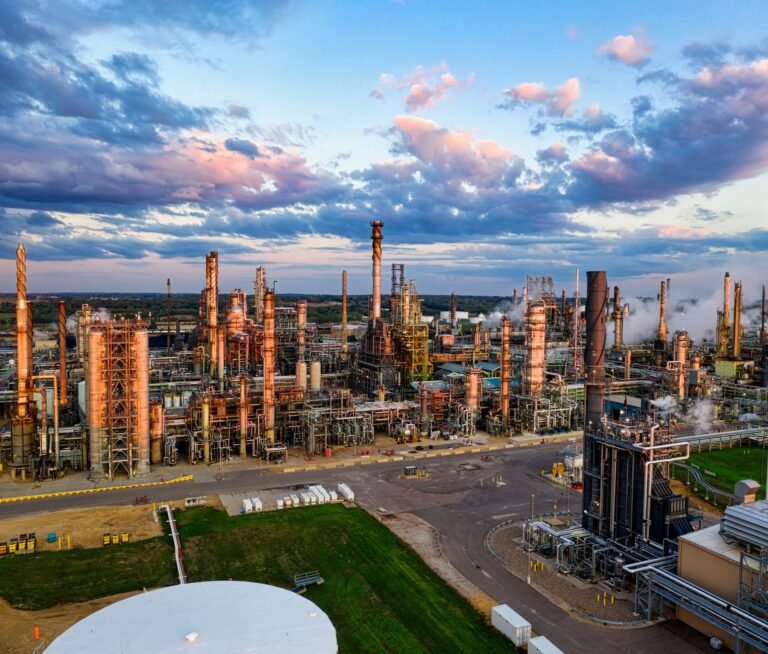
Modern industrial agriculture utilizes synthetic nitrogen fertilizers and concentrated livestock manure applications to achieve record-breaking grain crop yields across the Midwestern Corn Belt. However, due to shallow subterranean agricultural tile drainage pipes installed beneath agricultural fields, soluble nitrate (NO3-) molecules cannot be retained by soil particles and are flushed rapidly through tile lines directly into county drainage ditches and tributaries during spring rainstorms.
This massive nonpoint nutrient discharge flows down the Mississippi River into the Gulf of Mexico, where excess nitrogen and phosphorus fuel massive algal blooms. When the algae die and decompose, microbial respiration consumes virtually all dissolved oxygen from the water column, creating a seasonal ‘hypoxic dead zone’ spanning thousands of square miles where marine life cannot survive.
State nutrient reduction strategies demonstrate that voluntary conservation practices alone were insufficient to curb nutrient loading, prompting state legislatures to enact mandatory, enforceable riparian buffer statutes across all agricultural waterways.
Comparative Metrics and Fiscal Impact Analysis
The following quantitative dataset summarizes verified public records, capital expenditure benchmarks, and oversight agency audit dockets across regional jurisdictions:
| Agricultural River Basin | Mandatory Buffer Width | Vegetative Canopy Mix | Nitrate Interception Rate | Farmer Tax Incentive |
|---|---|---|---|---|
| Raccoon River Basin (Iowa) | 50 Feet Perennial Cover | Switchgrass + Deep Native Oak | 78% Nitrate Leaching Cut | Property Tax Exemption on Buffer |
| Susquehanna River Basin (PA) | 100 Feet Forested Zone | Multi-Tier Hardwood + Shrubs | 85% Sediment & Phosphorus Cut | State Conservation Tax Credit |
| Minnesota River Basin (MN) | 50-Foot Public Water Buffer | Native Prairie Sedge & Grass | 82% Agricultural Runoff Trap | Clean Water Land Legacy Grants |
| Wabash River Watershed (IN) | 75 Feet Filter Perimeter | Willow + Native Big Bluestem | 75% Dissolved Nitrogen Scrub | Continuous CRP Rental Payments |
Root Biogeochemistry and Microbial Denitrification Mechanics
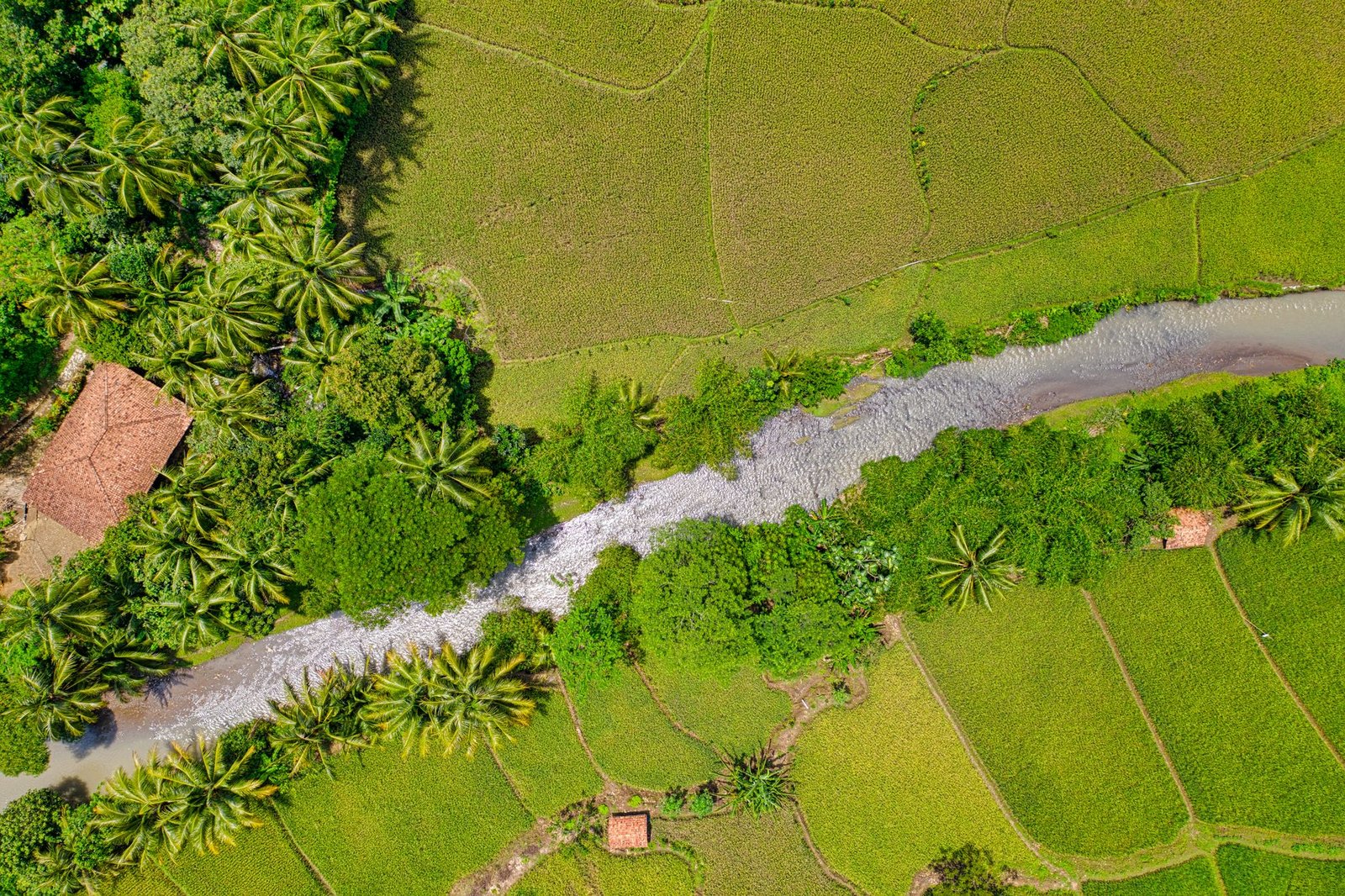
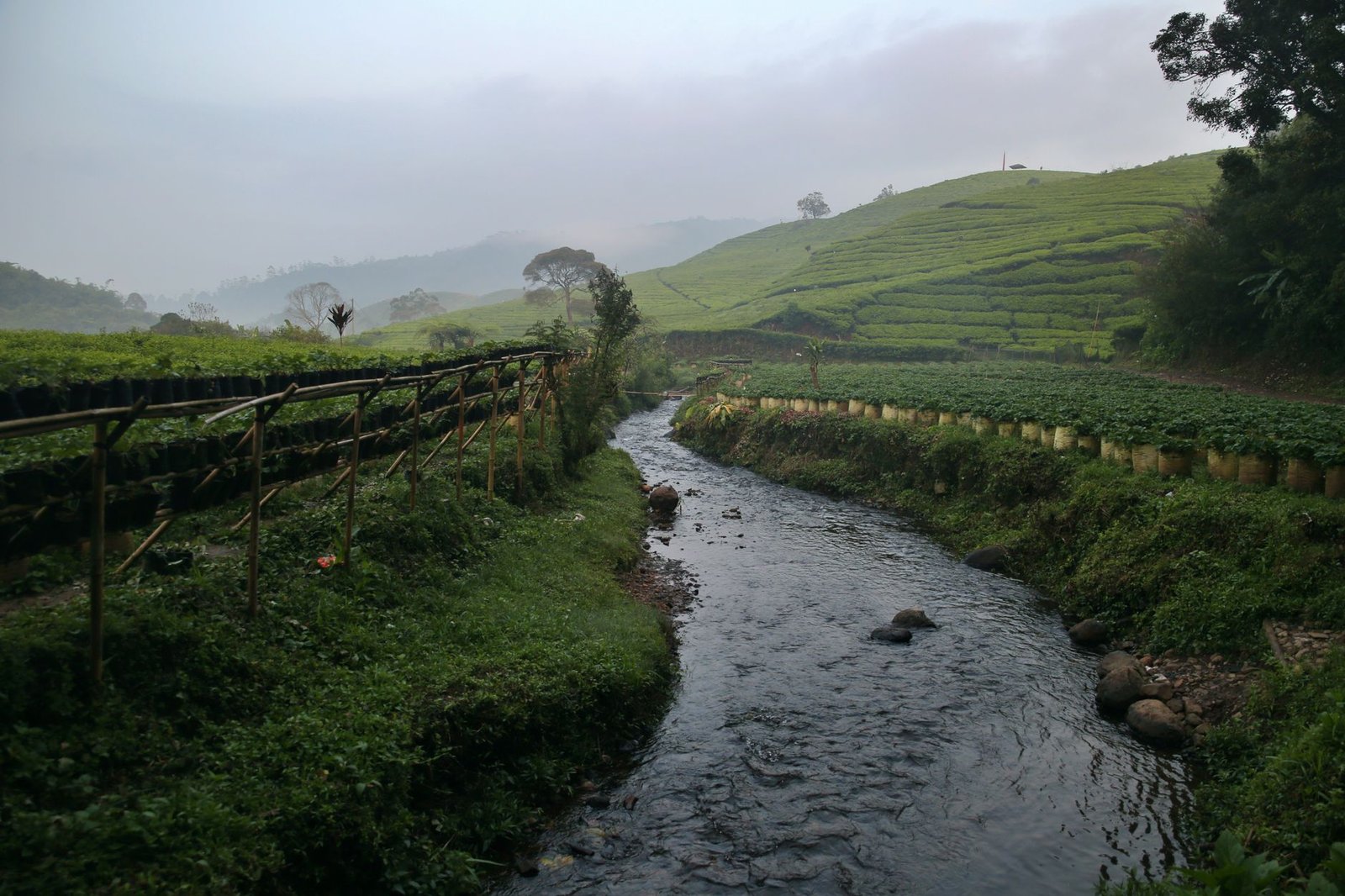
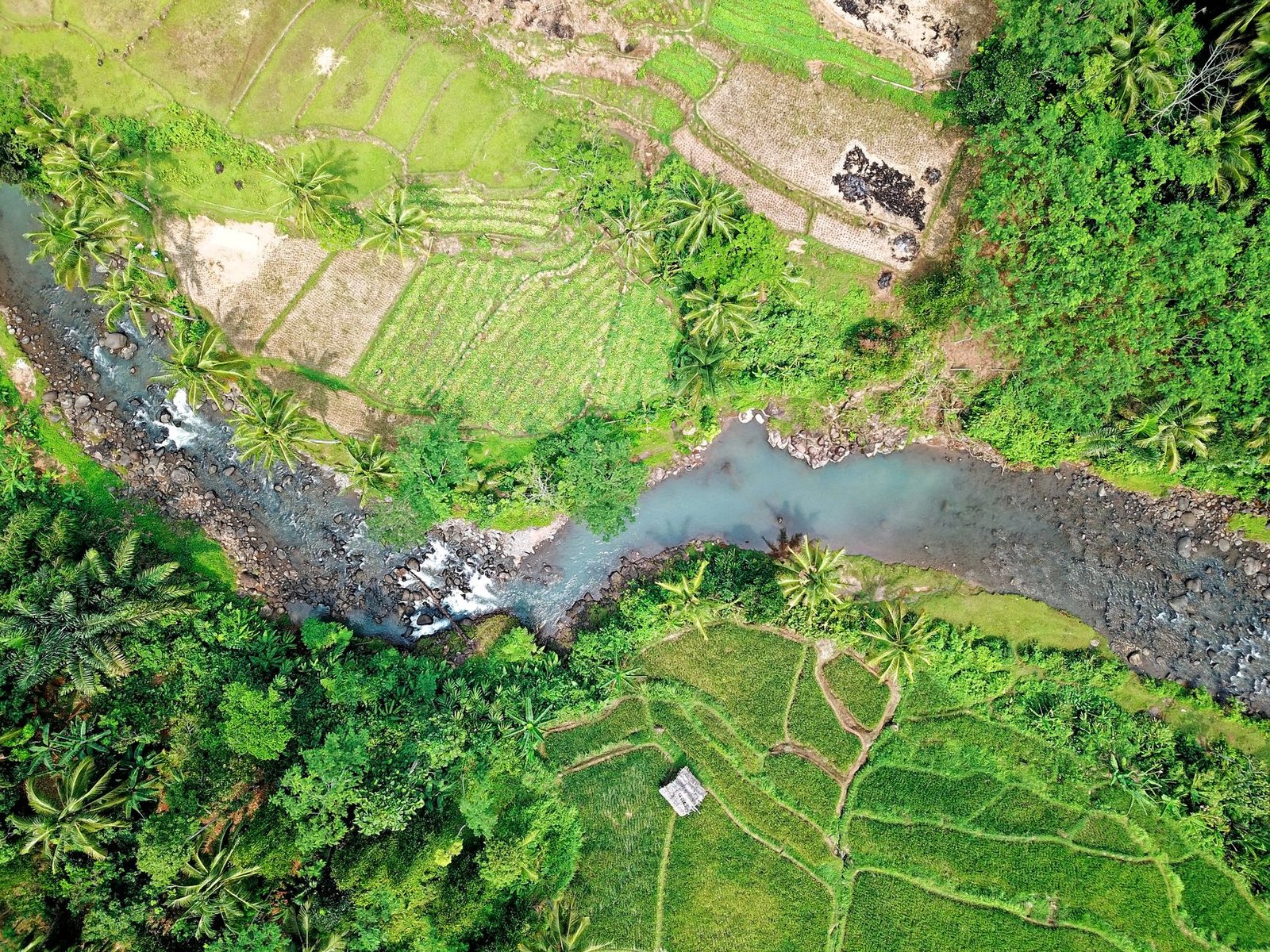
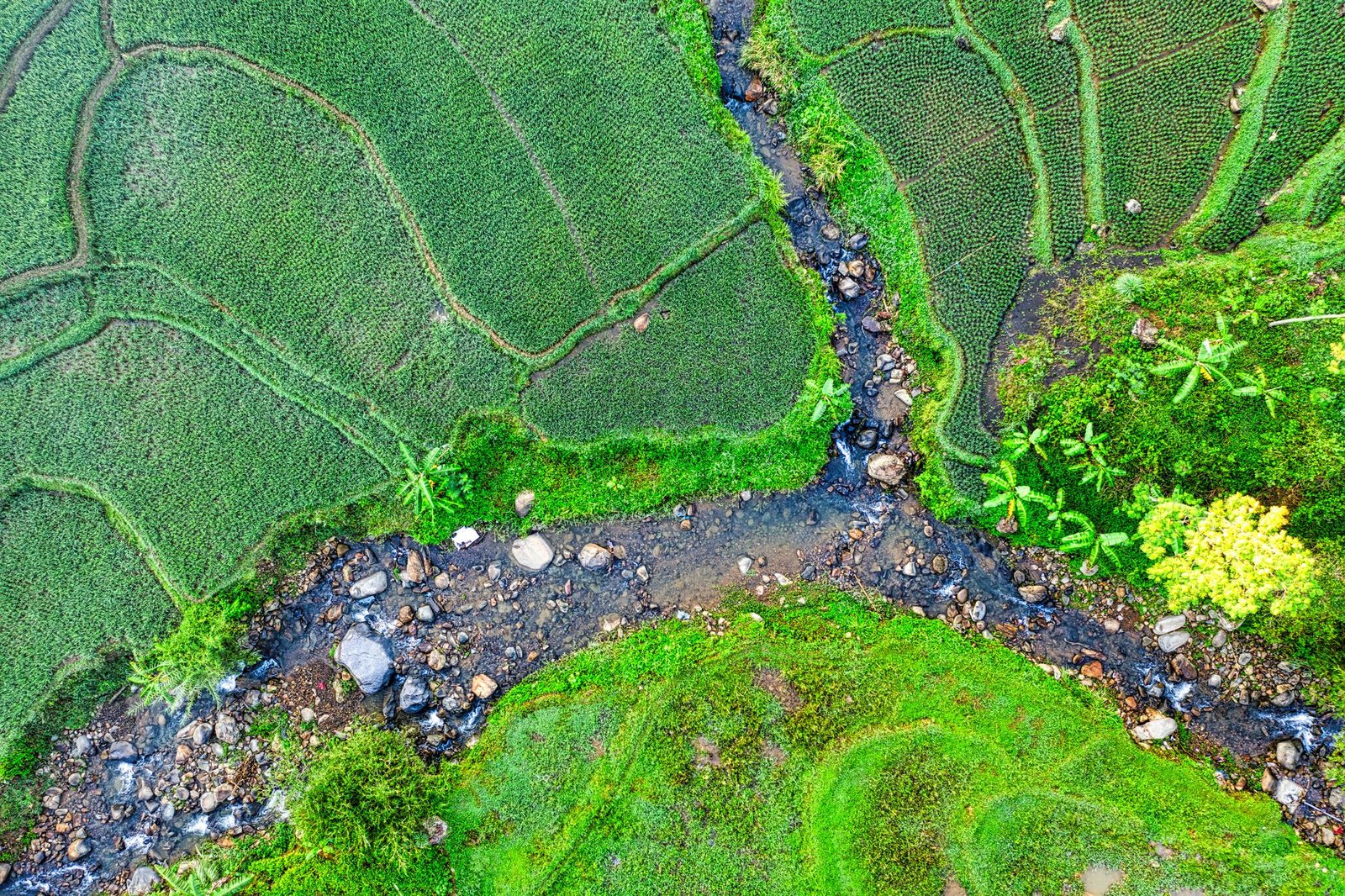
A properly engineered 50-to-100-foot vegetated riparian buffer strip functions as a highly sophisticated living biogeochemical water filter. As agricultural runoff flows as sheet wash across the surface of the buffer, dense perennial prairie grasses (such as switchgrass and big bluestem) mechanically slow water velocity, causing suspended sediment particles and bound insoluble phosphorus to settle out onto the soil surface before reaching the stream bank.
Subterranean mechanics are even more powerful: beneath the surface, deep-rooting native hardwood trees (such as silver maple, river birch, and pin oak) extend root networks ten to fifteen feet into the shallow alluvial groundwater zone. Decaying plant roots deposit organic carbon into the subsoil, creating an ideal anaerobic carbon-rich environment for native denitrifying bacteria (Pseudomonas and Paracoccus).
These specialized soil bacteria utilize nitrate as an electron acceptor in their respiration cycle, biologically converting dissolved toxic nitrates into harmless, inert nitrogen gas (N2) that vents safely into the atmosphere, achieving nitrate reduction efficiencies between 75 and 90 percent before groundwater enters the river channel.
Agricultural Tax Credits, Land Valuation Protections, and Drone Compliance
To ensure fair treatment for agricultural producers who remove valuable row-crop acreage from grain production to establish conservation buffers, state statutes incorporate comprehensive economic incentives. Farmland enrolled in certified riparian buffer programs is granted a 100 percent exemption from local ad valorem property taxes.
Furthermore, farmers receive annual rental payments through the USDA Conservation Reserve Program (CRP) and state clean water trust funds, compensating them for forgone corn and soybean crop revenues. Soil conservation districts provide cost-share funding covering 100 percent of native grass seed, seedling trees, and planting equipment costs.
State natural resources departments monitor compliance utilizing high-resolution multispectral satellite imagery and automated aerial drone surveys. Conservation officers report compliance rates exceeding 98 percent across agricultural counties, proving that statutory mandates coupled with generous tax incentives successfully balance agricultural productivity with watershed protection.
Official Public Records and Statutory Citations
The documentary evidence and administrative filings referenced in this investigation are indexed under the following public record dockets:
- Clean Water Act, 33 U.S.C. 1313(d) (Water Quality Standards and Implementation Plans).
- Minnesota Statutes, Section 103F.48 (Riparian Protection and Water Quality Practices – Buffer Law).
- Food Security Act of 1985, as amended, 16 U.S.C. 3831 (Conservation Reserve Program).
- United States Environmental Protection Agency, Hypoxia Task Force 2024 Report to Congress.
Independent Oversight Outlook
The nationwide establishment of mandatory riparian buffer strips represents an essential ecological transition toward sustainable American watershed management. Through continued state-federal conservation partnerships across 2026 and 2027, vegetated filter corridors will cleanse agricultural waterways and restore the ecological health of America’s great river systems.
Spotted an error? Read our corrections policy and let us know.

Keep reading
Urban Stream Daylighting Projects Remove Concrete Culverts to Restore Natural Fluvial Geomorphology
FEMA Hazard Mitigation Assistance Buyouts Transform Repetitive Loss Floodplains into Natural Greenways
Vadose Zone Suction Lysimeters and Groundwater Protection Plans Enacted for Confined Animal Feeding Operations