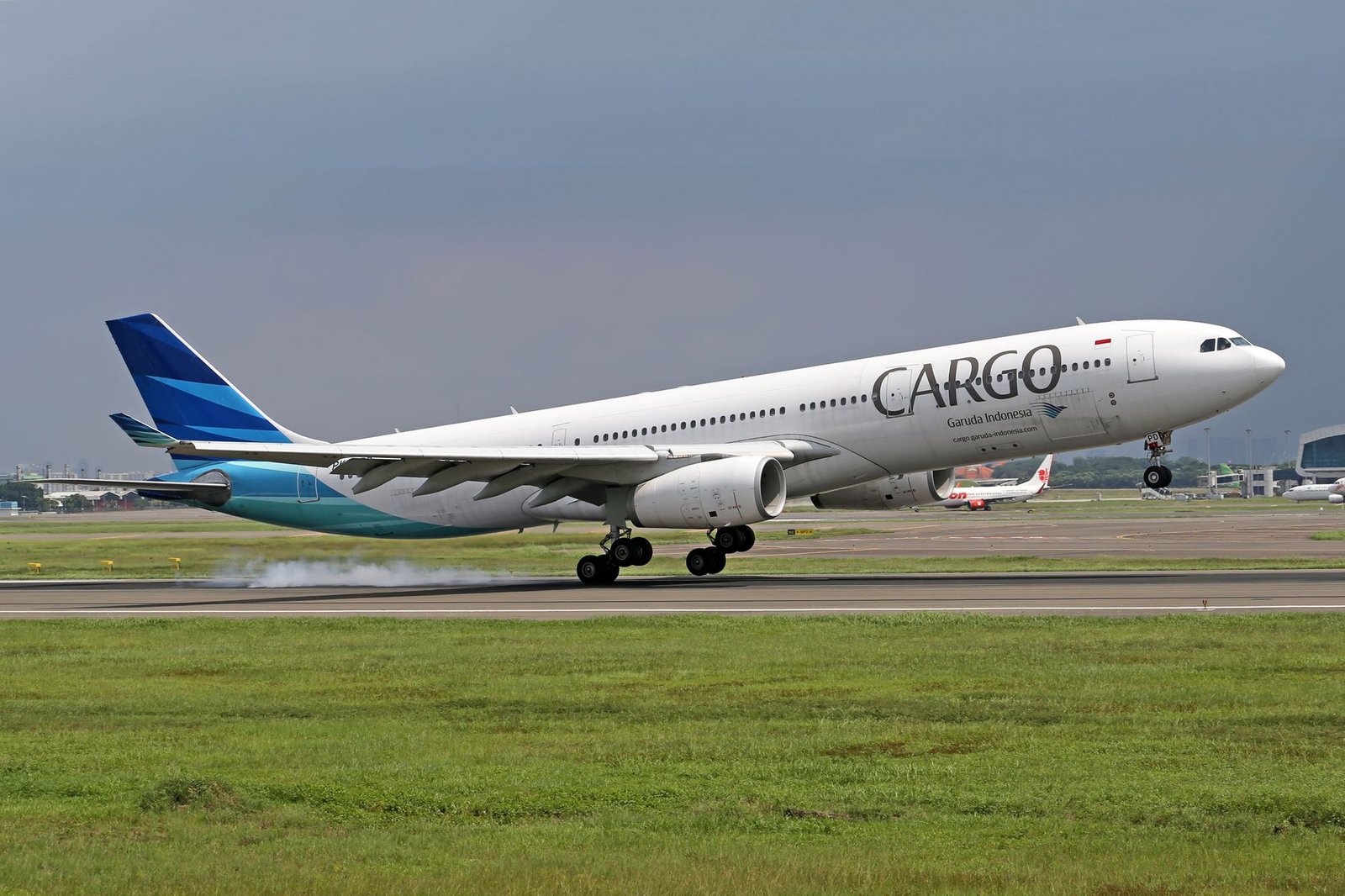
GREENSBORO – Regional airport authorities and the Federal Aviation Administration have completed major runway lengthening and heavy pavement strengthening projects at secondary general aviation airports across the Sun Belt and Midwest, transforming regional airfields into dedicated sub-hubs for next-generation e-commerce turboprop and regional jet cargo carriers.
Statutory Framework and Regulatory Context
- Statutory Factor: Federal Aviation Administration Airport Improvement Program (AIP) statutory grant criteria (49 U.S.C. 47104).
- Statutory Factor: FAA Advisory Circular 150/5300-13B Airport Design standards for air cargo aircraft.
- Statutory Factor: FAA Part 139 Airport Certification safety standards for commercial cargo operations.
- Statutory Factor: State Department of Transportation aeronautics division capital matching grant rules.
Runway Length Requirements and Heavy Pavement Classification Numbers
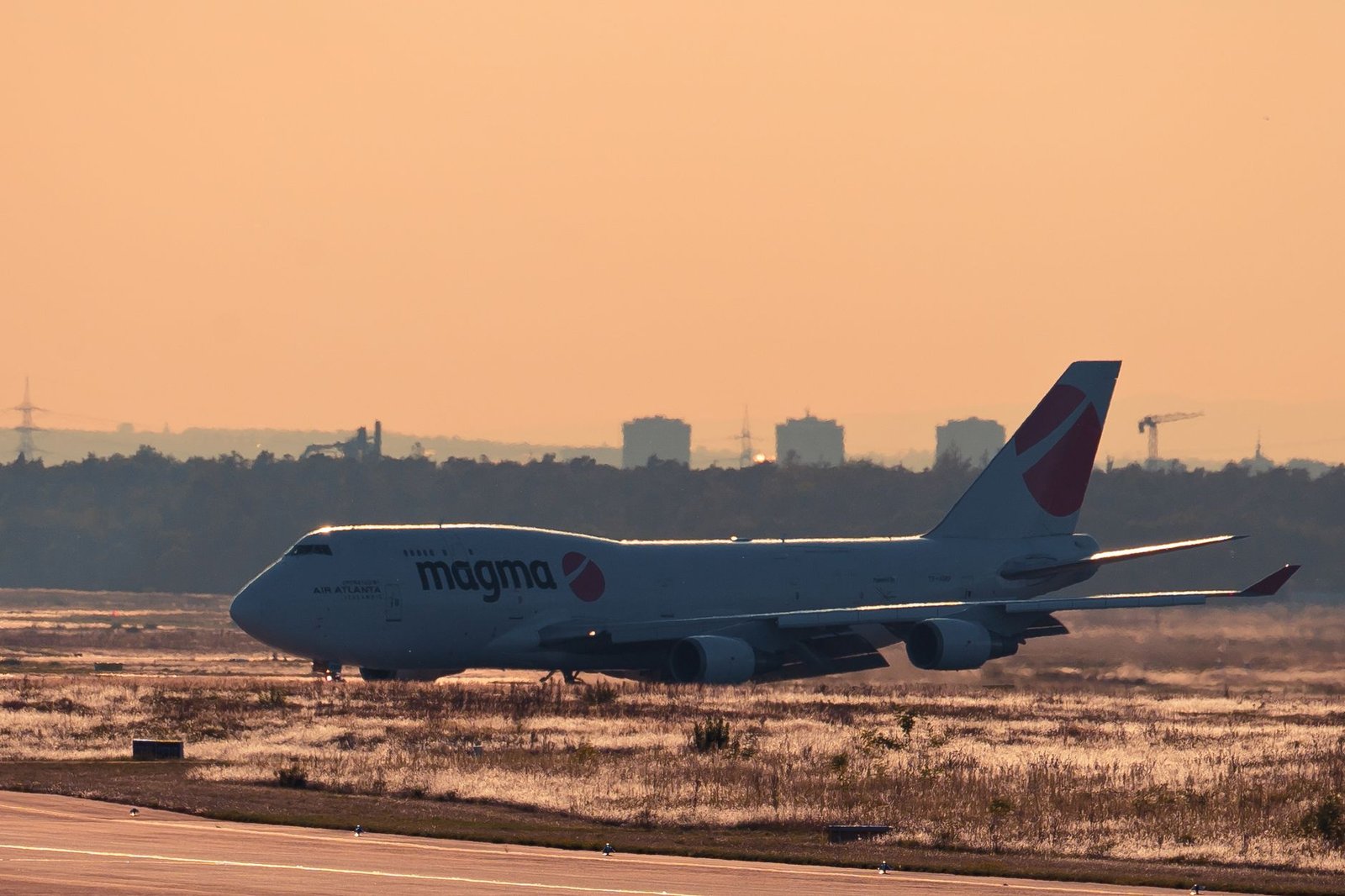
Historic secondary general aviation airports typically featured runways measuring between 4,500 and 5,500 feet in length—adequate for small private twin-engine aircraft and corporate business jets, but structurally incapable of accommodating fully loaded regional cargo freighters such as the ATR 72-600F, Cessna SkyCourier, or converted Boeing 737-800BCF. These twin-engine freighters operating at maximum takeoff weights up to 175,000 pounds require minimum runway lengths of 7,500 to 9,000 feet, particularly during hot summer afternoons when high ambient air density altitudes degrade aircraft aerodynamic lift and engine thrust performance.
Runway expansion projects require massive heavy civil engineering interventions. Airport contractors lay down deep sub-base layers of crushed aggregate stabilized with Portland cement, topped by 16 to 20 inches of high-strength concrete or polymer-modified bituminous asphalt engineered to achieve Pavement Classification Numbers (PCN) of 75 or higher, capable of withstanding thousands of annual high-load gear impacts without structural cracking.
Modern LED High-Intensity Runway Lighting (HIRL) systems, Category I Instrument Landing Systems (ILS), and Precision Approach Path Indicators (PAPI) are installed concurrently, enabling commercial cargo aircraft to land safely in zero-visibility conditions during dense morning fog and severe thunderstorm fronts.
Comparative Metrics and Fiscal Impact Analysis
The following quantitative dataset summarizes verified public records, capital expenditure benchmarks, and oversight agency audit dockets across regional jurisdictions:
| Secondary Airport Facility | Runway Length Extended | Pavement Load Rating (PCN) | Daily Freight Sorties | FAA AIP Grant Funding |
|---|---|---|---|---|
| Piedmont Freight Regional Hub | Extended to 8,500 Feet | PCN 75 / Concrete Keel | 42 Daily Cargo Flights | $34.5 Million |
| Heartland Logistics Airfield | Extended to 9,000 Feet | PCN 80 / Grooved Asphalt | 38 Daily E-Commerce Sorts | $41.2 Million |
| Cascadia Intermodal Air Gateway | Extended to 7,800 Feet | PCN 72 / Engineered Base | 28 Daily Turboprop Runs | $26.8 Million |
| Gulf Coast Air Logistics Park | Extended to 8,200 Feet | PCN 78 / Full Lighting | 34 Daily Freight Movements | $31.0 Million |
Decentralization of E-Commerce Supply Chains and Metropolitan Congestion
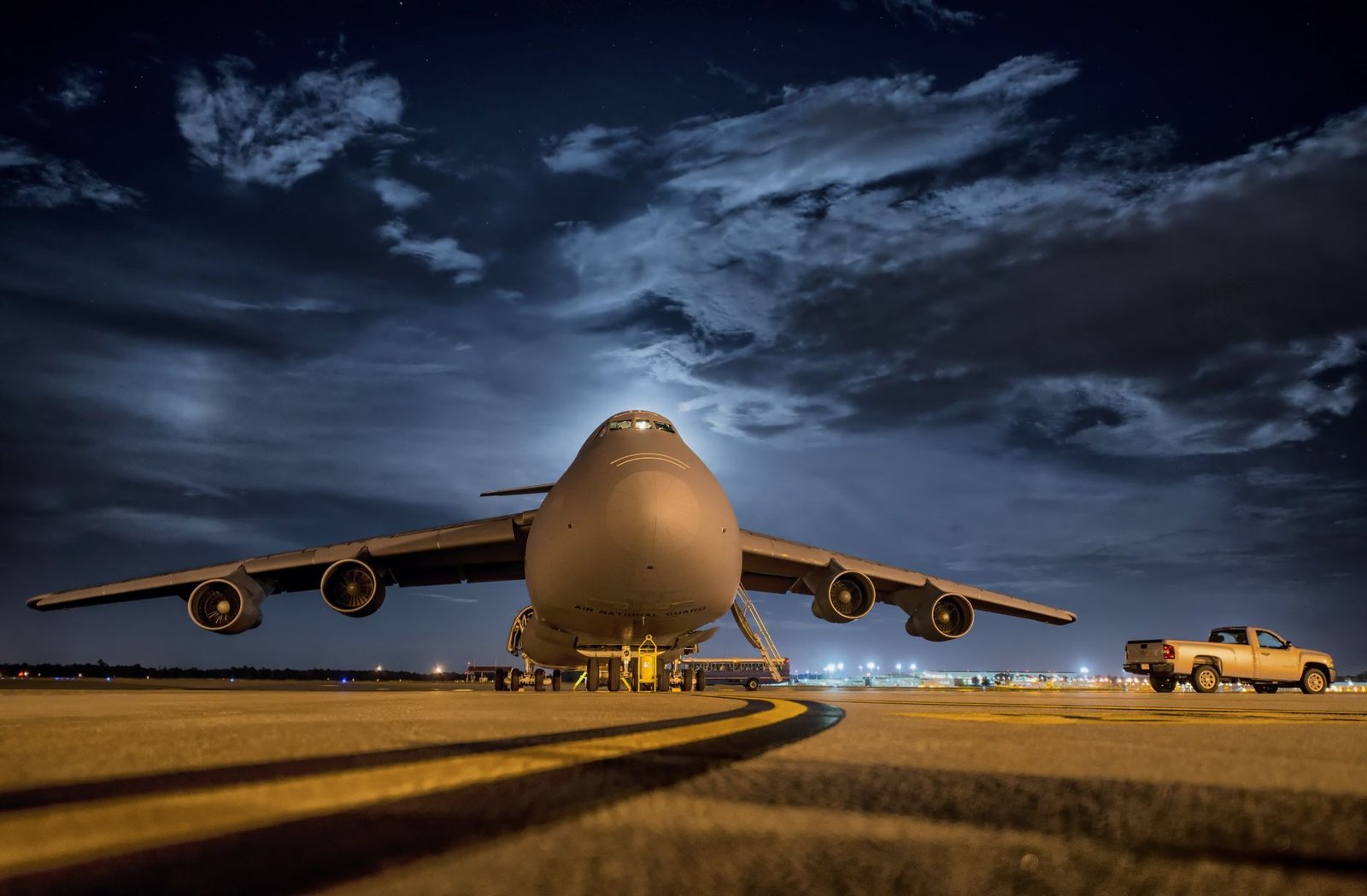
The economic catalyst driving secondary airport investments is the structural decentralization of national e-commerce logistics. Major international air freight hubs—such as Memphis, Louisville, and Chicago O’Hare—suffer from severe airspace congestion, slot rationing, and exorbitant ground handling costs. Simultaneously, consumer expectations for same-day and next-day package delivery have forced major e-commerce and express freight logistics carriers to bypass mega-hubs in favor of regional hub-and-spoke networks.
Secondary regional airports offer dramatic operational advantages: zero air traffic ground holding delays, lower landing fees, abundant on-airport land for multi-acre sorting warehouses, and direct immediate access to uncongested rural interstate corridors. A freighter aircraft landing at a secondary airport can taxi to the sorting apron in three minutes, offload containers onto automated sorting conveyors, and have delivery vans on interstate highways within 45 minutes of touchdown.
Regional economic development councils report that establishing a dedicated air cargo sub-hub generates hundreds of high-wage aircraft maintenance technician, avionics specialist, and logistics coordination jobs, revitalizing regional employment bases.
Environmental Noise Abatement and Community Land Use Buffer Covenants
Because commercial air cargo carriers operate primarily during night-time and pre-dawn hours between 11:00 PM and 5:00 AM, runway expansion projects frequently trigger intense community concern regarding aircraft engine noise over adjacent suburban neighborhoods. Under FAA Part 150 Airport Noise Compatibility Planning guidelines, airport authorities conduct rigorous acoustic contour modeling to identify noise-impacted residential zones.
Airport commissions have established permanent noise compatibility programs, enacting preferential night-time departure runway corridors that route ascending aircraft over agricultural land or industrial zones rather than sleeping suburban residential tracts. Airport authorities have also funded residential sound insulation retrofits, installing acoustically insulated windows and central air filtration systems in affected homes.
County zoning boards have enacted strict Airport Environs Overlay Districts, prohibiting high-density residential subdivisions beneath runway approach paths while preserving surrounding land for compatible industrial warehouses and commercial distribution logistics centers.
Official Public Records and Statutory Citations
The documentary evidence and administrative filings referenced in this investigation are indexed under the following public record dockets:
- Federal Aviation Administration, Advisory Circular 150/5300-13B, Airport Design (March 2022 / Updated 2025).
- United States Code, Title 49, Section 47104 (Airport Improvement Program Project Grant Authority).
- Federal Aviation Administration, 14 CFR Part 150 (Airport Noise Compatibility Planning).
- Airports Council International – North America, Air Cargo Infrastructure and Economic Development Outlook.
Independent Oversight Outlook
The strategic expansion of secondary airport runways for regional air cargo operations marks an essential evolution in American freight logistics. Through coordinated federal AIP investments and state matching funds across 2026 and 2027, regional airfields will provide the speed, capacity, and geographical reach required to anchor next-generation e-commerce supply chains.
Spotted an error? Read our corrections policy and let us know.

Keep reading
Anaerobic Digestion and Biological Nutrient Removal Mandated for Regional Dairy Processing Wastewater

Variable-Speed Electric Drive Motor Retrofits Electrify Interstate Pipeline Compressor Stations

Permanent Mineral Trust Funds Restructure Asset Allocations and Rural Infrastructure Transfers