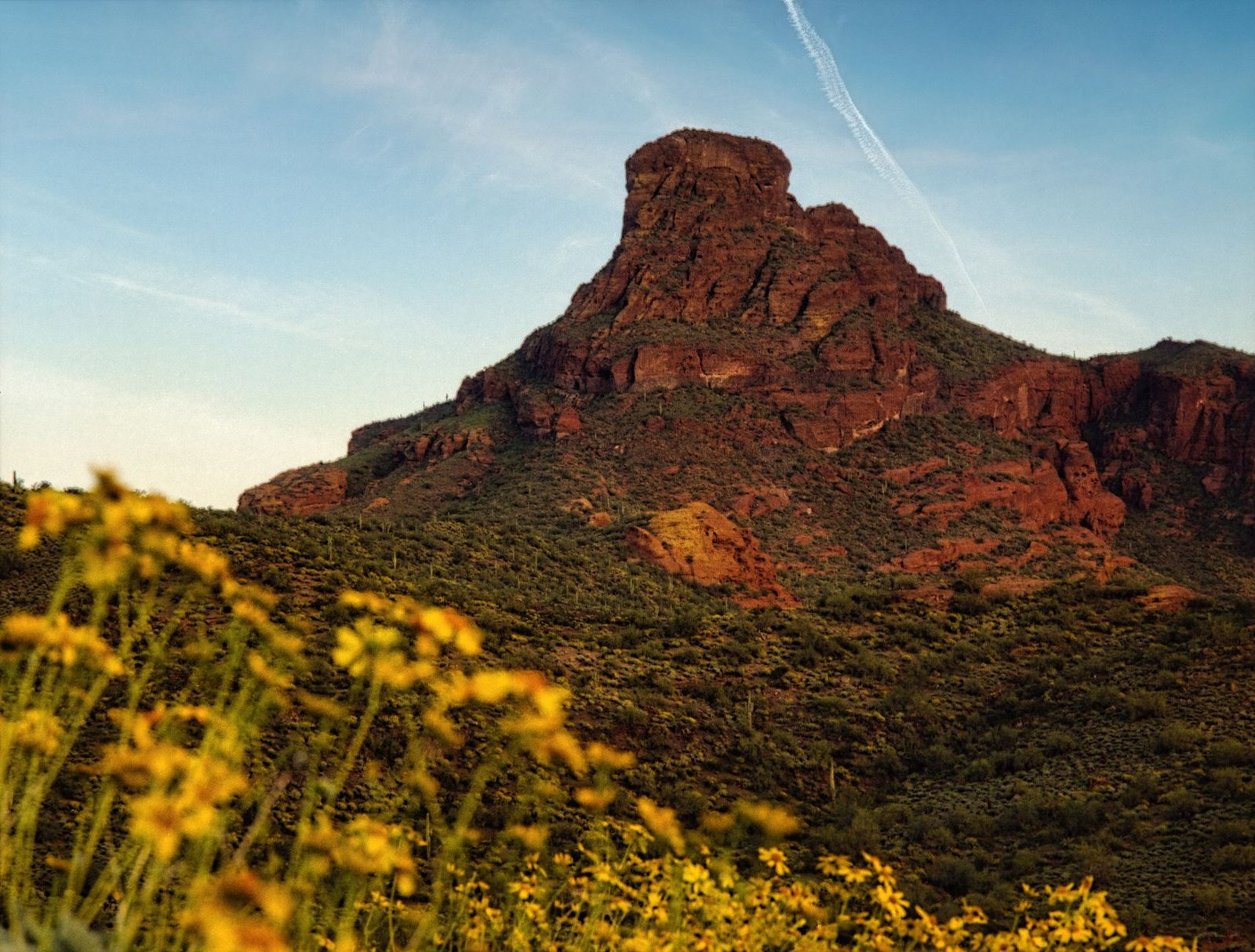
WINDOW ROCK – Sovereign Tribal Historic Preservation Officers and the National Park Service have completed comprehensive National Register nominations for expansive multi-thousand-acre Traditional Cultural Properties (TCP), utilizing oral history ethnography and Section 106 federal consultation rules to safeguard sacred ancestral landscapes from industrial energy leases.
Statutory Framework and Regulatory Context
- Statutory Factor: National Historic Preservation Act Section 106 (54 U.S.C. 306108) government-to-government consultation.
- Statutory Factor: National Register Bulletin 38, Guidelines for Evaluating and Documenting Traditional Cultural Properties.
- Statutory Factor: American Indian Religious Freedom Act (AIRFA, 42 U.S.C. 1996) protection of sacred ceremonial sites.
- Statutory Factor: Executive Order 13007, Indian Sacred Sites access and physical integrity protections.
The Evolution of TCP Jurisprudence and National Register Bulletin 38
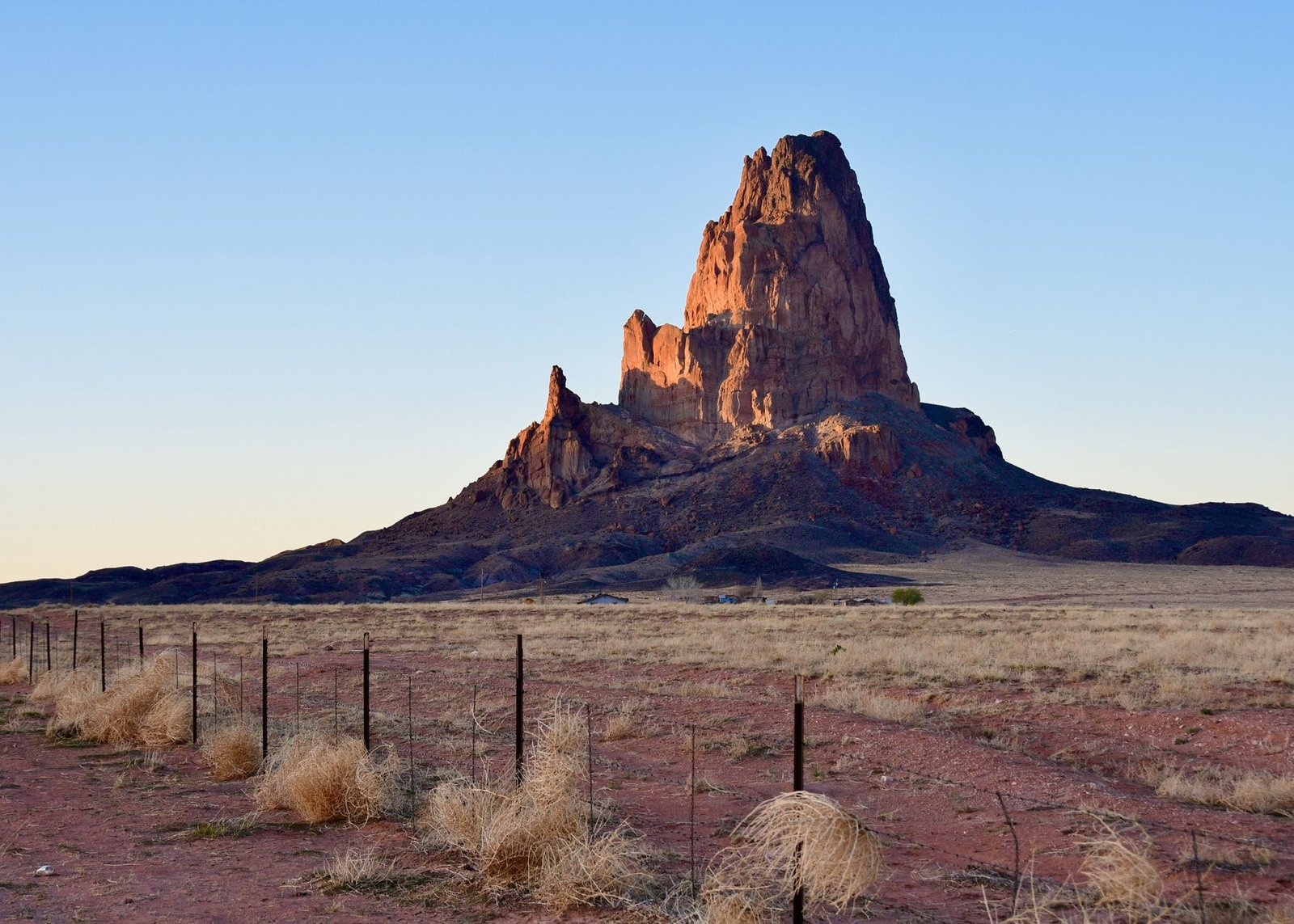
Historic federal preservation programs established under the National Historic Preservation Act of 1966 were originally designed through a Euro-centric architectural lens, focusing almost exclusively on discrete physical structures with architectural significance—such as colonial brick mansions, Victorian courthouses, or military battlefields. This narrow framework failed completely to recognize Indigenous conceptions of cultural heritage, where sacred sanctity is embodied not in manufactured buildings, but in the natural landscape itself—in sacred mountain peaks, natural mineral springs, ceremonial vision-quest bluffs, and ancestral gathering areas.
The landmark publication of National Register Bulletin 38 by the National Park Service fundamentally broadened federal law by establishing the category of ‘Traditional Cultural Properties’ (TCPs). Under Bulletin 38, a property is eligible for the National Register of Historic Places if its significance is derived from its role in a living community’s historically rooted beliefs, customs, and religious practices that maintain the community’s cultural identity.
Crucially, federal courts have affirmed that TCP status applies to expansive, contiguous cultural landscapes spanning hundreds of thousands of acres of federal public lands, recognizing that sacred ceremonial viewsheds and natural soundscapes are integral to traditional religious worship.
Comparative Metrics and Fiscal Impact Analysis
The following quantitative dataset summarizes verified public records, capital expenditure benchmarks, and oversight agency audit dockets across regional jurisdictions:
| Sacred Cultural Landscape | Associated Sovereign Tribal Nations | Traditional Cultural Significance | Land Boundary Protection | Section 106 Precedent |
|---|---|---|---|---|
| Mount Taylor (Tsoodzil) | Navajo, Hopi, Acoma, Laguna, Zuni | Sacred Mountain of the South | 422,000 Acres Designated | State Historic Register Listed |
| Bears Ears Cultural Landscape | Navajo, Hopi, Ute Mountain, Zuni | Ancestral Dwellings & Ceremony | 1.36 Million Acres Co-Managed | Presidential Proclamation Enforced |
| Black Hills Sacred Ridges | Great Sioux Nation (Lakota / Dakota) | Center of Sacred Creation Origin | Federal Wilderness Reserve Buffer | Inviolate Sacred Trust Area |
| Chaco Cultural Outlier Sites | Pueblo Nations & Navajo Nation | Ancient Great House Road Networks | 10-Mile Mineral Withdrawal Ring | Federal Public Land Order Listed |
Section 106 Government-to-Government Tribal Consultation Mandates
When federal land management agencies (such as the Bureau of Land Management, US Forest Service, or Federal Energy Regulatory Commission) review applications for interstate pipelines, open-pit uranium mines, or utility-scale transmission corridors across public lands, Section 106 of the NHPA mandates rigorous, proactive government-to-government consultation with sovereign Tribal Historic Preservation Officers (THPOs).
Federal courts have delivered landmark rulings invalidating agency permits where federal officials treated tribal consultation as a perfunctory, check-the-box administrative exercise. Consultation must occur early in the planning process before alternative route alignments are foreclosed, and it must involve confidential sharing of sensitive ethnographic geospatial data regarding sacred burial sites, medicinal plant harvesting areas, and ceremonial shrines.
Tribal elders and cultural resources specialists work alongside federal archaeologists to delineate cultural landscape boundaries, ensuring that industrial infrastructure corridors are realigned to avoid visual, auditory, and physical desecration of sacred ceremonial grounds.
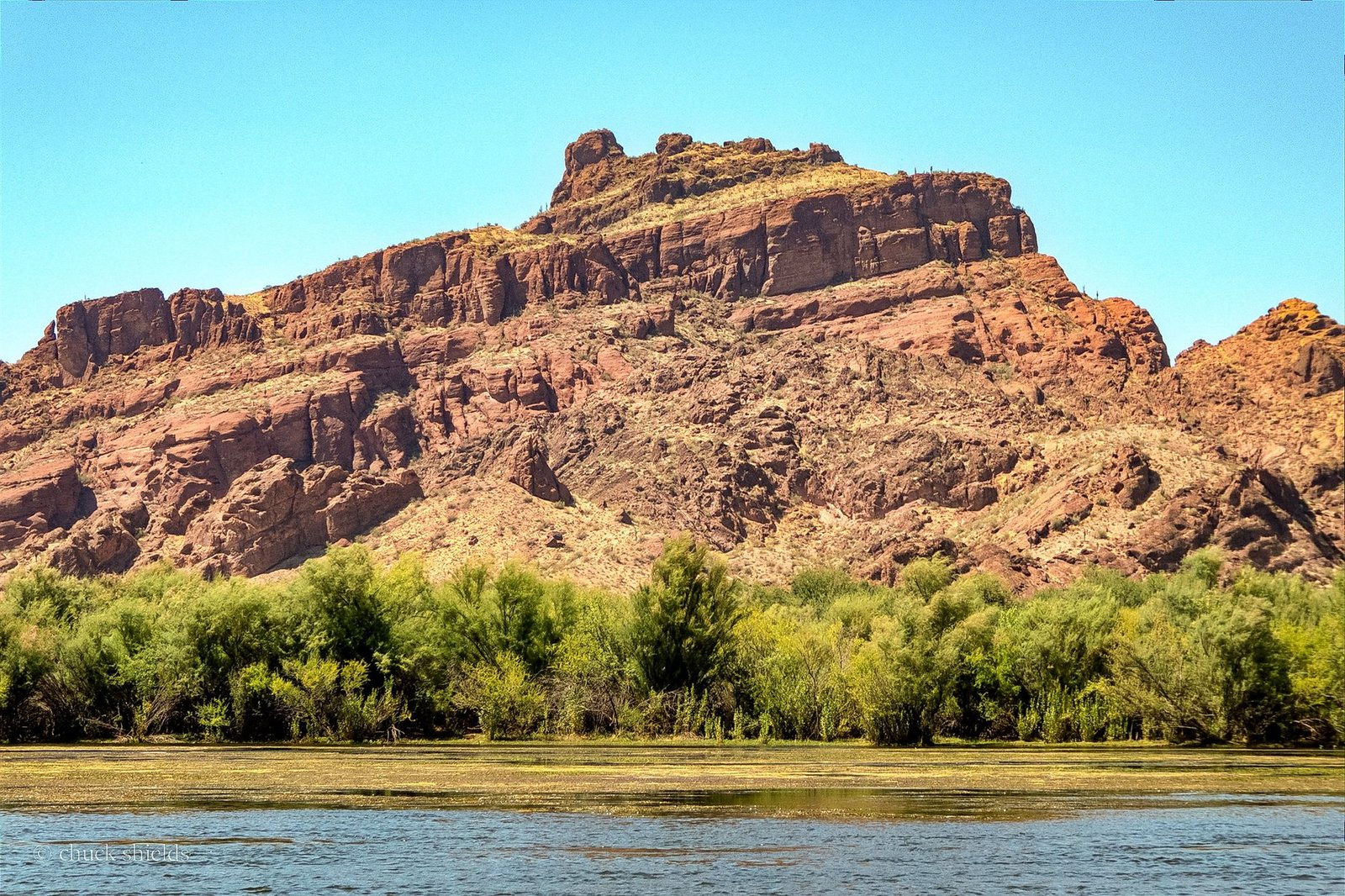
Tribal Co-Management Accords and Indigenous Traditional Ecological Knowledge
A transformative advancement in cultural landscape stewardship is the formal execution of intergovernmental Co-Management Agreements between federal agencies and sovereign Tribal coalitions, exemplified by the historic Bears Ears Inter-Tribal Coalition. Under co-management frameworks, federal land managers share executive decision-making authority with designated tribal resource commissions.
Federal management plans formally integrate Indigenous Traditional Ecological Knowledge (ITEK)—centuries of empirical observation regarding prescribed cultural burning cycles, drought-resilient native vegetation, and wildlife migratory behavior—alongside Western academic science. Federal land orders enforce 20-year moratoriums on mineral leasing and industrial energy development within designated cultural buffer zones.
Tribal leaders emphasize that preserving sacred cultural landscapes is essential for intergenerational spiritual survival, ensuring that Native American youth can continue to conduct ancient prayers, harvest traditional medicines, and maintain living connections to their ancestral homelands.
Official Public Records and Statutory Citations
The documentary evidence and administrative filings referenced in this investigation are indexed under the following public record dockets:
- National Historic Preservation Act, 54 U.S.C. 306108 (Effect of Undertaking on Historic Property – Section 106).
- National Park Service, National Register Bulletin 38, Guidelines for Evaluating and Documenting Traditional Cultural Properties.
- Executive Order 13007, Indian Sacred Sites (May 24, 1996).
- United States Court of Appeals for the Tenth Circuit, Pueblo of Sandia v. United States, 50 F.3d 856.
Independent Oversight Outlook
The formal recognition and protection of Native American Traditional Cultural Properties represents a profound moral and legal maturation of American historic preservation. Through cooperative tribal co-management and rigorous Section 106 consultations across 2026 and 2027, sacred ancestral landscapes will be permanently preserved as inviolate spiritual sanctuaries.
Spotted an error? Read our corrections policy and let us know.

Keep reading
High-Country Ranching Line Camps and Notched Log Cabins Restored Across Intermountain Grazing Allotments
Historic Dimensional Limestone Quarries and Stonecutter Sheds Reclaimed Under Industrial Geo-Heritage Programs
Historic Appalachian Mountain Ballad Collections and Bluegrass Acetate Discs Preserved Under National Audio Heritage Standards