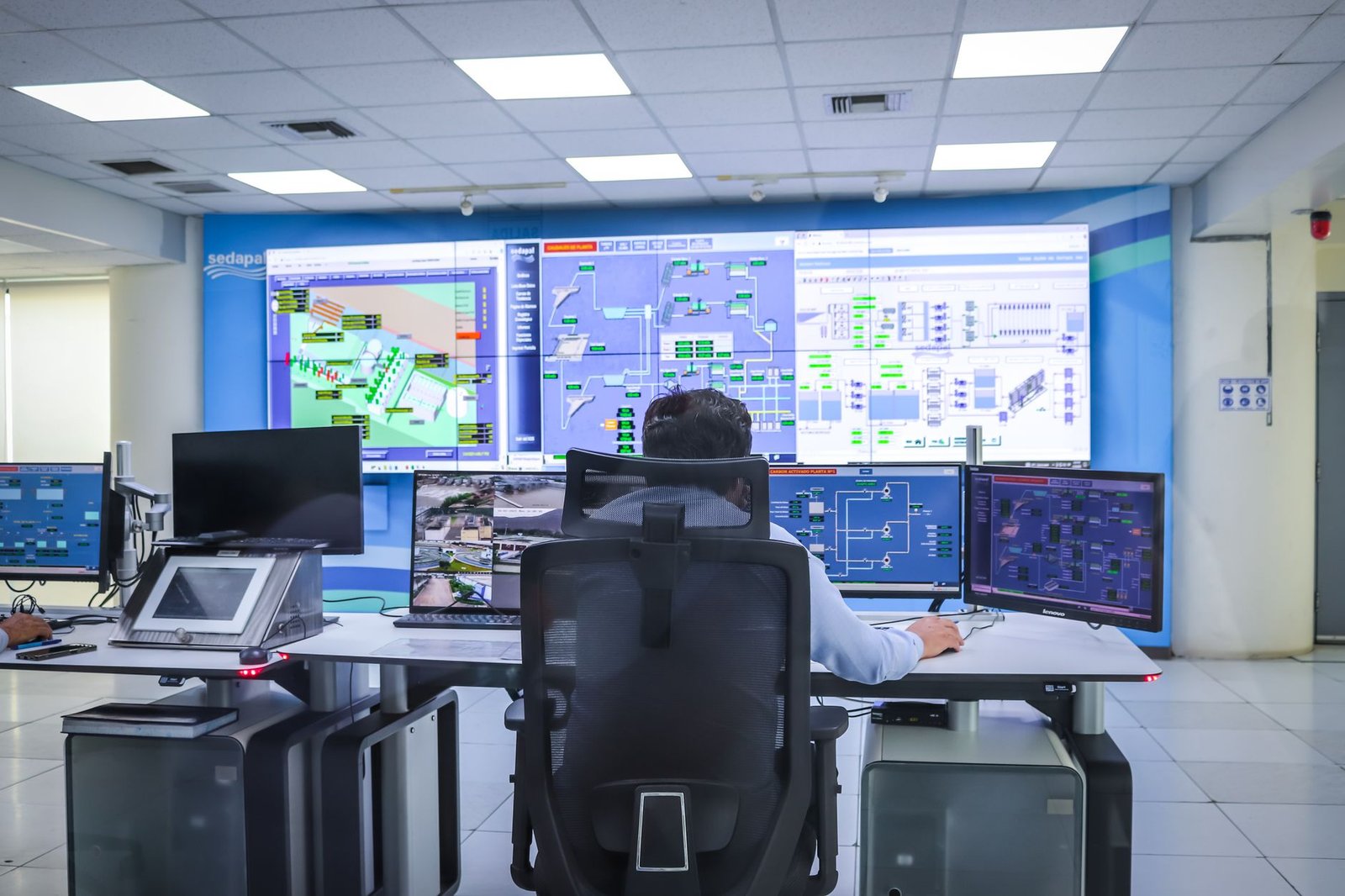
ATLANTA – The Cybersecurity and Infrastructure Security Agency and Environmental Protection Agency have issued binding cross-sector cybersecurity directives compelling municipal water and wastewater authorities serving over 50,000 residents to isolate supervisory control and data acquisition networks from the public internet.
Statutory Framework and Regulatory Context
- Statutory Factor: Safe Drinking Water Act Section 1433 risk and resilience assessments and emergency response plans.
- Statutory Factor: CISA Cross-Sector Cybersecurity Performance Goals for Water and Wastewater Systems.
- Statutory Factor: National Institute of Standards and Technology SP 800-82 Guide to Industrial Control Systems Security.
- Statutory Factor: State Department of Natural Resources drinking water sanitary survey inspection protocols.
Programmable Logic Controller Isolation and Unidirectional Data Diodes
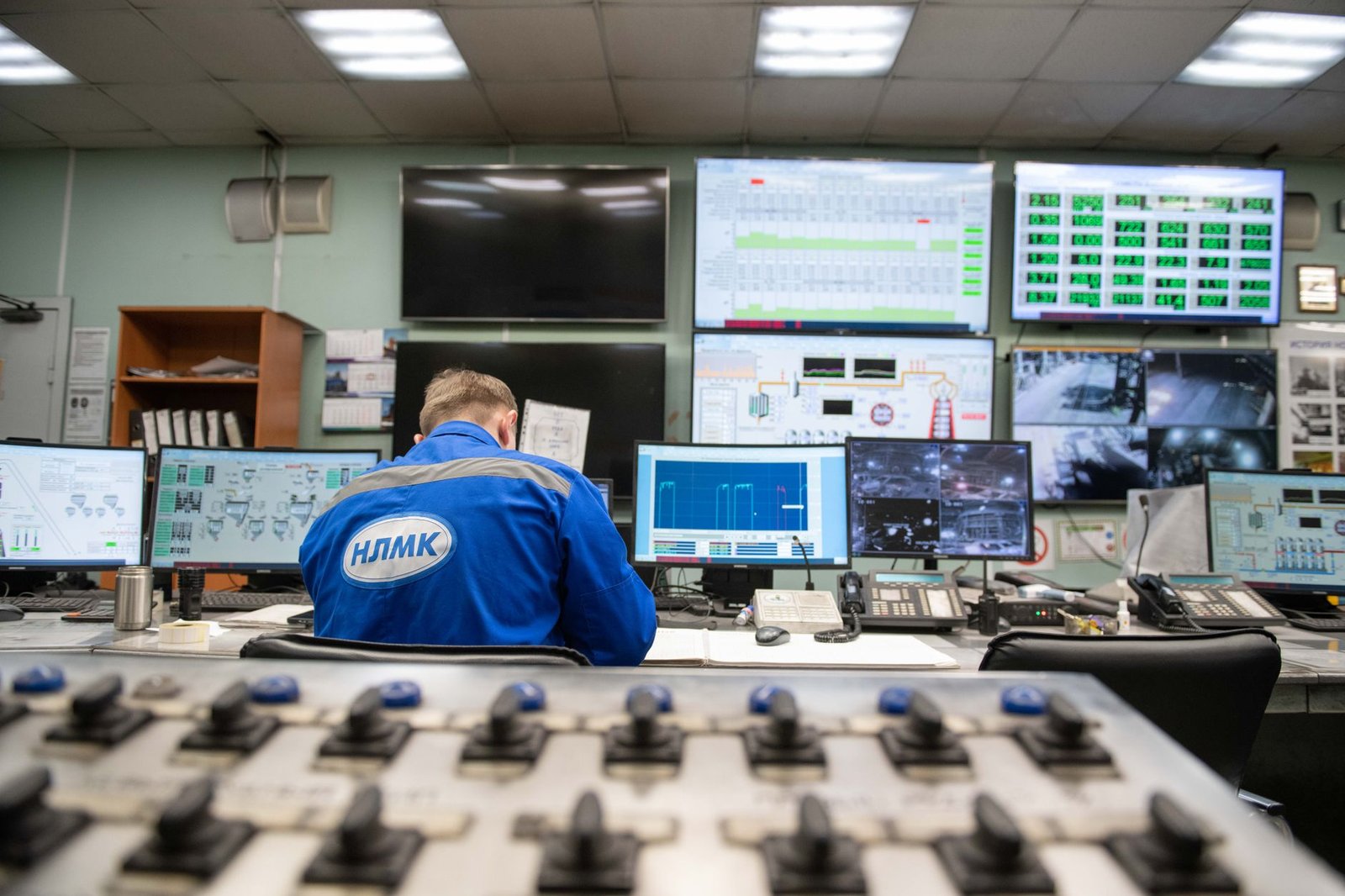
Recent threat intelligence alerts highlighting state-sponsored probing of vulnerable programmable logic controllers across American municipal utilities prompted federal regulators to mandate physical air-gapping and hardware data diodes. Unidirectional optical diodes permit telemetry packets to flow outwards from operational technology networks to business billing systems while physically preventing any inbound electrical or optical signal from penetrating water treatment dosing controllers.
Municipal water authorities that previously utilized cellular modems or remote desktop protocols to monitor chlorine dosing and pump speed actuators are required to replace exposed commercial gateways with ruggedized industrial edge routers featuring hardwired cryptographic authentication. State health inspectors conducting routine sanitary surveys now include digital network audits, issuing immediate compliance citations if water treatment PLCs are reachable via publicly routable IP addresses.
Engineering modifications also enforce analog hardwired fail-safe interlocks on chemical injection lines. Even if a sophisticated adversary successfully compromised internal SCADA software, physical limit switches prevent caustic soda or sodium hypochlorite dosing valves from exceeding acute toxic thresholds, mechanically overriding malicious digital setpoint commands.
Comparative Metrics and Fiscal Impact Analysis
The following quantitative dataset summarizes verified public records, capital expenditure benchmarks, and oversight agency audit dockets across regional jurisdictions:
| Water Authority | Population Served | SCADA Architecture | MFA Implementation | Federal Compliance Audit |
|---|---|---|---|---|
| Piedmont Water Authority | 420,000 | Air-Gapped PLC Bus + Data Diode | 100% Hardware FIDO2 | Compliant – Tier 1 Gold |
| Cuyahoga Basin Water District | 650,000 | Zero-Trust Encrypted VLAN | 100% Phishing-Resistant | Compliant – Full Audit Passed |
| Brazos River Municipal Utility | 210,000 | Legacy Serial to IP Gateway | 92% Implemented | Remediation Order Underway |
| Cascadia Regional Clean Water | 380,000 | Fiber Ring Air-Gap Network | 100% Hardware Key | Compliant – Verified Safe |

Multi-Factor Authentication and Identity Lifecycle Management
Federal audit findings revealed that over 60 percent of small to mid-sized water utilities historically utilized shared operator credentials and default manufacturer passwords on critical human-machine interface workstations. Under the newly promulgated performance standards, all interactive access to operational systems requires phishing-resistant multi-factor authentication utilizing hardware cryptographic tokens conforming to FIDO2 standards.
Utility service providers have deployed automated identity and access management platforms that instantly terminate session access upon employee separation or contract expiration. Third-party maintenance vendors providing technical support for water treatment centrifuges or ozone generators can no longer maintain standing persistent virtual private network tunnels into utility SCADA environments.
Instead, vendor technicians must be granted ephemeral, just-in-time access windows overseen by active municipal shift supervisors, with every keystroke and screen interaction continuously recorded for forensic review.

State Revolving Fund Allocations for Small and Medium Water Utilities
While large metropolitan water systems possess dedicated internal cybersecurity and operational technology teams, hundreds of rural water supply districts struggle with the capital expenditures required to overhaul legacy industrial control systems. To prevent an unfunded regulatory crisis, federal legislation authorized state revolving funds to allocate up to 15 percent of annual capital grants directly toward operational technology modernization and cybersecurity hardening.
State rural water associations have established regional shared-security operations centers that remotely monitor intrusion detection sensor feeds for dozens of small municipal systems. These centralized hubs aggregate security telemetry, identifying anomalous port scanning, brute-force login attempts, or unusual firmware update requests across member districts in real time.
Small town mayors and utility managers have praised the shared-service model, noting that pooling technical resources allows rural communities to achieve enterprise-grade cyber defenses without imposing exorbitant rate increases on local residential households.
Official Public Records and Statutory Citations
The documentary evidence and administrative filings referenced in this investigation are indexed under the following public record dockets:
- United States Environmental Protection Agency, Memorandum on Cybersecurity in Drinking Water Systems.
- CISA Emergency Directive 24-02, Mitigating Vulnerabilities in Edge Network and Industrial Devices.
- United States Code, Title 42, Section 300i-2 (Water Infrastructure Security and Resilience).
- NIST Special Publication 800-82, Revision 3, Guide to Operational Technology Security.
Independent Oversight Outlook
The enforcement of mandatory cybersecurity performance goals across municipal water utilities establishes an indispensable line of defense against asymmetric geopolitical threats. Ongoing federal compliance audits scheduled through 2027 will ensure that critical drinking water systems maintain robust physical and digital safeguards against unauthorized manipulation.
Spotted an error? Read our corrections policy and let us know.

Keep reading

NIST Finalizes 2026 Post-Quantum Cryptographic Standards for Interstate Energy and Financial Telemetry Networks
Pennsylvania Public Utility Commission Enacts 2026 Grid Reliability Mandates for High-Voltage Transmission

Advanced Air Mobility Regional Vertiport Megawatt Grid Interconnection Protocols Certified