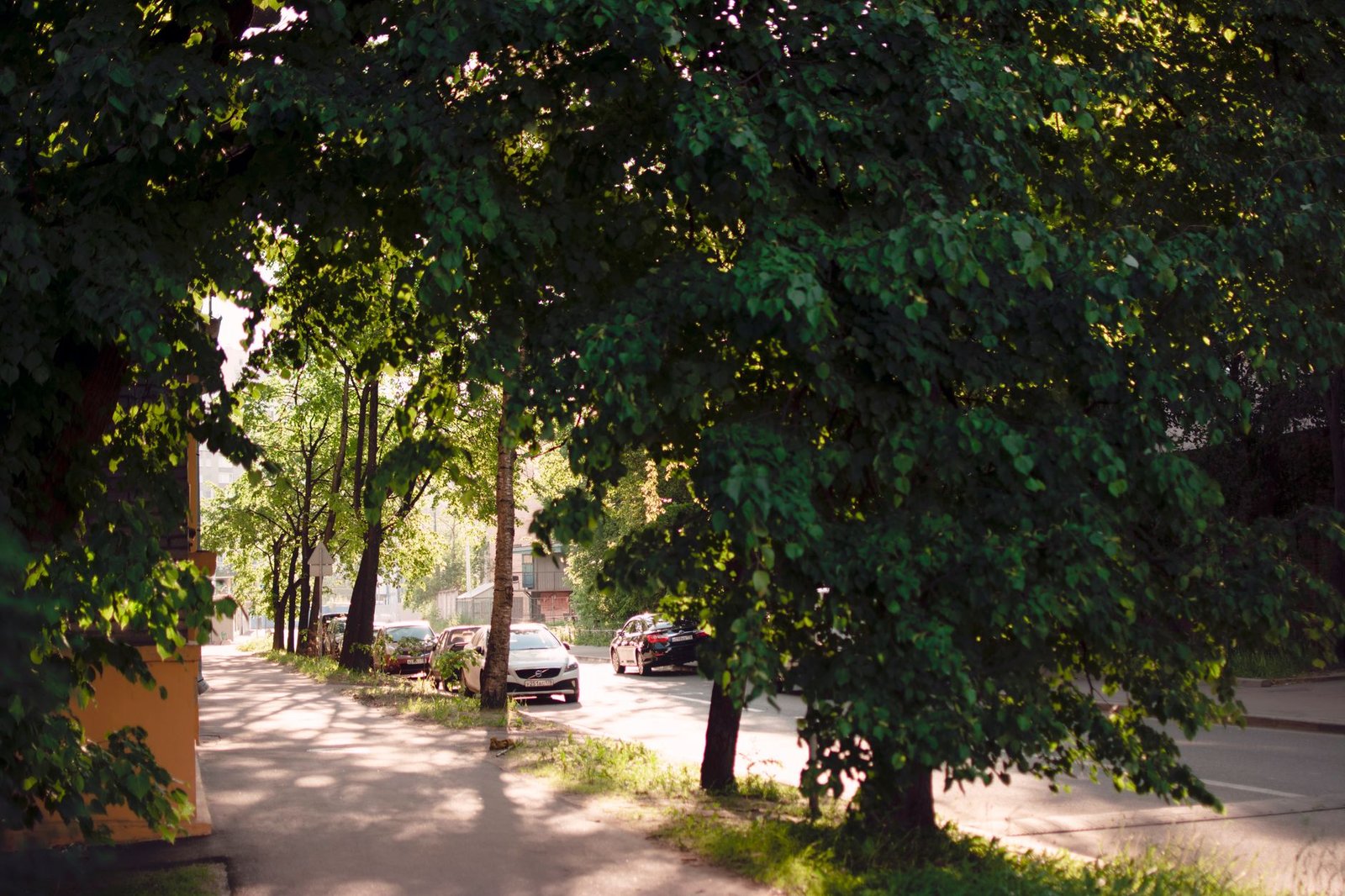
PHOENIX – Metropolitan city councils across the Sun Belt have enacted aggressive Urban Heat Island (UHI) mitigation ordinances, mandating reflective high-albedo solar coatings on municipal asphalt streets and establishing binding 30 percent native tree canopy shade requirements for all commercial and residential developments.
Statutory Framework and Regulatory Context
- Statutory Factor: Clean Air Act Section 110 State Implementation Plan cooling control measures.
- Statutory Factor: Municipal Land Development Codes governing tree preservation and landscape basal area standards.
- Statutory Factor: EPA Urban Heat Island Reduction Program guidelines and cooling technology benchmarks.
- Statutory Factor: Cool Roof Rating Council (CRRC) solar reflectance and thermal emittance standards.
Thermodynamics of High-Albedo Coatings and Daytime Solar Reflectance
Standard petroleum asphalt pavements possess extremely low solar reflectance (albedo) values between 0.05 and 0.10, absorbing up to 95 percent of incoming solar radiation. In desert and southern metropolitan regions, summer asphalt surfaces heat up to blistering temperatures exceeding 160 degrees Fahrenheit, acting as massive thermal batteries that slowly radiate heat back into the ambient night-time atmosphere and keeping urban evening temperatures 15 to 22 degrees warmer than surrounding rural areas.
Municipal public works departments apply engineered high-albedo asphalt sealcoats formulated with specialized mineral aggregates, acrylic polymers, and titanium dioxide pigments. These waterborne coatings elevate the pavement’s Solar Reflectance Index (SRI) to 35 to 45, reflecting over 35 percent of incoming solar energy back into the upper atmosphere.
Continuous thermal infrared radiometer testing conducted by university atmospheric scientists verifies that cool pavement coatings reduce peak midday surface temperatures by 12 to 16 degrees Fahrenheit, drastically reducing the thermal thermal radiation transmitted to pedestrians and lowering subsurface utility conduit degradation.
Comparative Metrics and Fiscal Impact Analysis
The following quantitative dataset summarizes verified public records, capital expenditure benchmarks, and oversight agency audit dockets across regional jurisdictions:
| Sun Belt Metropolitan City | Cool Pavement Miles Applied | Solar Reflectance Index (SRI) | Surface Temp Reduction | Mandatory Tree Canopy Goal |
|---|---|---|---|---|
| City of Phoenix Street Network | 180 Miles Cool Pavement | SRI 38 (Reflective Sealcoat) | -14.5°F Ambient Surface | 30% Canopy by 2030 |
| City of Austin Urban Forestry | 120 Miles High-Albedo | SRI 42 (Titanium Dioxide) | -12.8°F Surface Heat | 40% Native Hardwood Cover |
| Tucson Desert Shade Corridor | 95 Miles Reflective Route | SRI 35 (Engineered Acrylic) | -15.2°F Surface Temp | 1 Million Desert Trees |
| Las Vegas Southern Nevada Belt | 140 Miles Cool Seal | SRI 40 (Permeable Solar) | -13.5°F Heat Abatement | Mandatory Shaded Walkways |
Native Hardwood Canopy Architecture and Microclimate Evapotranspiration
While reflective pavements address surface radiation, restoring urban tree canopies provides the essential living cooling mechanism of biological evapotranspiration. Mature trees draw groundwater through their root systems and release water vapor through leaf stomata, consuming ambient thermal energy and functioning as natural evaporative cooling towers.
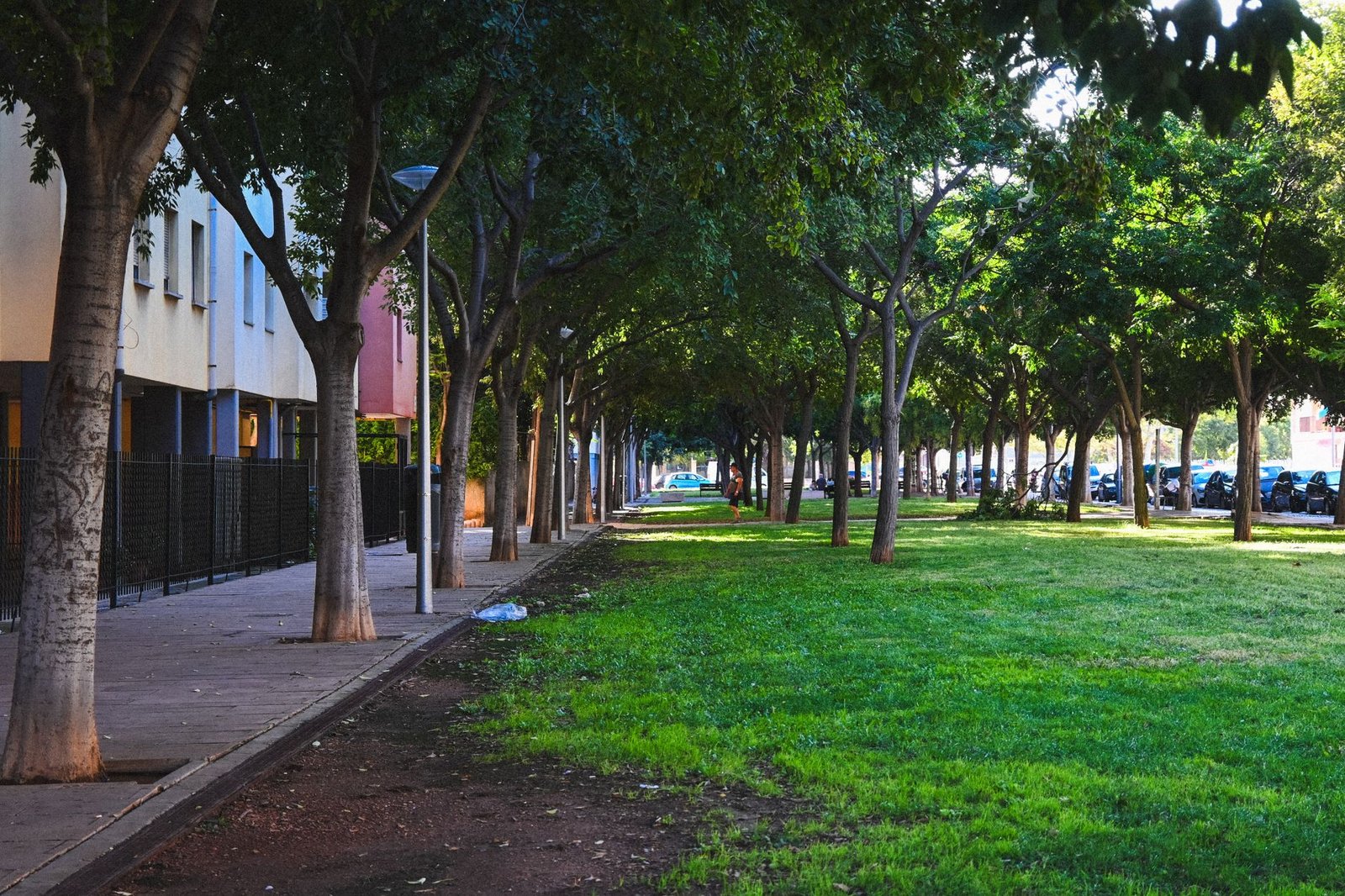
Municipal landscape codes have evolved from planting weak, non-native decorative trees toward requiring drought-resilient native hardwoods (such as Desert Ironwood, Velvet Mesquite, Live Oak, and Texas Redbud) that survive extreme ambient heat without requiring excessive irrigation. City ordinances enforce minimum soil volume standards—mandating at least 800 cubic feet of uncompacted, aerated soil per tree through the use of subterranean structural soil cells (silva cells) beneath urban sidewalks.
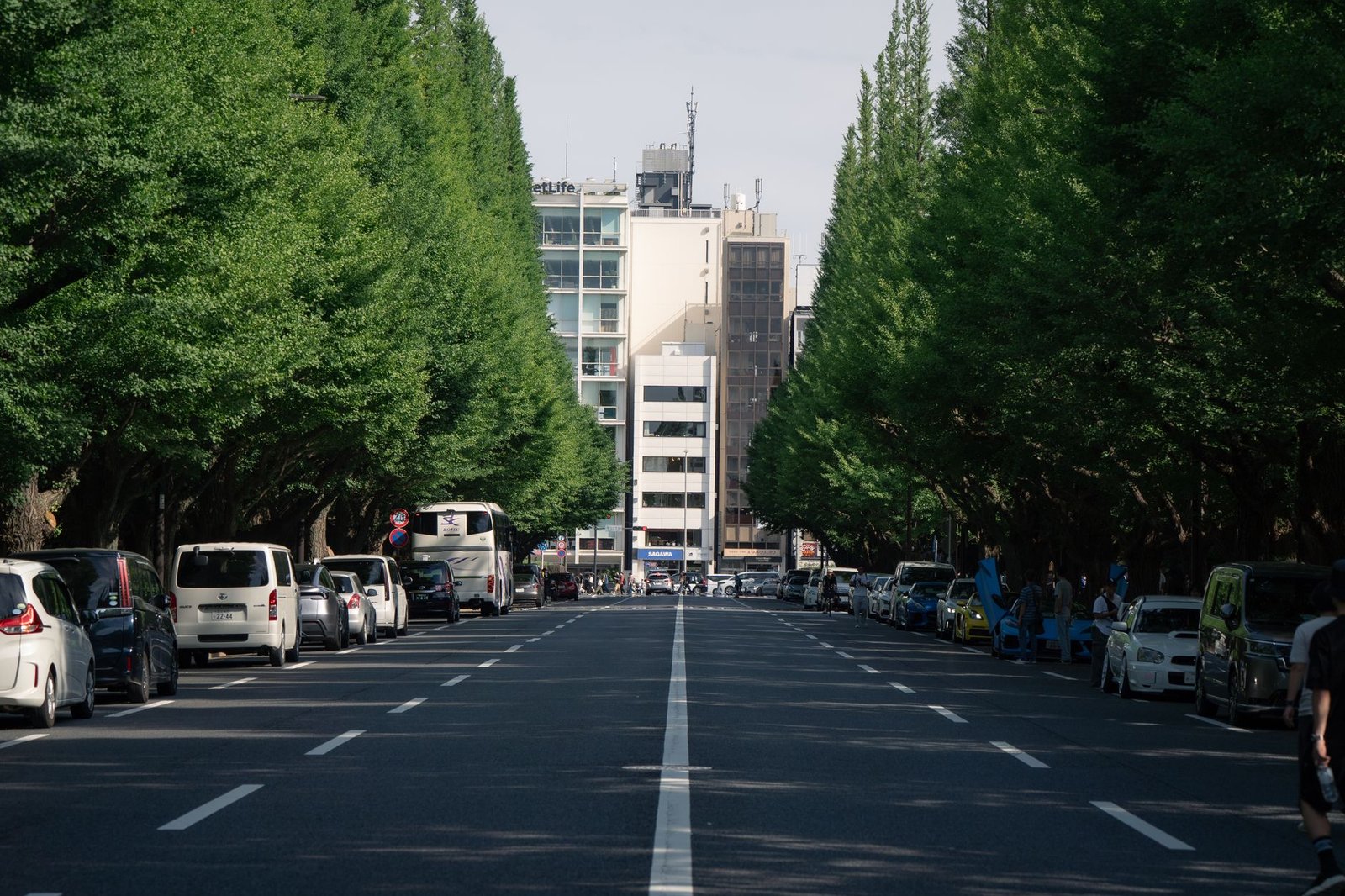
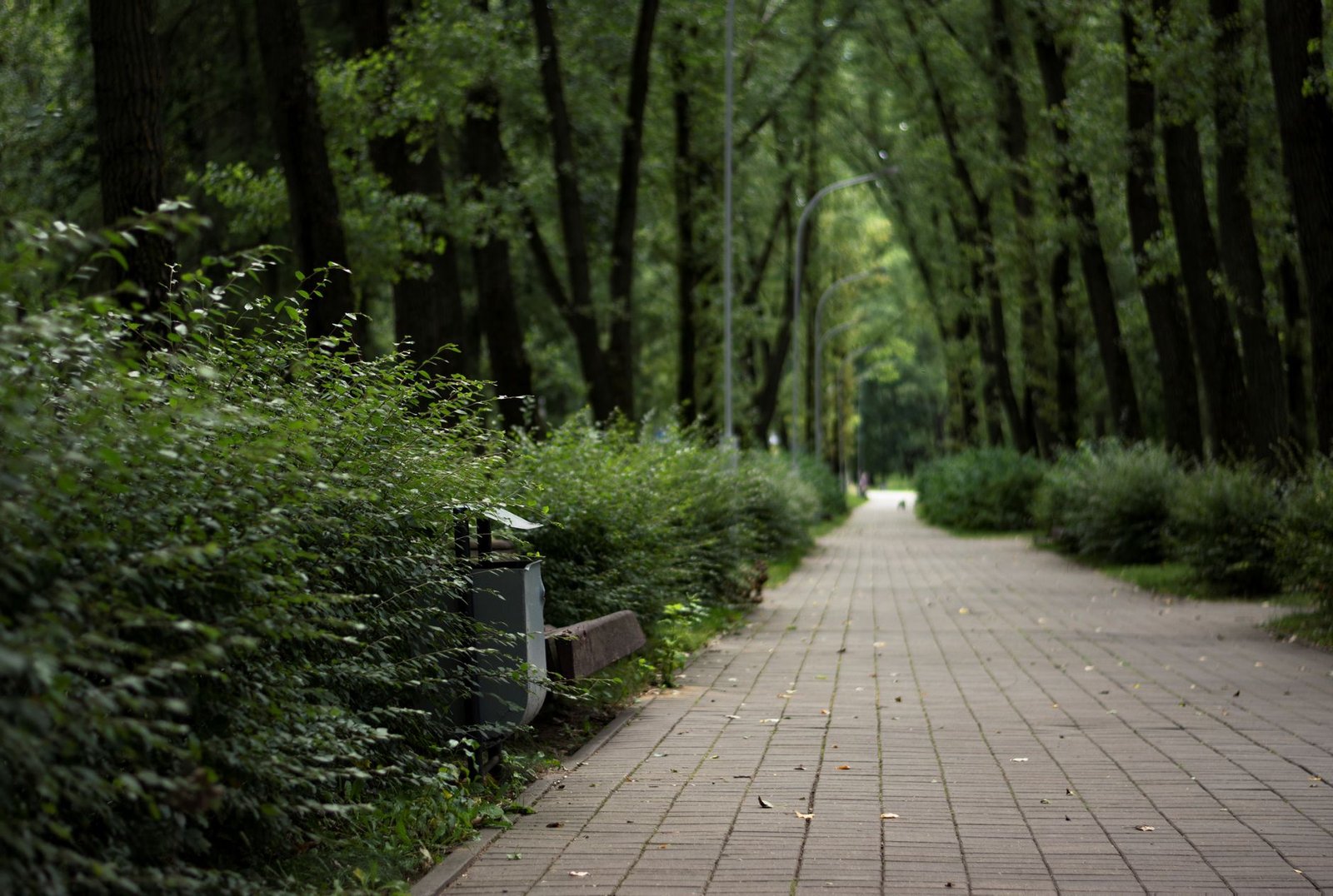
Continuous urban forestry audits utilizing satellite Normalized Difference Vegetation Index (NDVI) mapping demonstrate that streets with continuous mature tree canopies achieve ambient air temperature reductions of up to 6.5 degrees Fahrenheit, creating safe pedestrian transit corridors during blistering summer heatwaves.
Socioeconomic Thermal Equity and Heat-Related Mortality Abatement
Urban heat islands are fundamentally an issue of socioeconomic and environmental justice. Historical redlining and disinvestment left lower-income minority neighborhoods with 40 percent less tree canopy cover and 30 percent more unshaded asphalt parking lots than affluent suburban neighborhoods, resulting in localized ‘thermal ghettos’ where heat-related emergency room admissions and heat stroke fatalities are heavily concentrated.
Municipal cooling master plans prioritize capital investments in high-vulnerability census tracts, deploying cool pavement coatings and planting thousands of native shade trees along public transit bus stops, elementary school walking routes, and public housing complexes. City building codes mandate that all commercial parking lots incorporate shaded solar photovoltaic canopies or continuous tree islands covering at least 50 percent of paved parking stalls within ten years.
Public health epidemiologists praise municipal heat mitigation ordinances, noting that lowering urban summer peak temperatures reduces heat-related cardiovascular mortality, lowers peak residential air-conditioning electricity bills, and transforms urban environments into healthy, livable public spaces.
Official Public Records and Statutory Citations
The documentary evidence and administrative filings referenced in this investigation are indexed under the following public record dockets:
- Clean Air Act, 42 U.S.C. 7410 (State Implementation Plans for National Primary and Secondary Ambient Air Quality Standards).
- City of Phoenix Code of Ordinances, Chapter 31, Section 31-13 (Cool Pavement Application Standards).
- City of Austin Land Development Code, Subchapter E (Design Standards and Tree Protection Regulations).
- Cool Roof Rating Council, Product Rating Program Manual (CRRC-1 Standards).
Independent Oversight Outlook
The widespread implementation of cool pavements and native urban forest canopies represents an indispensable public health defense for American Sun Belt cities. Through continued municipal zoning mandates and street resurfacing programs across 2026 and 2027, urban centers will systematically engineer resilience against extreme summer temperatures.
Spotted an error? Read our corrections policy and let us know.
Keep reading
Urban Stream Daylighting Projects Remove Concrete Culverts to Restore Natural Fluvial Geomorphology
FEMA Hazard Mitigation Assistance Buyouts Transform Repetitive Loss Floodplains into Natural Greenways
Vadose Zone Suction Lysimeters and Groundwater Protection Plans Enacted for Confined Animal Feeding Operations