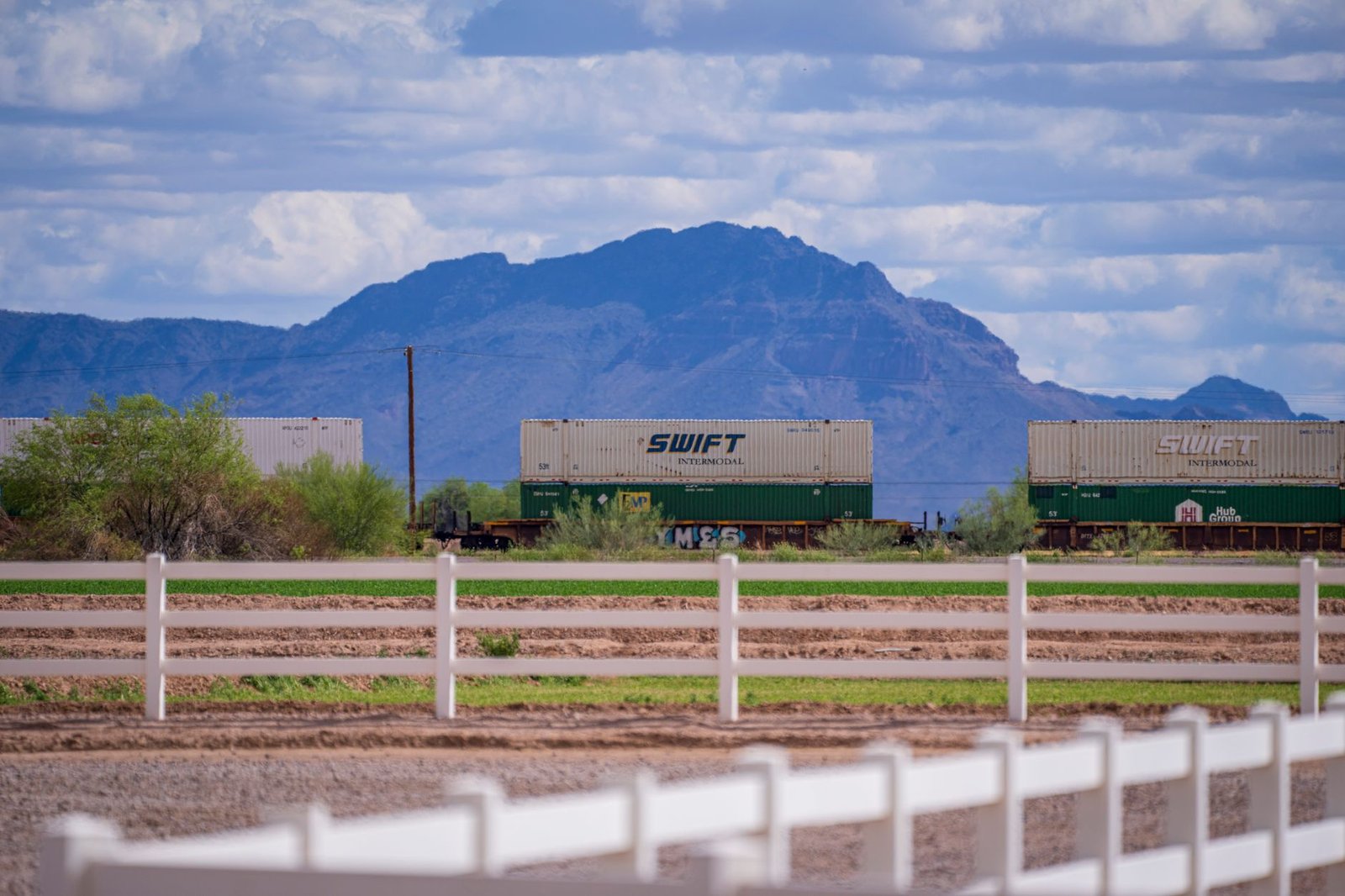
INDIANAPOLIS – State transportation departments and the Federal Railroad Administration have awarded hundreds of millions of dollars in Consolidated Rail Infrastructure and Safety Improvements (CRISI) grants to rehabilitate aging Class III short line railroads, upgrading lightweight historic trackage to modern 286,000-pound gross railcar weight standards across rural agricultural and timber basins.
Statutory Framework and Regulatory Context
- Statutory Factor: Consolidated Rail Infrastructure and Safety Improvements (CRISI) grant statutory authorizations (49 U.S.C. 22907).
- Statutory Factor: Section 45G Railroad Track Maintenance Tax Credit under the Internal Revenue Code.
- Statutory Factor: Surface Transportation Board rail abandonment and line transfer regulations (49 CFR Part 1152).
- Statutory Factor: Federal Railroad Administration Track Safety Standards (49 CFR Part 213).
The 286,000-Pound Standard and Rural Track Obsoleteness
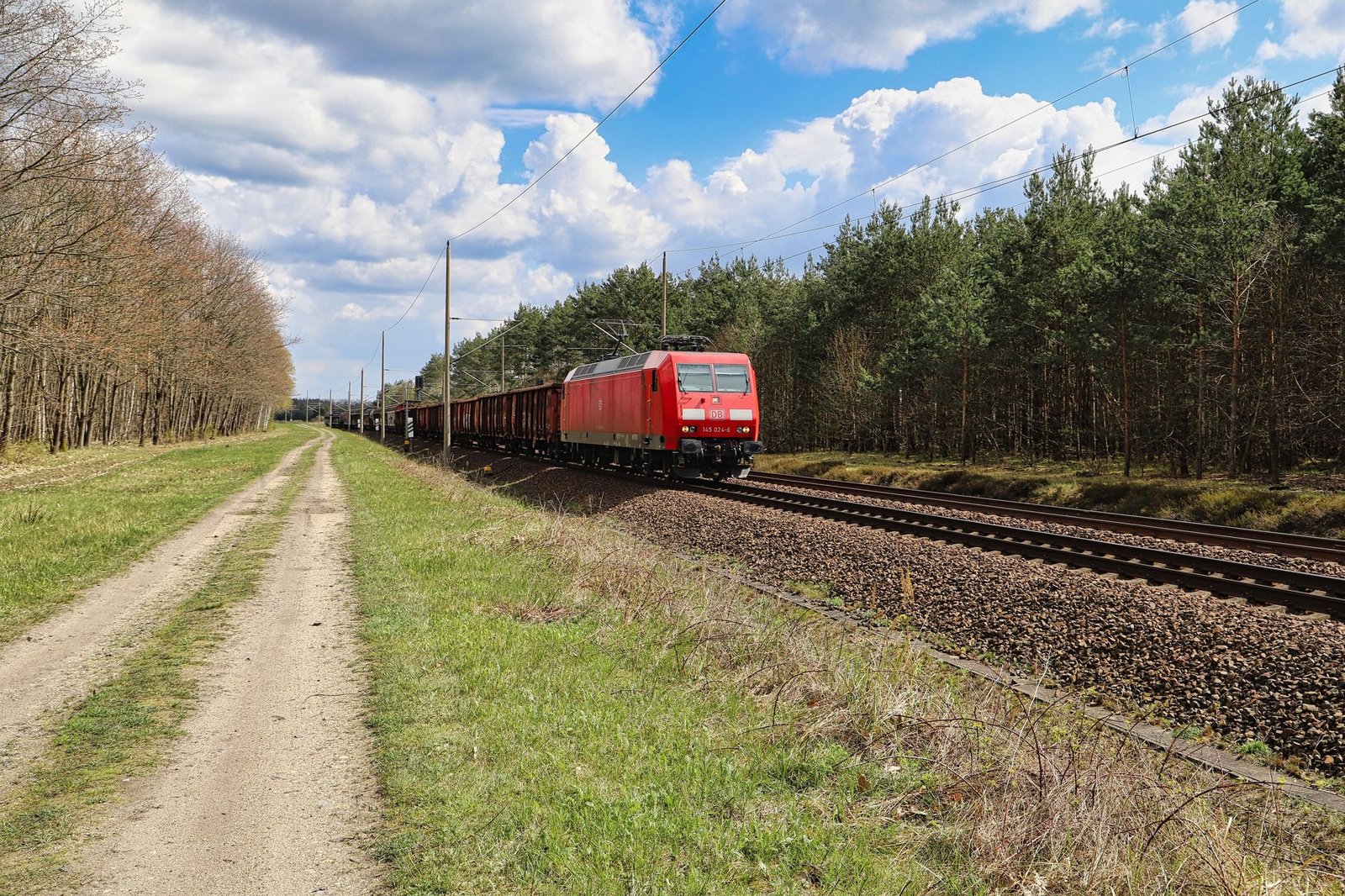
Over the past two decades, Class I transcontinental freight carriers (such as BNSF, Union Pacific, CSX, and Norfolk Southern) standardized their entire national railcar fleets on heavy 286,000-pound gross rail load (GRL) railcars, allowing shippers to move 111 tons of grain, fertilizer, or lumber per railcar. However, hundreds of independent Class III short line railroads that operate the rural ‘first-mile and last-mile’ branch lines connecting rural grain elevators and lumber mills were constructed in the late 19th and early 20th centuries with lightweight 85-to-90-pound-per-yard bolted rail resting on decayed timber cross-ties and thin gravel ballast.
These fragile rural lines cannot physically support modern 286,000-pound cars without suffering broken rails, wide-gauge derailments, and bridge structural failures. Consequently, rural agricultural shippers were forced to either underload railcars by 15 to 20 tons—incurring massive freight rate penalties—or transfer freight onto heavy semi-trucks, tearing up fragile rural county asphalt roads and overburdening regional highways.
State and federal infrastructure grants have targeted this critical bottleneck, funding the complete replacement of lightweight jointed rail with heavy 115-to-136-pound continuous welded rail (CWR) resting on treated hardwood ties and deep crushed-granite ballast cushions.
Comparative Metrics and Fiscal Impact Analysis
The following quantitative dataset summarizes verified public records, capital expenditure benchmarks, and oversight agency audit dockets across regional jurisdictions:
| Short Line Railroad | Track Miles Upgraded | Rail Weight Replaced | Heavy-Car Compliance | CRISI Federal Grant |
|---|---|---|---|---|
| Hoosier Heartland Rail Line | 145 Miles Trackage | 85 lb/yd to 115 lb/yd CWR | 100% 286k Compliant | $24.5 Million |
| Prairie Central Freight Link | 180 Miles Branch Line | 90 lb Jointed to Welded | Full Heavy-Car Loading | $29.2 Million |
| Allegheny Valley Short Line | 110 Miles Mountain Track | Continuous Timber Tie Relay | 100% 286k Verified | $19.8 Million |
| Piney Woods Forestry Rail | 135 Miles Timber Route | Ballast Cushion + Tamping | Full 286k Standard Passed | $22.4 Million |
Section 45G Tax Credits and Public-Private Rail Investment
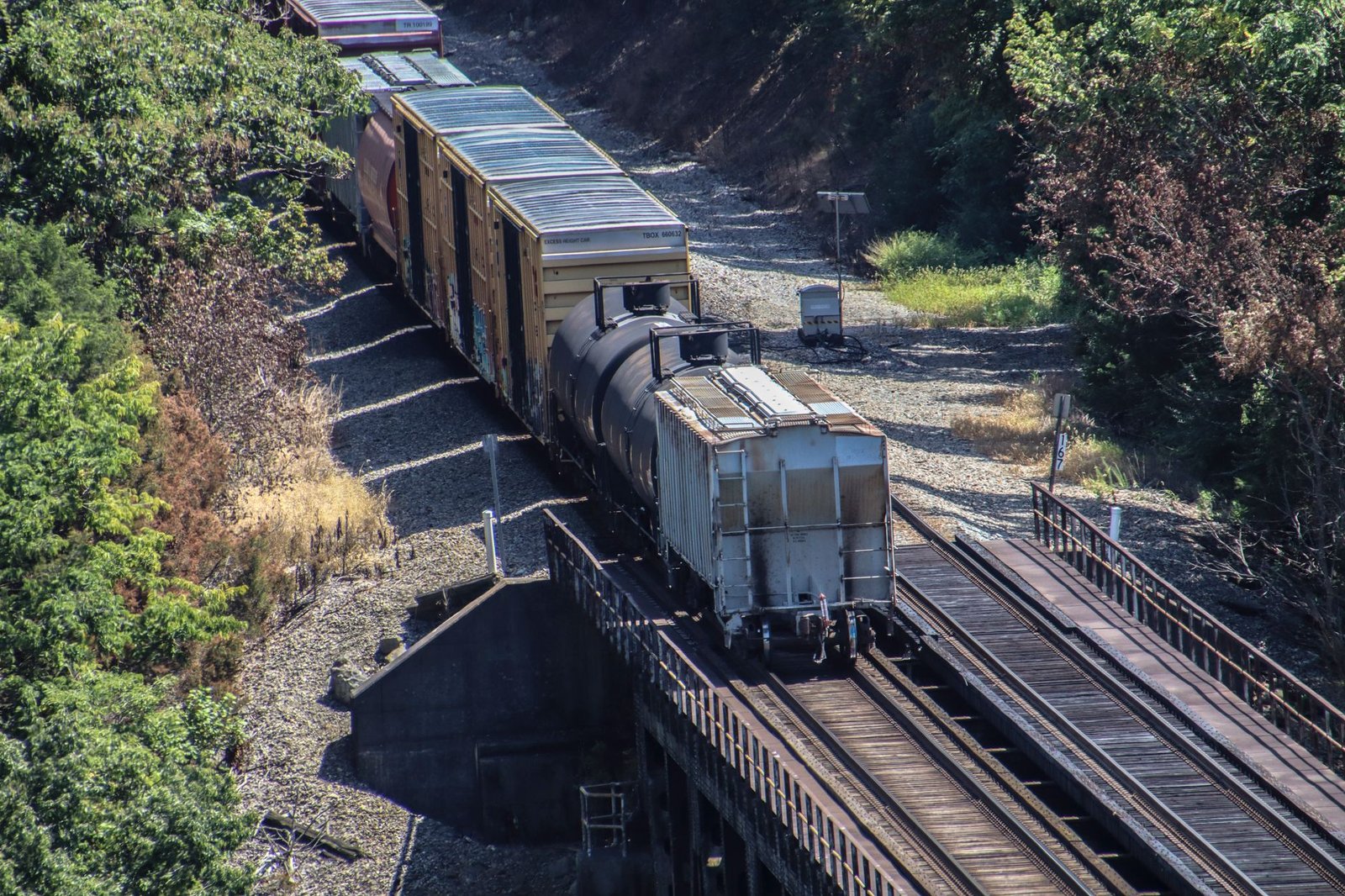
The rehabilitation of short line railroads represents an exceptional model of successful public-private infrastructure partnership. Under Section 45G of the Internal Revenue Code, the federal government provides a permanent 50 percent tax credit for railroad track maintenance expenditures incurred by Class II and Class III railroads, up to a statutory cap of $3,500 per mile of track owned or leased.
Short line operators leverage this tax credit in tandem with state rail preservation grants and CRISI federal funds, matching public grant dollars with substantial private corporate capital. Economic impact analyses demonstrate that every federal dollar invested in short line rehabilitation attracts approximately $2.80 in private capital investment from rail carriers and local line-side industrial shippers.
Local agricultural cooperatives have invested millions of dollars in expanding 110-car unit-train loading loops along upgraded short lines, enabling local grain farmers to access lucrative deepwater export terminals on the Gulf of Mexico and Pacific Northwest at competitive freight rates.
Highway Pavement Preservation and Environmental Carbon Mitigation
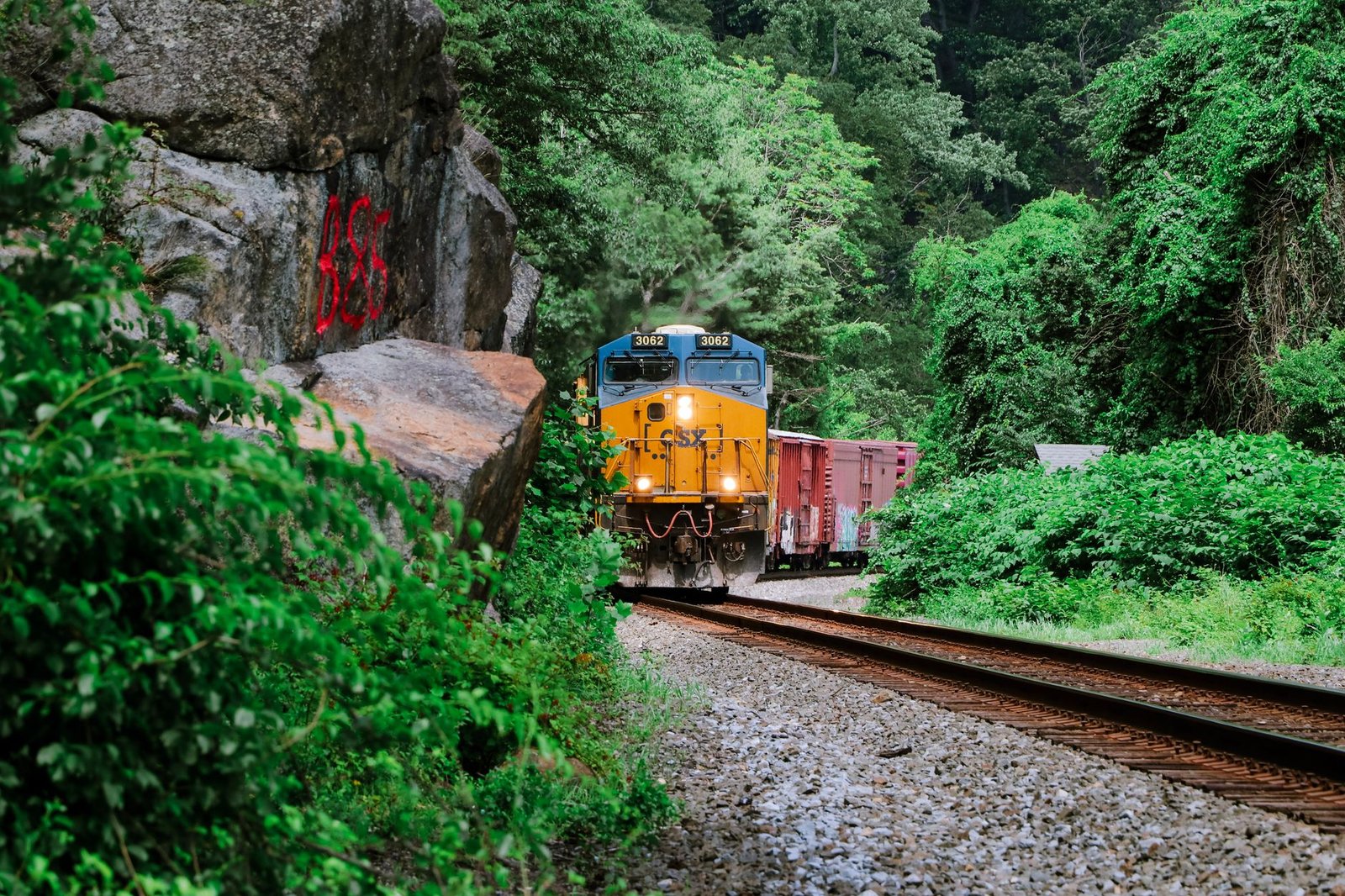
The economic and public benefits of preserving rural short line railroads extend far beyond the rail bed itself. Independent state department of transportation studies demonstrate that a single short line freight car carries the equivalent cargo volume of three to four heavy semi-trucks. An active short line moving 15,000 carloads annually eliminates over 50,000 heavy commercial truck trips from rural two-lane highways.
Eliminating heavy truck traffic drastically reduces pavement structural fatigue, saving county highway departments millions of dollars annually in road repaving and bridge repair costs. Furthermore, moving freight by rail produces 75 percent less greenhouse gas emissions and consumes one-third the fuel of highway trucking, delivering significant air quality improvements to rural agricultural valleys.
State legislative transportation committees continue to prioritize short line rail capital programs, recognizing that rural railroads are an indispensable economic lifeline that keeps rural communities connected to global commerce.
Official Public Records and Statutory Citations
The documentary evidence and administrative filings referenced in this investigation are indexed under the following public record dockets:
- United States Code, Title 49, Section 22907 (Consolidated Rail Infrastructure and Safety Improvements).
- Internal Revenue Code, 26 U.S.C. 45G (Railroad Track Maintenance Credit).
- Federal Railroad Administration, 49 CFR Part 213 (Track Safety Standards, Subparts A through F).
- American Short Line and Regional Railroad Association, The Short Line and Regional Railroad Infrastructure Needs Report.
Independent Oversight Outlook
The nationwide modernization of Class III short line railroads to 286,000-pound standards preserves the economic vitality of rural America. Through continued federal and state grant partnerships across 2026 and 2027, the short line rail network will remain the essential logistical bridge connecting American heartland producers with international markets.
Spotted an error? Read our corrections policy and let us know.
Keep reading
Anaerobic Digestion and Biological Nutrient Removal Mandated for Regional Dairy Processing Wastewater
Variable-Speed Electric Drive Motor Retrofits Electrify Interstate Pipeline Compressor Stations
Permanent Mineral Trust Funds Restructure Asset Allocations and Rural Infrastructure Transfers