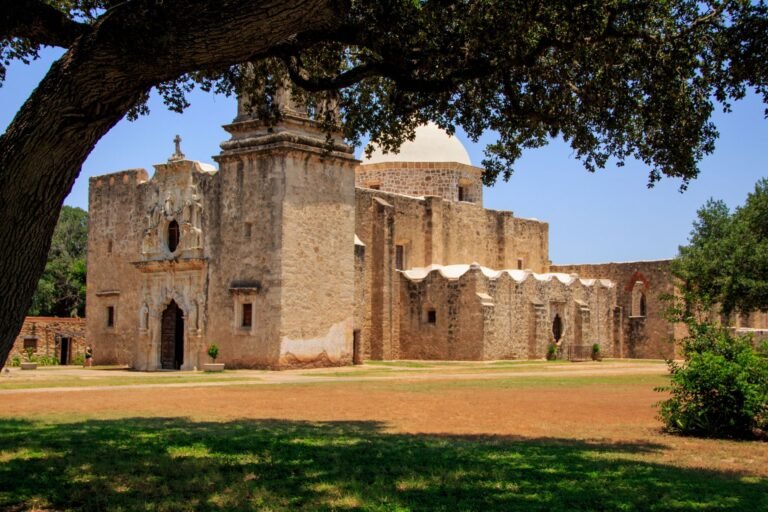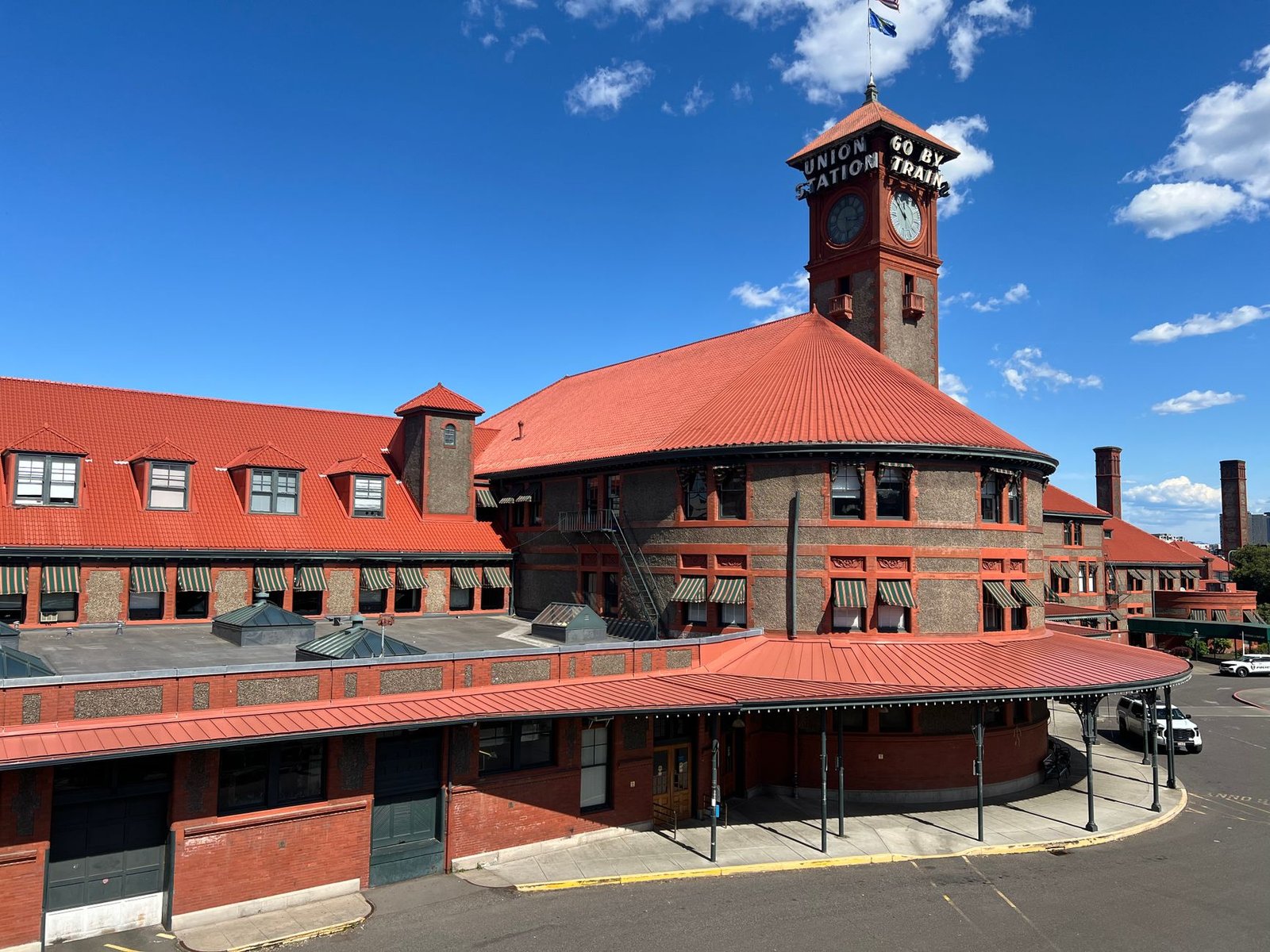
SCRANTON – Municipal development authorities and the Federal Railroad Administration have completed extensive adaptive reuse rehabilitations of historic 19th-century Romanesque Revival and Beaux-Arts passenger rail depots, transforming vacant architectural masterpieces into modern intermodal passenger rail terminals and vibrant municipal cultural museums.
Statutory Framework and Regulatory Context
- Statutory Factor: Federal Railroad Administration Corridor Identification and Development Program statutory grants.
- Statutory Factor: Secretary of the Interior’s Standards for Rehabilitation (36 CFR Part 67) for Federal Historic Tax Credits.
- Statutory Factor: Americans with Disabilities Act (ADA) Title III historical building accessibility compliance guidelines.
- Statutory Factor: State Historic Preservation Office preservation covenants and architectural easements.

The Monumental Architecture of the Gilded Age Rail Depots
During the golden age of American passenger rail travel between 1880 and 1920, mainline railroad corporations spared no expense in constructing monumental passenger terminals that served as the grand architectural front doors to American cities. Designed by premier architects of the era, these monumental structures featured Richardsonian Romanesque rough-faced ashlar sandstone masonry, soaring clock towers, intricate terra-cotta cornices, and magnificent waiting rooms with barrel-vaulted plaster ceilings, stained glass skylights, and terrazzo mosaic floors.
However, the rapid post-World War II expansion of interstate highways and commercial passenger aviation triggered catastrophic declines in rail passenger ridership. Bankrupt railroads abandoned passenger operations, shuttered grand terminal buildings, and left magnificent architectural landmarks to decay from roof leaks, pigeon infestations, broken windows, and vandalism for over half a century.
Many iconic stations were demolished for parking lots, but surviving depots represent irreplaceable civic treasures that anchor the downtown historical identity of American rail towns.
Comparative Metrics and Fiscal Impact Analysis
The following quantitative dataset summarizes verified public records, capital expenditure benchmarks, and oversight agency audit dockets across regional jurisdictions:
| Historic Railroad Depot | Architectural Style & Built | Original Railroad Carrier | Modern Adaptive Function | Restoration Investment Funding |
|---|---|---|---|---|
| Lackawanna Mainline Terminal | Erected 1908 / French Renaissance | Delaware, Lackawanna & Western | Intermodal Passenger + Hotel | $38.5 Million Federal/State |
| Piedmont Union Station | Erected 1912 / Beaux-Arts Classic | Southern Railway Company | Amtrak Rail + Regional Transit Hub | $29.4 Million Investment |
| Heartland Romanesque Depot | Erected 1892 / Richardsonian Brick | Chicago & North Western Rail | Civic Museum + Community Arts | $21.8 Million Rehabilitation |
| Allegheny Mountain Station | Erected 1901 / Victorian Gothic | Pennsylvania Railroad Mainline | Intermodal Bus + Heritage Terminal | $26.2 Million Joint Fund |
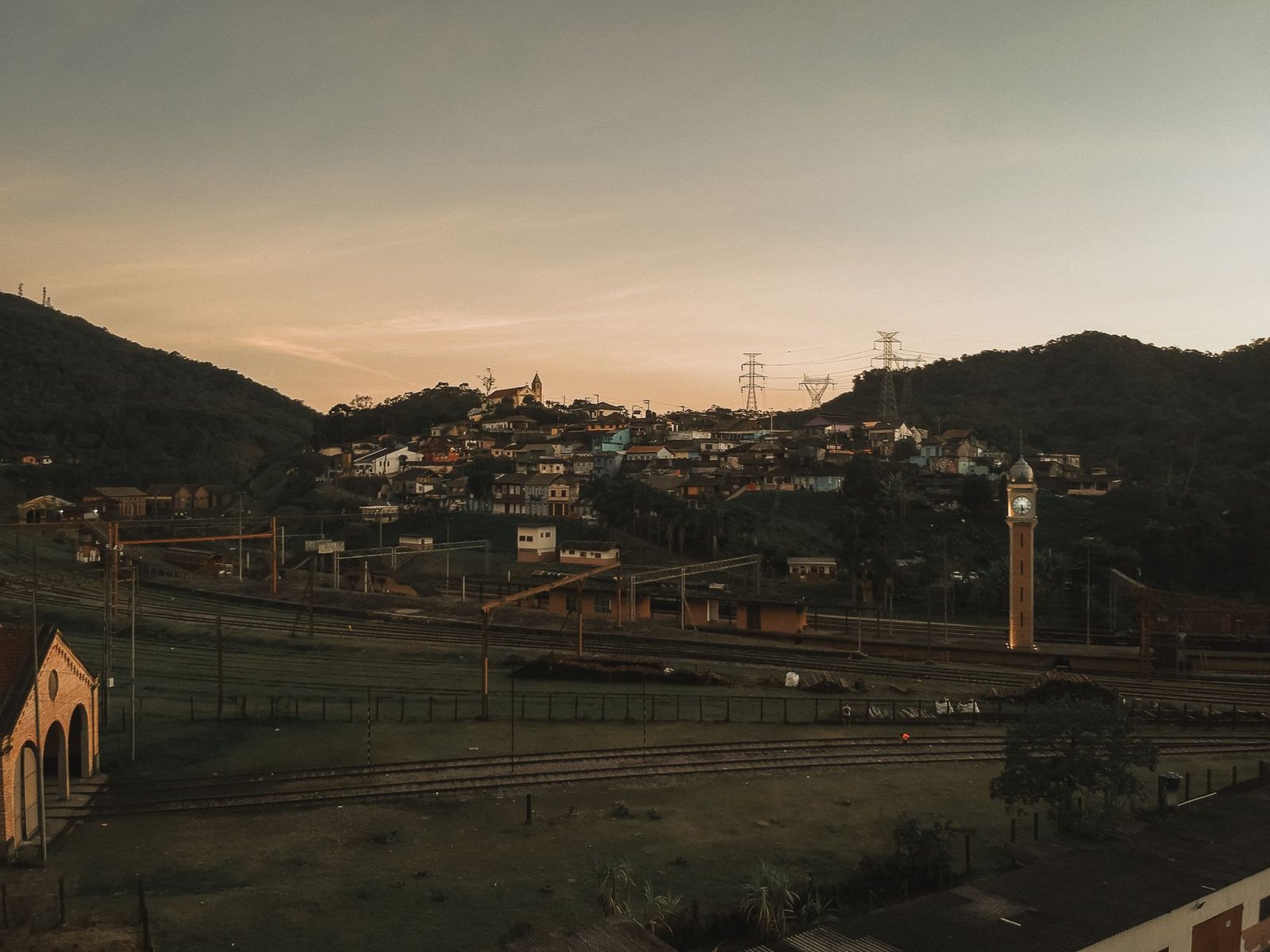
Precision Masonry Restoration, Terra-Cotta Glazes, and Stained Glass Conservation
Restoring a century-old monumental masonry depot requires specialized architectural conservation science conforming to the Secretary of the Interior’s Standards for Rehabilitation. Conservators deploy gentle low-pressure micro-abrasive sponge cleaning systems to strip decades of coal locomotive soot and urban traffic grime from exterior sandstone and pressed red brick facades without etching the protective stone glaze.
Cracked and spalling architectural terra-cotta ornamental elements are removed, cast into specialized rubber molds, and replicated by master ceramists utilizing historic clay slips and multi-colored mineral glazes that match original 1905 finishes down to exact microscopic color spectrums. Structural steel truss roof systems are sandblasted, treated with zinc-rich anti-corrosion primers, and re-roofed with authentic Welsh slate tiles or standing-seam copper panels.
Master stained glass conservators dismantle massive barrel-vaulted skylights, re-leading antique opalescent glass panels and installing clear laminated impact-resistant protective glazing on the exterior to protect fragile historic glass from storm winds and hail damage.

Intermodal Modernization, ADA Accessibility, and Downtown Economic Catalysts
Modern adaptive reuse projects transform historic depots into active, working intermodal transportation centers that anchor regional public transit networks. Restored waiting rooms function once again as grand passenger lobbies, serving expanding state-supported Amtrak passenger corridors, regional commuter rail trains, and municipal bus rapid transit lines under a single coordinated roof.
Architects seamlessly integrate 21st-century technological and accessibility infrastructure without compromising historic character: installing discreet low-profile geothermal heating and cooling systems, high-speed fiber-optic passenger Wi-Fi, and hidden elevators that provide full Americans with Disabilities Act (ADA) wheelchair accessibility to historic elevated train platforms.
Downtown development authorities report that restoring a historic railroad depot triggers extraordinary private sector revitalization across surrounding downtown blocks, attracting boutique hotels, craft breweries, art galleries, and modern residential lofts, proving that historic rail architecture is the ultimate catalyst for 21st-century urban renewal.
Official Public Records and Statutory Citations
The documentary evidence and administrative filings referenced in this investigation are indexed under the following public record dockets:
- Federal Railroad Administration, Corridor Identification and Development Program (49 U.S.C. 24911).
- Internal Revenue Code, 26 U.S.C. 47 (Rehabilitation Tax Credit).
- Americans with Disabilities Act, 42 U.S.C. 12181 et seq. (Public Accommodations in Historical Buildings).
- National Park Service, Preservation Brief 17: Architectural Character: Identifying the Visual Aspects of Historic Buildings.
Independent Oversight Outlook
The adaptive reuse of America’s historic railroad depots represents a magnificent renaissance of historic architecture and sustainable passenger transit. Through federal infrastructure grants and historic tax credit partnerships across 2026 and 2027, these monumental civic gateways will continue to inspire travelers and anchor downtown vitality for another century.
Spotted an error? Read our corrections policy and let us know.
Keep reading
High-Country Ranching Line Camps and Notched Log Cabins Restored Across Intermountain Grazing Allotments

Historic Dimensional Limestone Quarries and Stonecutter Sheds Reclaimed Under Industrial Geo-Heritage Programs

Historic Appalachian Mountain Ballad Collections and Bluegrass Acetate Discs Preserved Under National Audio Heritage Standards