
ATLANTA – State supreme courts and general assembly judiciary committees are grappling with contentious legislative reforms to sovereign immunity doctrines, debating whether state transportation departments should be stripped of historical immunity shields that prevent private civil engineering contractors from suing for multimillion-dollar construction delay damages.
Statutory Framework and Regulatory Context
- Statutory Factor: State constitutional sovereign immunity provisions and Tort Claims Act statutory waivers.
- Statutory Factor: State Department of Transportation standard specifications for highway construction contracts.
- Statutory Factor: American Arbitration Association public construction dispute resolution rules.
- Statutory Factor: Federal-Aid Highway Program state matching fund reimbursement certifications.
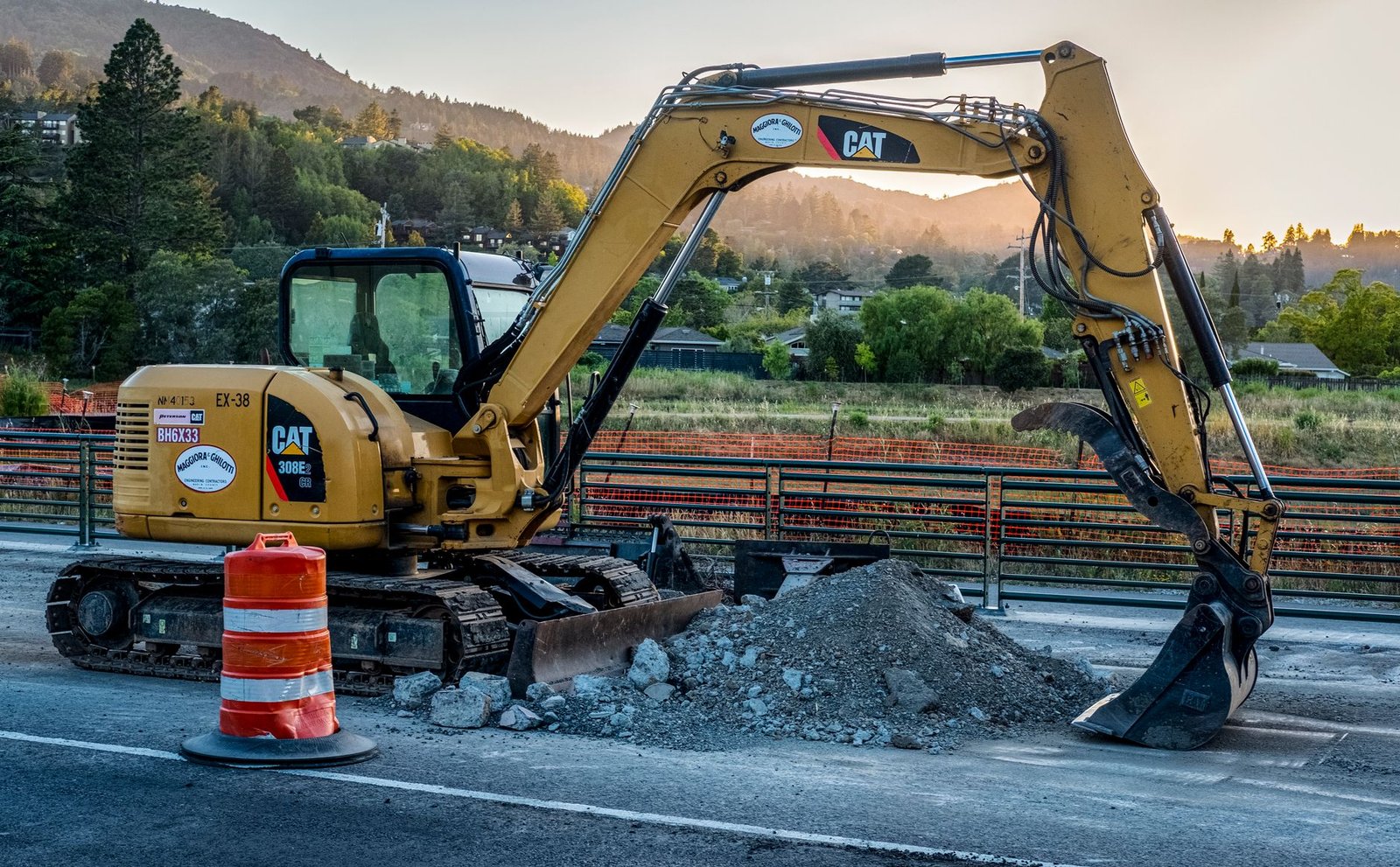
The Common Law Doctrine of Sovereign Immunity and Highway Contracts
Derived from ancient English common-law jurisprudence holding that ‘the King can do no wrong,’ the doctrine of sovereign immunity bars private individuals and commercial corporations from filing civil lawsuits against a sovereign state government without the state’s explicit legislative consent. While all states have enacted statutory Tort Claims Acts waiving immunity for routine physical torts—such as state vehicle traffic accidents—the application of sovereign immunity to commercial contract disputes remains deeply fragmented across American jurisdictions.
When heavy civil construction contractors encounter severe differing site conditions, defective state bridge engineering plans, or state-ordered work suspensions that cause millions of dollars in equipment idling and financing costs, states invoking strict sovereign immunity can dismiss contractor breach-of-contract lawsuits on jurisdictional grounds before any factual trial on the merits can occur.
General contracting associations argue that using sovereign immunity to avoid legitimate contractual payment obligations allows state agencies to shift financial risks onto private engineering firms, driving up competitive bid pricing as contractors bake massive ‘immunity risk premiums’ into public infrastructure bids.
Comparative Metrics and Fiscal Impact Analysis
The following quantitative dataset summarizes verified public records, capital expenditure benchmarks, and oversight agency audit dockets across regional jurisdictions:
| State Jurisdiction | Contract Immunity Waiver | Mandatory Arbitration | Administrative Claims Board | Active Industry Dispute |
|---|---|---|---|---|
| Georgia Supreme Court | Express Written Waiver Required | Non-Binding Mediation Only | Board of Claims Prerequisite | High Court Docket S24G0412 |
| Texas Supreme Court | Chapter 2260 Statutory Process | Mandatory Prior to Suit | Contested Case at SOAH | General Contractor Docket 24-0199 |
| Florida Supreme Court | Implied Waiver in Signed Contracts | Binding Arbitration Enforced | Direct Circuit Court Access | FDOT Construction Precedent |
| North Carolina General Assembly | State Tort Claims Process | Administrative Hearing Only | Industrial Commission Review | Legislative Revision Pending |

Administrative Claims Boards Versus Independent Binding Arbitration
To provide an orderly dispute resolution forum without exposing state treasuries to unlimited court liabilities, many states established specialized administrative boards of claims or required contractors to navigate contested case hearings before state administrative law judges. However, construction contractors routinely criticize these internal administrative bodies as inherently biased forums where the state acts simultaneously as party litigant and presiding judge.
Contractor trade groups have lobbied vigorously for statutory mandates requiring state transportation departments to include binding commercial arbitration clauses in all public works contracts. Under binding arbitration, disputes are adjudicated by neutral panels of certified construction engineering arbitrators possessing specialized technical expertise in complex CPM schedule delay analysis and subgrade geotechnical soil mechanics.
Conversely, state attorneys general resist binding arbitration, arguing that delegating final authority over multimillion-dollar state expenditure disputes to private arbitrators violates constitutional separation-of-powers principles and circumvents legislative appropriations control.
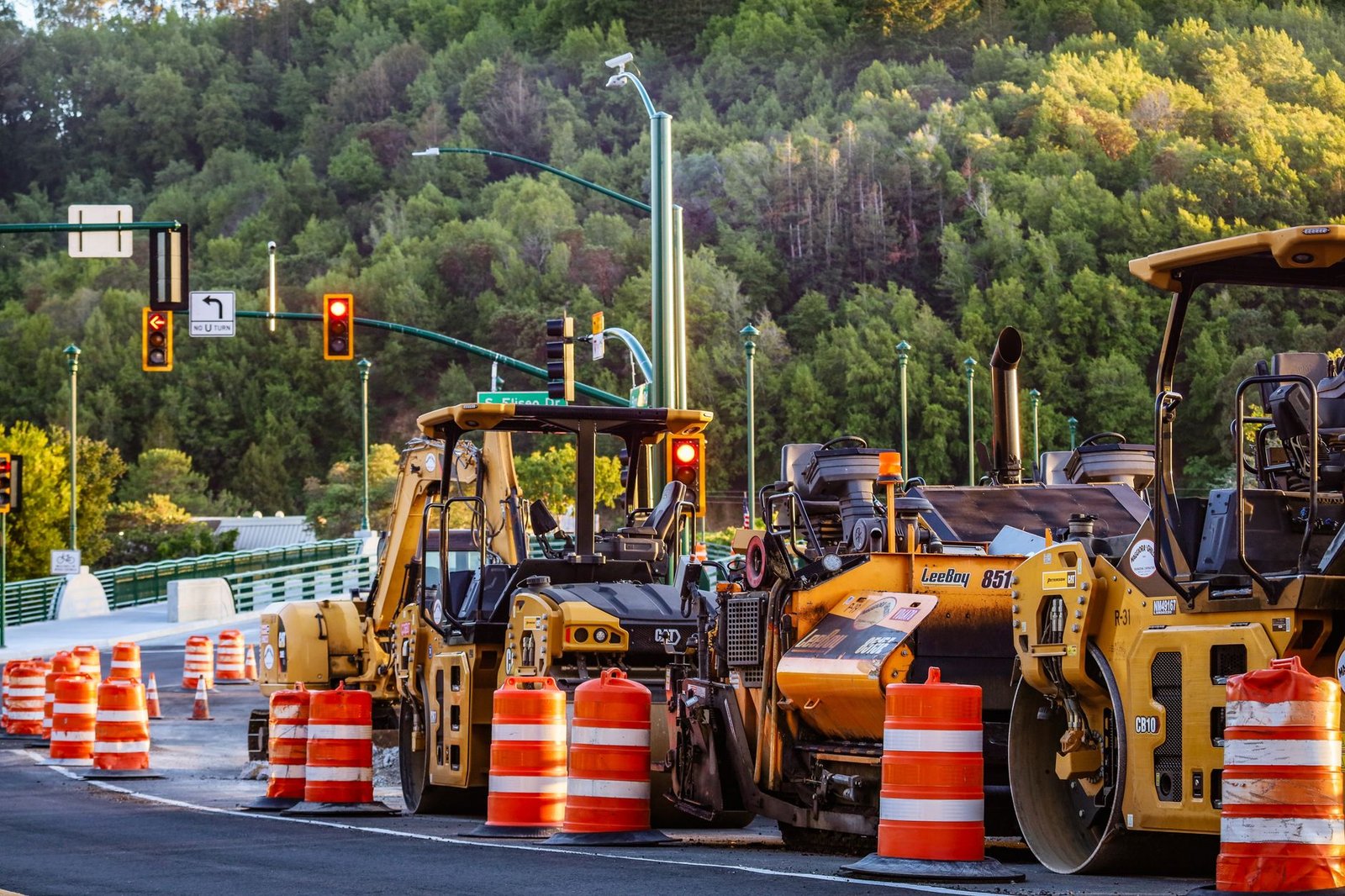
Impact on Federal Infrastructure Financing and Public-Private Partnerships
The legal debate over sovereign immunity has reached a critical juncture with the deployment of complex public-private partnerships (P3) and multi-billion-dollar federally funded infrastructure megaprojects. International institutional investors and concessionaires that finance highway toll concessions and intermodal rail terminals demand absolute legal certainty regarding contractual enforceability before committing billions of dollars in private capital.
In states with rigid sovereign immunity doctrines, major international engineering consortiums have declined to submit bids or have demanded expensive state-backed letters of credit, placing those states at a competitive disadvantage in modernizing critical transportation networks.
State legislatures have begun enacting targeted statutory compromises, creating specialized commercial courts or waiving immunity strictly up to the contractual retainage limits authorized under approved legislative project appropriations.
Official Public Records and Statutory Citations
The documentary evidence and administrative filings referenced in this investigation are indexed under the following public record dockets:
- Georgia Supreme Court, Georgia Department of Transportation v. Peachstate Paving, 312 Ga. 582.
- Texas Supreme Court, General Services Commission v. Little-Tex Insulation Co., 39 S.W.3d 591.
- Florida Supreme Court, Pan-Am Tobacco Corp. v. Department of Corrections, 471 So. 2d 4 (Implied Contract Waiver).
- United States Department of Transportation, Federal Highway Administration, 23 CFR Part 635 (Construction and Maintenance Regulations).
Independent Oversight Outlook
The ongoing evolution of sovereign immunity in public construction contracts reflects a fundamental economic realignment in American public works delivery. As states compete for private capital and skilled engineering contractors through 2027, the balance between sovereign prerogative and contractual fairness will define state infrastructure development.
Spotted an error? Read our corrections policy and let us know.

Keep reading

Ephemeral Messaging and Disappearing Mobile Chats Ruled Public Records in State Executive Offices

Correctional Facility Privatization Contracts Face Rigorous Performance Metric and Staffing Audits

Unclaimed Property Escheatment Audit Standards Strengthened Under Revised Uniform Act Enforcement