Washington State is spearheading a monumental regional transformation across energy and transportation under the statutory frameworks of the Clean Energy Transformation Act (CETA) and the Climate Commitment Act (CCA). By pairing the decarbonization of its massive Columbia River hydropower system with the planning of the Cascadia High-Speed Ground Transportation (UHSGT) corridor—a high-speed passenger rail system designed to link Seattle, Portland, and Vancouver at speeds up to 250 miles per hour—Washington is redefining modern transit and energy infrastructure. For citizens, municipal leaders, and industrial energy consumers, cross-Cascade high-voltage transmission lines and zero-emission transit represent the cornerstone of the state’s 2026 economic roadmap.
1. The Two Geographies: Bridging the Cascade Energy Divide
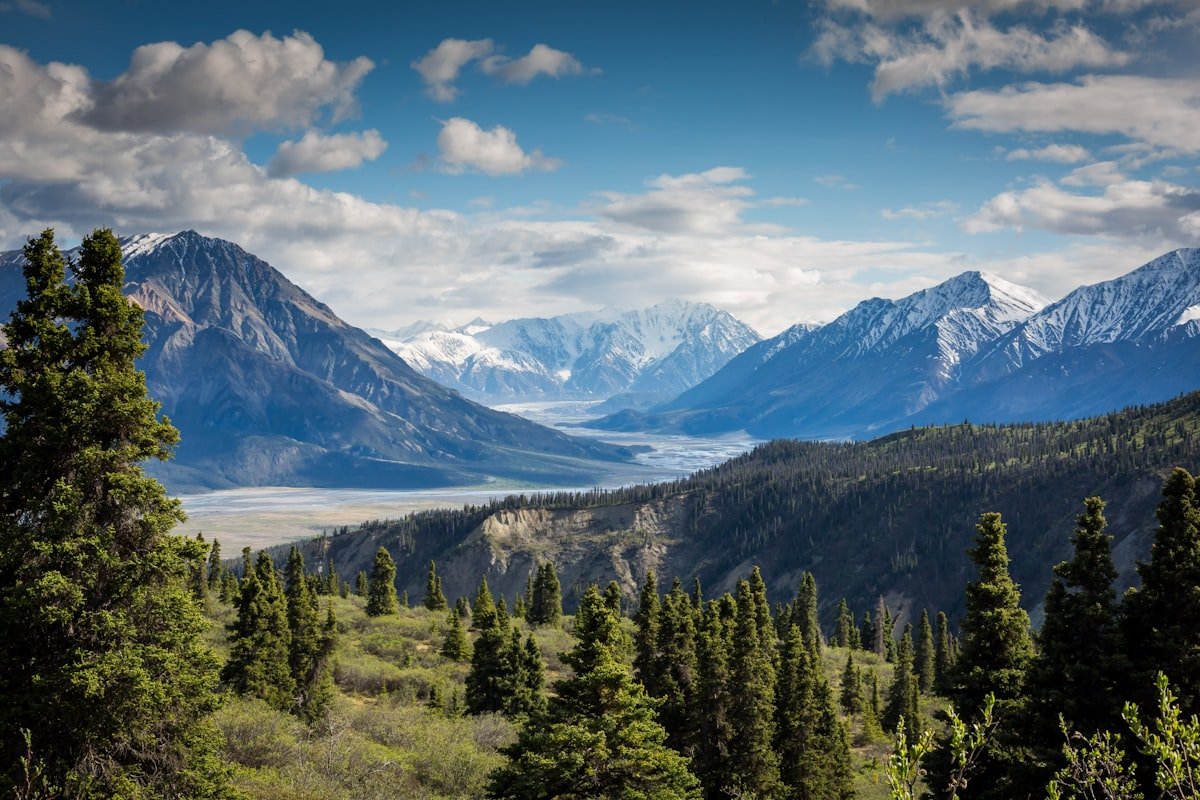
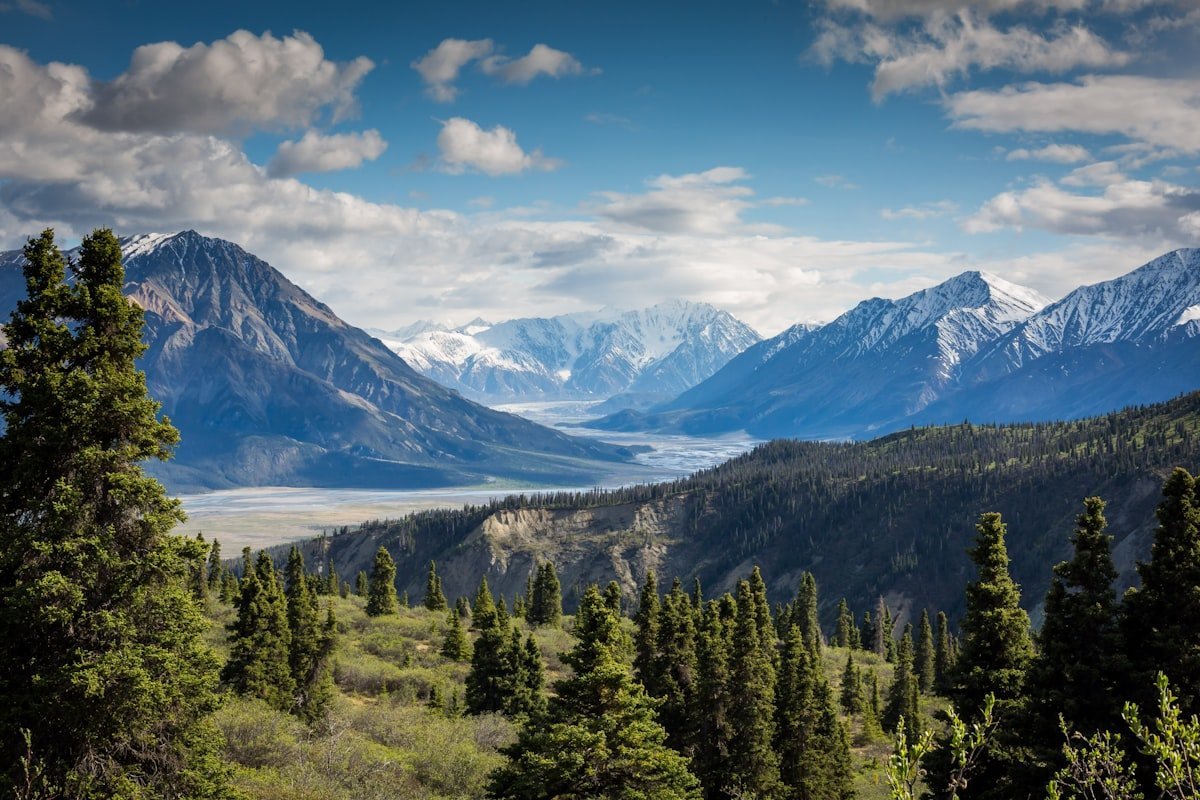
To understand Washington State’s infrastructure strategy, one must examine the distinct topography that bifurcates the state. The towering peaks of the Cascade Range divide Washington into two distinct geographic and economic spheres: the wet, densely populated metropolitan corridor of the Puget Sound (encompassing Seattle, Bellevue, Tacoma, and Everett) and the arid, expansive agricultural and energy-producing plains of Eastern Washington.
Historically, the vast majority of Washington’s electricity has been generated east of the Cascades along the mighty Columbia River, where gargantuan federal dams—including Grand Coulee and Chief Joseph, operated by the Bonneville Power Administration (BPA)—generate immense quantities of cheap, carbon-free hydroelectricity. Over the past decade, Eastern Washington’s sunny Columbia Basin and windy Palouse hills also became the primary destination for utility-scale solar farms and wind turbine arrays.
However, as Western Washington’s booming cloud-computing data centers, residential heat pumps, and electric vehicles drive electric consumption to historic highs, the physical capacity of the electrical transmission lines crossing the Cascade mountain passes (such as Stevens Pass and Snoqualmie Pass) has reached thermal saturation limits. To prevent catastrophic regional blackouts and fulfill the Clean Energy Transformation Act’s mandate to eliminate coal by 2025 and achieve 100% carbon-neutral electricity by 2030, the state is executing comprehensive high-voltage direct current (HVDC) transmission upgrades across the mountain passes.
2. Cascadia High-Speed Rail: Unifying a Cross-Border Megaregion
Parallel to the clean energy transmission modernization is the most ambitious passenger rail project in North American history: the Cascadia Ultra-High-Speed Ground Transportation (UHSGT) corridor. Under joint sponsorship between the Washington State Department of Transportation (WSDOT), the Oregon Department of Transportation (ODOT), and the Province of British Columbia, this mega-project will construct an electrified passenger rail line spanning roughly 310 miles between Vancouver, BC, Seattle, and Portland.
Operating bullet trains on dedicated grade-separated track at top speeds of 250 miles per hour, the system will slash one-way travel times between Seattle and Portland from three and a half hours by car or Amtrak Cascades to a mere 60 minutes. The economic premise is transformative: by effectively merging three major metropolitan labor markets into a single integrated economic corridor, the Cascadia mega-region can absorb projected population growth without paving over pristine agricultural land or expanding highway lanes along the chronically congested Interstate 5 corridor.
Funding for the environmental review and initial engineering alignment is generated through Washington’s Climate Commitment Act cap-and-invest auctions, which price carbon emissions from major industrial polluters and channel billions in proceeds directly into clean transportation infrastructure, transit electrification, and pedestrian mobility grants.
| Infrastructure Domain | Legacy System State | 2026 Strategic Implementation | Regional Economic Transformation |
|---|---|---|---|
| Intercity Travel Speeds (Seattle-Portland) | 3.5 hours (I-5 traffic or diesel rail) | 60 minutes via 250 mph electrified bullet train | Unifies Cascadia into a single multi-national labor market |
| Cross-Cascade Power Transmission | Thermal congestion on legacy AC lines | Modernized 500 kV corridors & HVDC links | Delivers Columbia Basin renewables to Puget Sound |
| Cap-and-Invest Revenue Deployment | General fund fuel excise revenues only | Billion-dollar auctions under Climate Commitment Act | Dedicated funding for ferry electrification and rail transit |
| State Ferry Fleet Decarbonization | Diesel combustion vessels (largest consumer in state) | Hybrid-electric conversion of Jumbo Mark II vessels | Eliminates millions of gallons of diesel fuel annually |
3. Maritime Decarbonization: Electrifying the Washington State Ferries
Nowhere is Washington’s commitment to clean transportation more visible than on the waters of the Puget Sound. Washington State Ferries (WSF) operates the largest public ferry system in the United States, carrying over 24 million passengers annually across ten marine routes.
Historically, the ferry system’s 21 diesel vessels consumed more than 17 million gallons of diesel fuel annually, making WSF the state government’s single largest greenhouse gas emitter. Under the system-wide Ferry System Electrification Plan, the state is executing a multi-phase modernization: converting its largest Jumbo Mark II vessels (including the Wenatchee and Tacoma) from pure diesel propulsion to hybrid-electric battery power, building new purpose-designed 160-vehicle hybrid-electric vessels, and installing high-megawatt rapid-charging infrastructure at key island and mainland ferry terminals (including Bainbridge Island, Seattle/Colman Dock, and Kingston).
When operating in all-electric mode, these hybrid vessels draw power directly from clean grid substations, slashing vessel operating noise that disturbs marine mammals—most notably the endangered Southern Resident Killer Whale population in the Salish Sea—while eliminating thousands of metric tons of toxic exhaust particulates.
4. Salmon Recovery and Hydroelectric Operations in the Snake River Basin
A profound environmental and cultural debate shaping Pacific Northwest infrastructure involves balancing clean hydroelectric generation with the survival of native wild salmon and steelhead populations. For the sovereign Indigenous Tribes of the Pacific Northwest—including the Yakama Nation, the Nez Perce Tribe, and the Confederated Tribes of the Umatilla Indian Reservation—salmon represent a sacred cultural, spiritual, and treaty-guaranteed resource.
To reconcile the historic conflicts surrounding four lower Snake River dams (Ice Harbor, Lower Monumental, Little Goose, and Lower Granite), state leaders and federal authorities are executing a comprehensive Columbia Basin Restoration Initiative. While the dams provide valuable barge transportation and peaking power reserves, the state is actively planning and investing in replacement energy infrastructure—including massive utility-scale battery storage installations, advanced geothermal exploration, and wind energy arrays—to prepare for the potential long-term breaching of the dams while ensuring grid reliability and agricultural irrigation access for Eastern Washington farmers.

5. Port Electrification and Green Shipping Corridors
The Northwest Seaport Alliance (NWSA)—the joint operating partnership governing the marine cargo terminals of the Port of Seattle and the Port of Tacoma—is actively deploying shore-power cold-ironing systems at all major international container terminals. By allowing massive ocean container ships to plug directly into the regional municipal electric grid while berthed, the ports eliminate auxiliary diesel engine emissions during cargo unloading operations.
Furthermore, Washington has partnered with the State of Alaska and the maritime industry to establish a Green Shipping Corridor linking Puget Sound to Southeast Alaska. This maritime initiative supports the commercial deployment of hydrogen-hybrid and methanol-fueled cargo vessels, ensuring that the vital marine supply line carrying groceries, medical supplies, and industrial equipment to remote Alaskan communities achieves verifiable lifecycle emission reductions.
6. Civic Blueprint: How Citizens and Municipalities Can Leverage the Northwest Transition
For civic leaders, municipal planners, and regional citizens engaging with Washington’s green infrastructure transition, the following actionable priorities are recommended:
- Participate in Cascadia Rail Station-Area Planning: Municipalities situated along the projected I-5 rail corridor (such as Bellingham, Mount Vernon, Everett, and Olympia) should initiate transit-oriented community zoning around proposed high-speed passenger stations, ensuring future growth concentrates density within walkable station districts.
- Apply for Climate Commitment Act Community Grants: Local governments and community organizations in overburdened environmental communities should apply for dedicated HEAL Act (Healthy Environment for All) equity grants funded by cap-and-invest revenues, securing capital for urban tree canopies, residential heat pump retrofits, and local EV charging hubs.
- Coordinate Distributed Microgrid Deployments: Island and rural communities in Puget Sound and the Olympic Peninsula should partner with local public utility districts (PUDs) to deploy microgrids featuring solar arrays and battery energy storage, ensuring emergency power resilience during severe winter windstorms and seismic events.
- Monitor Port Electrification Upgrades: Commercial maritime businesses and recreational boaters should engage with the Port of Seattle and the Port of Tacoma to leverage shore-power cold-ironing berths, which allow berthed vessels to shut down diesel auxiliary engines and draw clean grid electricity while in harbor.
Through pioneering climate legislation, engineering courage, and profound respect for native ecosystems, Washington State is establishing an enduring model of clean mobility and regional infrastructure excellence for the 21st century.
7. Grid Decarbonization and Regional Transmission Organizations
As Washington accelerates its clean energy transition under CETA, state energy planners are actively evaluating participation in expanding Western regional transmission organizations (RTOs), such as the California ISO’s Extended Day-Ahead Market (EDAM) and the Southwest Power Pool’s Markets+ initiative. Interconnecting Washington’s vast seasonal hydropower reserves with solar-rich Southwestern grids allows for dynamic, bidirectional energy trading across state lines.
During blazing summer afternoons when California and Arizona experience peak air conditioning loads, Washington can dispatch clean hydropower south along the Pacific DC Intertie. Conversely, during mild spring afternoons when solar generation peaks in the desert, Washington utilities can import cheap solar power and curtail dam water flows, effectively storing potential energy in behind-dam reservoirs for winter heating demands. This Western-wide regional coordination strengthens energy reliability while driving down wholesale power procurement costs for Pacific Northwest consumers.
Official Legislative and Regional References
- Washington State Legislature: Revised Code of Washington (RCW) Chapter 70A.65 (Climate Commitment Act).
- Washington State Department of Transportation (WSDOT): Cascadia Ultra-High-Speed Ground Transportation Corridor Preliminary Project Assessment.
- Washington State Department of Commerce: 2025-2026 State Energy Strategy and CETA Implementation Progress Report.
- Bonneville Power Administration (BPA): Long-Term Regional Transmission Plan and Hydropower Adequacy Study.