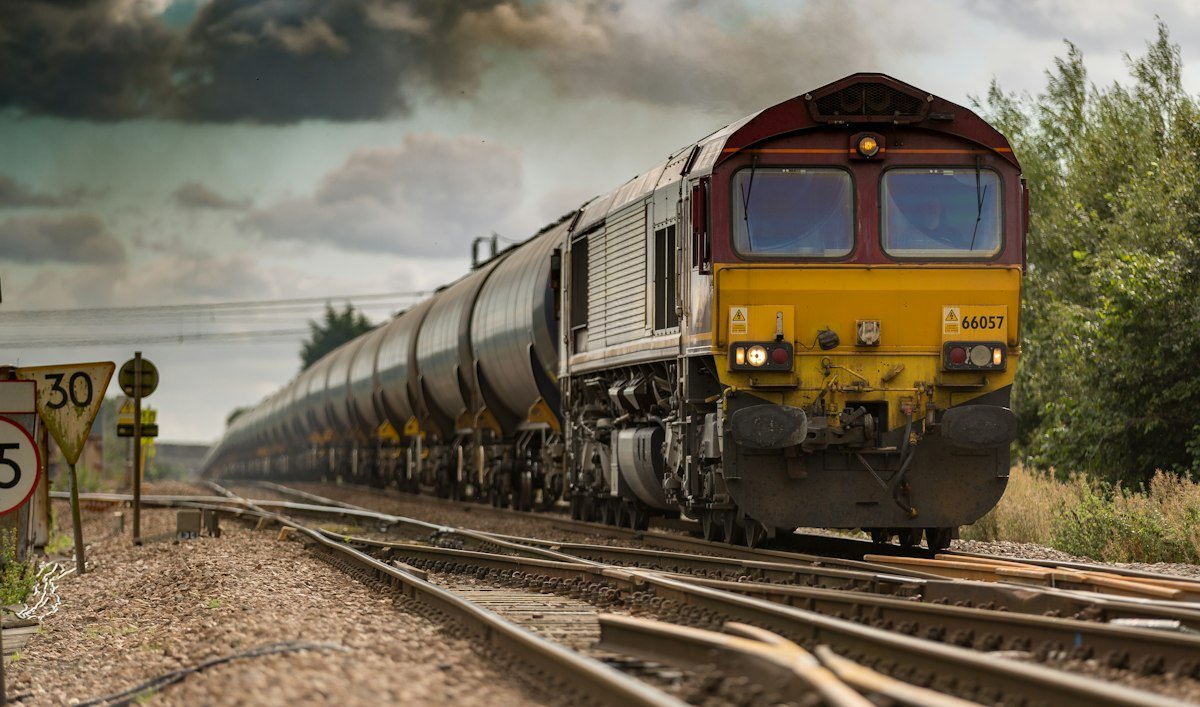
Pennsylvania occupies a sacred position in the economic and architectural chronicle of the United States, functioning as the geographic Keystone that united early coastal commerce with the vast trans-Appalachian frontier. From the stone arch aqueducts of the Main Line of Public Works to the monumental civil engineering marvel of the Horseshoe Curve near Altoona, Pennsylvania’s industrial landscape tells the epic story of American labor, metallurgical innovation, and railroad expansion. Through the Pennsylvania Historical and Museum Commission (PHMC) and regional heritage partnerships, the Commonwealth is executing cutting-edge industrial archaeology and architectural preservation, transforming legacy brownfields and rail corridors into living historical assets.
1. The Engineering Feat of the Century: J. Edgar Thomson and the Horseshoe Curve
To appreciate Pennsylvania’s transport heritage, one must understand the formidable geographic barrier posed by the Allegheny Mountains. In the early 19th century, Philadelphia merchants watched with growing alarm as New York City captured Western trade following the 1825 completion of the Erie Canal. Pennsylvania countered by constructing the Main Line of Public Works—a daring hybrid system of canal basins and the Allegheny Portage Railroad, where canal boats were physically hoisted over mountain ridges on inclined plane railways powered by stationary steam winches.
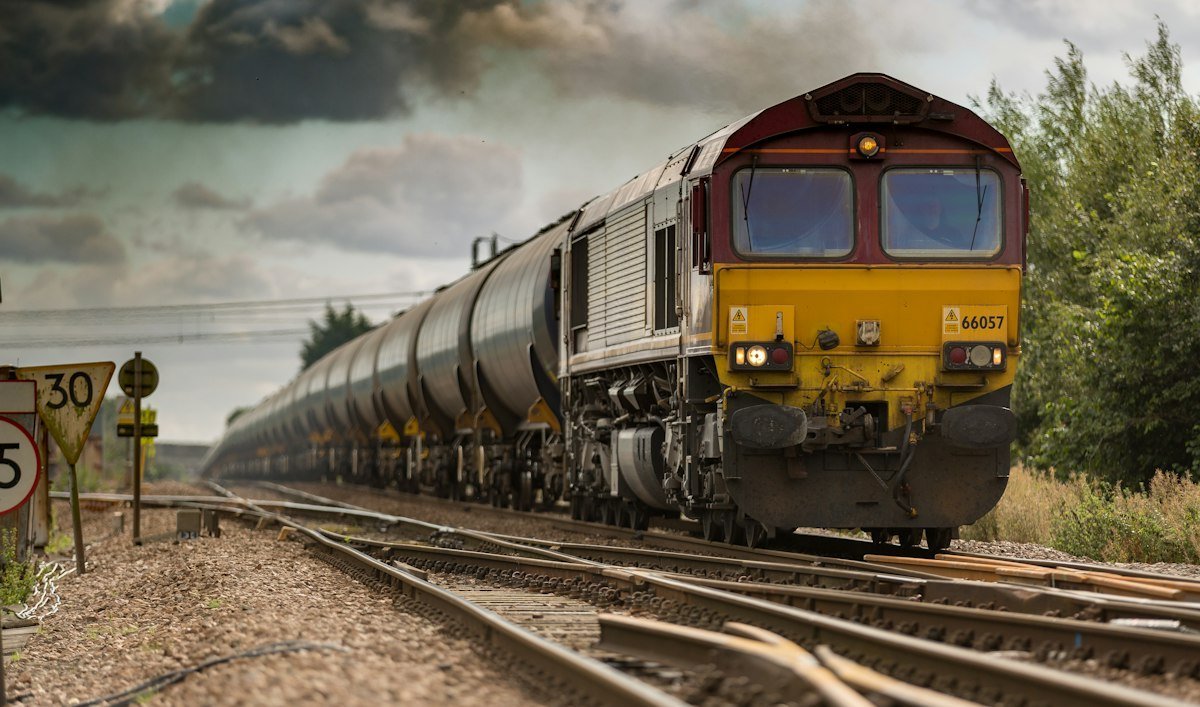
However, true commercial supremacy was achieved only when the Pennsylvania Railroad (PRR)—under the brilliant direction of civil engineer and future PRR President J. Edgar Thomson—conquered the mountains with standard-gauge iron rails. Completed in 1854 near Altoona, the Horseshoe Curve remains one of the world’s most celebrated engineering wonders. To conquer a steep, impassable 1,220-foot elevation climb across the Allegheny Ridge without exceeding a safe 1.8% rail grade, Thomson engineered a sweeping, 220-degree railroad curve spanning 2,375 feet across three natural mountain valleys.
The Horseshoe Curve transformed the Pennsylvania Railroad into the “Standard Railroad of the World,” moving millions of tons of bituminous coal, coke, and Bessemer steel from Pittsburgh furnaces to Atlantic seaports. The strategic importance of the Curve was so immense that during World War II, Nazi Germany launched Operation Pastorius—a failed sabotage plot targeting the Curve’s tracks, which were carrying over 80% of all Allied military rail freight heading toward eastern embarkation ports.

2. Industrial Archaeology: Rescuing Blast Furnaces and Anthracite Heritage
While railroad rights-of-way remain active freight corridors today, the preservation of Pennsylvania’s heavy industrial iron and steel infrastructure presents a profound architectural and material conservation challenge. Across the Lehigh Valley, the Lackawanna Valley, and the Monongahela River basin, decommissioned blast furnaces, rolling mills, and coal breakers stand as towering monuments to the Industrial Revolution.
Through pioneering “industrial archaeology”—a scientific discipline that treats 19th-century manufacturing complexes with the same curatorial rigor traditionally reserved for ancient ruins—organizations like the Rivers of Steel National Heritage Area and the Steelworkers National Historic Site at the Bethlehem Steel blast furnaces have pioneered innovative stabilization techniques. Rather than demolishing rusting steel stacks, engineers apply specialized penetrative resin sealants and cathodic protection to halt oxidation, transforming colossal iron ore stockhouses into vibrant cultural hubs, open-air museums, and community gathering spaces.
Similarly, in the Anthracite Coal Region of northeastern Pennsylvania (encompassing Scranton, Wilkes-Barre, and Pottsville), the preservation of deep-shaft coal mines and the massive Huber Breaker highlights the harrowing, multi-generational sacrifices of immigrant miners. Curators preserve oral histories, subterranean mine tour drifts, and historic union meeting halls that gave birth to the United Mine Workers of America (UMWA) and the landmark 1902 Anthracite Coal Strike mediated by President Theodore Roosevelt.
| Historic Landmark / Asset | Original Industrial Function | 2026 Conservation Status | Cultural and Community Impact |
|---|---|---|---|
| Horseshoe Curve (Blair County) | Allegheny Mountain rail transit (1854) | National Historic Landmark; active freight line | World-renowned railfanning tourism center |
| Bethlehem Steel Blast Furnaces | Bessemer and basic oxygen steelmaking | SteelStacks Arts & Cultural Campus | National model for adaptive post-industrial reuse |
| Allegheny Portage Railroad | Steam inclined plane canal-boat portage | National Historic Site & Lemon House | Educational monument to antebellum civil engineering |
| Carrie Blast Furnaces (Rankin) | Molten pig iron production for Homestead | National Historic Landmark (Rivers of Steel) | Preserves legacy of American labor struggles |

3. The Main Line Suburbs: Frank Furness Architecture and Gilded Age Heritage
As the Pennsylvania Railroad consolidated its corporate empire, its executives constructed an aristocratic residential corridor radiating west from Philadelphia’s Broad Street Station along the “Main Line”—spanning historic towns like Merion, Bryn Mawr, Haverford, Radnor, and Wayne. Here, rail transit created America’s original wealthy commuter suburb.
The architectural hallmark of the Main Line is the work of celebrated Philadelphia architect Frank Furness. Serving as chief architect for the PRR, Furness designed dozens of suburban passenger stations, corporate headquarters, and institutional libraries featuring his trademark idiosyncratic Victorian aesthetic: bold stone arches, oversized brick chimneys, exposed iron structural beams, and stylized floral stone carvings. Masterpieces like the Fisher Fine Arts Library at the University of Pennsylvania, the Merion Cricket Club, and suburban stations at Strafford and Wallingford epitomize Furness’s muscular, uncompromising fusion of industrial engineering and high Victorian Gothic design. Organizations such as the Lower Merion Historical Society and the Radnor Historical Society work closely with municipal township commissioners to enforce strict historic overlay zoning, ensuring that these distinctive Furness stations and adjacent stone carriage houses are preserved against speculative residential teardowns.
Furthermore, preservationists in Chester and Montgomery counties have established innovative heritage conservation easements over surviving Gilded Age country estates, ensuring that the rolling open pastures, historic serpentine-stone barns, and mature arboretums originally landscaped by the Pennsylvania Railroad’s founding directors remain protected from high-density suburban subdivisions. By linking these preserved estates with regional greenway corridors along the Schuylkill River and Valley Forge, southeastern Pennsylvania maintains an extraordinary continuity of landscape and architectural history.
4. Rails-to-Trails Conversion: Transforming Coal Corridors into Green Corridors
One of the most triumphant chapters in Pennsylvania’s modern conservation movement is the conversion of abandoned railroad corridors into recreational multi-use greenways. Pennsylvania consistently ranks among the top states in the nation for rail-trail mileage, anchored by the iconic Great Allegheny Passage (GAP).
Tracing the abandoned rights-of-way of the Western Maryland Railway and the Pittsburgh & Lake Erie Railroad, the GAP provides a continuous, motor-vehicle-free 150-mile crushed limestone trail connecting Pittsburgh to Cumberland, Maryland (where it seamlessly connects with the C&O Canal Towpath, allowing cyclists to travel all the way to Washington, D.C.). The trail traverses historic stone viaducts, passes through illuminated mountain tunnels like the 3,294-foot Big Savage Tunnel, and winds along the cascading rapids of the Youghiogheny River gorge.
For former industrial coal and timber towns along the route—such as Connellsville, Ohiopyle, and Meyersdale—the rail-trail has catalyzed a profound economic renaissance. Disused freight depots have been reborn as trailside bakeries, bicycle repair outfitters, and bed-and-breakfasts, proving that historical conservation and outdoor recreation can generate sustainable, post-extractive economic vitality in rural Appalachia.

5. Sustainable Heritage Stewardship: A Blueprint for Pennsylvania Communities
For local historical societies, borough councils, and citizen preservationists striving to protect Pennsylvania’s unmatched heritage assets, the following strategic practices are recommended:
- Leverage the Pennsylvania Historic Preservation Tax Credit: Commercial property developers restoring income-producing historic structures listed on the National Register of Historic Places should bundle federal 20% historic tax credits with the Pennsylvania Historic Preservation Tax Credit administered by the Department of Community and Economic Development (DCED).
- Adopt Certified Local Government (CLG) Status: Municipalities should petition the PHMC for federal CLG designation. Certified communities gain access to dedicated federal historic preservation grants, specialized technical training for local preservation commissioners, and enhanced legal standing to prevent historic landmark demolition.
- Digitize Industrial Cartography and Oral Histories: Local heritage groups should partner with the Pennsylvania Digital Repository to digitize historic Sanborn Fire Insurance Maps, corporate employee ledgers, and audio oral histories, ensuring irreplaceable cultural memory is preserved in accessible digital archives.
- Integrate Historic Assets into Municipal Tourism Trailheads: Connect historic canal locks, covered wooden bridges, and rail depots directly into municipal active-transportation master plans, ensuring heritage sites serve as vibrant civic anchors rather than isolated, underfunded museums.
By treating industrial heritage not as an obsolete burden, but as an indomitable foundation of civic pride and architectural excellence, Pennsylvania is demonstrating how a proud industrial Commonwealth can honor its past while inspiring future generations.
Official Legislative and Heritage Sources
- Pennsylvania Historical and Museum Commission (PHMC): Pennsylvania State Historic Preservation Plan and Certified Local Government Guidelines.
- National Park Service (NPS): Horseshoe Curve National Historic Landmark Boundary Documentation and Engineering Review.
- Rivers of Steel National Heritage Area: Industrial Heritage Conservation and Management Master Plan.
- Pennsylvania Department of Conservation and Natural Resources (DCNR): Pennsylvania Statewide Comprehensive Outdoor Recreation and Rail-Trail Report.