While modern global perception of Nevada is dominated by the neon spectacles and gaming megaresorts of the Las Vegas Strip, the true soul of the Silver State resides across the vast, windswept mountain ranges and sagebrush valleys of the Great Basin. From the legendary subterranean silver chambers of the Comstock Lode in Virginia City to the haunting stone ruins of Rhyolite, Belmont, and Goldfield, Nevada hosts more historical ghost towns and abandoned mining settlements than populated municipalities. Under the stewardship of the Nevada State Historic Preservation Office (SHPO), the Bureau of Land Management (BLM), and dedicated citizen preservationists, the state is executing pioneering archaeological defense to protect these irreplaceable frontier time capsules against vandalism, weathering, and extractive loss.
1. The Bonanza Kings: How the Comstock Lode Financed a Nation
To understand Nevada’s founding identity and admission to the Union in 1864 as the 36th state—the “Battle Born” state—one must trace the electrifying discovery of the Comstock Lode in 1859 on the eastern slopes of Mount Davidson. Prior to the Comstock discovery, the region was an unforgiving wilderness through which California Gold Rush emigrants trudged along the Humboldt River and Forty Mile Desert, viewing the alkaline sands as an obstacle to be survived.
The Comstock changed the trajectory of the nation. It was not mere placer gold dust found in stream beds; it was colossal, solid veins of high-grade silver chloride and gold ore locked in deep quartz veins. In the boomtown of Virginia City, miners constructed a metropolis of 25,000 residents perched precariously at 6,200 feet elevation, boasting gas-lit opera houses, French restaurants, five-story luxury hotels, and stock exchanges operating twenty-four hours a day.
The mining engineering perfected on the Comstock revolutionized subterranean mining globally. German engineer Philip Deidesheimer invented square-set timbering—an architectural honeycomb framing system of interlocking timber cubes that supported the crushing weight of cavernous underground voids, allowing miners to safely extract ore bodies hundreds of feet wide. Deep underground, super-heated geothermal steam and scalding water required the fabrication of the world’s most powerful steam-driven Cornish pumping engines and the excavation of the celebrated Sutro Tunnel—a four-mile horizontal drainage adit blasted through solid volcanic rock. The hundreds of millions of dollars in bullion extracted from the Comstock stabilized the Union Treasury during the American Civil War, financed the laying of the Transatlantic telegraph cable, and established the San Francisco financial empire.

2. The Second Wave: Tonopah, Goldfield, and the Rise of 20th-Century Boomtowns
When the Comstock veins pinched out in the late 1880s, Nevada plunged into a deep twenty-year economic depression that saw its population plummet and sparked proposals in the U.S. Congress to revoke its statehood. The salvation of Nevada arrived in the desert spring of 1900, when prospector Jim Butler discovered rich silver deposits at Tonopah in the central desert, followed rapidly by the discovery of fabulous gold bonanzas at Goldfield in 1902.
Goldfield erupted into Nevada’s largest boomtown, home to 20,000 people. Modern brick banks, electricity grids, and the grand four-story Goldfield Hotel—featuring mahogany wood furnishings and the fastest passenger elevator in the West—arose out of the barren desert in less than four years. Legendary figures of the American frontier crossed paths in Goldfield: Wyatt and Virgil Earp walked its dusty streets, Tex Rickard staged the world lightweight championship boxing match between Joe Gans and Battling Nelson, and young entrepreneurs like George Wingfield built mining monopolies that would dominate Nevada state politics for the next half-century.
Yet the boom was as ephemeral as it was brilliant. When rich surface ore pockets gave way to low-grade deposits and catastrophic flash floods and fires swept through the wooden business districts, populations vanished almost overnight. Today, the Goldfield Hotel and the massive Esmeralda County Courthouse stand as haunting neoclassical monoliths guarding an eerie, silent town populated by barely two hundred resilient residents.
| Historic Mining Camp / Town | Peak Era & Primary Ore | 2026 Conservation Status | Architectural & Archaeological Assets |
|---|---|---|---|
| Virginia City (Storey County) | 1859-1882 (Comstock Silver & Gold) | National Historic Landmark District | Piper’s Opera House, Fourth Ward School, Sutro Tunnel |
| Rhyolite (Nye County) | 1904-1911 (Bullfrog Gold Bonanza) | BLM Protected Historical Site | Cook Bank three-story concrete ruins, Bottle House |
| Belmont (Nye County) | 1865-1887 (High-grade silver lead) | Nevada State Historical Park | Preserved 1876 red-brick Courthouse and brick kiln ruins |
| Berlin (Nye County) | 1896-1911 (Deep vein gold quartz) | Berlin-Ichthyosaur State Park | Complete 30-stamp mill and preserved miner cabins |

3. Ghost Town Preservation: The Ethics of Arrested Decay
Preserving wood, adobe, and masonry structures in the extreme climate of the Great Basin—where summer temperatures soar past 100 degrees and winter blizzards plunge below zero—requires a nuanced preservation philosophy. Historical curators at the Nevada Division of State Parks and the BLM adhere strictly to the principle of arrested decay.
Unlike commercial amusement parks that rebuild frontier towns into idealized caricatures with polished redwood porches and synthetic facades, arrested decay focuses on stabilizing structures exactly as they stand today. Curators do not rebuild collapsed roofs or repaint weathered wooden siding; rather, they perform invisible structural interventions: stabilizing leaning timbers with internal steel tension rods, installing concealed structural footings beneath rotting sill plates, and securing loose corrugated tin roofing sheets with historically accurate square-headed nails.
At Berlin-Ichthyosaur State Park, this approach allows visitors to experience an authentically preserved 1890s mining camp where wooden cabins, a blacksmith forge, and a colossal 30-stamp reduction mill stand frozen in time, protected from decay without erasing the authentic patina of human labor and abandonment.
4. Archaeological Defense: Combating Looting and Protecting Indigenous Petroglyphs
Nevada’s remote vastness makes historical preservation a continuous battle against vandalism, artifact poaching, and unauthorized metal-detecting. Under the federal Archaeological Resources Protection Act (ARPA) and Nevada Revised Statutes Chapter 383, all cultural artifacts on public land—including antique bottles, mining hand tools, and Indigenous artifacts older than 100 years—are strictly protected property of the public trust.
Crucially, Nevada’s desert canyons conceal sacred Indigenous cultural sites dating back over 10,000 years. The Northern Paiute, Southern Paiute, Western Shoshone, and Washoe peoples carved elaborate petroglyphs and pictographs on volcanic basalt canyon walls throughout places like Grimes Point and the Valley of Fire. The Nevada Site Stewardship Program trains hundreds of volunteer citizen stewards who regularly monitor remote rock art panels and historic mine sites, reporting vandalism, illegal excavation, and off-road vehicular trespass directly to BLM and U.S. Forest Service law enforcement rangers.
5. Citizen Exploration Protocol: Ethical Heritage Travel in the Great Basin
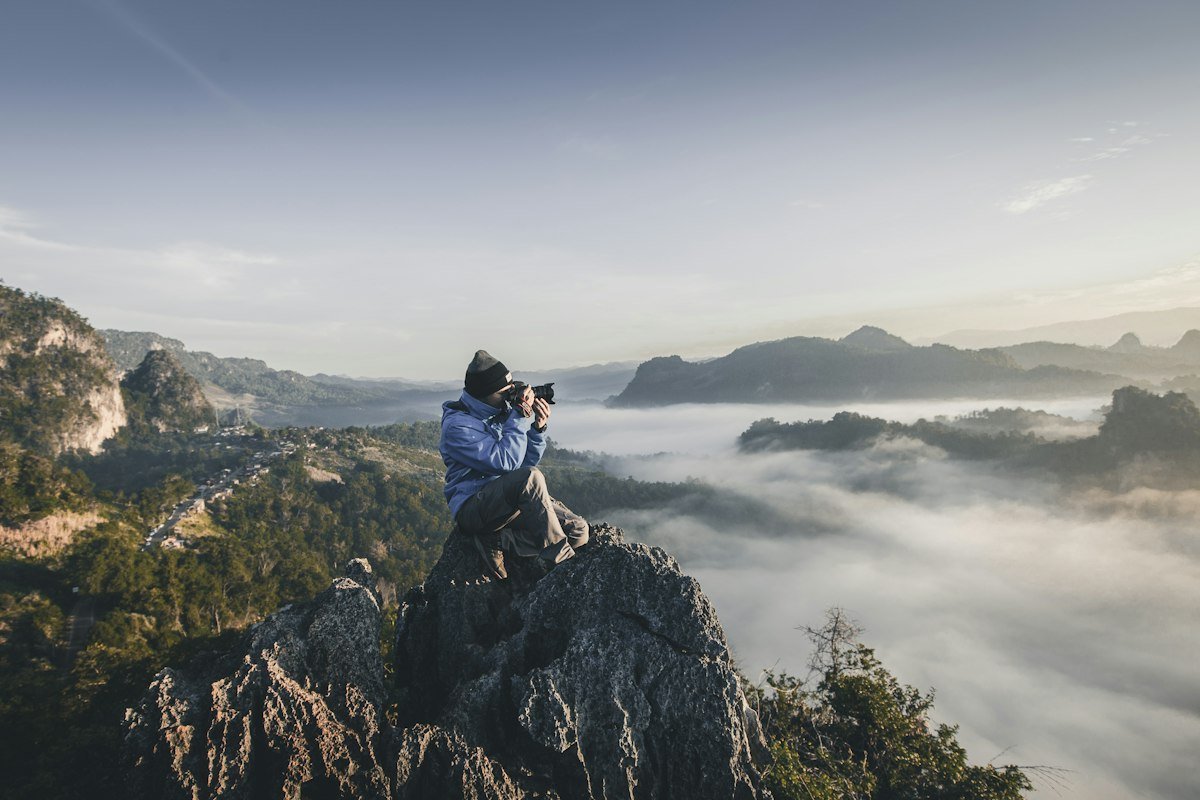
For adventurous historical travelers, photographers, and regional citizens journeying into the backcountry of Nevada, adherence to strict outdoor safety and heritage ethics is essential for personal survival and cultural conservation:
- Practice Absolute “Leave No Trace” Cultural Ethics: Never remove antique glass, tin cans, nails, or mining machinery from a ghost town site. An antique bottle in a museum cabinet is a curious trinket; an antique bottle resting untouched in its historical context is an irreplaceable archaeological artifact.
- Never Enter Abandoned Underground Mine Workings: Historic mine shafts and adits are deadly hazards. Underground timbers rot invisibly, lethal pools of odorless, invisible gas (black damp) displace oxygen, and vertical winze shafts drop hundreds of feet into flooded darkness. Stay out and stay alive.
- Equip Vehicles for Remote Backcountry Self-Reliance: Nevada’s interior gravel roads are notoriously sharp and remote, lacking cellular phone service for dozens of miles. Travel only in high-clearance, four-wheel-drive vehicles equipped with full-sized spare tires, a satellite communication beacon (such as Garmin inReach), emergency rations, and a minimum of two gallons of potable water per person per day.
- Support Local Rural Heritage Foundations: When visiting historic communities like Austin, Eureka, or Ely, patronize locally owned diners, historic hotels, and volunteer-run municipal museums. Your tourism dollars provide the vital economic capital that enables small desert towns to maintain historic courthouses and pioneer cemeteries.
By protecting its silent ghost towns, honoring its sovereign Indigenous roots, and preserving the physical evidence of frontier labor, Nevada safeguards a profound, untamed American heritage that will inspire seekers for centuries to come.
Official Legislative and Archaeological Sources
- Nevada State Historic Preservation Office (SHPO): Comprehensive Preservation Plan for Nevada’s Cultural Resources.
- Bureau of Land Management (BLM) Nevada: Archaeological Resources Protection Act (ARPA) Enforcement and Site Stewardship Manual.
- Nevada Division of State Parks: Berlin-Ichthyosaur and Belmont Courthouse Historical Park Preservation Management Directives.
- Storey County Historic District Commission: Virginia City National Historic Landmark Architectural Preservation Guidelines.