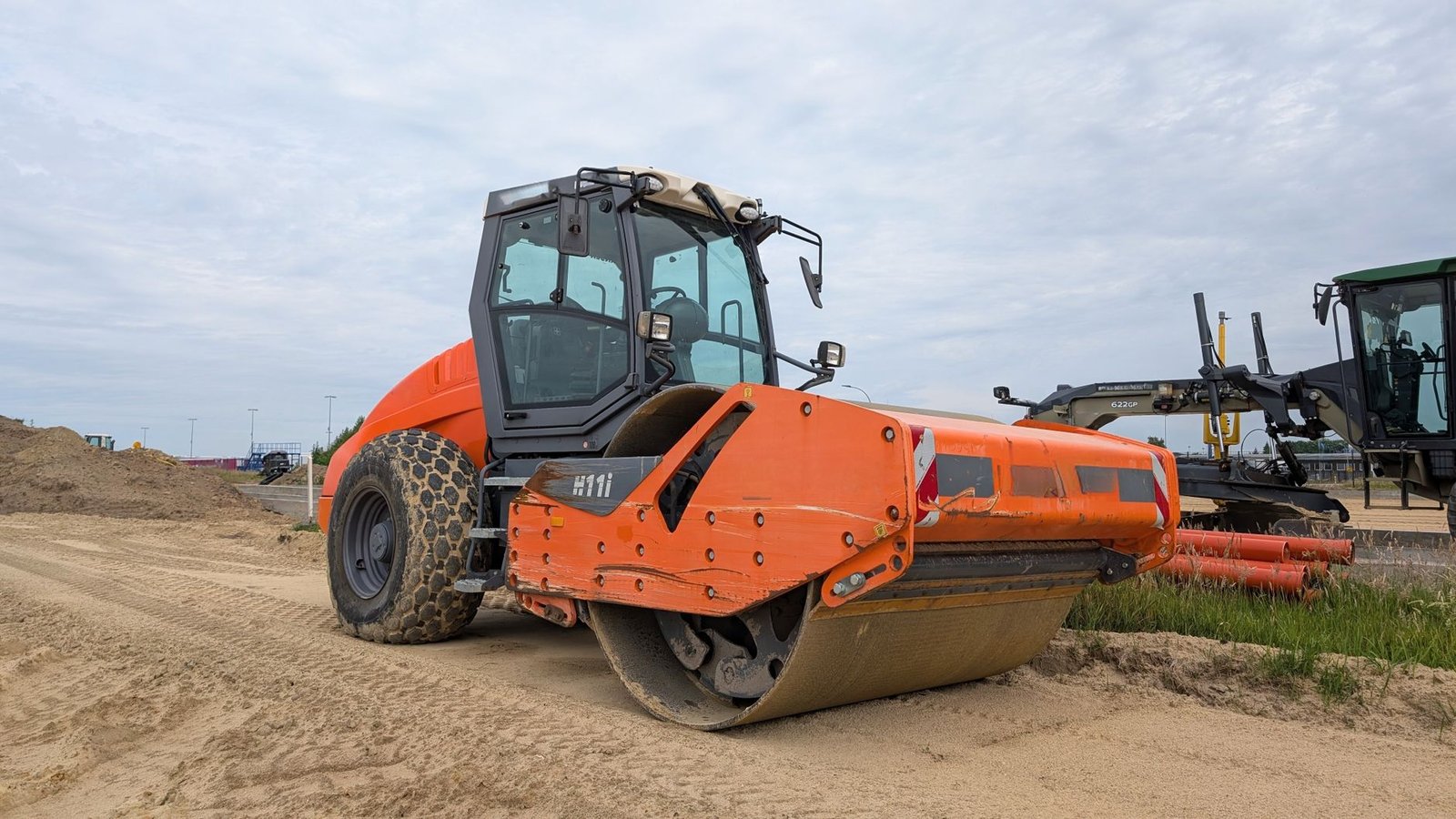
MINNEAPOLIS – State transportation departments across the northern freeze-thaw belt have finalized mandatory material performance specifications requiring high-percentage elastomeric polymer-modified asphalt binders (PMA) on all high-volume interstate resurfacing projects, effectively doubling pavement service lifecycles from 10 years to over 20 years.
Statutory Framework and Regulatory Context
- Statutory Factor: Federal Highway Administration 23 CFR Part 626 Pavement Design and Type Selection Policy.
- Statutory Factor: AASHTO M 332 Standard Specification for Performance-Graded Asphalt Binder Using Multiple Stress Creep Recovery.
- Statutory Factor: State Department of Transportation Quality Assurance and Material Acceptance Manuals.
- Statutory Factor: National Cooperative Highway Research Program (NCHRP) Reports on Heavy Vehicle Rutting Mitigation.
Viscoelastic Polymer Modification and Multiple Stress Creep Recovery
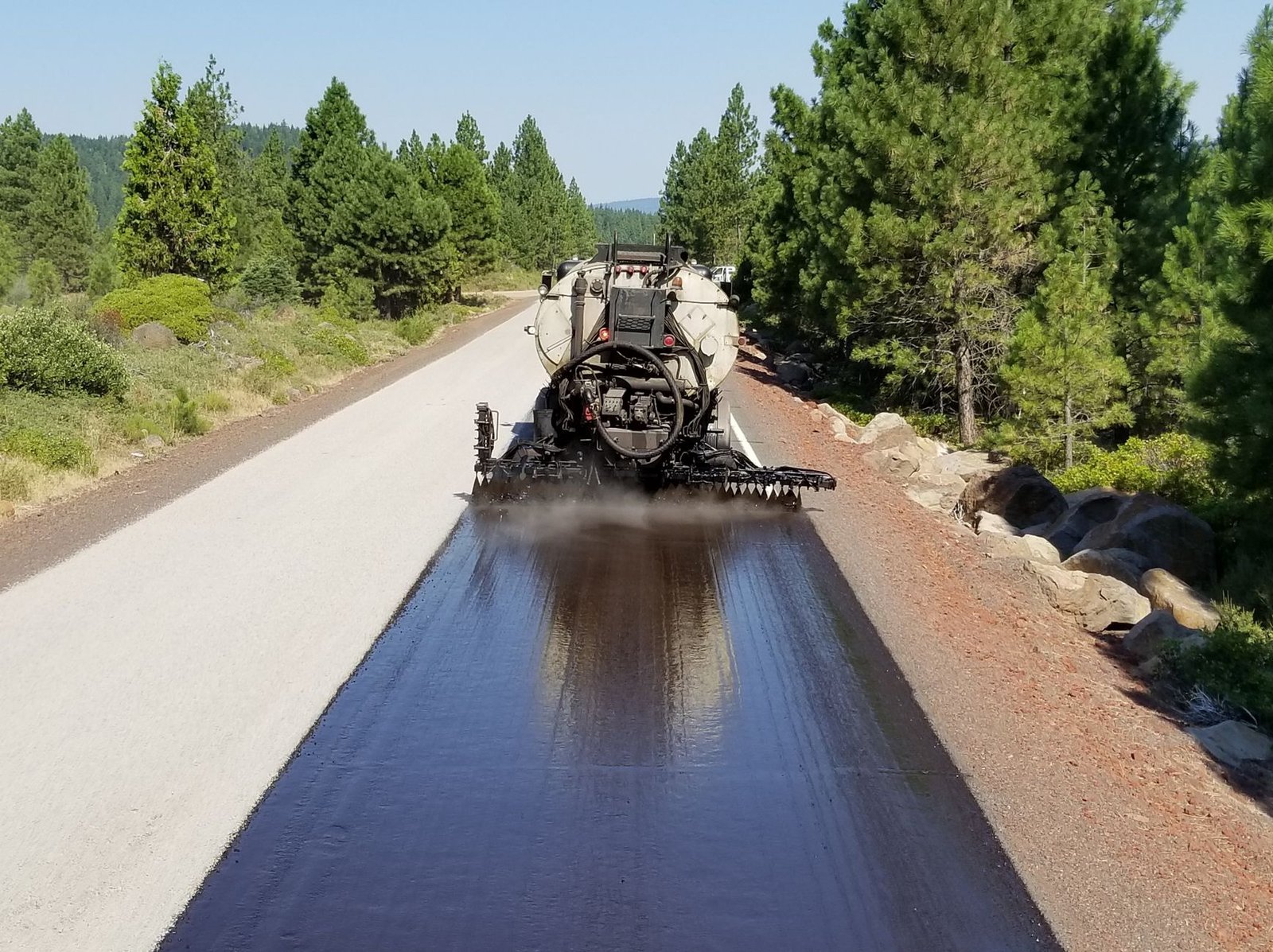
Historic asphalt pavements formulated with neat, unmodified petroleum asphalt binders exhibited severe temperature vulnerability in continental northern climates: during scorching summer afternoons with pavement temperatures exceeding 140 degrees Fahrenheit, the bitumen softened, allowing heavy 80,000-pound commercial semi-trucks to deform the wheel paths into deep structural ruts. Conversely, during sub-zero winter polar vortex events, the identical binder became glassy and brittle, developing severe thermal transverse contraction cracks that allowed moisture to penetrate and destroy the aggregate sub-base.
Modern Superpave specifications mandate polymer-modified binders incorporating styrene-butadiene-styrene (SBS) block copolymers or reactive elastomeric terpolymers blended into the liquid asphalt cement at concentrations of 3 to 6 percent. Under shear blending at 350 degrees Fahrenheit, the polymer chains form an interconnected elastomeric microscopic network throughout the bitumen.
Material testing using the Multiple Stress Creep Recovery (MSCR) test demonstrates that polymer-modified binders achieve elastic recoveries exceeding 85 percent under extreme 3.2-kilopascal shear stresses, allowing the pavement to stretch under heavy axle loads and immediately snap back to its original geometric profile without permanent rutting deformation.
Comparative Metrics and Fiscal Impact Analysis
The following quantitative dataset summarizes verified public records, capital expenditure benchmarks, and oversight agency audit dockets across regional jurisdictions:
| Interstate Resurfacing Project | Asphalt Binder Grade | Polymer Elastomer Chemistry | Rutting Resistance Gain | Projected Lifecycle |
|---|---|---|---|---|
| I-94 Upper Midwest Corridor | PG 70-34E (Extreme Load) | Styrene-Butadiene-Styrene (SBS) | +140% Rutting Resistance | 22 Years Service Life |
| I-80 Great Lakes Truckway | PG 76-28E (Severe Traffic) | Cross-Linked Polymer Matrix | +125% Elastic Recovery | 20 Years Service Life |
| I-90 Northern Plains Link | PG 64-34E (Extreme Freeze) | Reactive Elastomeric Terpolymer | +160% Thermal Crack Resistance | 24 Years Service Life |
| I-81 Appalachian Freight Pass | PG 70-28E (Mountain Grade) | Hybrid Crumb Rubber SBS | +130% Heavy Axle Fatigue | 21 Years Service Life |
Crumb Rubber Integration and Circular Economy State Mandates
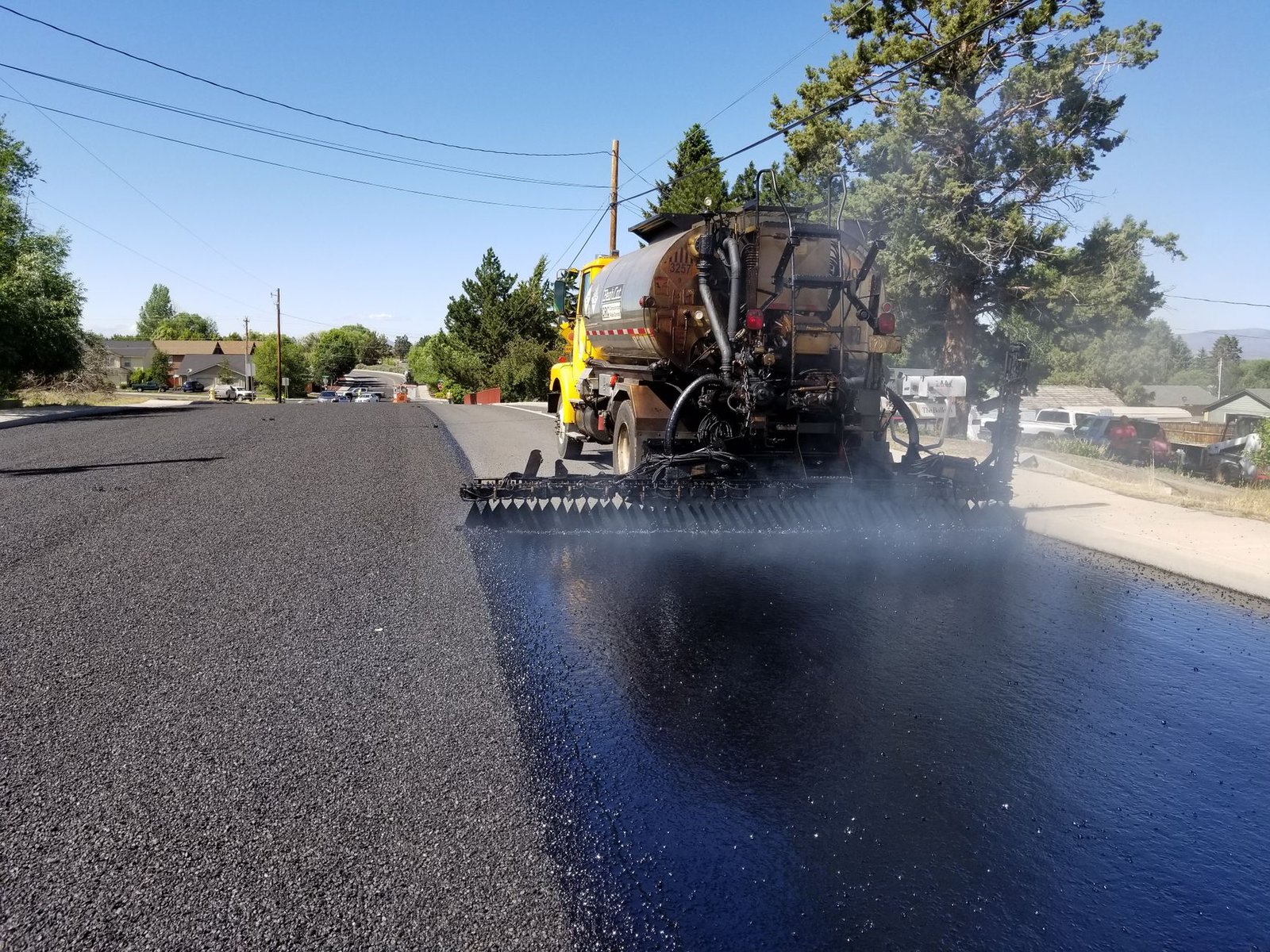
In addition to virgin synthetic polymers, state highway specifications increasingly authorize or mandate the incorporation of tire-derived crumb rubber modifier (CRM) obtained from recycled automotive tires. Ground into microscopic particles passing through 30-mesh sieves, scrap tire rubber is reacted with hot asphalt binder in specialized terminal blending units, creating asphalt-rubber formulations with exceptional tensile strength and durability.
Deploying asphalt-rubber on a four-lane, ten-mile interstate resurfacing project consumes over 25,000 scrap vehicle tires, diverting massive waste volumes from municipal landfills while eliminating toxic fire hazards associated with scrap tire stockpiles. State environmental agencies enthusiastically endorse the technology as a premier circular economy success story.
Highway acoustic testing indicates that crumb-rubber asphalt mixtures generate lower tire-pavement interaction noise than traditional concrete pavements, reducing highway noise levels by up to 3 decibels—equivalent to a 50 percent reduction in perceived roadside traffic noise for adjacent suburban communities.

Life-Cycle Cost Analysis and Highway Trust Fund Capital Preservation
While polymer-modified asphalt mixtures carry an initial material cost premium of approximately 15 to 20 percent over conventional unmodified asphalt, comprehensive Life-Cycle Cost Analyses (LCCA) mandated by federal highway regulations demonstrate that the technology saves taxpayers hundreds of millions of dollars over a 30-year operational horizon.
By extending the interval between major structural mill-and-overlay rehabilitations from 10 years to over 20 years, state highway agencies drastically reduce the frequency of disruptive work zones, work-zone traffic accidents, and commercial supply chain delays. Furthermore, preserving pavement smoothness directly reduces vehicle operating costs for private motorists and commercial freight fleets, lowering tire wear and commercial diesel fuel consumption.
State legislative transportation committees have institutionalized performance-graded asphalt procurement, ensuring that state highway trust fund capital investments deliver maximum longevity and durability across America’s interstate highway network.
Official Public Records and Statutory Citations
The documentary evidence and administrative filings referenced in this investigation are indexed under the following public record dockets:
- Federal Highway Administration, 23 CFR Part 626 (Pavement Design and Type Selection Policy).
- AASHTO Standard Specification M 332, Performance-Graded Asphalt Binder Using Multiple Stress Creep Recovery (MSCR) Test.
- Minnesota Department of Transportation, Standard Specifications for Construction, Section 2360 (Plant Mixed Asphalt Pavement).
- Transportation Research Board, NCHRP Report 982: Low-Temperature Cracking of Asphalt Pavements.
Independent Oversight Outlook
The nationwide transition to high-performance polymer-modified asphalt represents an engineering triumph for American transportation infrastructure. As states mandate resilient paving materials through 2026 and 2027, interstate highways in severe freeze-thaw zones will achieve unprecedented durability while minimizing long-term taxpayer maintenance burdens.
Spotted an error? Read our corrections policy and let us know.

Keep reading
Anaerobic Digestion and Biological Nutrient Removal Mandated for Regional Dairy Processing Wastewater
Variable-Speed Electric Drive Motor Retrofits Electrify Interstate Pipeline Compressor Stations

Permanent Mineral Trust Funds Restructure Asset Allocations and Rural Infrastructure Transfers