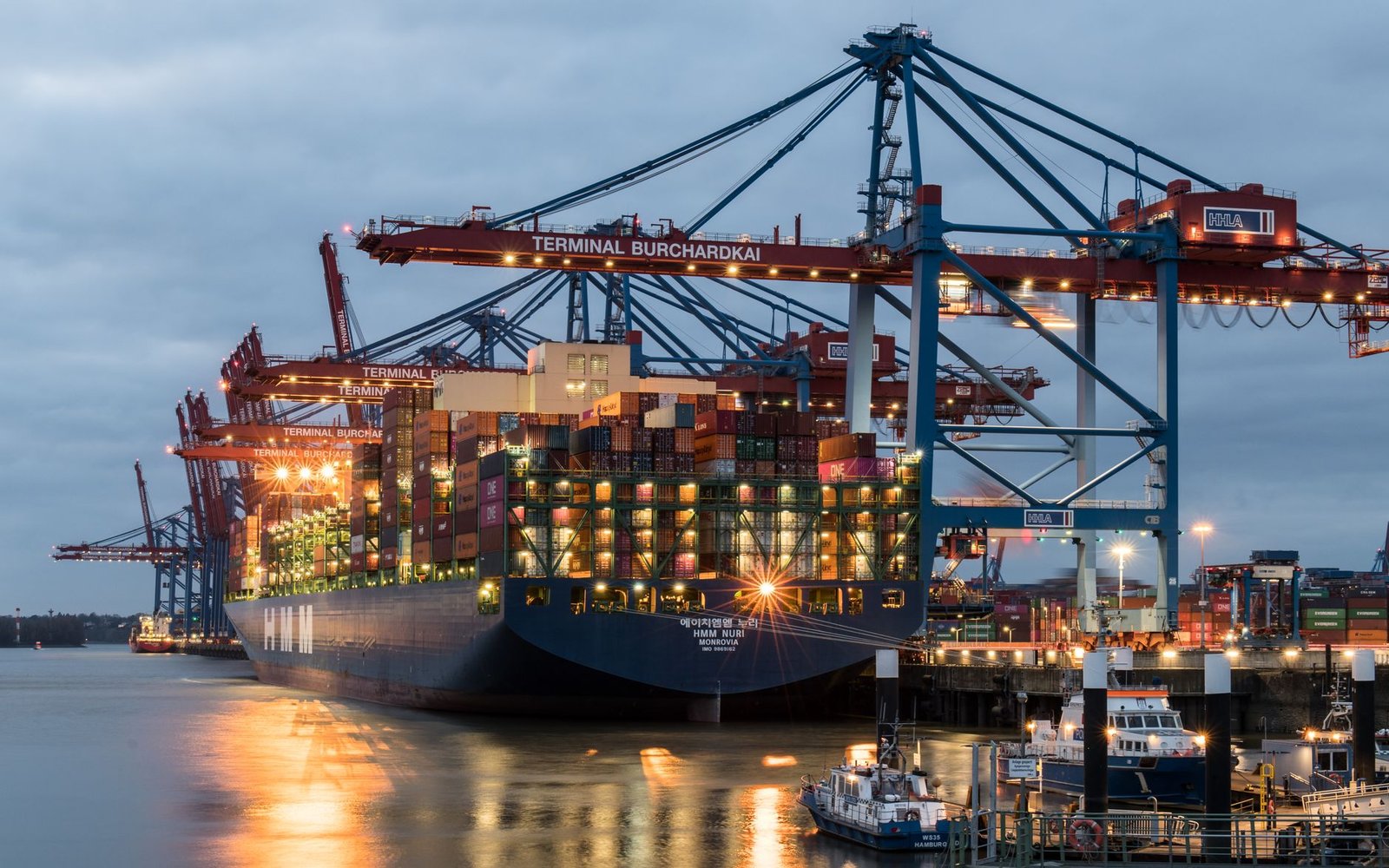
HOUSTON – Gulf Coast port authorities and Class I transcontinental railroads have commissioned major on-dock dual-rail intermodal container yards, eliminating congested off-terminal drayage truck movements and reducing average marine terminal container dwell times from six days down to under 36 hours.
Statutory Framework and Regulatory Context
- Statutory Factor: Maritime Administration Port Infrastructure Development Program (PIDP) statutory grant rules (46 U.S.C. 54301).
- Statutory Factor: Federal Maritime Commission ocean carrier terminal dwell fee regulations (46 CFR Part 541).
- Statutory Factor: Surface Transportation Board rail-port interchange common carrier service mandates.
- Statutory Factor: Clean Air Act marine terminal diesel emissions reduction reduction agreements.
On-Dock Rail Geometry and Cantilevered Rail-Mounted Gantry Cranes
Historic container port operations relied heavily on off-dock drayage trucking: when a 14,000-TEU container vessel berthed at a marine terminal, container cranes discharged boxes onto rubber-tired terminal chassis, which were then hauled by independent diesel drayage trucks over public highways to off-site intermodal rail yards situated 15 to 30 miles inland. This intermediary drayage loop generated massive traffic congestion on metropolitan interstate corridors, degraded urban air quality, and created severe terminal dwell-time bottlenecks whenever drayage driver availability fluctuated.
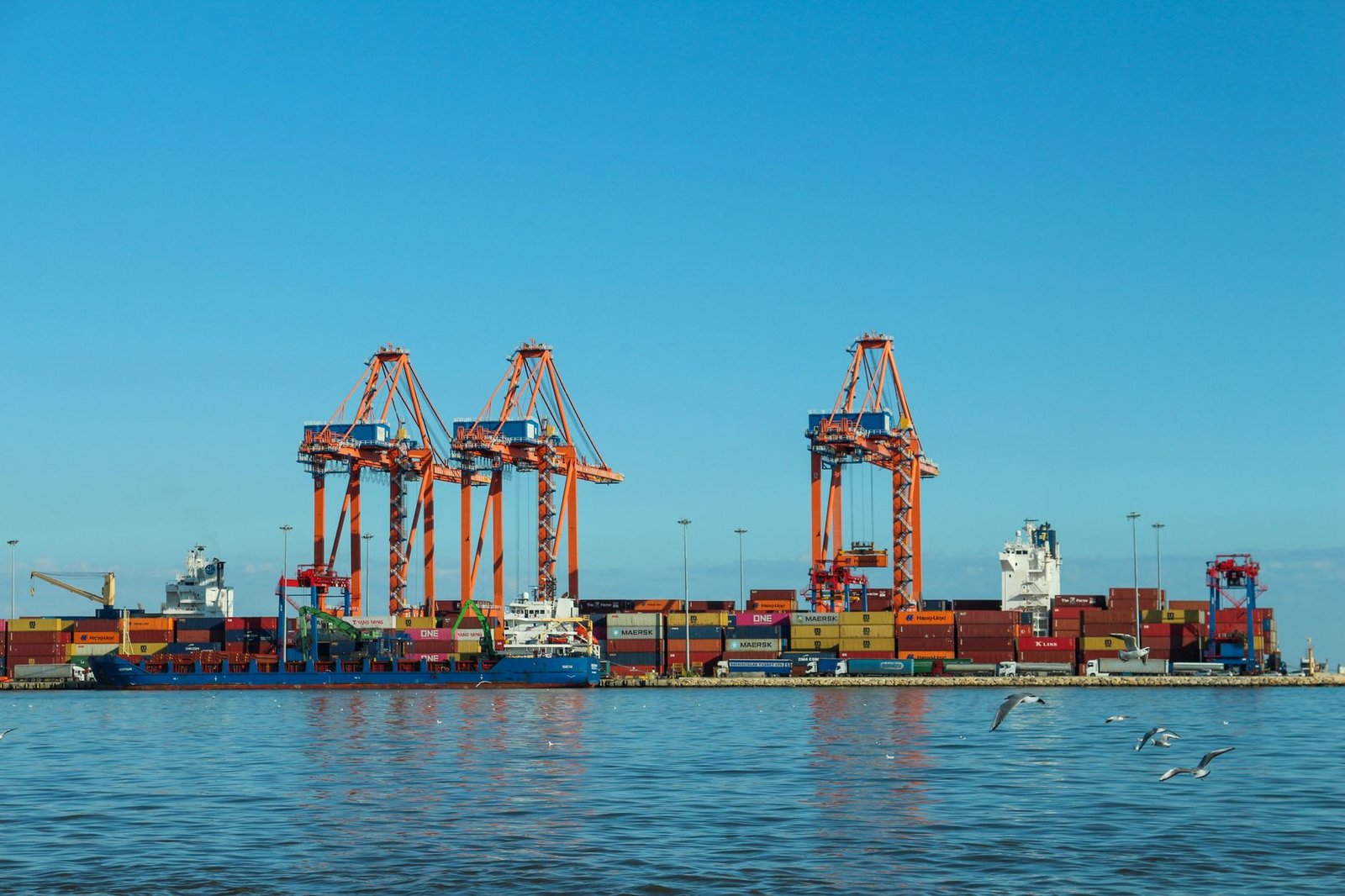
Modern on-dock intermodal yards bring working railroad tracks directly beneath the backreach of high-speed, cantilevered Rail-Mounted Gantry (RMG) cranes operating immediately behind ship-to-shore vessel berths. Containers are hoisted directly from container ships or automated terminal staging stacks and placed directly onto double-stack intermodal rail cars within a single continuous crane movement.
RMG cranes operate on all-electric 4,160-volt power feeds, eliminating localized diesel particulate emissions and utilizing regenerative braking drives that feed surplus electrical energy back into the port’s internal medium-voltage electrical microgrid during heavy container lowering cycles.
Comparative Metrics and Fiscal Impact Analysis
The following quantitative dataset summarizes verified public records, capital expenditure benchmarks, and oversight agency audit dockets across regional jurisdictions:
| Deepwater Port Facility | Intermodal Track Capacity | Connecting Class I Railroads | Daily Truck Drayage Offset | Federal PIDP Grant |
|---|---|---|---|---|
| Port of Houston Bayport Yard | 18,000 Feet On-Dock Rail | Union Pacific & BNSF Railway | 1,850 Daily Truck Trips | $44.8 Million |
| Mobile Harbor Intermodal Hub | 14,500 Feet Working Track | CSX & Norfolk Southern | 1,400 Daily Dray Moves | $38.2 Million |
| Corpus Christi Bulk & Container | 12,000 Feet Dual-Line | BNSF, UP & CPKC Mexico | 1,100 Daily Dray Trips | $32.5 Million |
| New Orleans Gateway Terminal | 16,000 Feet Staging Yard | All Six Class I Railroads | 1,650 Daily Truck Runs | $41.0 Million |
Federal Maritime Commission Demurrage Regulations and Supply Chain Velocity
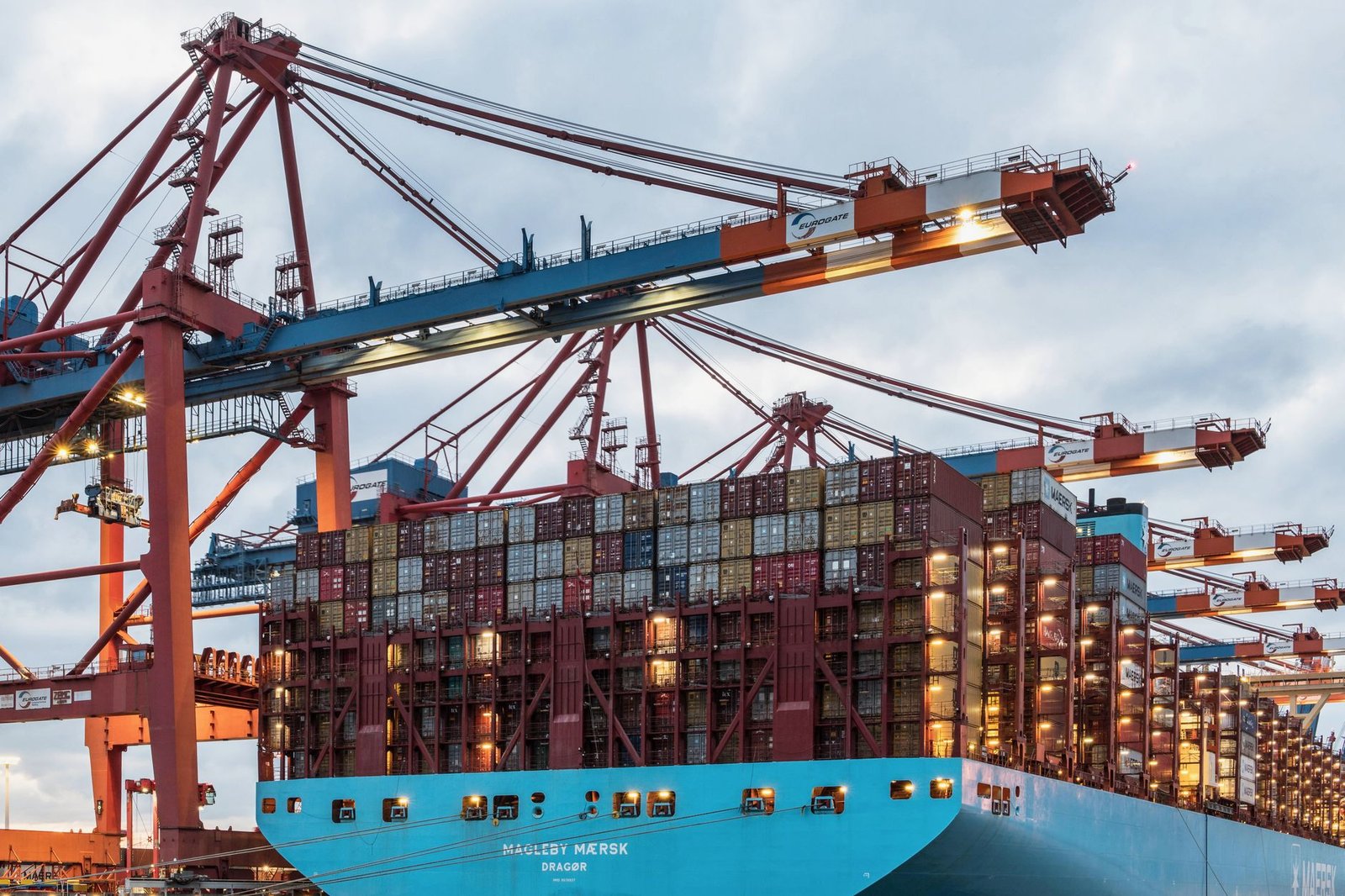
The economic urgency driving on-dock rail investments was intensified by the Federal Maritime Commission’s Ocean Shipping Reform Act rulemaking, which placed strict evidentiary burdens on ocean carriers and terminal operators seeking to assess controversial container demurrage and detention fees on cargo owners. Under FMC rules, terminal operators cannot levy detention penalties if terminal congestion or railcar shortages physically prevent shippers from retrieving landed containers.
By establishing dual-rail access—where multiple competing Class I railroad carriers operate over shared terminal trackage under neutral terminal operating operating agreements—port authorities prevent rail monopolies from rationing railcars or imposing discriminatory switching surcharges. Shippers can route inland cargo to Midwest industrial hubs via whichever railroad offers optimal transit velocity and equipment availability.
Supply chain telemetry confirms that dual-rail on-dock facilities achieve 48-hour container transit times from vessel discharge to Chicago distribution centers, providing American agricultural exporters and manufacturing plants with unprecedented logistical velocity.
Air Quality Mitigation and Port Community Environmental Covenants
The construction of massive on-dock rail facilities is closely bound to binding environmental justice agreements executed with adjacent frontline fenceline communities. Port commissions have enacted comprehensive Clean Air Action Plans, requiring all yard-switching locomotives operating within port boundaries to utilize Tier 4 clean-diesel or zero-emission battery-electric switcher engines.
Eliminating thousands of daily short-haul diesel truck trips from public streets reduces regional emissions of nitrogen oxides and fine particulate matter (PM2.5) by over 60 percent across adjacent urban residential neighborhoods. Furthermore, port authorities have funded community air monitoring networks and installed sound-dampening acoustic buffer walls along rail classification throats.
Municipal civic leaders and maritime labor unions have praised the shared-service terminal agreements, emphasizing that expanding rail freight capacity creates high-wage union terminal maintenance jobs while preserving urban public health.
Official Public Records and Statutory Citations
The documentary evidence and administrative filings referenced in this investigation are indexed under the following public record dockets:
- Federal Maritime Commission, 46 CFR Part 541 (Demurrage and Detention Billing Requirements).
- Public Law 117-146, Ocean Shipping Reform Act of 2022 (46 U.S.C. 41104).
- Maritime Administration, Notice of Funding Opportunity for the Port Infrastructure Development Program (PIDP).
- Clean Air Act, Title I, Part D (Plan Requirements for Attainment of National Ambient Air Quality Standards).
Independent Oversight Outlook
The expansion of on-dock dual-rail intermodal infrastructure at deepwater ports establishes the logistical backbone for American supply chain resilience. As international trade volumes grow through 2026 and 2027, on-dock rail connectivity will ensure that coastal ports maintain continuous, high-velocity freight throughput without overwhelming local highway networks.
Spotted an error? Read our corrections policy and let us know.
Keep reading
Anaerobic Digestion and Biological Nutrient Removal Mandated for Regional Dairy Processing Wastewater
Variable-Speed Electric Drive Motor Retrofits Electrify Interstate Pipeline Compressor Stations
Permanent Mineral Trust Funds Restructure Asset Allocations and Rural Infrastructure Transfers