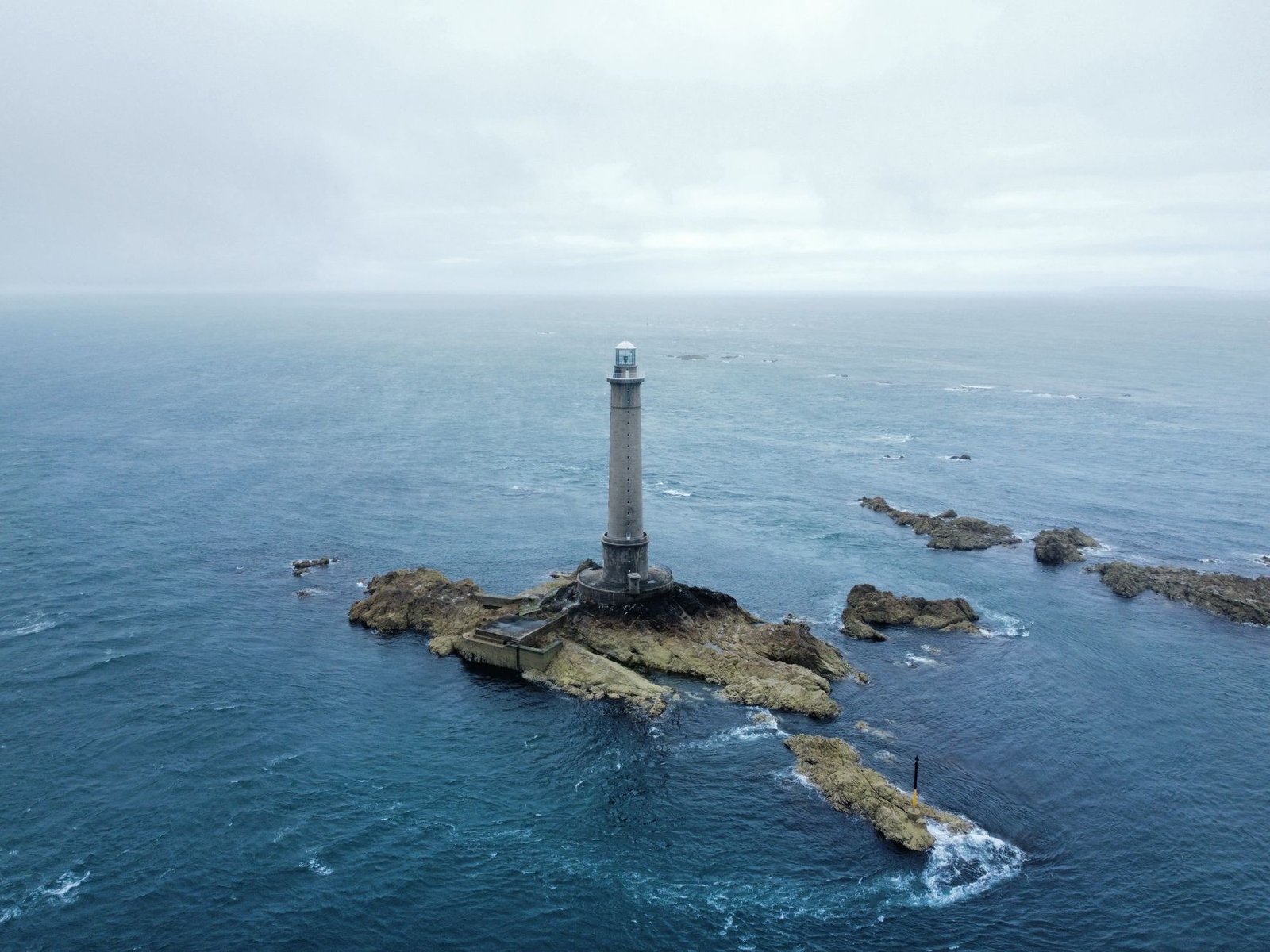
PORTLAND – The National Park Service, United States Coast Guard, and regional maritime heritage trusts have finalized permanent stewardship transfers and structural conservation projects on historic coastal cast-iron lighthouses, abating severe marine corrosion and preserving irreplaceable classical multi-order glass Fresnel lenses under the National Historic Lighthouse Preservation Act.
Statutory Framework and Regulatory Context
- Statutory Factor: National Historic Lighthouse Preservation Act of 2000 (NHLPA, 54 U.S.C. 305101 et seq.) property transfers.
- Statutory Factor: United States Coast Guard Aids to Navigation (ATON) operational maintenance standards.
- Statutory Factor: Secretary of the Interior’s Standards for the Treatment of Historic Properties (Historic Maritime Towers).
- Statutory Factor: National Register of Historic Places maritime navigational landmark listing criteria.
The Mechanics of Marine Corrosion on Historic Cast-Iron Towers
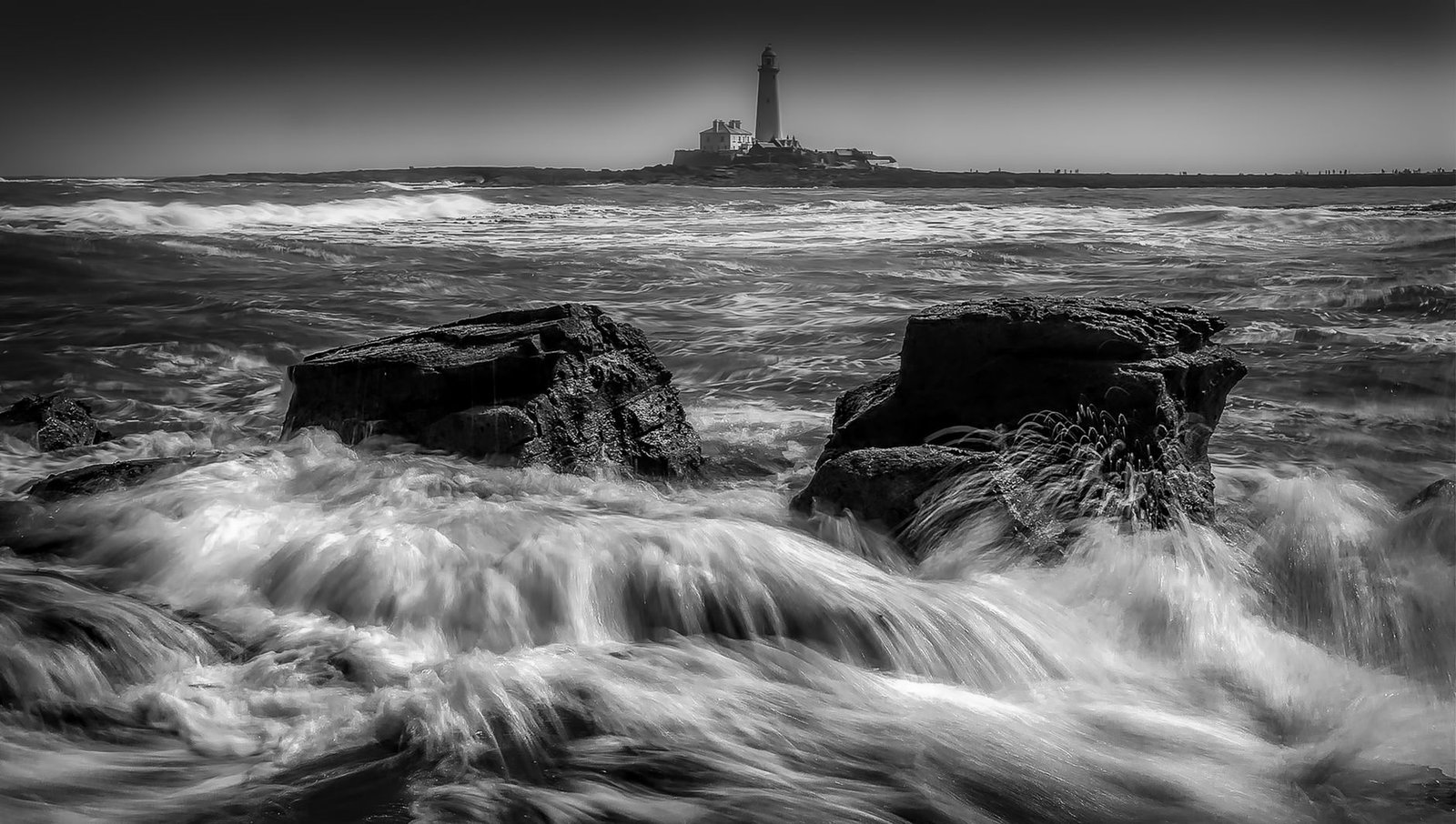
Historic lighthouses constructed along rocky ocean headlands and exposed barrier islands endure one of the harshest corrosive environments on Earth: continuous exposure to high-velocity salt spray, hurricane-force wind shear, extreme freeze-thaw cycles, and relentless ultraviolet solar radiation. Towers constructed from curved cast-iron plates bolted together with wrought-iron fasteners suffer from severe ‘pack rust’—where rust scale forms between overlapping plates, expanding with immense mechanical force (up to 10,000 pounds per square inch) that shears heavy iron bolts and cracks structural castings.
Furthermore, bi-metallic electrolytic galvanic corrosion occurs where dissimilar metals (such as bronze lantern vents, copper roof domes, and cast-iron balustrades) meet in the presence of saline moisture, causing accelerated corrosion of the structural iron components.
Historic lighthouse conservators execute comprehensive structural rehabilitations: utilizing specialized mobile scaffolding shrink-wrapped in protective plastic containment to blast away lead-based paint coatings utilizing non-destructive low-pressure crushed glass beads or walnut-shell abrasives without pitting the antique cast-iron skin.
Comparative Metrics and Fiscal Impact Analysis
The following quantitative dataset summarizes verified public records, capital expenditure benchmarks, and oversight agency audit dockets across regional jurisdictions:
| Historic Coastal Lighthouse | Tower Architectural Type & Built | Classical Fresnel Lens Order | Marine Corrosion Abatement Tech | Stewardship Transfer Recipient |
|---|---|---|---|---|
| Portland Head Maritime Light | Erected 1791 / Native Rubble Stone | Second-Order Classical Bivalve | Hydraulic Lime + Copper Flashing | Town of Cape Elizabeth Trust |
| Bodie Island Outer Banks Light | Erected 1872 / Brick & Granite | First-Order Classical Fresnel | Cast-Iron Lantern Deck Overhaul | National Park Service Keepership |
| Point Reyes Pacific Light Station | Erected 1870 / Cast-Iron Plate | First-Order Rotating Mechanism | Low-Pressure Glass Bead Stripping | National Seashore Historic Trust |
| Split Rock Lake Superior Light | Erected 1910 / Octagonal Brick | Third-Order Bi-Directional | Bi-Metallic Electrolytic Isolation | State Historical Society Preserve |
The Optical Genius and Conservation of Classical Fresnel Lenses
The crown jewel of any historic lighthouse is its classical Fresnel lens—invented in 1822 by French physicist Augustin-Jean Fresnel. Prior to Fresnel’s invention, lighthouses utilized primitive metallic parabolic reflectors that reflected less than 20 percent of an oil lamp’s light, producing weak beacons that could not penetrate dense coastal fog. A classical multi-order Fresnel lens utilizes a central dioptric spherical magnifying lens surrounded by an intricate assembly of concentric annular prisms that refract and reflect light through total internal reflection.
The lens concentrates over 85 percent of emitted light into a brilliant, razor-sharp parallel horizontal beam visible to mariners up to 25 nautical miles out to sea. First-order lenses—measuring over 12 feet in height and weighing up to five tons—floated on an annular circular bath of liquid elemental mercury to allow the multi-ton optical assembly to rotate with virtually zero friction, powered by a clockwork weight mechanism wound by the lighthouse keeper.
Modern conservation requires specialized HazMat remediation to safely remove toxic liquid mercury baths, replacing them with precision stainless steel sealed mechanical turntable bearings while meticulously cleaning antique brass prism frames and polishing hand-ground French crystal prisms with archival optical compounds.
The National Historic Lighthouse Preservation Act Stewardship Transfers
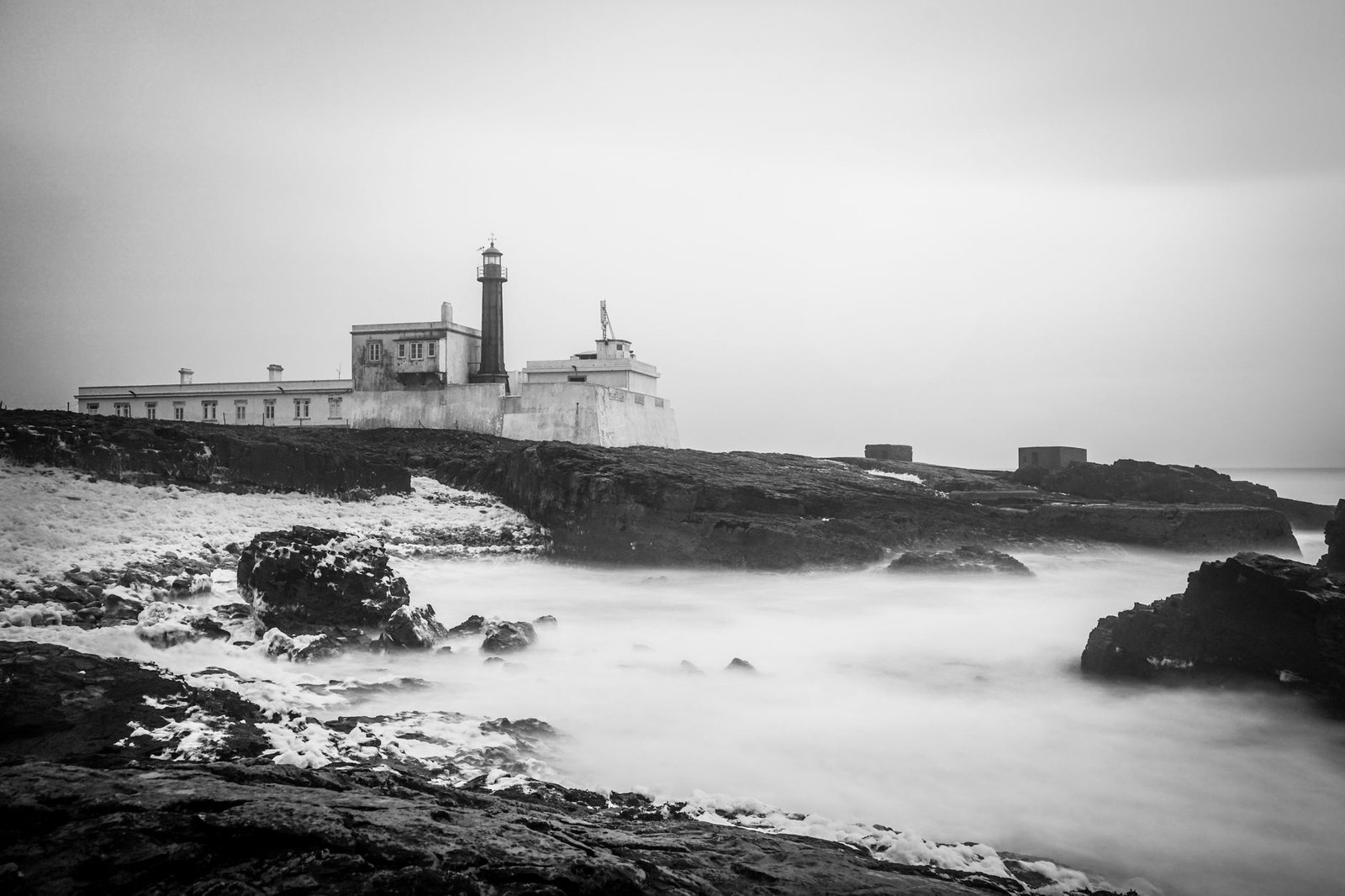
As modern satellite GPS navigation and small, solar-powered LED marine beacons rendered massive manned lighthouse towers obsolete for federal Coast Guard navigation, the federal government faced an acute preservation crisis. Enacted by Congress in 2000, the National Historic Lighthouse Preservation Act (NHLPA) created a formal mechanism to transfer surplus historic lighthouses at zero cost to certified non-profit preservation trusts, state parks, and local municipalities that demonstrate financial and technical capacity to maintain them perpetually.
Under NHLPA deeds of transfer, recipients must guarantee perpetual public access, maintain the structures in strict compliance with the Secretary of the Interior’s Standards, and allow the Coast Guard to continue operating modern automated navigational beacons from the tower lantern.
Preserved lighthouses function as beloved community maritime museums, educational science centers, and cultural landmarks, welcoming millions of visitors annually and preserving the heroic memory of the dedicated civilian lighthouse keepers who kept watch along America’s stormy coasts.
Official Public Records and Statutory Citations
The documentary evidence and administrative filings referenced in this investigation are indexed under the following public record dockets:
- National Historic Lighthouse Preservation Act of 2000, Public Law 106-355 (54 U.S.C. 305101-305106).
- United States Coast Guard, Commandant Instruction M16500.7 (Aids to Navigation Manual – Administration).
- National Park Service, Historic Lighthouse Preservation Handbook.
- United States Department of the Interior, Guidelines for the Evaluation and Nomination of Navigational Aids to the National Register.
Independent Oversight Outlook
The ongoing conservation and stewardship transfer of historic coastal lighthouses under the NHLPA ensures that America’s iconic navigational beacons will never be lost. Through dedicated community non-profit keepership and specialized materials conservation across 2026 and 2027, these magnificent sentinels of the sea will shine bright for centuries to come.
Spotted an error? Read our corrections policy and let us know.
Keep reading
High-Country Ranching Line Camps and Notched Log Cabins Restored Across Intermountain Grazing Allotments
Historic Dimensional Limestone Quarries and Stonecutter Sheds Reclaimed Under Industrial Geo-Heritage Programs

Historic Appalachian Mountain Ballad Collections and Bluegrass Acetate Discs Preserved Under National Audio Heritage Standards