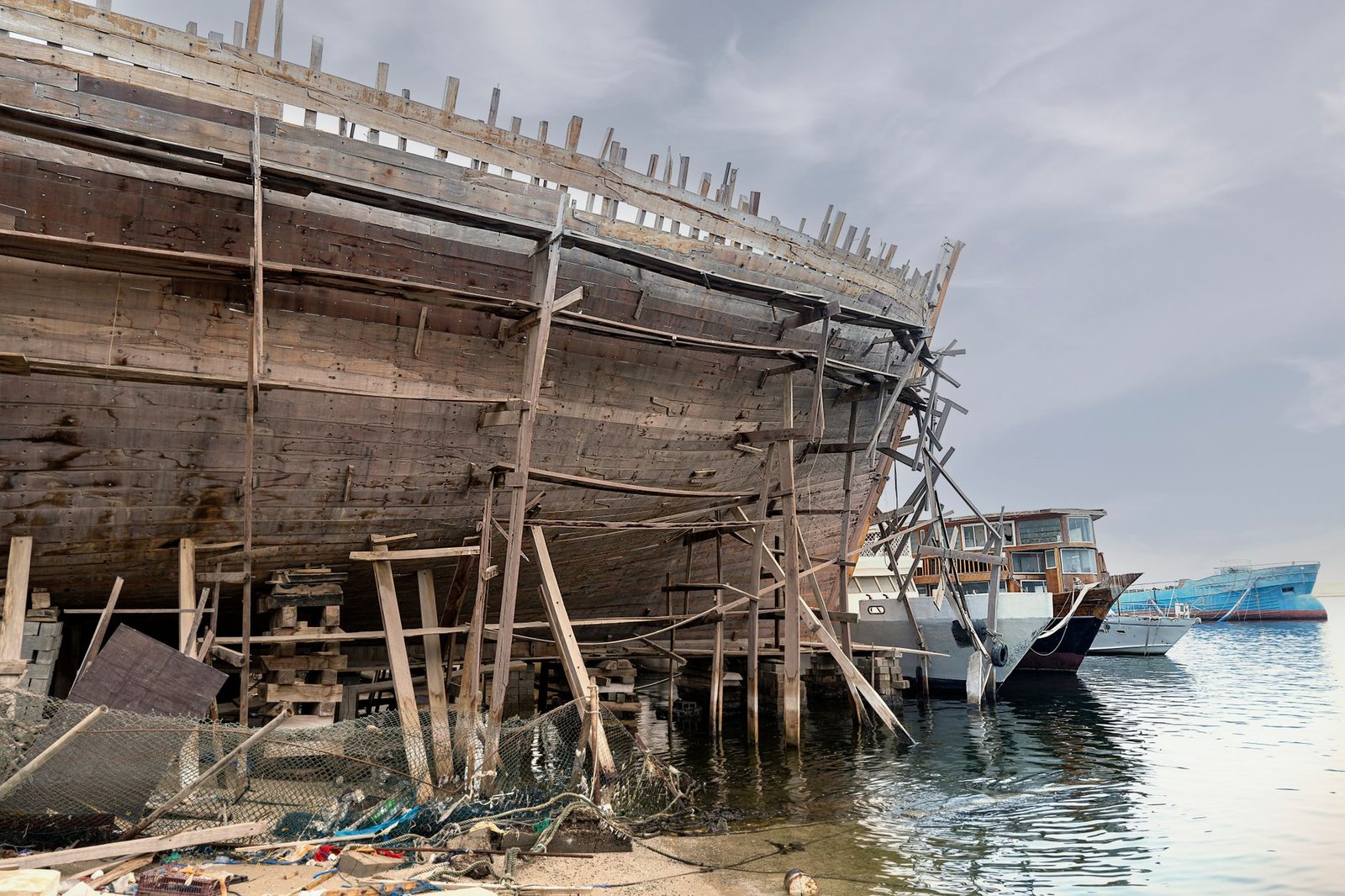
GLOUCESTER – Historic seaport commissions and maritime heritage trusts across New England and the Pacific Northwest have finalized permanent commercial maritime covenants on historic wooden boatbuilding yards and marine railway drydocks, protecting centuries-old shipwright trades from luxury waterfront real estate conversion.
Statutory Framework and Regulatory Context
- Statutory Factor: National Maritime Heritage Act of 1994 (54 U.S.C. 308701 et seq.) grant programs.
- Statutory Factor: Secretary of the Interior’s Standards for Historic Vessel Preservation Projects.
- Statutory Factor: Municipal Working Waterfront Maritime Zoning Overlay districts.
- Statutory Factor: State Department of Historic Resources maritime conservation easement agreements.
The Threat of Waterfront Gentrification on Traditional Shipwright Infrastructure
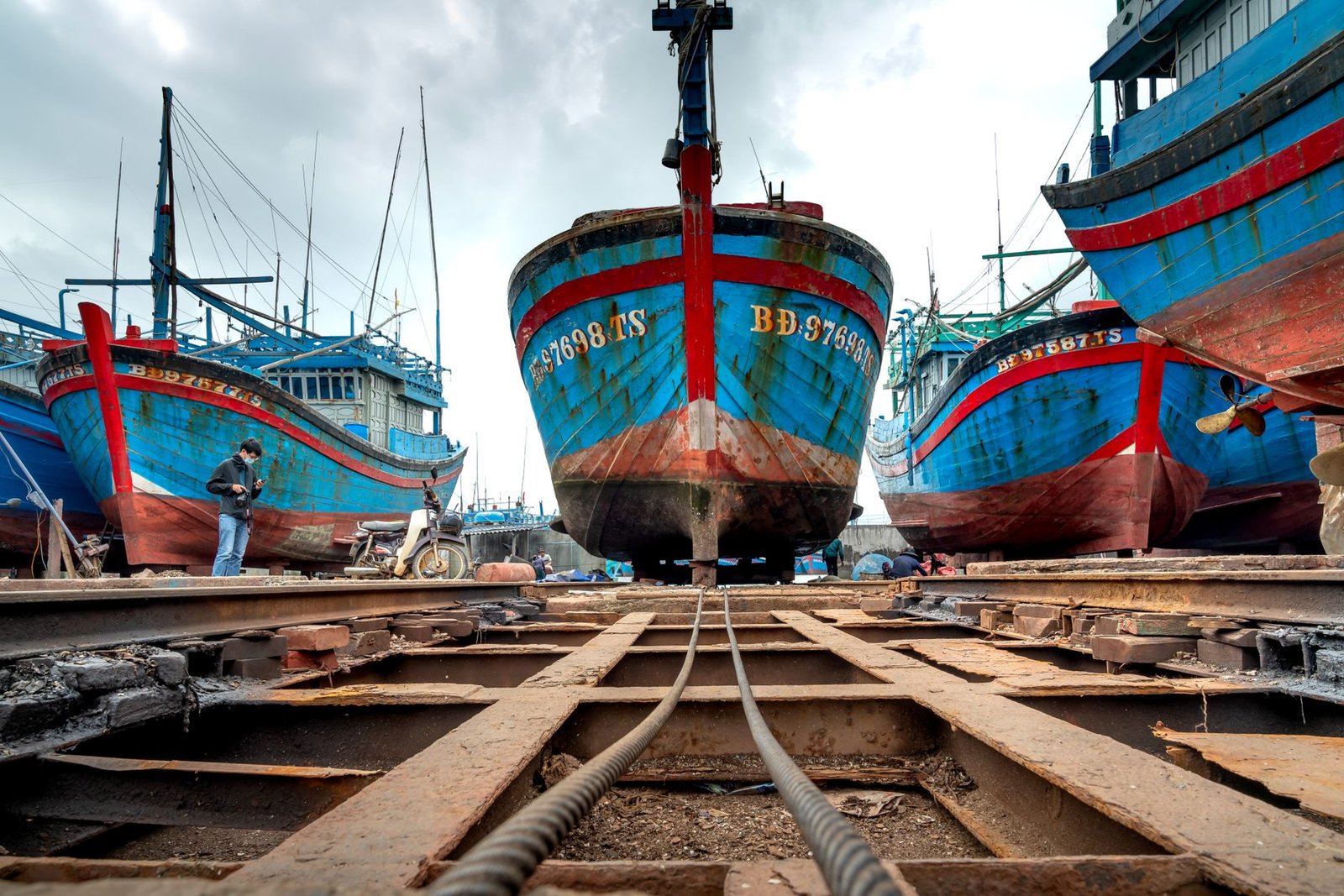
Historic working shipyards and marine railways—characterized by heavy timber slipways, creosote pilings, iron capstans, and steam-bending boxes—occupy deeply protected, deepwater shoreline parcels with immediate navigational access to open ocean channels. Over the past three decades, luxury residential real estate developers viewed these industrial waterfront properties as prime redevelopment sites for luxury marinas, condominiums, and yacht clubs.
However, traditional commercial wooden boatbuilding and historic vessel restoration cannot function without specialized heavy infrastructure: moving a 100-ton wooden schooner onto dry land requires a marine railway—a submerged heavy timber cradle mounted on iron rails that extends hundreds of feet into the ocean, allowing vessels to be slowly pulled up an incline out of the tide.
When working shipyards were bought out by private marinas, historic shipwrights were evicted, leading to an acute national shortage of drydock facilities capable of repairing certified historic tall ships, wooden fishing vessels, and historic coastal schooners.
Comparative Metrics and Fiscal Impact Analysis
The following quantitative dataset summarizes verified public records, capital expenditure benchmarks, and oversight agency audit dockets across regional jurisdictions:
| Historic Maritime Yard | Founding Heritage Date | Active Marine Railway Capacity | Apprentice Shipwright Program | Preservation Covenant Protection |
|---|---|---|---|---|
| Gloucester Marine Railway | Operating Since 1859 | 250-Ton Haulout Cradle | Traditional Rigging & Caulking | Permanent Municipal Maritime Covenant |
| Essex Shipbuilding Yard | Chartered 1710 Heritage | 150-Ton Wooden Hull Lift | White Oak Bending Apprentices | State Cultural Landmark Deed |
| Port Townsend Wooden Boat Hub | Historic Puget Sound Base | 300-Ton Marine Travelift | Traditional Shipwright School | Public Development Authority Trust |
| Mystic River Maritime Basin | 19th-Century Working Yard | 200-Ton Railway Slips | Carvel Planking Guild Center | National Historic Landmark Protected |
Traditional Wood Steam-Bending, Oakum Caulking, and Trunnel Joinery
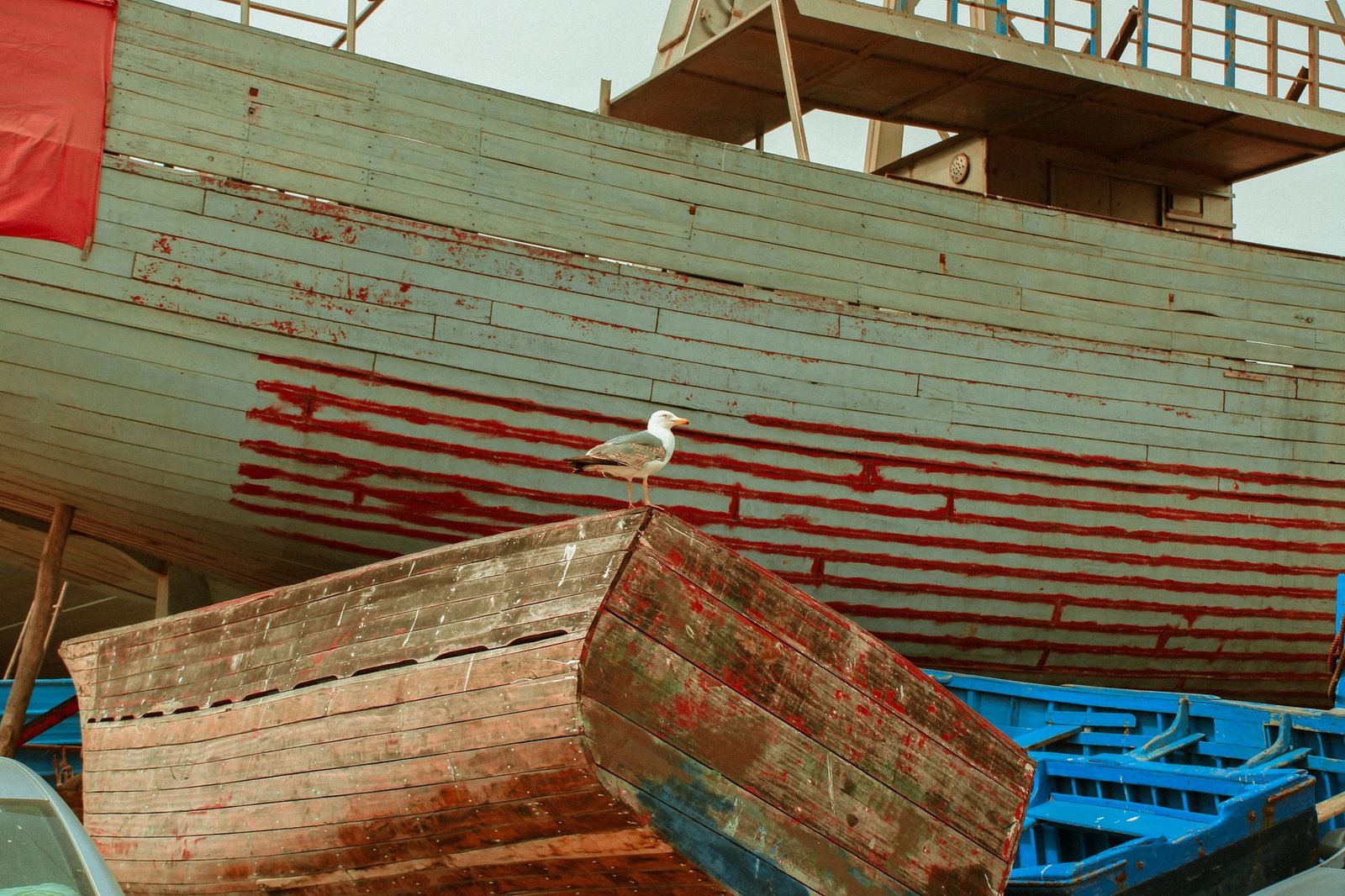
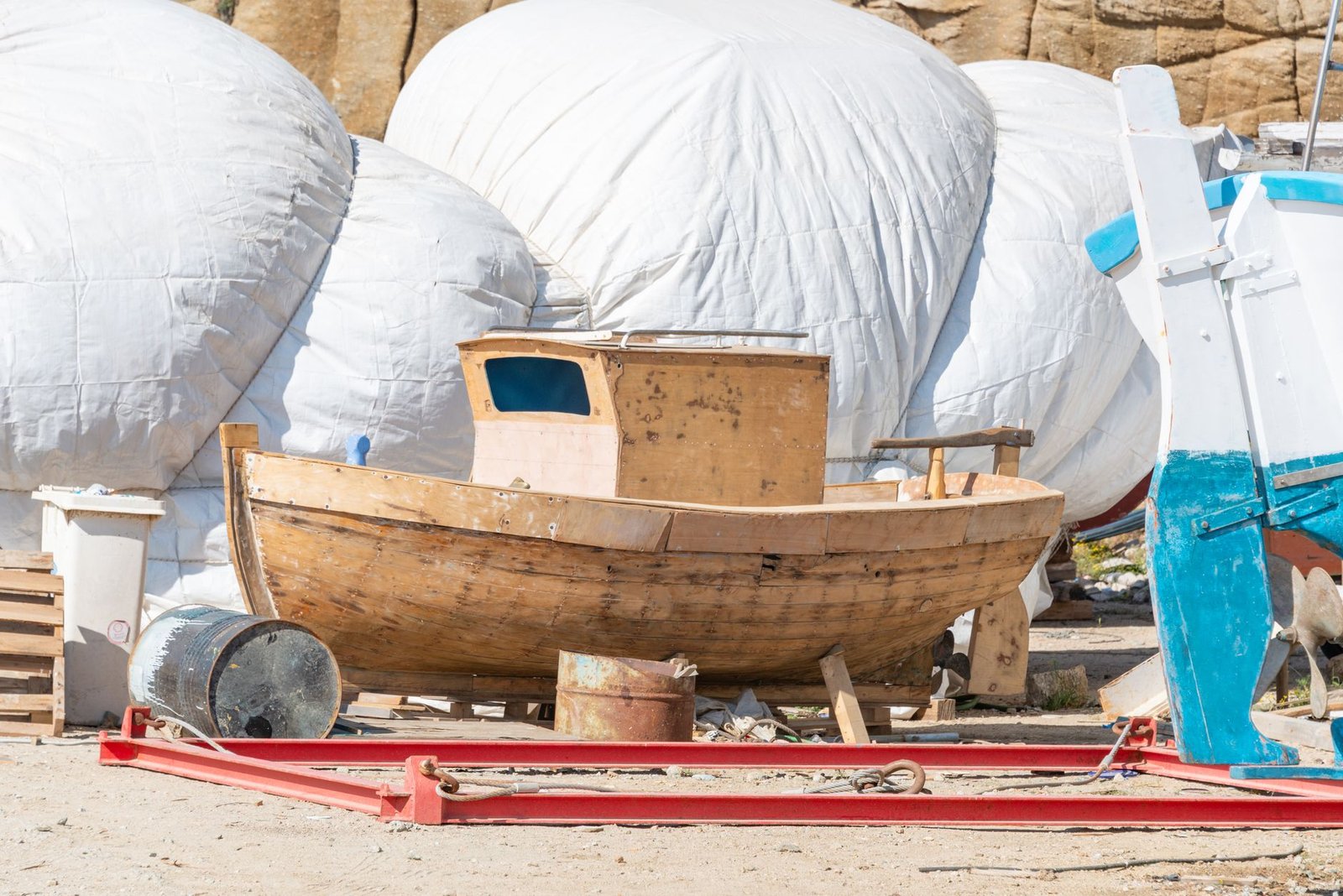
Conserving historic wooden maritime yards preserves living craftsmanship and materials science that cannot be replicated in modern fiberglass boat factories. Master shipwrights utilize traditional white oak, black locust, and longleaf pine timbers harvested from managed sustainable forests.
Heavy two-to-three-inch-thick hull planks are placed inside steam boxes—wooden steam chambers supplied with pressurized steam at 212 degrees Fahrenheit for several hours. The steam softens lignin polymers inside the wood fibers, allowing shipwrights to clamp and twist the massive wooden planks to fit the compound curving contours of a ship’s hull before the wood cools and permanently locks its shape.
Hull seams are sealed through traditional caulking: master caulkers use specialized caulking irons and wooden mallets to drive strands of tarred marine oakum (unraveled hemp fibers soaked in pine tar) deep into plank seams, followed by hot poured pine pitch, creating a flexible, watertight barrier that expands when submerged in saltwater.
Shipwright Apprenticeship Academies and Public Waterfront Access
Under municipal preservation covenants, preserved working yards operate not as sterile museums, but as active commercial working facilities integrated with public apprenticeship schools. The covenants mandate that at least 70 percent of yard space remain dedicated to active vessel haul-out, commercial marine repair, and traditional maritime trades training.
Apprenticeship programs train young men and women in the vanishing arts of lofting (drawing ship lines full-scale on wooden mold-loft floors), adze-shaping, spar-making, and blacksmith forging of traditional marine hardware. Simultaneously, public perimeter boardwalks allow community residents and tourists to watch shipwrights restore historic vessels, fostering deep public appreciation for American maritime heritage.
Maritime historians and port directors emphasize that preserving working waterfront shipyards preserves the sovereign soul of America’s coastal seafaring identity, keeping maritime craftsmanship alive for future generations of mariners.
Official Public Records and Statutory Citations
The documentary evidence and administrative filings referenced in this investigation are indexed under the following public record dockets:
- National Maritime Heritage Act, 54 U.S.C. 308701 et seq.
- National Park Service, The Secretary of the Interior’s Standards for Historic Vessel Preservation Projects.
- Massachusetts General Laws, Chapter 91 (The Public Waterfront Act – Water-Dependent Industrial Uses).
- National Trust for Historic Preservation, Preservation of Historic Working Waterfronts Best Practices.
Independent Oversight Outlook
The legal preservation of historic marine railways and shipwright yards represents an indispensable defense of America’s maritime heritage. Through perpetual commercial covenants and apprenticeship funding across 2026 and 2027, historic coastal harbors will continue to echo with the sounds of wooden shipbuilding for centuries to come.
Spotted an error? Read our corrections policy and let us know.
Keep reading
High-Country Ranching Line Camps and Notched Log Cabins Restored Across Intermountain Grazing Allotments
Historic Dimensional Limestone Quarries and Stonecutter Sheds Reclaimed Under Industrial Geo-Heritage Programs

Historic Appalachian Mountain Ballad Collections and Bluegrass Acetate Discs Preserved Under National Audio Heritage Standards