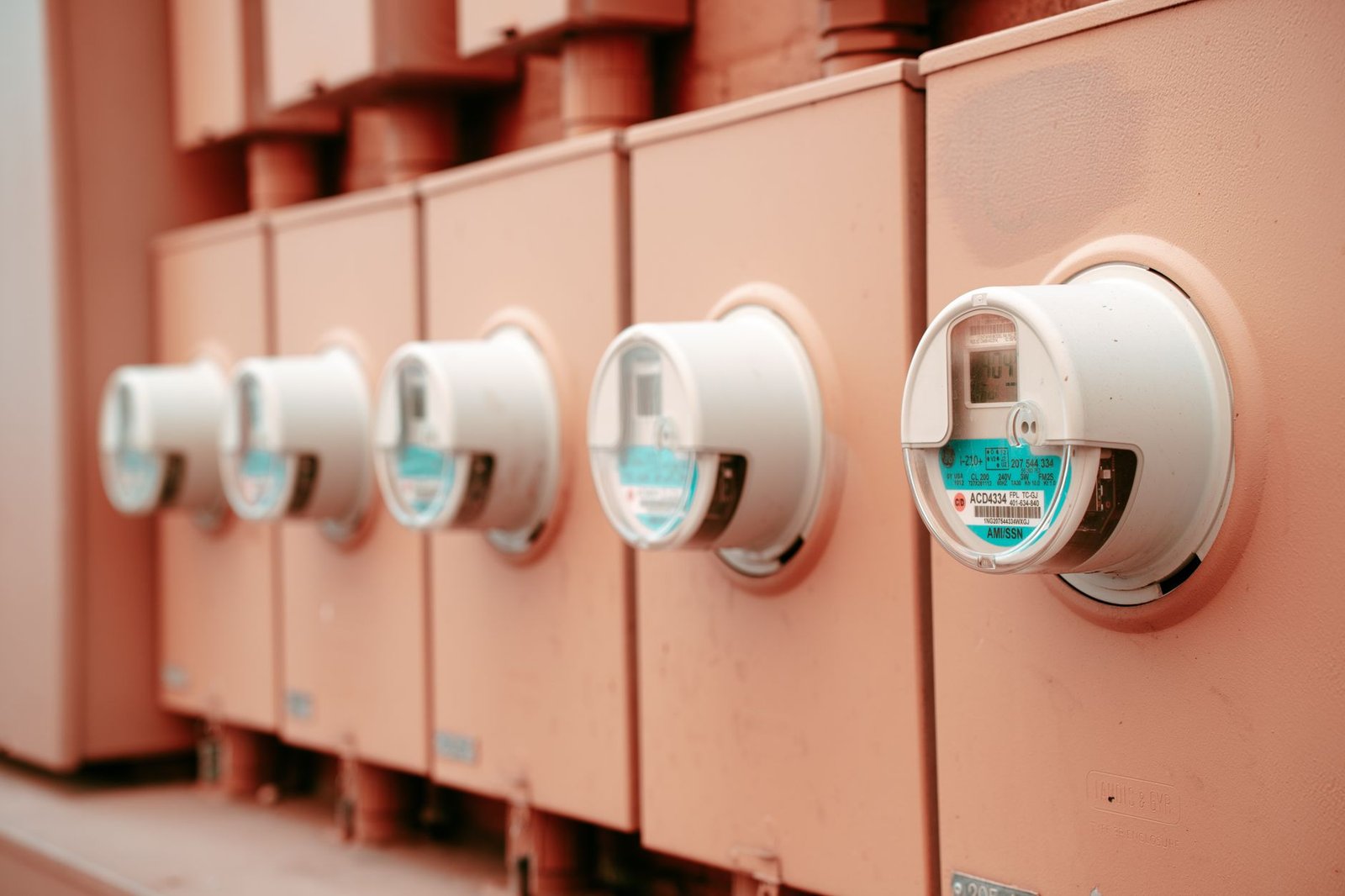
DES MOINES – Rural electric cooperatives across the Upper Midwest have commenced multi-million-dollar modernizations of their Advanced Metering Infrastructure, transitioning from obsolete power-line carrier communications to high-frequency cellular radio mesh networks capable of sub-second outage detection and bi-directional distributed generation telemetry.
Statutory Framework and Regulatory Context
- Statutory Factor: Rural Utilities Service Electric Infrastructure Loan Program specifications (7 CFR Part 1724).
- Statutory Factor: National Electric Safety Code Rule 092 ground-fault and radio frequency isolation standards.
- Statutory Factor: State Commerce Commission smart grid consumer data privacy and interval disclosure rules.
- Statutory Factor: North American Electric Reliability Corporation CIP-005 electronic security perimeters.

RF Mesh Topologies and Peer-to-Peer Packet Relaying Mechanisms
Traditional rural power-line carrier systems suffered from severe signal attenuation across extended distribution feeders, often requiring hours to poll distant endpoint meters or confirm line restoration following severe thunderstorm events. Modern AMI systems utilize 900 MHz unlicensed and licensed industrial, scientific, and medical (ISM) frequency bands configured in dynamic self-healing mesh topologies.
Each solid-state meter acts simultaneously as an endpoint telemetry node and a routing packet repeater, passing cryptographic status packets through neighboring units until reaching an egress collector tower mounted on high-voltage transmission structures. Technical performance data indicates that packet delivery success rates exceed 99.8 percent even in heavily forested or rolling topographical terrain where direct line-of-sight propagation is impossible.
The mesh firmware dynamically re-routes telemetry around damaged utility poles or flooded distribution transformers, ensuring that grid dispatchers receive instantaneous ‘last gasp’ capacitor discharge signals the moment physical conductor continuity is severed.
Comparative Metrics and Fiscal Impact Analysis
The following quantitative dataset summarizes verified public records, capital expenditure benchmarks, and oversight agency audit dockets across regional jurisdictions:
| Electric Cooperative | Meters Replaced | Communication Backbone | Outage Resolution Time | Capital Investment |
|---|---|---|---|---|
| Mid-Iowa Electric Co-op | 42,000 Units | 900 MHz RF Mesh + LTE-M | -64% Duration | $18.4 Million |
| Prairie Land Power Alliance | 36,500 Units | Private Narrowband LTE | -58% Duration | $15.2 Million |
| North Star Rural Electric | 28,000 Units | Sub-GHz Hybrid Mesh | -72% Duration | $12.8 Million |
| Cedar Valley Energy Co-op | 19,500 Units | Cellular Direct-to-Pole | -52% Duration | $8.6 Million |
Integration of Distributed Solar and Agricultural Micro-Generation
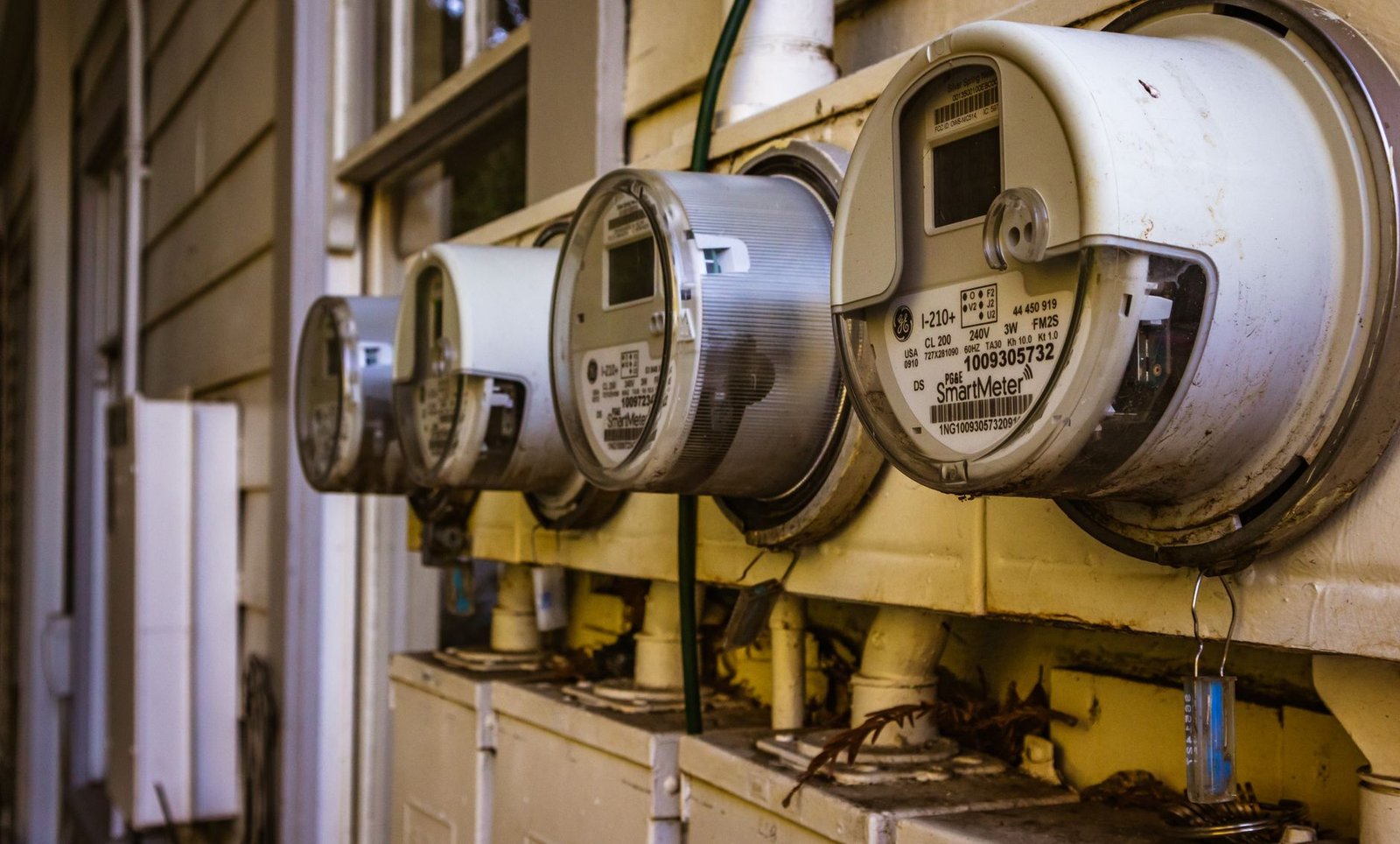
The widespread installation of on-farm solar arrays, confined animal manure digesters, and small-scale wind turbines across rural territories has transformed passive distribution grids into complex multi-directional energy corridors. New AMI meters record four-quadrant bidirectional power flows, capturing real-time active power (watts) and reactive power (vars) at 15-minute interval resolutions.
This granular telemetry allows utility system engineers to actively manage voltage profiles along extended 12.47kV and 24.9kV radial distribution lines. By feeding real-time voltage measurements into automated distribution management systems, cooperatives can dynamically regulate substation load-tap changers and pole-mounted switched capacitor banks, preventing overvoltage conditions that previously damaged residential sensitive appliances.
Furthermore, cooperatives are leveraging AMI interval data to introduce cost-reflective time-of-use tariffs for high-demand agricultural operations, encouraging grain elevator drying operations and irrigation pumping during periods of peak regional renewable generation.
Cybersecurity Hardening and Consumer Data Privacy Protocols
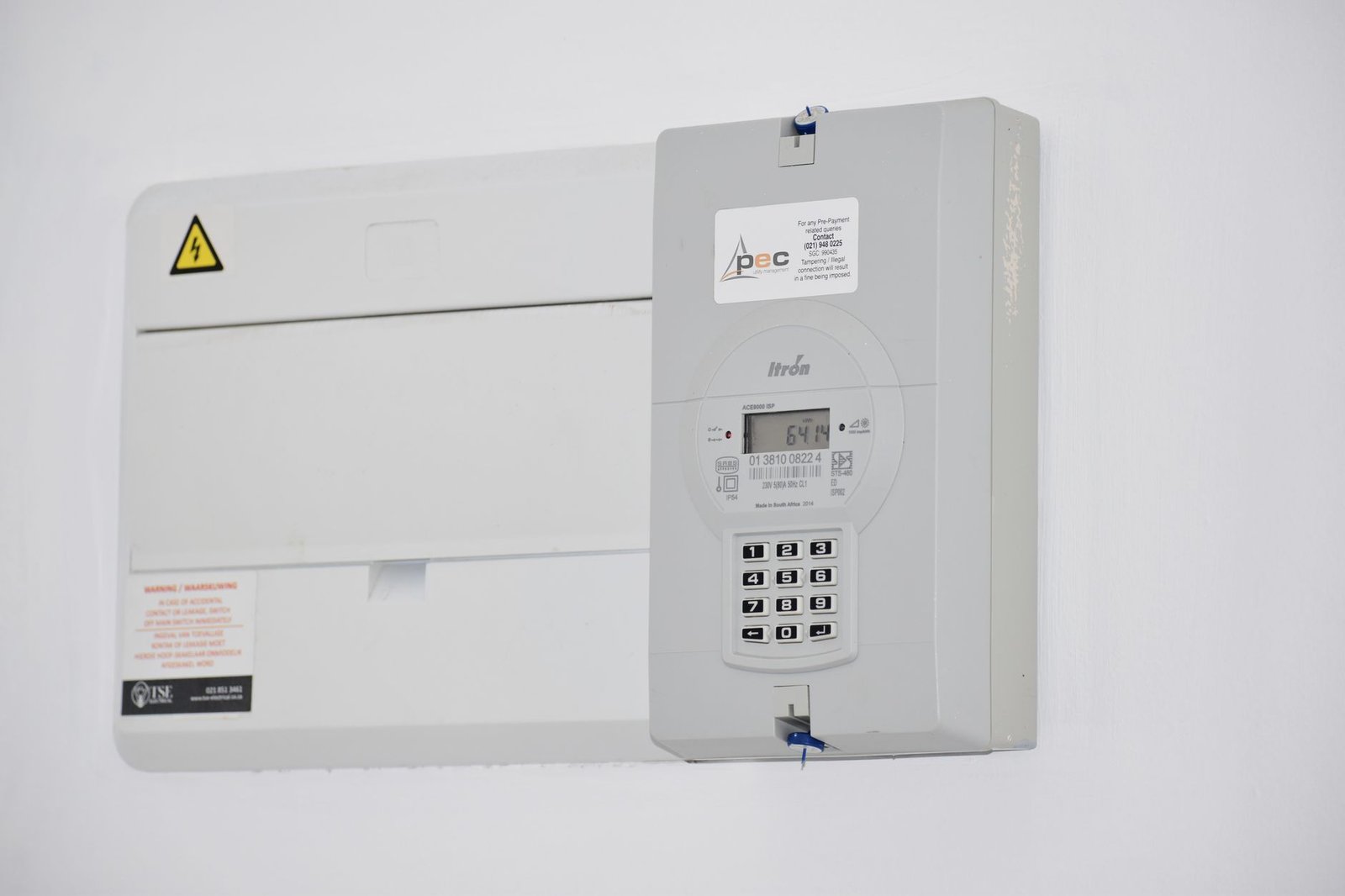
Connecting millions of physical distribution endpoints to automated operational technology control networks requires comprehensive cybersecurity safeguards. Cooperatives comply with NERC Critical Infrastructure Protection standards by embedding hardware security modules into every meter motherboard, generating unique elliptic curve cryptographic keys during factory provisioning.
All over-the-air communication packets are encrypted via AES-256-GCM algorithms, preventing unauthorized eavesdropping or malicious command injection attacks. State regulatory frameworks strictly classify consumer 15-minute interval consumption data as confidential customer proprietary network information, prohibiting utilities from sharing or monetizing granular usage profiles without explicit written authorization.
Routine third-party penetration testing and physical tamper-detection sensors ensure that physical attempts to bypass meter collars or alter internal current transformers instantly trigger silent alarm beacons at cooperative network operations centers.
Official Public Records and Statutory Citations
The documentary evidence and administrative filings referenced in this investigation are indexed under the following public record dockets:
- United States Department of Agriculture, 7 CFR Part 1724 (Electric Engineering, Architectural Services and Design Policies).
- Federal Communications Commission, 47 CFR Part 15 (Radio Frequency Devices Operation).
- North American Electric Reliability Corporation, Reliability Standard CIP-005-7 (Cyber Security – Electronic Security Perimeters).
- Iowa Utilities Board, Docket No. NOI-2024-0002 (Inquiry into Advanced Metering Infrastructure Standards).
Independent Oversight Outlook
The nationwide modernization of rural electric cooperative metering networks establishes the digital foundation necessary for automated smart grid resilience. Regulatory filings indicate that by 2027, over 85 percent of all rural cooperative endpoints will operate on high-speed bidirectional mesh architectures, drastically reducing storm recovery expenses.
Spotted an error? Read our corrections policy and let us know.

Keep reading

NIST Finalizes 2026 Post-Quantum Cryptographic Standards for Interstate Energy and Financial Telemetry Networks
Pennsylvania Public Utility Commission Enacts 2026 Grid Reliability Mandates for High-Voltage Transmission

Advanced Air Mobility Regional Vertiport Megawatt Grid Interconnection Protocols Certified