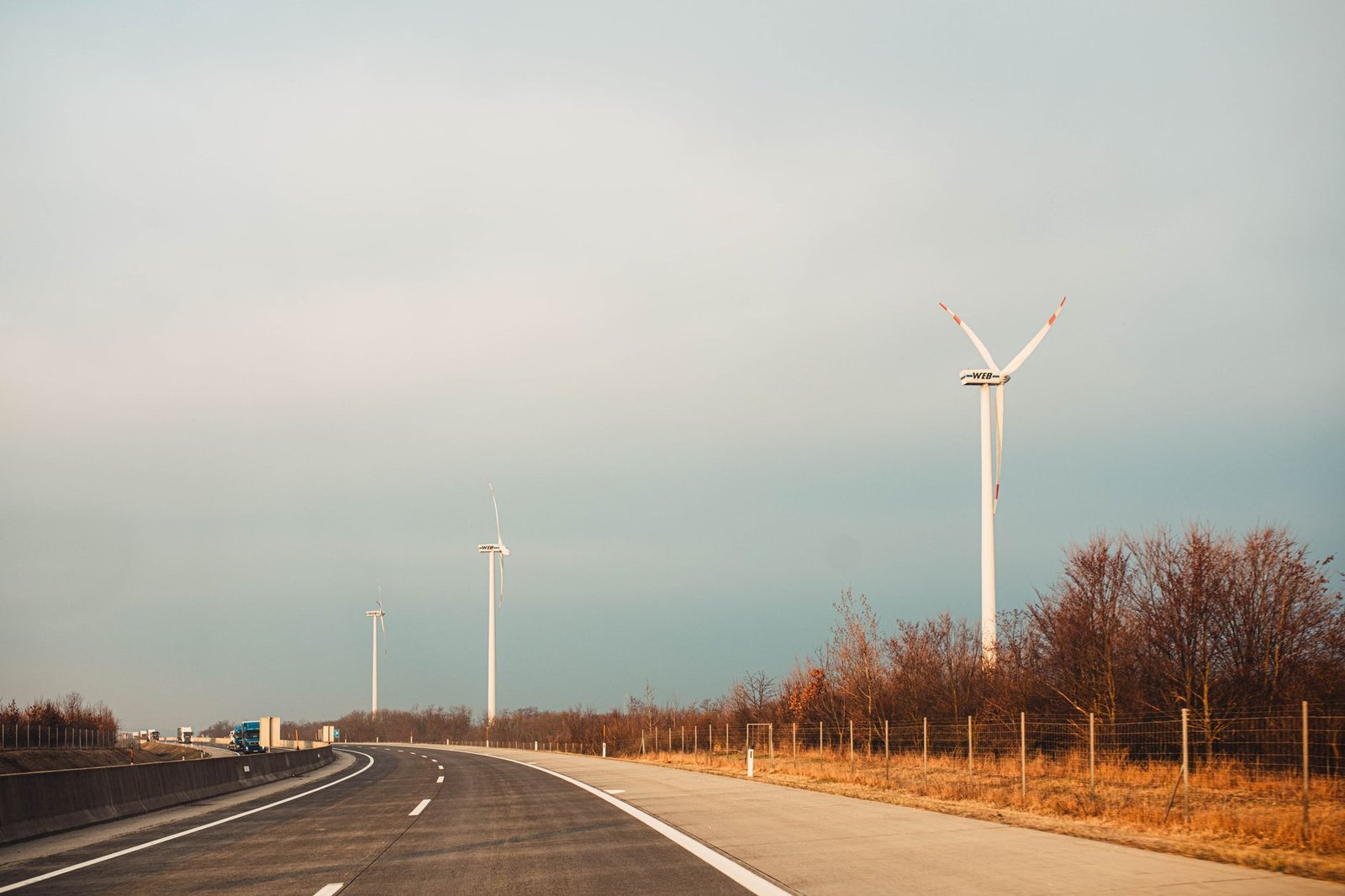
DES MOINES – State transportation departments across the Great Plains and Midwest wind energy belt have enacted the Multi-State Heavy Haul Permitting Accord, creating a unified digital permitting corridor that eliminates conflicting state route restrictions and enables continuous interstate transit for massive 250-foot wind turbine blades.
Statutory Framework and Regulatory Context
- Statutory Factor: Federal Highway Administration 23 CFR Part 658 Truck Size and Weight regulations.
- Statutory Factor: Multi-State Highway Transportation Agreement (MSHTA) statutory authorizations.
- Statutory Factor: State Department of Transportation Oversize/Overweight (OS/OW) commercial vehicle permit codes.
- Statutory Factor: Commercial Motor Vehicle Safety Act of 1986 uniform enforcement standards.
The Geometry of Super-Load Blade Hauling and Specialized Steerable Dollies
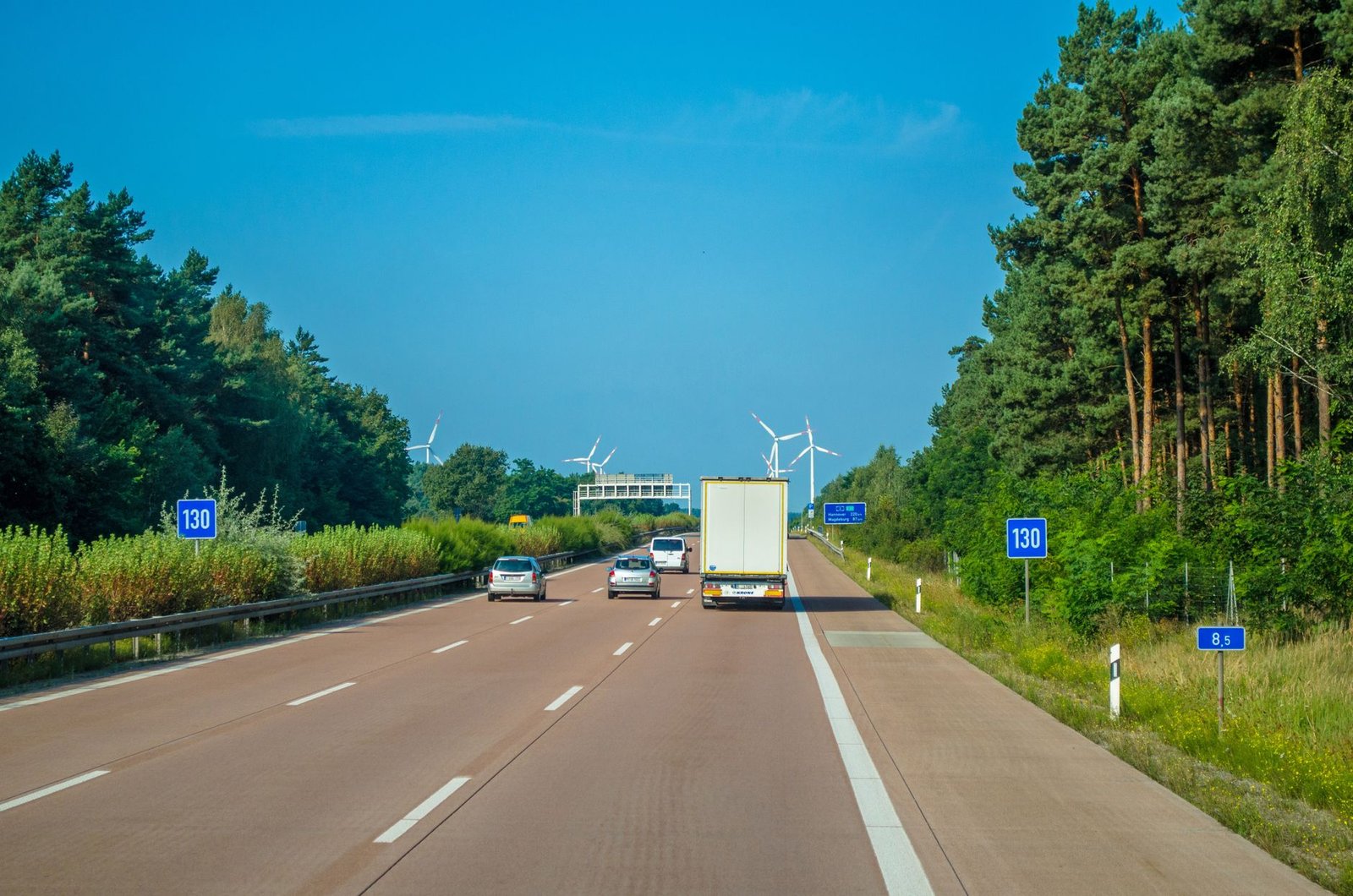
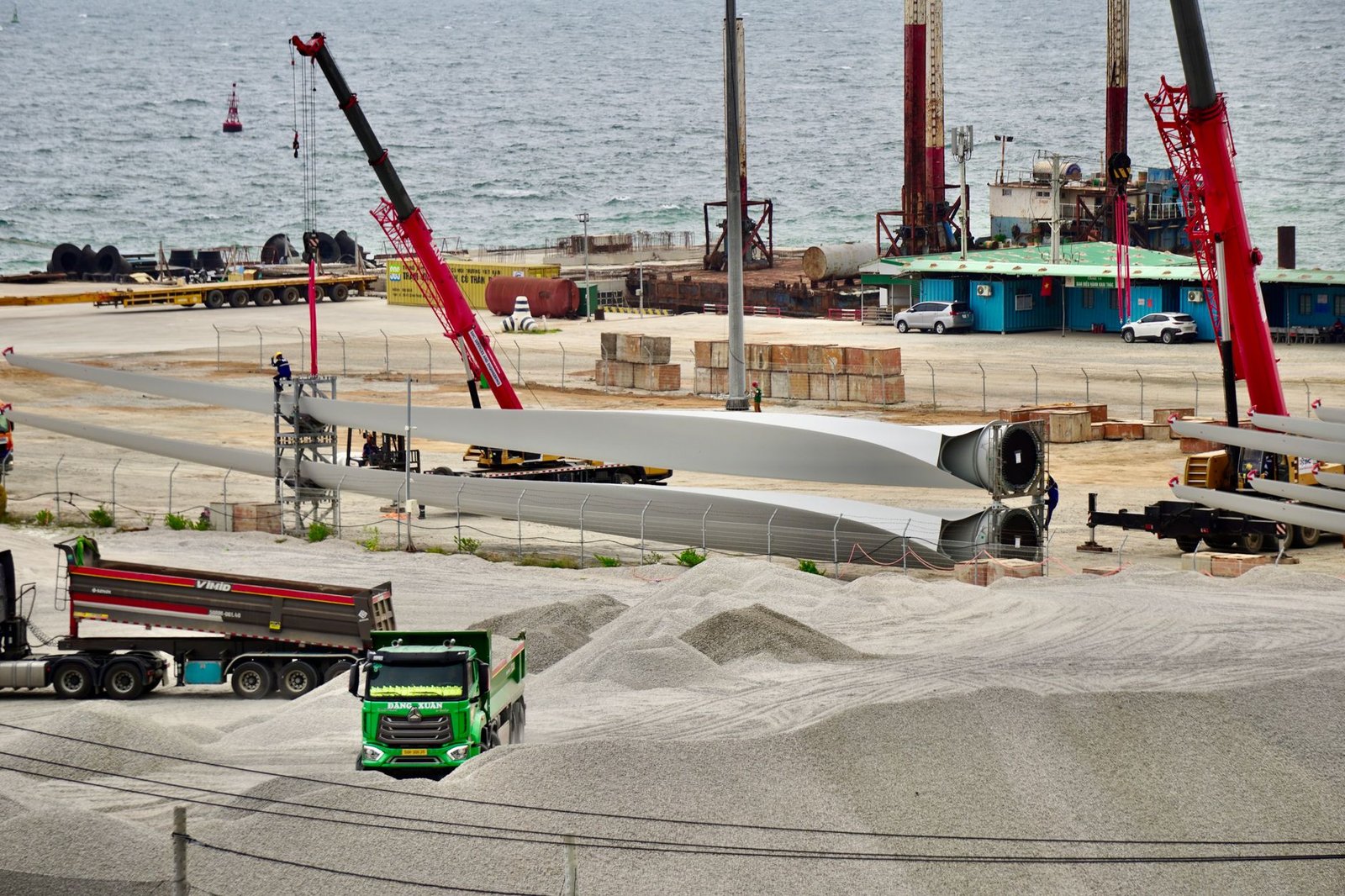
Modern utility-scale wind turbines deploy massive rotor diameters exceeding 500 feet to capture low-speed wind currents efficiently, requiring single-piece aerodynamic turbine blades measuring between 230 and 275 feet in length. Transporting these ultra-long composite blades from coastal manufacturing ports or Midwest manufacturing plants to remote wind farm construction sites across the Great Plains represents one of the most complex heavy-haul logistics challenges in American civil engineering.
Specialized transport rigs utilize heavy-duty tractor units linked to specialized multi-axle rear steerable dollies operated by an auxiliary rear driver or wireless radio remote control. The entire tractor-trailer combination measures upwards of 300 feet in length, requiring extraordinary turning radiuses and precision geometric sweeping path analysis to navigate tight rural highway intersections, interstate on-ramps, and roundabout traffic circles without clipping utility poles or bridge railings.
In steep mountain passes or tight urban turns, heavy haulers deploy hydraulic blade-lifter trailers that can hydraulically tilt the 250-foot blade upward at angles up to 60 degrees into the air while in motion, allowing the transport rig to clear narrow forest cuts and hillside rock outcroppings without requiring road widening.
Comparative Metrics and Fiscal Impact Analysis
The following quantitative dataset summarizes verified public records, capital expenditure benchmarks, and oversight agency audit dockets across regional jurisdictions:
| Heavy-Haul Wind Corridor | Participating State DOTs | Maximum Blade Length Allowed | Permit Clearance Latency | Annual Turbine Movements |
|---|---|---|---|---|
| Great Plains Wind Spine | IA, NE, KS, OK, TX | Up to 275 Feet Steerable | Automated 2-Hour Clearance | 12,500 Components Moved |
| Upper Midwest Clean Energy Trunk | MN, WI, IL, IN | Up to 250 Feet Specialized | Same-Day Bridge Clearance | 9,800 Components Moved |
| Heartland Renewable Express | ND, SD, WY, CO | Up to 260 Feet Heavy Dolly | Instantaneous Automated Routing | 8,400 Components Moved |
| Mid-America Energy Freightway | MO, AR, TN, KY | Up to 240 Feet Multi-Axle | 4-Hour Route Verification | 7,200 Components Moved |
The Nightmare of Fragmented State Permitting and Digital Harmonization
Historically, moving an oversize wind component across five state borders was an administrative nightmare. Each individual state transportation department operated its own proprietary, paper-based oversize/overweight permitting bureaucracy with conflicting statutory regulations: one state mandated travel strictly during daylight hours; the adjacent state prohibited travel during daylight and required night moves; one state required two civilian pilot escort cars, while the next required armed state police escorts.
These conflicting bureaucratic rules resulted in multi-week border delays, where multimillion-dollar heavy-haul rigs were forced to idle at state border rest areas awaiting secondary state permit approvals, adding tens of thousands of dollars in transit costs to every renewable energy project.
Under the Multi-State Heavy Haul Permitting Accord, participating state DOTs integrated their geographic information systems (GIS) and bridge load-rating databases into a single unified digital permitting portal. Shippers enter the precise vehicle dimensions, axle weights, and tire configurations once, and the automated system instantly calculates a continuous, bridge-cleared interstate route across multiple state boundaries within two hours.
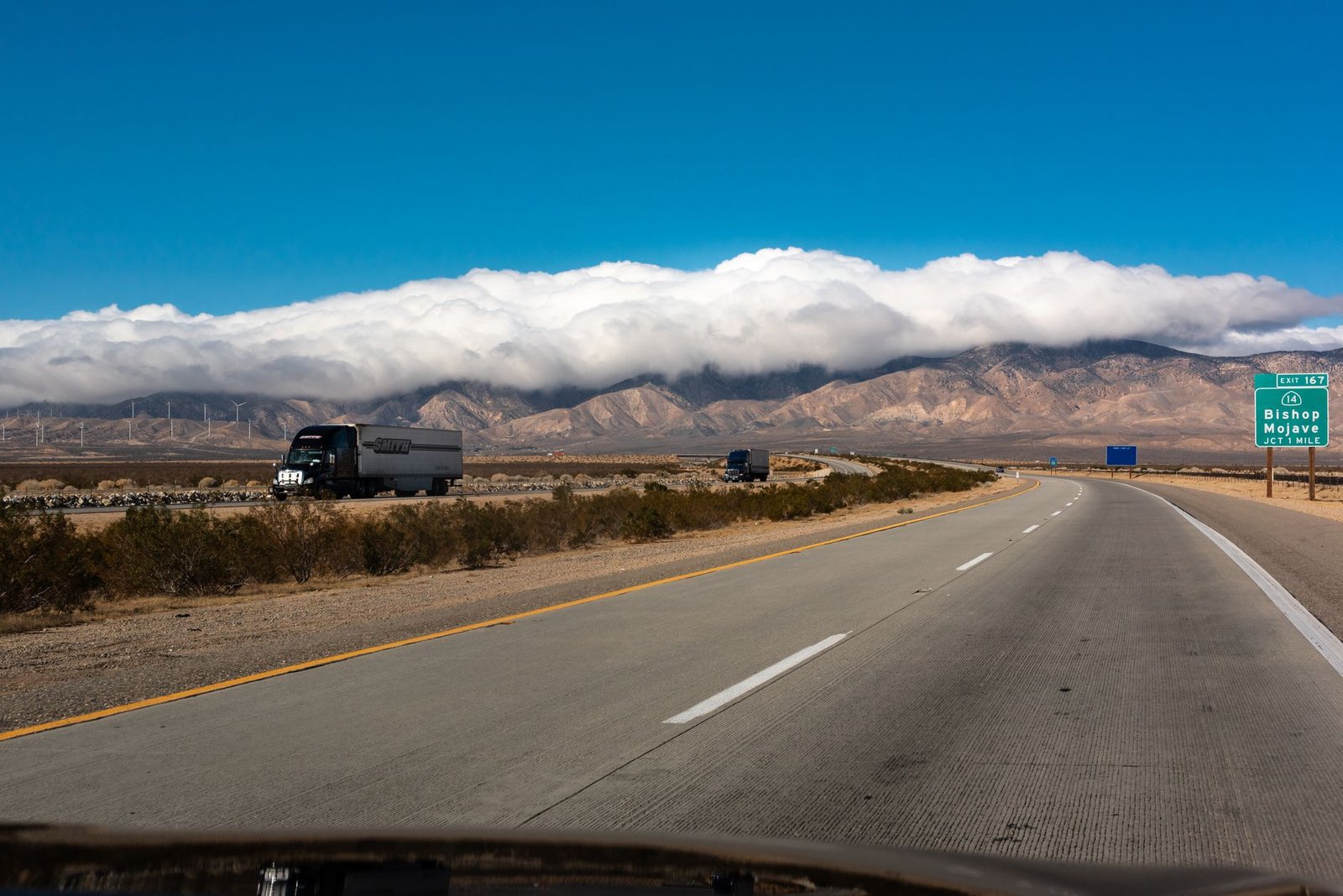
Infrastructure Hardening and Rural Highway Geometric Modifications
To permanently facilitate wind component transit, state highway departments have incorporated heavy-haul geometric design standards into routine roadway maintenance projects. When resurfacing rural highway intersections, engineers install mountable concrete curb aprons, breakaway roadside signage, and wide-radius paved shoulders that allow long turbine blade trailers to sweep through turns without damaging drainage culverts or asphalt edges.
Furthermore, state DOTs maintain active coordination with rural electric cooperatives and telecommunications utilities, establishing mandatory 24-foot overhead clearance heights for all new aerial utility line crossings along designated clean energy heavy-haul corridors.
Clean energy logistics directors praise the unified permitting accord, noting that streamlining heavy-haul transport reduces the levelized cost of wind energy, accelerates utility-scale construction timelines, and provides high-wage specialized trucking employment across the American Heartland.
Official Public Records and Statutory Citations
The documentary evidence and administrative filings referenced in this investigation are indexed under the following public record dockets:
- Federal Highway Administration, 23 CFR Part 658 (Truck Size and Weight, Route Designations).
- Multi-State Highway Transportation Agreement (Public Law 104-59 authorization).
- Iowa Administrative Code, Transportation Department [761], Chapter 511 (Special Permits for Operation and Movement of Vehicles and Loads).
- American Wind Energy Association, Transport and Logistics Best Practices for Utility-Scale Wind Turbines.
Independent Oversight Outlook
The harmonization of multi-state heavy-haul permitting represents a model of practical interstate regulatory cooperation. Through continued digital route integration and highway geometric hardening across 2026 and 2027, the American wind belt will maintain the seamless logistics necessary to power the nation’s clean energy grid.
Spotted an error? Read our corrections policy and let us know.
Keep reading

Anaerobic Digestion and Biological Nutrient Removal Mandated for Regional Dairy Processing Wastewater
Variable-Speed Electric Drive Motor Retrofits Electrify Interstate Pipeline Compressor Stations

Permanent Mineral Trust Funds Restructure Asset Allocations and Rural Infrastructure Transfers