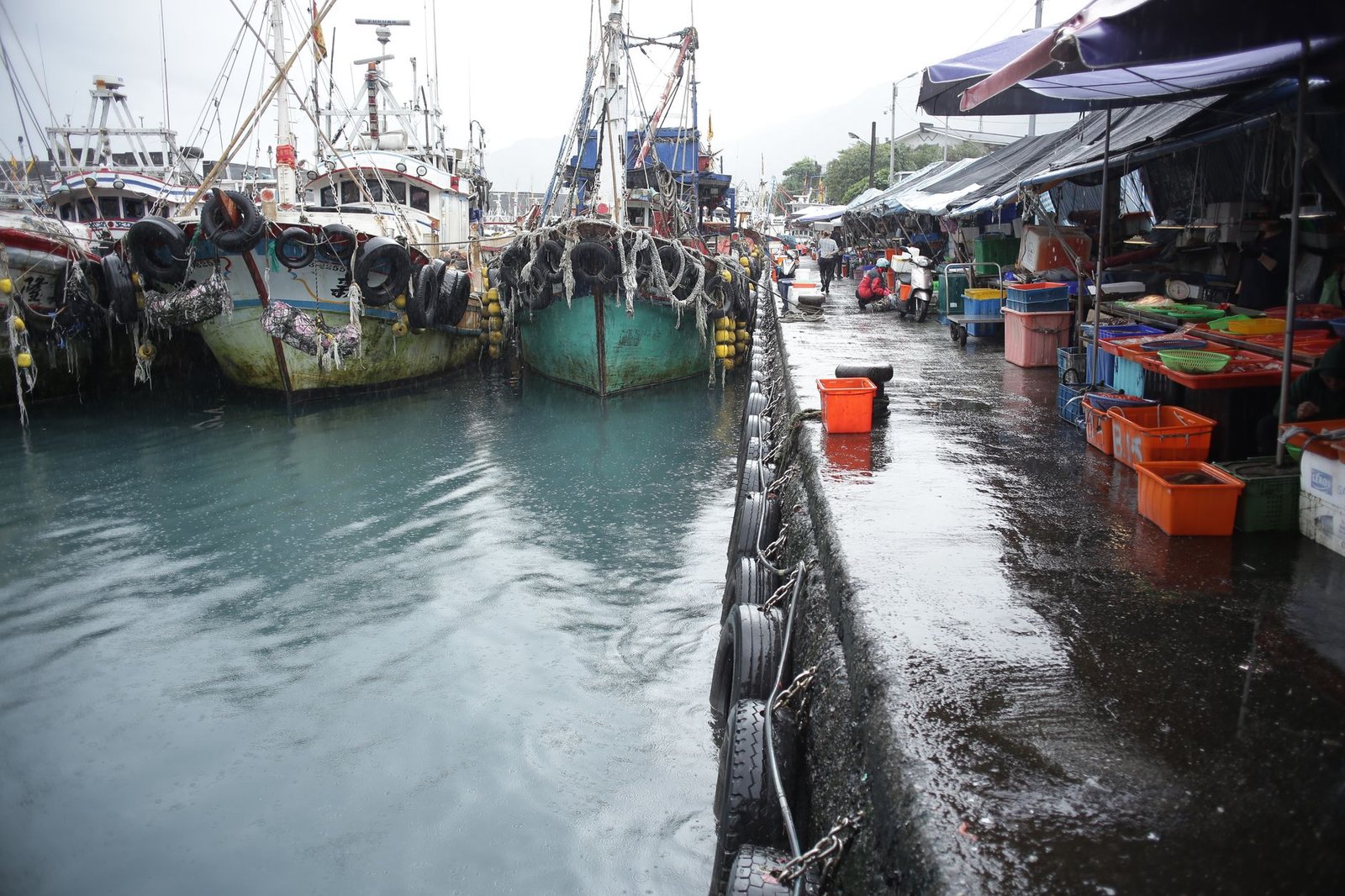
PORTLAND – Coastal state marine resources departments and municipal planning boards across New England and the Pacific Coast have enacted binding Working Waterfront Preservation Covenants, shielding historic commercial fish piers, oyster offloading hoists, and bait cold-storage facilities from luxury condominium redevelopments.
Statutory Framework and Regulatory Context
- Statutory Factor: Coastal Zone Management Act (16 U.S.C. 1451 et seq.) working waterfront grant guidelines.
- Statutory Factor: State Department of Marine Resources commercial fishing pier acquisition authorities.
- Statutory Factor: Municipal commercial maritime zoning overlay ordinances and exclusive water-dependent uses.
- Statutory Factor: National Marine Fisheries Service (NOAA Fisheries) regional seafood resilience initiatives.
The Gentrification of Coastal Harbors and the Loss of Working Access
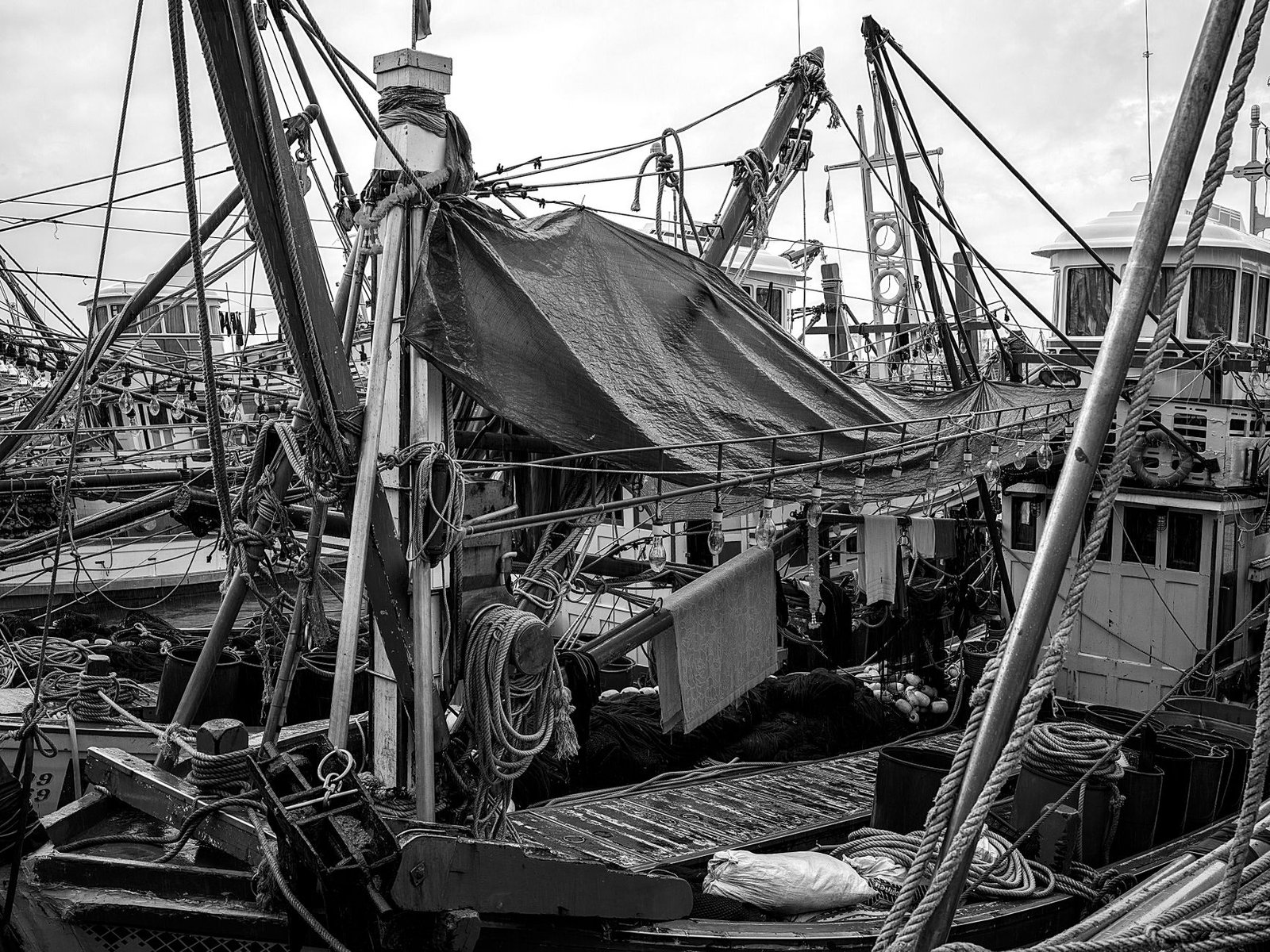
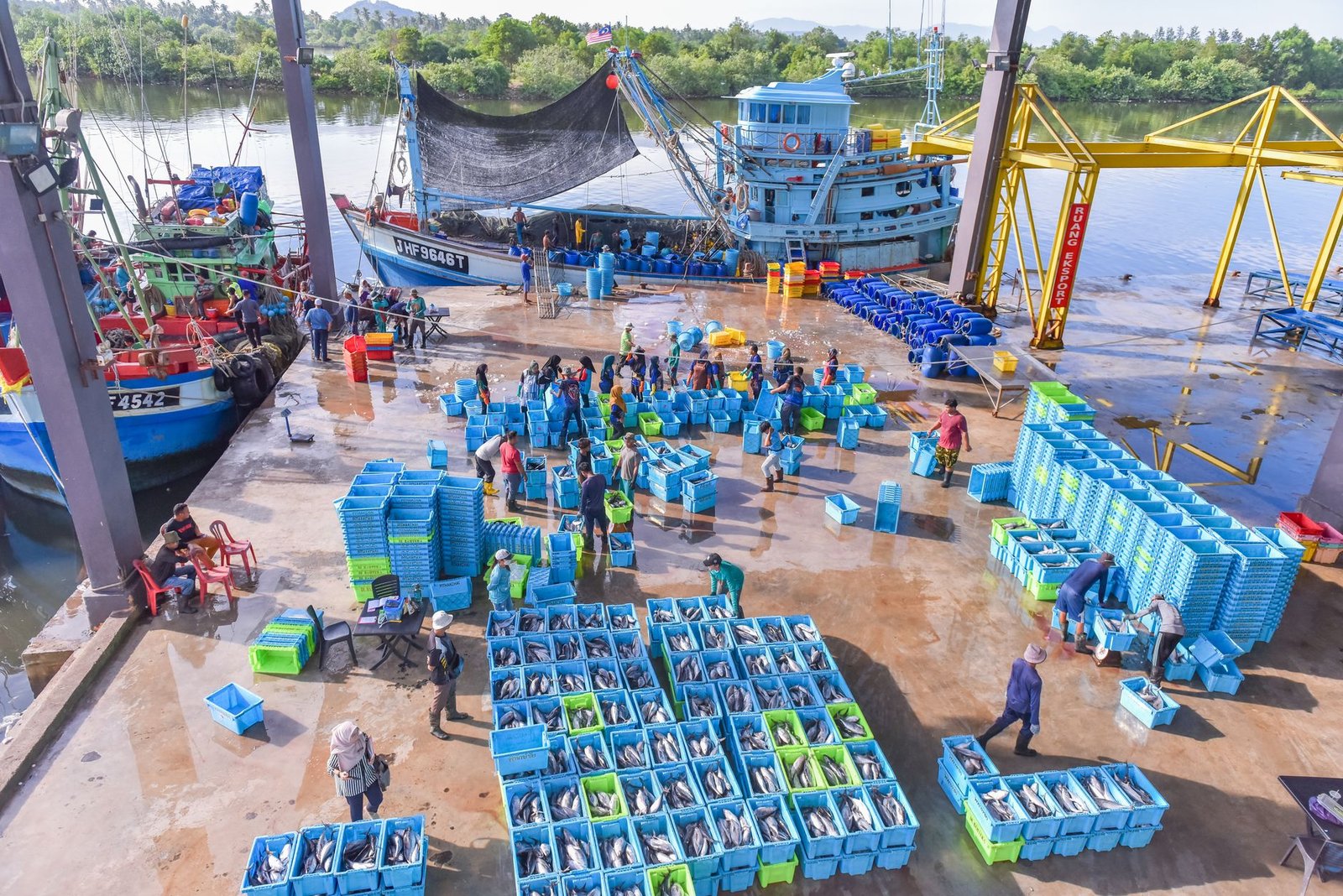
Over the past three decades, escalating coastal real estate valuations and booming tourist economies exerted immense pressure on traditional working waterfronts. Prime harbor properties—historically occupied by rough-hewn commercial fish piers, boatyards, bait dealers, and marine fuel docks—were systematically bought out by luxury real estate developers and converted into high-end waterfront condominiums, private yacht marinas, and boutique restaurants.
For independent commercial fishermen, kelp growers, and oyster farmers, the loss of working waterfront access was catastrophic: commercial aquaculture operations require specialized, heavy-duty shore infrastructure, including heavy crane hoists to lift tons of bagged shellfish, ice-making plants, bulk refrigeration storage, and 24-hour access regardless of tidal stages. When working piers were converted into residential marinas, fishermen were priced out by exorbitant recreational dockage fees or evicted due to residential complaints about pre-dawn diesel engine noise and fish odors.
State legislatures intervened by creating statutory Working Waterfront Programs that utilize public funds to acquire permanent commercial fishing covenants and deed restrictions on working harbor properties, permanently extinguishing luxury residential development rights.
Comparative Metrics and Fiscal Impact Analysis
The following quantitative dataset summarizes verified public records, capital expenditure benchmarks, and oversight agency audit dockets across regional jurisdictions:
| Commercial Working Harbor | Commercial Pier Footage | Protected Aquaculture Vessels | Preservation Covenant Type | State Waterfront Grant |
|---|---|---|---|---|
| Casco Bay Working Pier | 1,450 Linear Feet Pier | 85 Oyster & Kelp Boats | Perpetual Commercial Covenant | $4.8 Million Grant |
| Penobscot Shellfish Landing | 1,100 Feet Timber Wharf | 62 Lobster & Clam Vessels | State Conservation Easement | $3.6 Million Allocated |
| Willapa Bay Oyster Terminal | 1,800 Feet Working Docks | 95 Shellfish Barges | Municipal Maritime Overlay | $5.2 Million Invested |
| Tillamook Bay Fish Pier Hub | 950 Feet Concrete Wharf | 48 Commercial Trawlers | Deed-Restricted Commercial | $3.1 Million Approved |
Specialized Shore Infrastructure for Offshore Seaweed and Shellfish Farms
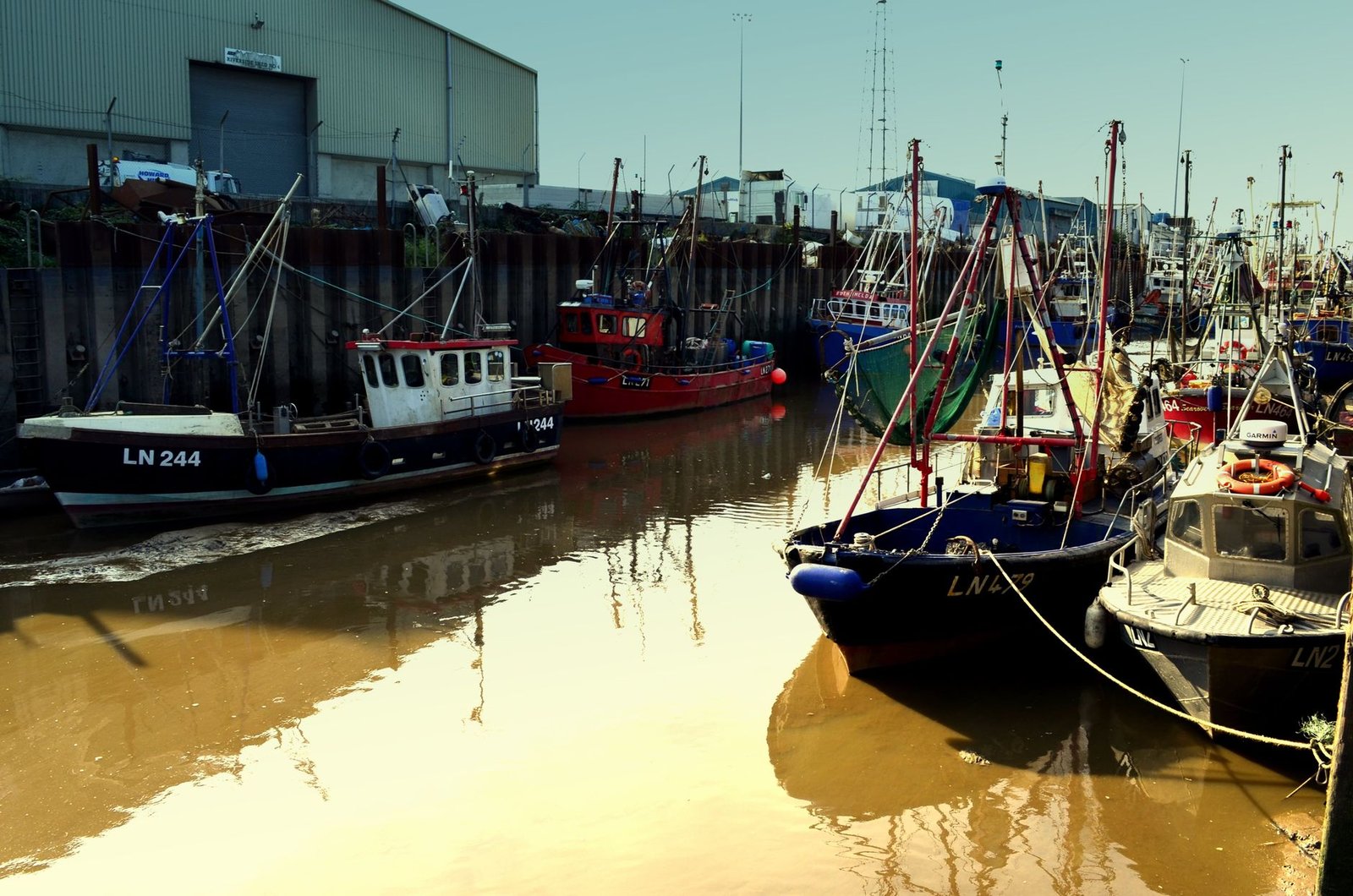
The rapid expansion of commercial regenerative aquaculture—including kelp macroalgae cultivation, subtidal oyster farming, and blue mussel raft farming—has dramatically transformed the infrastructural needs of commercial ports. Unlike traditional wild-capture groundfish trawlers that landed iced fish in wooden boxes, modern seaweed and shellfish aquaculture operates on rapid-turnaround harvest cycles that require specialized dockside processing equipment.
Publicly preserved working piers are equipped with high-capacity vacuum-assisted offloading hoists, commercial seawater circulation tanks, and flash-freezing facilities that stabilize kelp crops within two hours of harvesting. Furthermore, piers feature three-phase electrical shore power pedestals, allowing commercial aquaculture workboats to recharge battery-electric outboards and hydraulic winches directly at the dock without running noisy diesel generators.
Municipal harbor masters manage commercial berthing assignments under strict water-dependent use ordinances that prioritize active commercial harvesting vessels over recreational pleasure craft during seasonal harvest peaks.
Property Tax Valuation Reforms and Economic Diversity Protections
A central legal pillar of working waterfront preservation is ad valorem property tax reform. Under standard market-value assessment rules, a commercial fish pier surrounded by multi-million-dollar luxury hotels was historically assessed at its ‘highest and best use’ as luxury residential real estate, resulting in crushing property tax bills that forced family-owned wharves to sell out to developers.
State constitutional amendments have established ‘Current Use’ taxation standards for certified working waterfront properties. Under these tax protections, properties dedicated to commercial marine fishing and aquaculture are assessed based strictly on their actual commercial maritime income productivity, rather than speculative real estate development values.
Marine economists emphasize that preserving working waterfront infrastructure protects thousands of direct maritime harvesting jobs and sustains the historic cultural fabric of coastal American communities.
Official Public Records and Statutory Citations
The documentary evidence and administrative filings referenced in this investigation are indexed under the following public record dockets:
- Coastal Zone Management Act, 16 U.S.C. 1456b (Working Waterfronts Grant Program).
- Maine Revised Statutes, Title 12, Chapter 603 (Working Waterfront Preservation Program).
- Washington Revised Code, Title 84, Chapter 84.34 (Open Space, Agricultural, and Timberlands Current Use Assessment).
- National Oceanic and Atmospheric Administration, Fisheries Economics of the United States Report.
Independent Oversight Outlook
The implementation of working waterfront preservation covenants ensures that commercial aquaculture remains a thriving economic foundation of American coastal communities. Through state land trust acquisitions and maritime zoning protections across 2026 and 2027, historic working harbors will continue to support independent American seafood producers.
Spotted an error? Read our corrections policy and let us know.
Keep reading
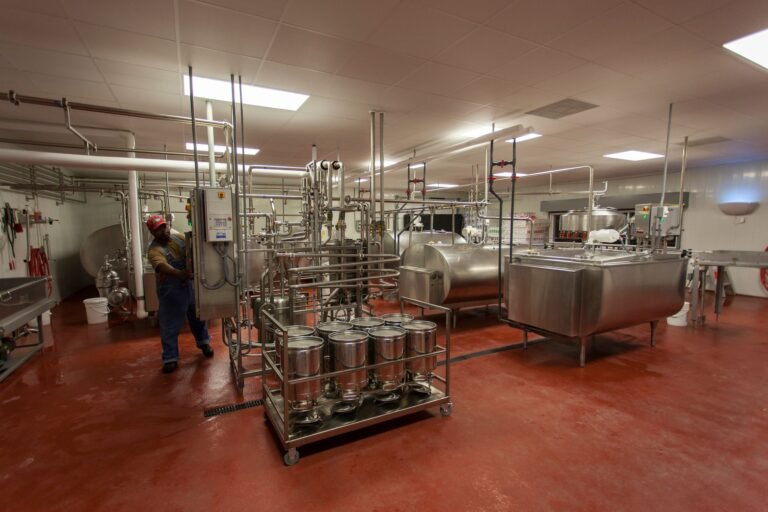
Anaerobic Digestion and Biological Nutrient Removal Mandated for Regional Dairy Processing Wastewater
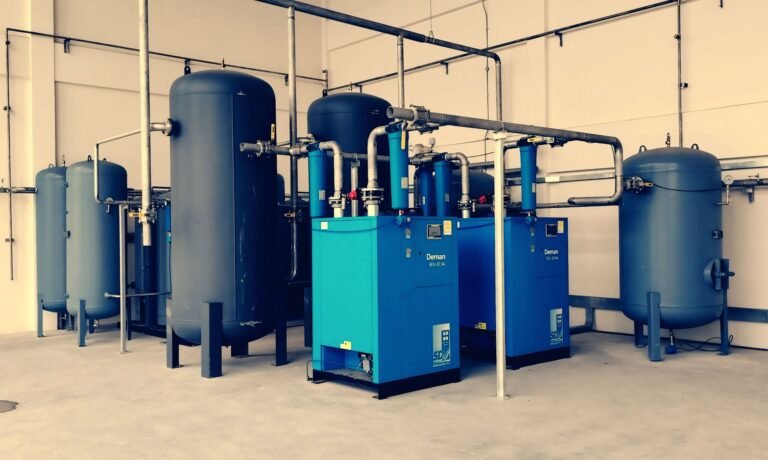
Variable-Speed Electric Drive Motor Retrofits Electrify Interstate Pipeline Compressor Stations

Permanent Mineral Trust Funds Restructure Asset Allocations and Rural Infrastructure Transfers