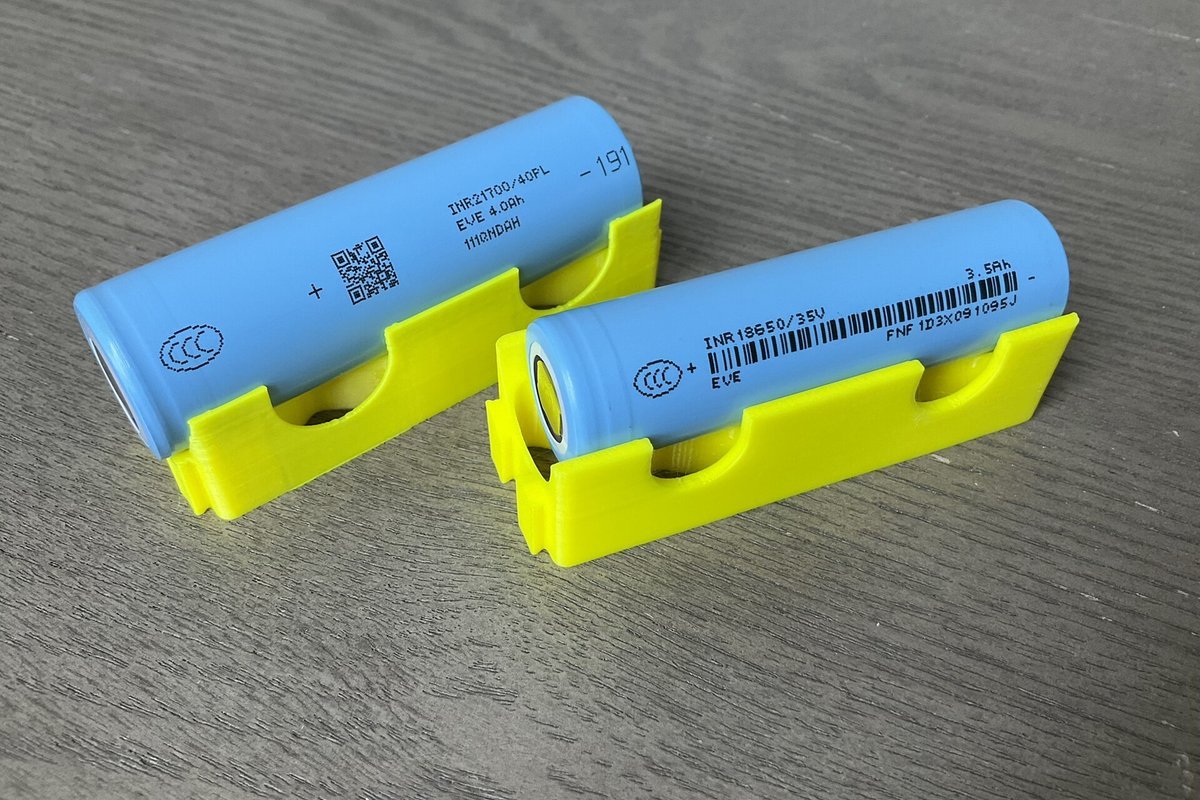
Situated along the Interstate 65 manufacturing corridor in Hardin County, Kentucky’s Glendale megacampus represents the single largest economic development project in Commonwealth history. Originally announced in 2021 as BlueOval SK—a $5.8 billion joint venture between Ford Motor Company and South Korea’s SK On to construct twin 43-gigawatt-hour (GWh) electric vehicle battery factories—the project has adapted to shifting global market demand. Following Ford’s December 15, 2025 corporate restructuring, the Glendale complex is reconfiguring capacity toward Ford Energy and utility-scale Battery Energy Storage Systems (BESS) to support electric grid stability, while pausing the second battery facility. Supported by more than $290 million in completed public highway, municipal water, and technical workforce infrastructure, the complex marks a decisive shift in Kentucky’s industrial manufacturing economy.
- Core Industrial Shift: On December 15, 2025, Ford Motor Company restructured its commercial electrification division, establishing Ford Energy and pivoting Glendale capacity toward stationary Battery Energy Storage Systems (BESS) for electric utility grids, while pausing construction on the second battery facility.
- Who Is Affected: Central Kentucky manufacturing labor, KCTCS technical apprentice students, regional automotive and chemical suppliers, and municipal utility ratepayers across Elizabethtown and Hardin County.
- Verified Status by Progress Stage:
- Projected / Stated Goal: $5.8B initial twin-plant JV budget; 86 GWh total capacity; 5,000 full-time jobs at full buildout.
- Approved / Conditional: U.S. DOE Loan Programs Office (LPO) conditional loan commitment (up to $9.2B multi-state financing); $25M Kentucky legislative training grant.
- Underway / Active: Kentucky 1 structural shell complete with interior tooling underway; Kentucky 2 paused and undergoing engineering reassessment; phased technician recruitment active.
- Completed & Operational: $125M I-65 Exit 86 Diverging Diamond Interchange (KYTC); $140M municipal water pipeline and wastewater pretreatment facility; 42,000-sq-ft ECTC BlueOval SK Training Center.
1. The Glendale Megasite: Strategic Geography and Industrial Evolution
Kentucky’s selection as the host for the advanced battery manufacturing megacampus was the culmination of two decades of strategic industrial site preparation by the Kentucky Cabinet for Economic Development (CED) and Hardin County civic leaders. The 1,500-acre Glendale megasite was certified in the early 2000s, positioned directly adjacent to the CSX Transportation railroad mainline and Interstate 65, approximately 50 miles south of Louisville.
The Commonwealth offered an established automotive manufacturing ecosystem: Kentucky ranks first nationally in per-capita vehicle production, anchored by Ford’s Louisville Assembly Plant and Kentucky Truck Plant, Toyota’s Georgetown complex, and an expansive network of more than 500 tier-one and tier-two automotive component suppliers. Locating cell production within a short logistics transit window of major assembly plants across Kentucky, Tennessee, and Ohio minimized freight transit costs and created an integrated regional manufacturing corridor.
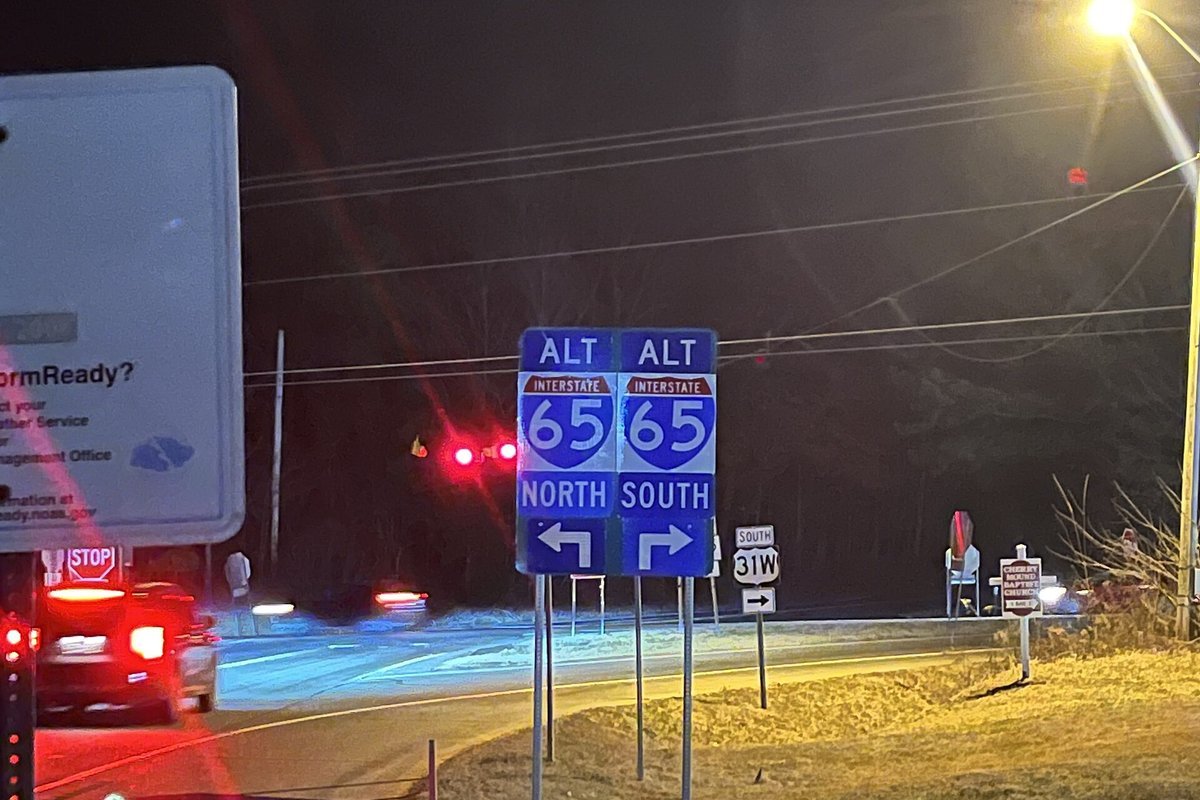
To accommodate the volume of heavy manufacturing freight, the Kentucky Transportation Cabinet (KYTC) completed a $125 million highway modernization program. Key improvements included reconstructing I-65 Exit 86 into a high-capacity Diverging Diamond Interchange (DDI), widening State Route 222, and building dedicated commercial freight bypasses that separate heavy semi-trailer traffic from rural residential streets.
| Project Component | Initial 2021 Plan | Status Stage (Milestone Classification) | Verified 2026 Status | Responsible Entity | Capital & Funding Allocation |
|---|---|---|---|---|---|
| Glendale Industrial Megacampus | $5.8 Billion twin-plant EV battery park | Projected / JV Capital | Plant 1 structure complete, tooling in progress; Plant 2 paused & re-evaluated for grid storage | BlueOval SK (Ford & SK On) | $5.8B Private JV Capital (Supported by U.S. DOE LPO loan) |
| Kentucky 1 (Plant 1) | 43 GWh electric truck battery cell manufacturing | Underway / Tooling | Building shell erected; equipment installation and cleanroom line commissioning underway | BlueOval SK | Private Commercial Investment |
| Kentucky 2 (Plant 2) | 43 GWh twin EV battery manufacturing facility | Paused / Reassessing | Building construction paused; evaluating integration with Ford Energy stationary BESS lines | Ford Energy / SK On | Private Commercial Asset |
| Federal Financing Facility | Nationwide advanced vehicle loan support | Approved / Conditional | Conditional loan commitment up to $9.2B for multi-state BlueOval SK facilities (KY & TN) | U.S. DOE LPO | Federal Loan Program Office |
| I-65 Interchange & Highway Modernization | Exit 86 freight access expansion | Completed & Operational | Operational; Diverging Diamond Interchange at Exit 86 and SR 222 bypass completed | KYTC | $125 Million State & Federal Highway Funds |
| Industrial Water Transmission Main | 6.0 MGD industrial water supply | Completed & Operational | Operational; 12-mile transmission pipeline connecting Ohio River basin and regional reservoirs | Hardin County Water District No. 2 | $80 Million Municipal Utility Revenue Bonds |
| Wastewater Pretreatment Plant | On-site chemical rinse neutralization | Completed & Operational | Operational; 4.5 MGD industrial effluent processing facility | City of Elizabethtown Utility Commission | $60 Million Municipal Revenue Bonds |
| BlueOval SK Training Center | 42,000 sq ft technical training academy | Completed & Operational | Operational; actively training mechatronics technicians and chemical process operators | ECTC / KCTCS | $25 Million Kentucky Legislative Appropriation |
2. The Strategic Pivot to Ford Energy and Grid-Scale Storage (BESS)
While the Glendale complex was originally designed exclusively to produce lithium-ion battery cells for passenger electric trucks (such as the Ford F-150 Lightning) and commercial vans, changing market economics prompted a major strategic realignment. Accelerating electricity demand from artificial intelligence data centers, coupled with regional grid modernization mandates, created an unprecedented commercial market for stationary Battery Energy Storage Systems (BESS).
On December 15, 2025, Ford Motor Company officially announced the creation of Ford Energy, a dedicated commercial business unit focused on utility-scale energy storage, commercial microgrids, and grid-supportive energy storage technologies. As part of this corporate restructuring, Ford and SK On re-evaluated the Glendale production allocation:
- Kentucky 1 (Plant 1): Structural construction of the multi-million-square-foot facility is complete. Cleanroom environmental installations and tooling equipment are proceeding, with initial production calibrated to commercial demand milestones.
- Kentucky 2 (Plant 2): Structural construction of the second plant building was paused. Rather than duplicating passenger EV truck lines, Ford and SK On are analyzing the integration of grid-scale BESS assembly lines to supply electric utilities, independent power producers, and commercial energy developers seeking domestically manufactured storage systems.
This strategic realignment reflects a broader trend among American industrial manufacturers: decoupling capital expenditures from volatile consumer EV sales forecasts while deploying advanced manufacturing capacity into high-growth electric grid stability and stationary power infrastructure.
3. Utility Infrastructure Engineering: Power, Industrial Water, and Effluent Control
Operating an advanced battery and energy storage manufacturing campus requires massive, uninterrupted utility inputs. Cell manufacturing demands precision environmental controls: dry-room production environments maintained below one percent relative humidity, continuous electrode coating and drying ovens, and formation cycling systems that require hundreds of megawatts of electric power and millions of gallons of daily process water.
Electric power is delivered through a dual-feed transmission intertie engineered by East Kentucky Power Cooperative (EKPC) and local electric distribution cooperatives, connected to regional 345-kilovolt transmission corridors. To meet corporate sustainability benchmarks, regional utilities have integrated dedicated solar power purchase agreements (PPAs), providing renewable power while maintaining dual-redundant substation connectivity to eliminate voltage sag risks.
Water and wastewater management required a coordinated public-private infrastructure initiative. The City of Elizabethtown and Hardin County Water District No. 2 completed a combined $140 million utility expansion. Engineers constructed a 12-mile dedicated industrial transmission main from the Ohio River basin and regional reservoirs, providing up to 6 million gallons per day (MGD) of treated process water. On-site, an industrial wastewater pretreatment facility neutralizes chemical rinse water, recovers manufacturing solvents, and ensures that effluent complies with strict discharge standards enforced by the Kentucky Energy and Environment Cabinet (EEC).
4. Technical Workforce Pipelines: The ECTC Apprenticeship Model
The operational success of the Glendale campus depends directly on the technical capabilities of the regional labor force. Staffing an advanced energy storage manufacturing complex requires specialized technicians, including precision chemical operators, industrial electricians, robotics programmers, and quality assurance inspectors.
To establish this talent pipeline, the Commonwealth financed the construction of the BlueOval SK Training Center, a 42,000-square-foot facility situated directly on the Glendale campus and operated by Elizabethtown Community and Technical College (ECTC), an institution of the Kentucky Community and Technical College System (KCTCS). Funded through a $25 million legislative appropriation, the training center features simulated dry-room environments, automated robotics programming cells, and virtual reality chemical mixing laboratories.
Under the Kentucky FAME (Federation for Advanced Manufacturing Education) apprenticeship model, students split their week between classroom coursework at ECTC and paid, hands-on technical training inside manufacturing facilities. Graduates earn an Associate in Applied Science degree in Advanced Manufacturing Technology, credentialed in programmable logic controllers (PLCs), robotics troubleshooting, and lean manufacturing processes. This initiative provides debt-free career pathways for rural high school graduates and transitioning military veterans from nearby Fort Knox.
5. Supply Chain Clustering and Regional Economic Multipliers
To support continuous manufacturing logistics, CSX Transportation completed a $35 million rehabilitation of the rail spur serving the Glendale site. This infrastructure allows unit trains delivering bulk cathode active materials, processed lithium compounds, and structural steel coils to discharge inside covered rail bays, minimizing heavy truck drayage on regional highways.
Economic modeling by the University of Louisville Center for Economic Education indicates that advanced manufacturing facilities of this scale generate significant indirect employment across regional supply chains. Supplier investments have expanded along the I-65 and Western Kentucky Parkway corridors, with specialized firms in electrolyte solutions, precision metal stamping, and thermal management systems evaluating or establishing secondary operations in Bowling Green, Radcliff, and Shepherdsville.
In response to incoming industrial and engineering personnel, the Hardin County Fiscal Court and municipal planning commissions have modernized zoning ordinances, expanded water utility districts, and allocated local property tax revenues to support public school infrastructure and road maintenance across Elizabethtown and surrounding townships.
6. Public Records and Research Sources
This report references official economic development filings, federal energy financing records, and public agency documents:
- Ford Motor Company Corporate Newsroom: Ford Energy & Battery Restructuring Disclosures
- U.S. Department of Energy (DOE) Loan Programs Office: BlueOval SK Conditional Financing Overview
- Kentucky Cabinet for Economic Development (CED): Glendale Megasite & Major Project Records
- Kentucky Transportation Cabinet (KYTC): Interstate 65 Exit 86 & SR 222 Project Dashboard
- Elizabethtown Community and Technical College (ECTC): BlueOval SK Training Center Programs
- Kentucky Community and Technical College System (KCTCS): Advanced Manufacturing Workforce Initiatives
- East Kentucky Power Cooperative (EKPC): Industrial Electric Transmission Upgrades
- Hardin County Water District No. 2: Industrial Water Infrastructure Summary
Recommended In-Depth Reads
- Intel Ohio One in 2026: Timeline, Funding, Water, and Growth Risks — An empirical review of semiconductor construction milestones, restructured federal CHIPS support, and local municipal utility capacity.
- Illinois Hydrogen and Freight in 2026: What Is Funded, Proposed, and Operational — An analysis of Midwestern freight decarbonization, federal hydrogen hub awards, and public logistics infrastructure.