Following the catastrophic Labor Day 2020 wildfire siege—which burned over one million acres and destroyed four thousand homes across the Cascade foothills and Rogue River Valley—the State of Oregon initiated a comprehensive legislative restructuring of its wildfire defense policies. Enacted under Senate Bill 762 (2021) and decisively reformed by Senate Bill 83 (2025), Oregon has dismantled its contentious statewide wildfire hazard map in favor of localized, community-driven protection frameworks. Overseen cooperatively by the Oregon Department of Forestry (ODF), the Office of the State Fire Marshal (OSFM), the Building Codes Division (BCD), and the Division of Financial Regulation (DFR), this policy architecture balances wildfire safety with rural housing affordability and property insurance viability.
- Core Policy Shift: Oregon enacted Senate Bill 83 (2025), formally repealing the centralized statewide wildfire hazard map originally mandated under SB 762 (2021) and unwinding state-level mandatory building code triggers tied to the central map.
- Who Is Affected: Rural homeowners, agricultural property owners across Central and Southern Oregon, municipal fire defense districts, residential homebuilders, and insurance policyholders facing non-renewal notices.
- Verified Status by Progress Stage:
- Completed & Enacted: Statewide hazard map repealed (SB 83); R327 construction standards decoupled from state mandates.
- Underway & Active: $85M state landscape thinning (120,000+ acres treated); $35M local brigade and defensible space grant allocations.
- Legal Clarification on Insurance: Under Oregon Division of Financial Regulation (DFR) administrative rules, property insurers must consider documented homeowner mitigation in underwriting decisions; however, Oregon law does not guarantee or mandate premium rate discounts. The Oregon FAIR Plan serves as the operational insurer of last resort.
1. Senate Bill 762 and the Legislative Pivot of Senate Bill 83
Enacted in 2021 with bipartisan support, Senate Bill 762 established Oregon’s first comprehensive legislative strategy to address catastrophic forest conflagrations. Decades of total wildfire suppression, compounded by prolonged summer droughts and residential expansion into fire-adapted forest ecosystems, left millions of acres across the Pacific Northwest acutely vulnerable to high-intensity crown fires.
The statute initially committed over $220 million to cross-agency wildfire resilience initiatives, organizing state programs around three core strategies:
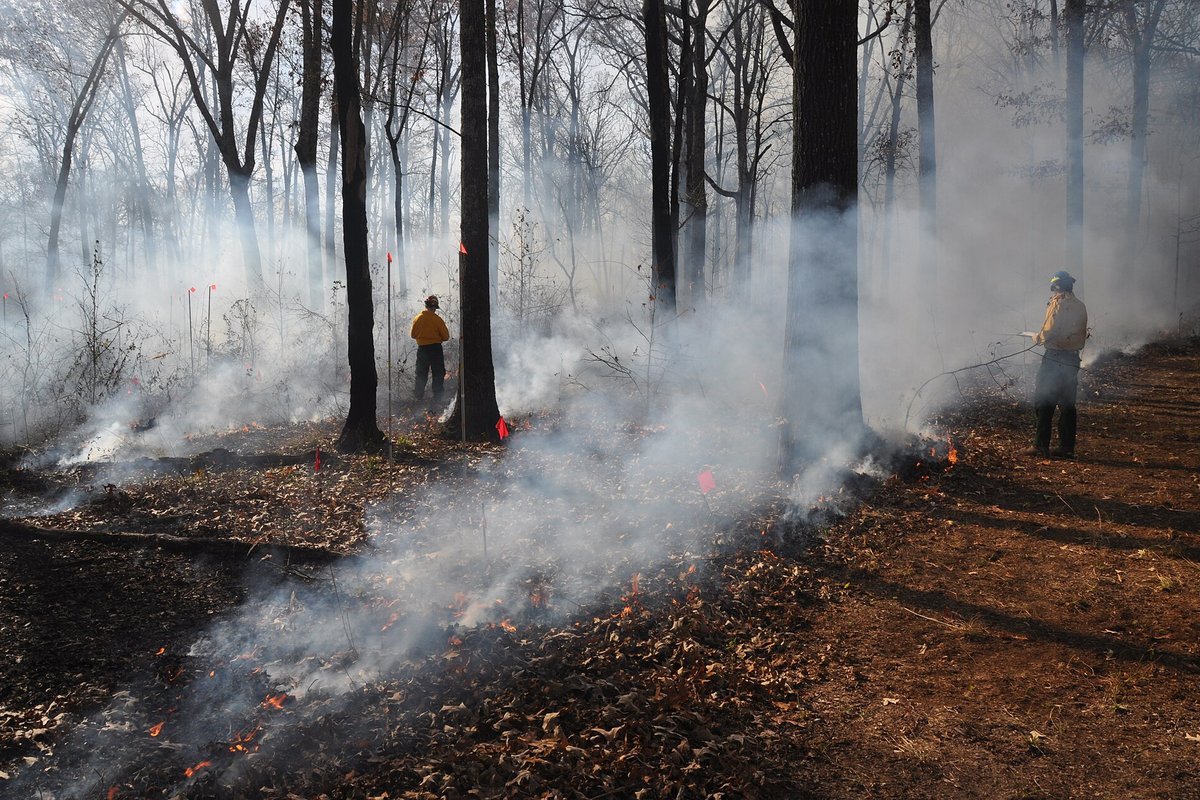
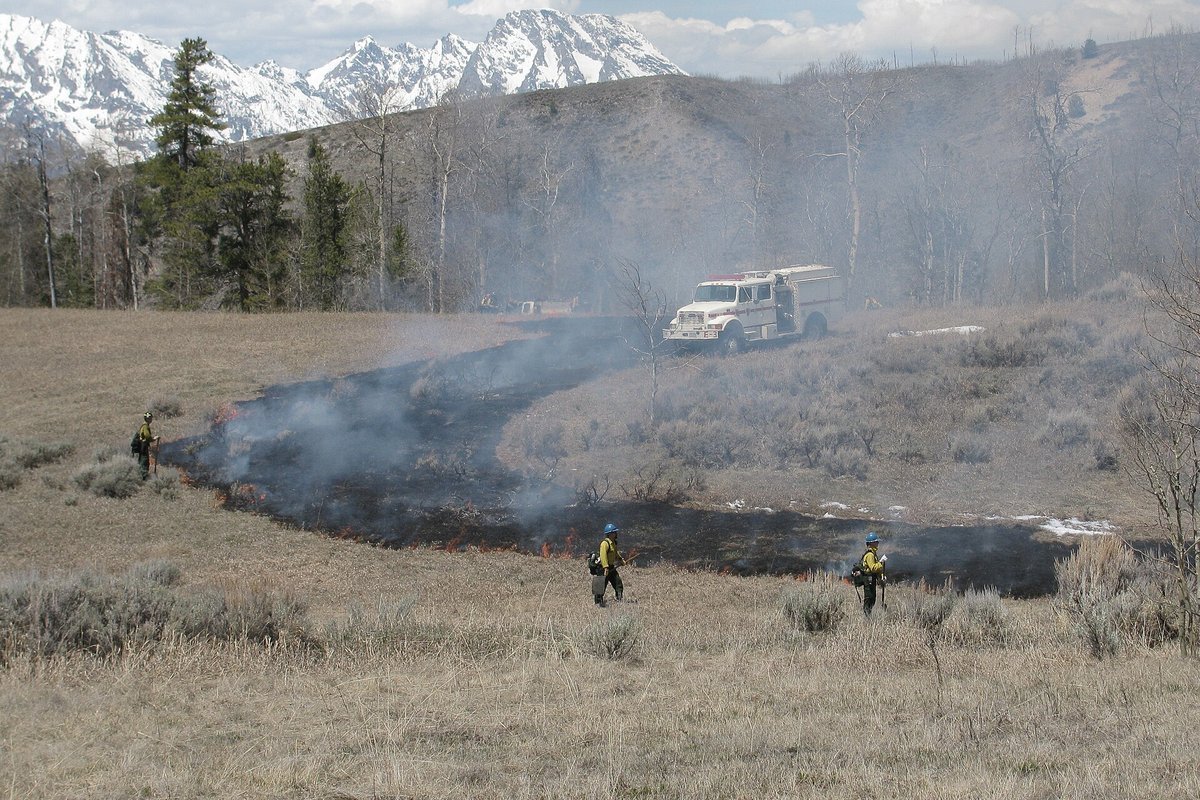
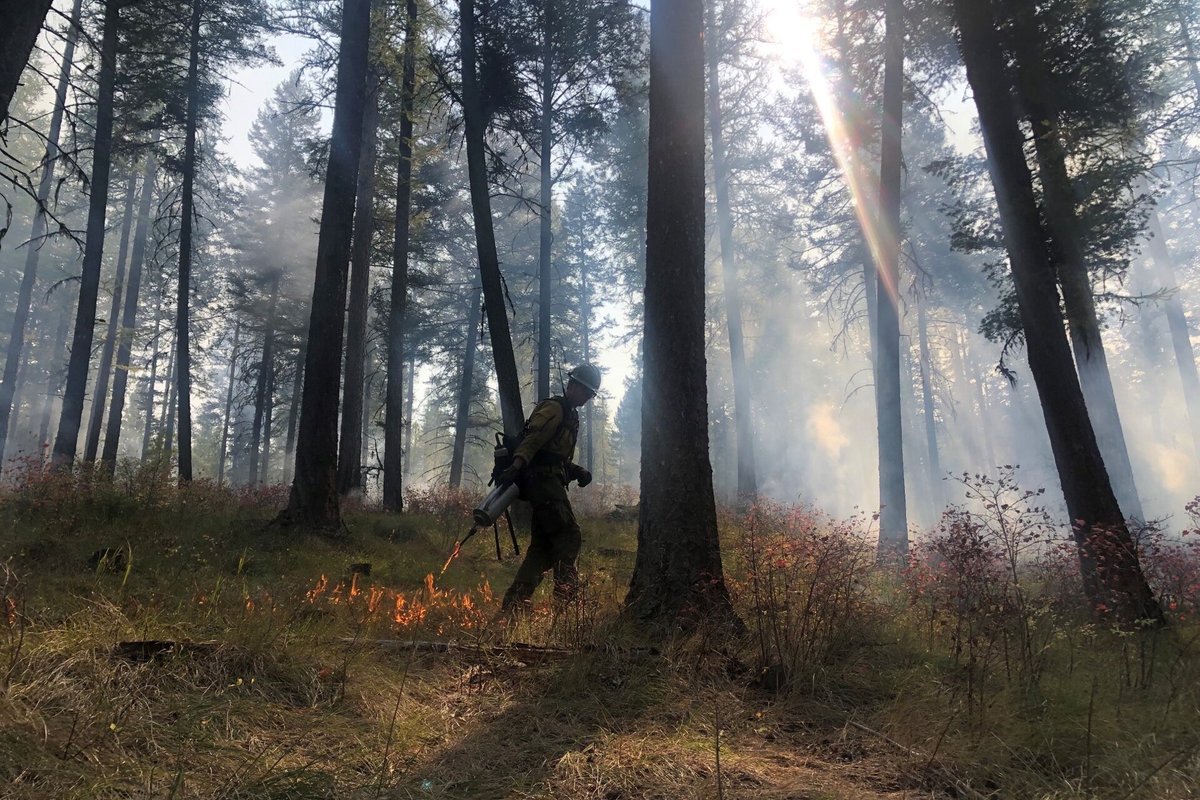
- Landscape-Scale Forest Restoration: Directing the Oregon Department of Forestry (ODF) to deploy mechanical thinning, slash mastication, and controlled prescribed burning across critical watersheds.
- Wildland-Urban Interface (WUI) Hazard Mapping: Tasking ODF and Oregon State University (OSU) with engineering a parcel-level Wildfire Hazard Map to categorize private properties by climate exposure, topography, and vegetative fuel loads.
- Structural Hardening and Defensible Space: Developing building standards and vegetation clearances to harden residential dwellings against ember storms.
However, the initial public rollout of the parcel-level hazard map triggered immediate controversy across rural Oregon. Property owners in Jackson, Josephine, Klamath, and Deschutes counties reported unexpected insurance cancellations, sharp rate increases, and administrative appeals. In response to public hearings and local municipal resolutions, the Oregon Legislative Assembly passed Senate Bill 83 in 2025, which formally repealed the requirement for a centralized statewide wildfire hazard map.
Under SB 83, the state shifted wildfire risk planning to localized Community Wildfire Protection Plans (CWPPs), municipal fire defense boards, and voluntary incentive programs. While landscape forest treatments and electric utility mitigation oversight continue under SB 762 statutory authority, parcel-level regulatory mandates have been transitioned to local jurisdictions.
| Regulatory Agency / Program | Statutory Authority | Primary Focus | Status Stage (Milestone Classification) | Verified Status (Post-SB 83) | Funding & Execution Metric |
|---|---|---|---|---|---|
| Oregon Dept. of Forestry (ODF) | SB 762 & SB 83 / ORS § 477.027 | Landscape thinning, fuel breaks & CWPP technical support | Underway / Active | Statewide hazard map repealed; shifted to local community forestry grants | $85M state landscape investment; 120,000+ forested acres treated |
| Office of State Fire Marshal (OSFM) | ORS § 476.392 | Defensible space education & rural fire brigade equipment | Underway / Active | Administers voluntary hardening grants and local defensible space assessments | $35M local brigade & hardening grants; 14,000+ rural properties assisted |
| Building Codes Division (BCD) | OAR 918-050-0110 (R327) | Wildland-Urban Interface (WUI) residential construction standards | Completed / Discretionary | Statewide map-triggered mandates unwound; standards available for local municipal adoption | Maintains R327 technical building code specifications |
| Division of Financial Regulation (DFR) | ORS § 746.015 & OAR 836-054 | Property insurance market oversight & underwriting review | Approved / Discretionary | Insurers must consider mitigation in underwriting; premium discounts are discretionary, NOT legally mandated | Requires insurers to file wildfire underwriting guidelines annually |
| Oregon FAIR Plan Association | ORS § 735.015 | Statutory property insurer of last resort | Completed / Operational | Provides basic catastrophic property coverage when private market policies are canceled or unavailable | Surplus-backed shared market facility; policy enrollment growing across rural counties |
2. Editorial Contribution: The Before-and-After Regulatory Matrix
To provide civic transparency for property owners, local governments, and insurers, the following matrix contrasts the original 2021 statutory framework with current 2025–2026 administrative law following Senate Bill 83:
| Regulatory Domain | Original Framework (SB 762, 2021) | Current Law (Post-SB 83, 2025–2026) | Practical Impact on Property Owners |
|---|---|---|---|
| Wildfire Risk Mapping | Mandated centralized statewide parcel-level risk map developed by ODF and OSU | Repealed by SB 83. Centralized map eliminated; replaced by local CWPP assessments | No state-assigned parcel risk designations on property deeds |
| Building Code Mandates (R327) | Automatic statewide requirement for properties designated high risk in the WUI | Decoupled from state map. Standards serve as an optional model code for local county/city adoption | New construction complies with local county building rules rather than state mandates |
| Defensible Space Enforcement | Statewide regulatory standards with potential civil citations for non-compliance | Voluntary, incentive-based defensible space assistance administered by OSFM | Access to state cost-share grants without punitive state parcel fines |
| Insurance Underwriting | Carriers utilized proprietary risk models without formal statutory mitigation review standards | OAR 836-054: Insurers must consider verified mitigation; discounts remain discretionary | Insurers cannot ignore hardening, but are not forced to offer specific discounts |
| Insurer of Last Resort | Oregon FAIR Plan available with standard residential limits | Oregon FAIR Plan expanded to accommodate growing uninsurable rural housing volume | Guaranteed access to basic structural coverage for mortgage compliance |
3. WUI Building Codes: Engineering Standards and Local Implementation
The structural hardening science developed under Oregon’s wildfire reforms remains central to Pacific Northwest residential engineering. Codified in Oregon Administrative Rules Chapter 918, the Building Codes Division (BCD) R327 Wildland-Urban Interface standards specify physical countermeasures against wind-blown ember storms—the primary ignition mechanism in structure-to-structure fire spread.
Following the enactment of SB 83, the automatic statewide mandate that triggered R327 compliance based on the state hazard map was repealed. Today, R327 functions as an engineered model code that county boards of commissioners and municipal building departments can formally adopt based on their local Community Wildfire Protection Plans, or that individual homeowners can implement voluntarily to qualify for state retrofit assistance. Key construction hardening measures include:
- Class A Fire-Rated Roofing Assemblies: Non-combustible architectural metal, concrete tile, or certified composition asphalt shingles that resist exterior ember ignition.
- Ember-Resistant Attic and Crawlspace Vents: Corrosion-resistant metal mesh screening with apertures no larger than one-eighth of an inch, or certified baffling assemblies engineered to block burning embers from penetrating into interior attics and floor cavities.
- Dual-Pane Tempered Glazing: Exterior windows with tempered multi-pane glass, engineered to withstand extreme radiant heat stress without shattering.
- Ignition-Resistant Cladding and Deck Assemblies: Fiber-cement siding, stucco, masonry, or treated heavy timber, combined with non-combustible decking within thirty feet of the residential perimeter.
To assist rural homeowners with older housing stock, the Oregon State Fire Marshal administers the Community Wildfire Risk Reduction Grant program. Funded through state legislative allocations, this program subsidizes the direct purchase and installation of ember-resistant vents, metal gutter guards, and perimeter gravel buffers for qualifying residents in high-risk communities such as Ashland, Sisters, and Canyonville.
4. Defensible Space Science: The Three Concentric Management Zones
Structural hardening operates hand-in-hand with vegetative fuel management. Rather than enforcing punitive statewide parcel citations, the Office of the State Fire Marshal (OSFM) and local rural fire protection districts promote science-based defensible space practices organized around three concentric buffer zones radiating outward from the primary dwelling:
Zone 0 (Immediate Non-Combustible Zone, 0 to 5 feet): The first five feet surrounding the building foundation is the most critical defense zone. Homeowners are advised to remove organic mulch, stored firewood, dry pine needles, and combustible foundation plantings, maintaining a non-combustible apron of gravel, bare soil, or concrete pavers.
Zone 1 (Lean, Clean, and Green Zone, 5 to 30 feet): This intermediate perimeter requires active fuel separation. Lawns and native groundcover should be mowed and kept hydrated, shrub clusters should be pruned with distinct horizontal separation, and tree branches must be pruned upward six to ten feet from ground level to eliminate vertical “ladder fuels” that carry surface fires into the forest canopy.
Zone 2 (Fuel Reduction Buffer, 30 to 100 feet): On larger rural parcels, the outer perimeter focuses on canopy spacing and heavy deadwood management. Property owners thin crowded tree crowns to maintain at least ten feet of horizontal crown separation, chip fallen slash, and clear dead vegetation to slow an approaching wildfire’s forward rate of spread.
5. Electric Utility Mitigation Plans (WMPs) and Grid Reliability
Electric utility infrastructure remains a vital focus of Oregon’s wildfire prevention statutes. Under ORS § 757.663, the Oregon Public Utility Commission (PUC) enforces stringent Wildfire Mitigation Plan (WMP) requirements for investor-owned utilities operating in the state, including PacifiCorp and Portland General Electric.
Utilities must submit annual mitigation filings detailing physical capital upgrades across forested distribution corridors. Major investments include:
- Conductor Hardening: Replacing bare overhead lines with covered “tree-wire” conductors to prevent sparking during tree contact.
- Fast-Tripping Protection Relays: Installing sensitive microprocessor relays that de-energize lines within milliseconds upon detecting ground faults.
- Vegetation Clearance Cycles: Expanding clearance corridors around high-voltage transmission lines traversing mountain passes.
- Public Safety Power Shutoffs (PSPS): Executing targeted, staged power de-energizations during extreme red-flag weather events, coordinated with county emergency dispatch centers to safeguard community water pumps and medical facilities.
6. Property Insurance: Underwriting Consideration vs. Rate Guarantees
Wildfire risk across the Pacific Northwest has profoundly disrupted private property insurance markets. As severe catastrophic losses mounted across Western states, national insurance carriers restricted underwriting in forested zip codes, increased premiums, and issued non-renewal notices to homeowners in wildland-adjacent settings.
To establish statutory stability and protect consumers, the Oregon Division of Financial Regulation promulgated administrative rules (OAR 836-054). Property owners should understand two critical statutory boundaries:
Mandatory Consideration of Mitigation: Property insurance companies operating in Oregon are legally required to consider verified wildfire risk mitigation actions completed by a policyholder—such as maintaining certified Zone 0 and Zone 1 defensible space, installing Class A roofing and ember-resistant vents, or participating in a recognized NFPA Firewise USA community program—when making underwriting and renewal decisions.
No Mandatory Premium Discounts: State law explicitly distinguishes between underwriting consideration and pricing mandates. Oregon law does not require insurance companies to offer rate discounts or guaranteed premium reductions for completed home hardening. Underwriting models, actuarial rate filings, and risk classifications remain within each insurer’s private business discretion, subject to statutory filing reviews by the Insurance Commissioner.
The Oregon FAIR Plan: For rural property owners unable to obtain coverage in the voluntary commercial market, the Oregon FAIR Plan Association (ORS § 735.015) operates as the state-authorized insurer of last resort. The FAIR Plan provides basic catastrophic dwelling and commercial property coverage, ensuring that homeowners can maintain mortgage compliance while implementing structural hardening retrofits.
7. Local Public Records and Verification Guide
Homeowners, local officials, and prospective property buyers can independently verify wildfire compliance and insurance filings using official state repositories:
- Insurance Underwriting Rules: Access insurer rate filings and wildfire mitigation criteria through the Oregon DFR Wildfire Insurance Portal.
- Local CWPP Plans & Grants: Review county-level community protection plans and landscape thinning projects via the Oregon Department of Forestry (ODF).
- Defensible Space Assistance: Verify local property assessment programs and hardening grants through the Office of the State Fire Marshal (OSFM).
- Building Code Standards: Consult technical specifications for R327 Wildland-Urban Interface construction via the Oregon Building Codes Division (BCD).
- Legislative Records: Track statutory text and voting records for Senate Bill 83 (2025) and Senate Bill 762 (2021) on the Oregon Legislative Information System (OLIS).
- Fair Plan Enrollment: Confirm basic catastrophic dwelling coverage criteria via the Oregon FAIR Plan Association.
Recommended In-Depth Reads
- Florida Property Insurance in 2026: Citizens, Flood Rules, and Home Hardening — An examination of statutory insurer-of-last-resort mechanisms, rate stability, and legislative hardening incentives.
- Colorado River Water Compact Renegotiations: Western Agriculture and Urban Allocations — How Western states manage climate resilience, municipal infrastructure, and regional interstate policy frameworks.