State departments of transportation across the Sun Belt and Midwest are codifying comprehensive operational frameworks for driverless Class-8 commercial freight, establishing law enforcement interaction protocols, dedicated staging hubs, and rigorous electronic telemetry standards.
Key Regulatory Takeaways & Policy Impact
- Dedicated Freight Corridors: State highway agencies have designated continuous commercial testing segments along Interstate 10, Interstate 45, and Interstate 70 with automated roadside sensor integration.
- Law Enforcement Protocols: New state regulations mandate standardized electronic pull-over interfaces and certified commercial vehicle inspector remote communication links.
- Pavement and Bridge Telematics: State engineering divisions are deploying dynamic weigh-in-motion sensors to evaluate the impact of platooned autonomous heavy freight on highway structural integrity.
The Transition to Commercial-Scale Autonomous Long-Haul Freight
Interstate Route Selection and Regulatory Frameworks
The commercial freight industry is undergoing a systemic structural transformation as state transportation commissions move from small-scale autonomous testing waivers toward permanent commercial operating authorities. Across the southern logistics corridor connecting California, Arizona, New Mexico, and Texas, Class-8 heavy-duty vehicles equipped with SAE Level 4 automated driving systems are logging thousands of revenue miles daily without on-board human safety drivers.
State departments of transportation (DOTs) have approached this technological transition with rigorous statutory conservatism. Recognizing that an 80,000-pound commercial vehicle travelling at 65 miles per hour presents unique public safety considerations, agencies have established dedicated autonomous freight corridors. These corridors prioritize divided interstate highways characterized by wide shoulders, modern geometric road designs, high-visibility thermoplastic lane striping, and robust cellular and vehicle-to-infrastructure (V2I) communication density.
Texas and Arizona have served as regulatory pioneers in this domain. Under legislative directives codified in state transportation codes, commercial developers must register autonomous fleets with state motor vehicle divisions, submit comprehensive safety self-assessment documentation, and demonstrate fail-operational redundancy across steering, braking, computing, and communications architectures.
Law Enforcement Interaction and Emergency Response Procedures
Codifying Remote Inspector Protocols and Safe-Stop Verification
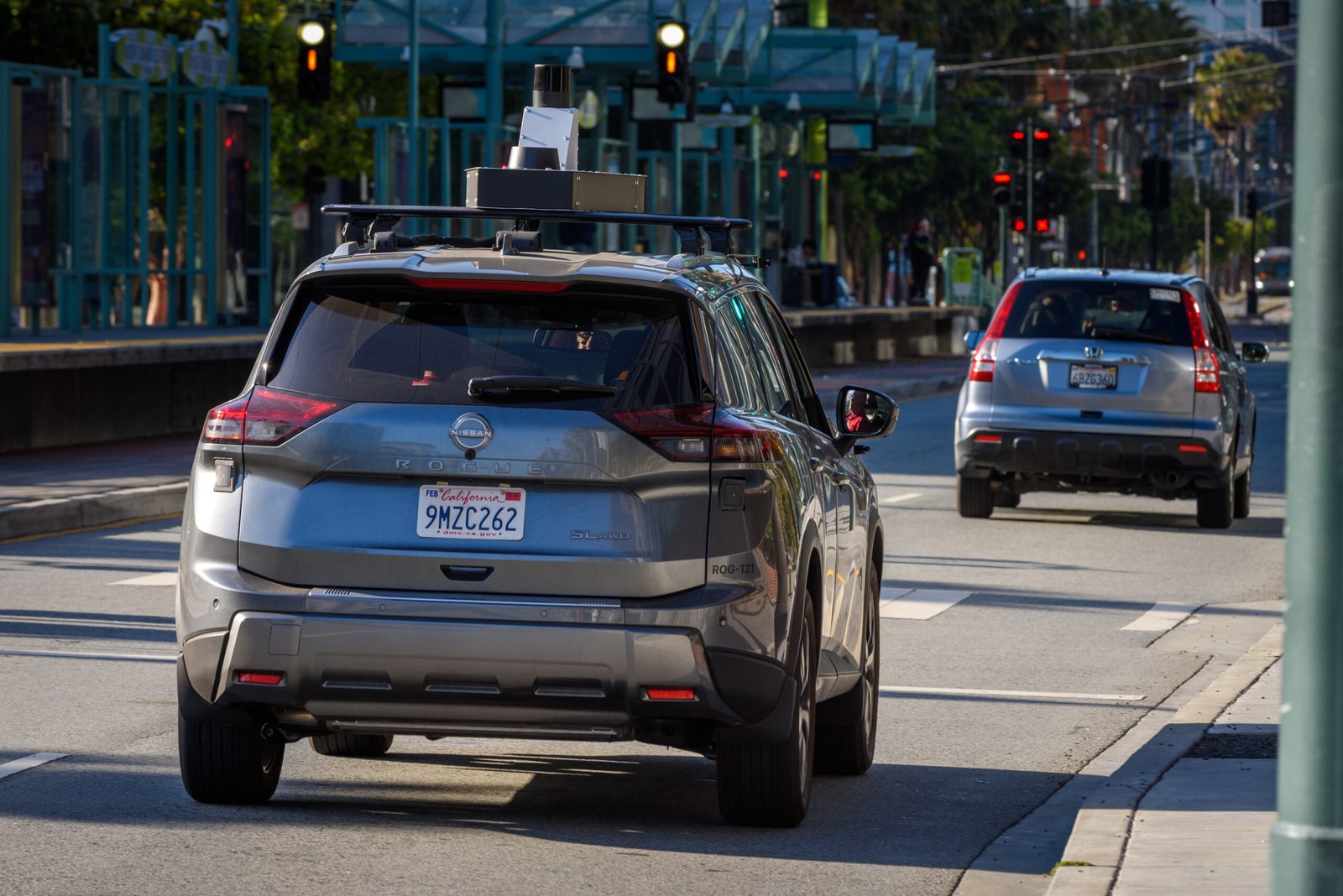
Among the most complex challenges addressed by state regulatory agencies is the real-world operational interaction between driverless commercial vehicles and local law enforcement officers, highway patrol troopers, and emergency first responders. Without a human driver behind the steering wheel, traditional traffic stops, commercial vehicle safety inspections, and accident scene management require entirely new operational protocols.
State highway patrol agencies have worked closely with commercial developers to establish the 'Commercial Vehicle Safety Alliance (CVSA) Enhanced Inspection Program.' Under this protocol, an autonomous commercial vehicle undergoes an exhaustive, documented physical inspection by a certified inspector prior to departure from a logistics terminal. The inspection data is cryptographically transmitted to state law enforcement inspection portals.
When a highway patrol officer requires an autonomous vehicle to yield—whether due to an active emergency corridor, localized weather hazard, or mechanical alert—the vehicle’s optical and acoustic sensor suite detects emergency beacons and immediately initiates a verified 'minimal risk condition.' The truck systematically signals, transitions across traffic lanes, and comes to a complete halt on the outer highway shoulder. Officers are provided a direct, encrypted digital interface and redundant physical control panels to communicate with remote operations centers.
Highway Infrastructure Telematics and Bridge Load Dynamics
Evaluating Pavement Fatigue from Automated Vehicle Platooning
Beyond software algorithms and roadside policing, state civil engineers are closely analyzing the physical impact of autonomous trucking fleets on state highway pavement and bridge structures. Autonomous vehicles execute lane-keeping maneuvers with millimeter precision, repeatedly following the exact same wheel path along highway lanes rather than wandering naturally within the lane like human drivers.
Civil engineering research sponsored by the Federal Highway Administration (FHWA) and state transportation boards indicates that this concentrated wheel-path tracking can accelerate pavement rutting and fatigue cracking along heavy freight lanes. To mitigate this structural stress, state regulatory frameworks are incentivizing autonomous software providers to incorporate randomized 'wheel wander' algorithms that mimic natural lateral distribution across the asphalt surface.
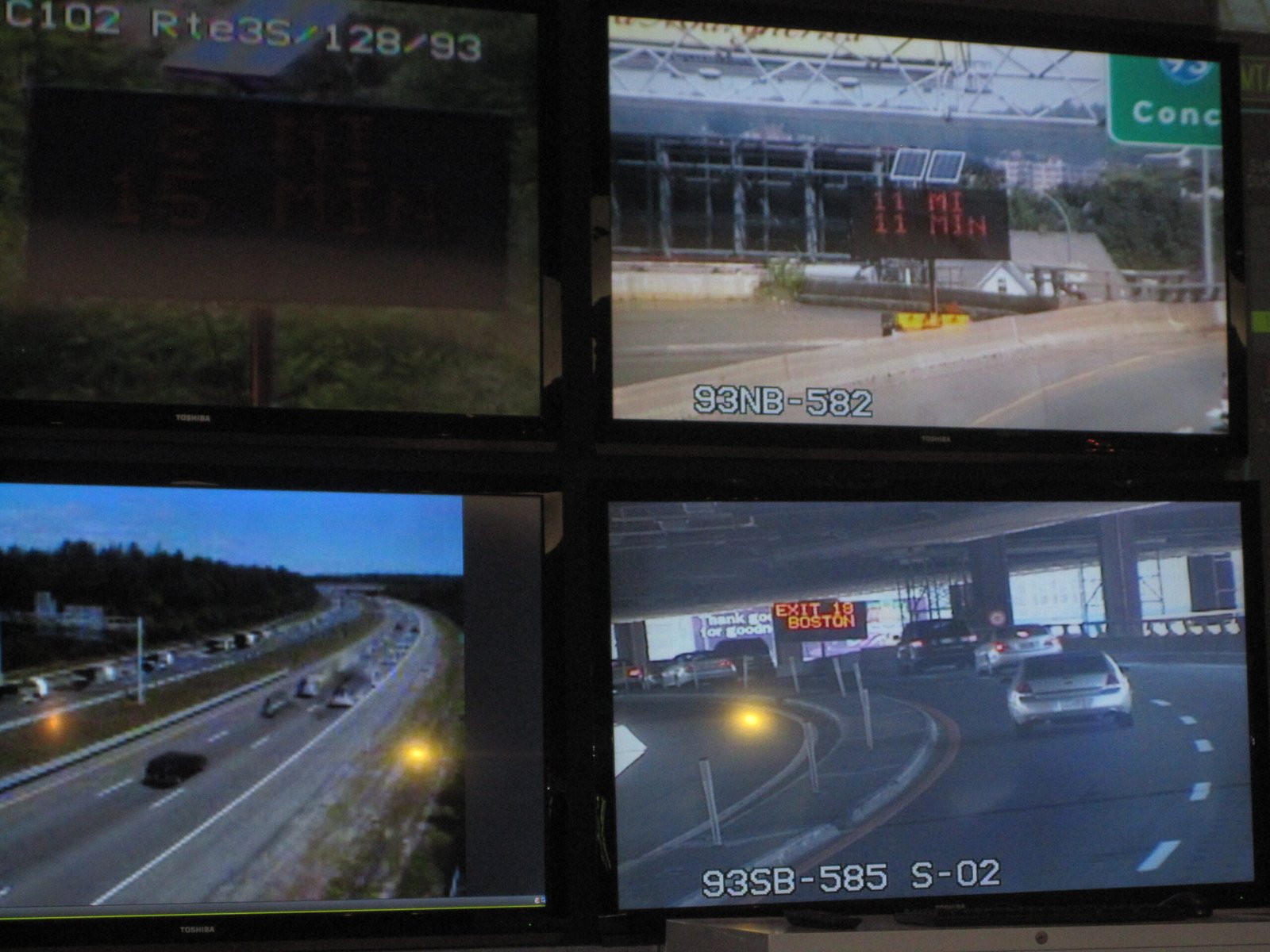
Furthermore, state bridge inspection bureaus are deploying advanced dynamic weigh-in-motion (WIM) sensor arrays embedded into bridge decks. These sensors capture axle weights, vehicle spacing, and dynamic impact factors in real time, ensuring that multi-truck platooning—where two or three autonomous vehicles travel closely together to reduce aerodynamic drag—does not exceed structural design limits on aging interstate bridge crossings.

Economic Hubs and Regional Transfer Stations
The Emerging Hub-and-Spoke Freight Ecosystem
The regulatory formalization of autonomous interstate trucking is giving rise to a distinct real estate and logistics topology: the autonomous freight transfer hub. Located strategically at the intersection of rural interstate highways and dense municipal beltways, these facilities facilitate the transfer of freight between autonomous long-haul trucks and human-driven local delivery vehicles.
In metropolitan areas such as Dallas-Fort Worth, Phoenix, and Indianapolis, municipal zoning boards have collaborated with state economic development councils to establish designated freight transfer terminals. Long-haul autonomous tractors drop trailers at secure interchange yards, where human drivers in day-cab trucks take over for the complex, pedestrian-dense final-mile delivery to warehouses, retail distribution centers, and commercial docks.
This hub-and-spoke model aligns technological capabilities with public safety realities. State workforce development boards are simultaneously investing in retraining initiatives, partnering with community colleges to prepare commercial drivers for advanced logistics dispatching, fleet telematics management, and heavy-vehicle sensor maintenance careers.
Verified Public Records & Statutory Citations
This investigative monograph was compiled through primary document review of state regulatory dockets, agency filings, and legislative committee hearing transcripts. Primary statutory references include Federal Energy Regulatory Commission (FERC) and state public service commission dockets, Department of Transportation (DOT) commercial testing authorizations, and National Telecommunications and Information Administration (NTIA) broadband deployment milestones.