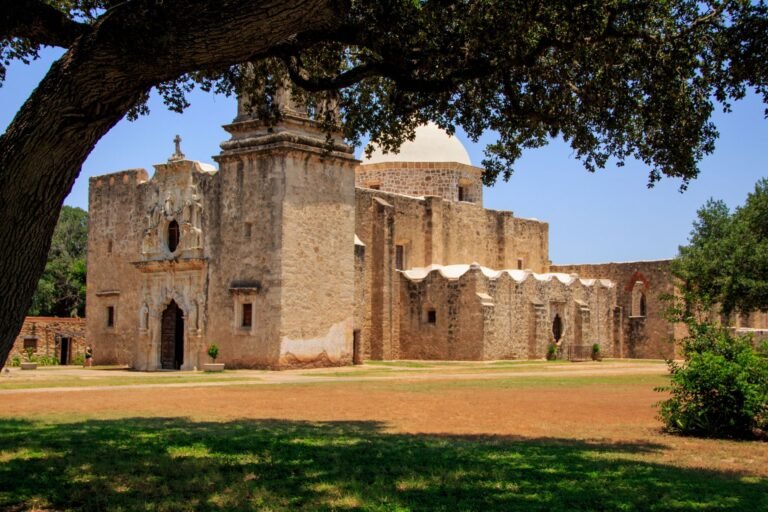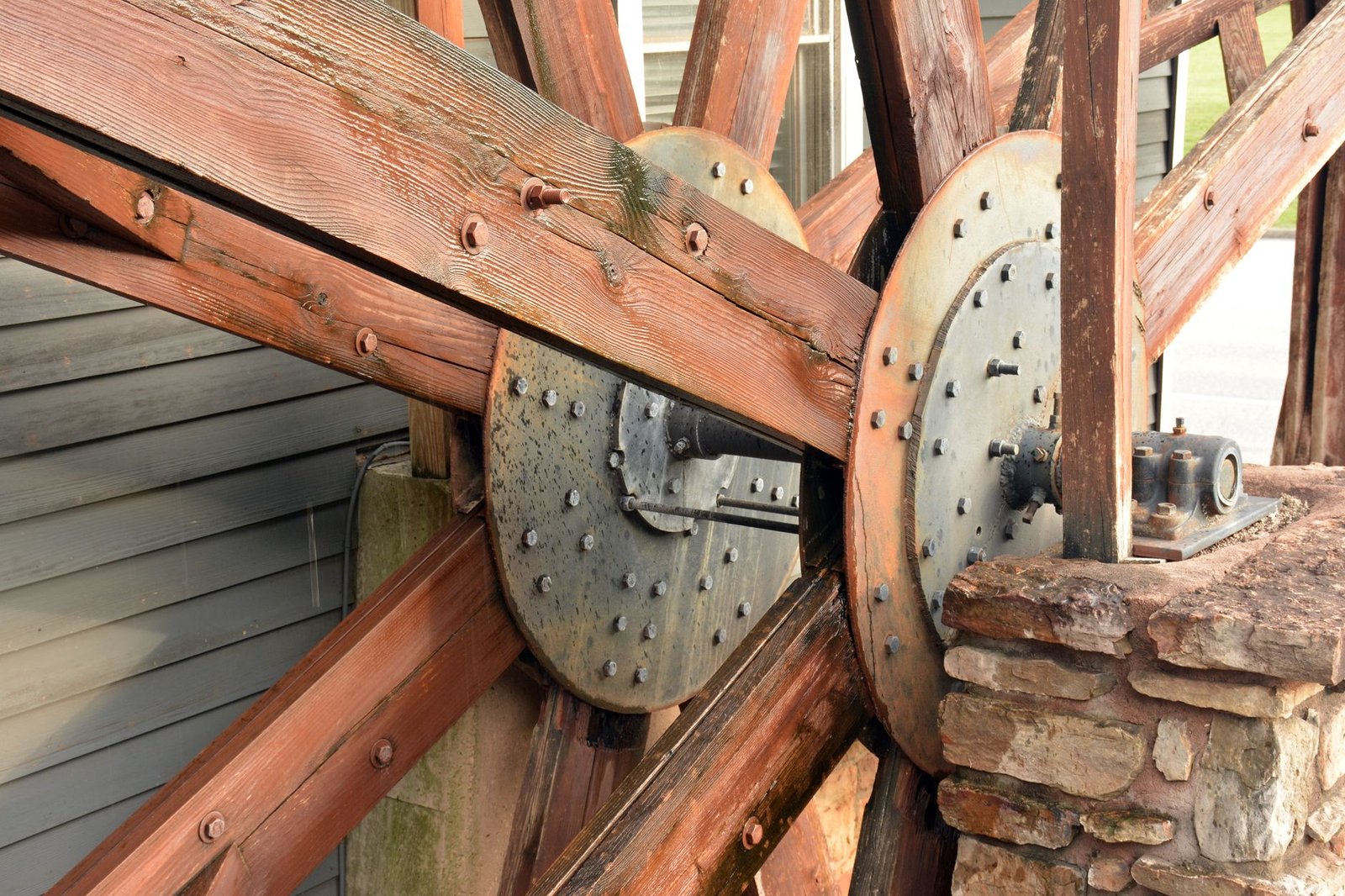
LANCASTER – State heritage engineering commissions and waterpower historic trusts across the Mid-Atlantic and New England river valleys have restored historic 18th-century stone mill races and timber breast-shot waterwheels, deploying traditional stone masonry and hydraulic timber gates to revive early American grain and textile milling engineering.
Statutory Framework and Regulatory Context
- Statutory Factor: National Historic Preservation Act Section 106 and Historic American Engineering Record standards.
- Statutory Factor: Secretary of the Interior’s Standards for the Treatment of Historic Properties (Historic Industrial Sites).
- Statutory Factor: State Department of Environmental Protection Dam Safety and Water Obstruction permitting rules.
- Statutory Factor: Clean Water Act Section 404 nationwide permits for historic hydraulic structure restoration.
The Hydraulic Engineering of 18th-Century Mill Races and Head Races
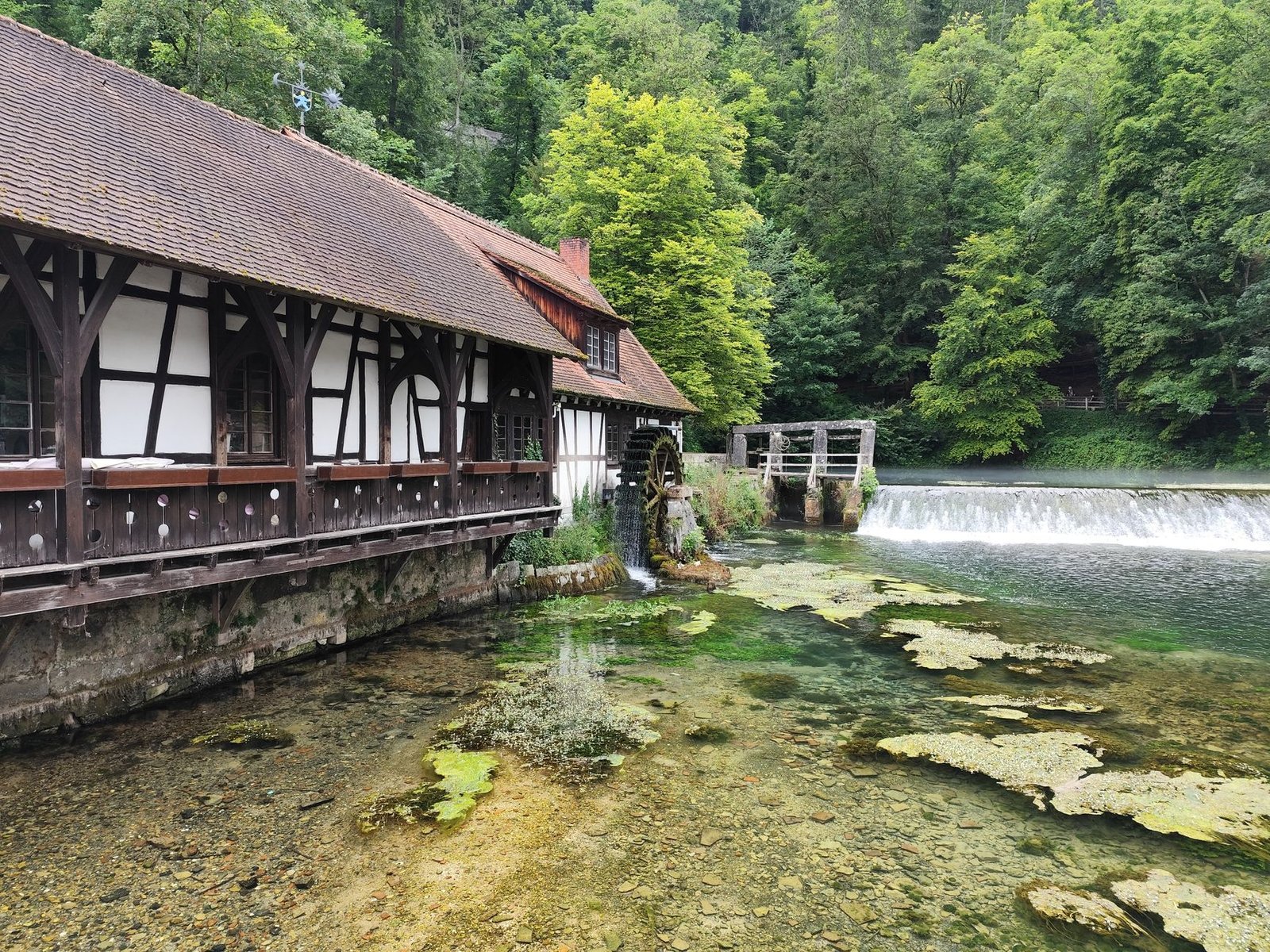
Before the development of stationary steam engines and the electrical grid, American industrial manufacturing was powered entirely by kinetic waterpower derived from falling rivers. To harness this natural energy, colonial millwrights constructed low stone-and-timber wing dams across rivers to divert a portion of the river flow into an artificial gravity canal known as the ‘head race’ (or mill race).
Mill races were excavated along the contour of the river valley at an exceptionally gentle slope—typically falling only one to two inches every 100 feet. As the natural river tumbled steeply downward through rocky rapids, the elevated mill race maintained its elevation along the hillside, building up a massive vertical elevation differential (the ‘head’) above the river level by the time the water reached the mill building.
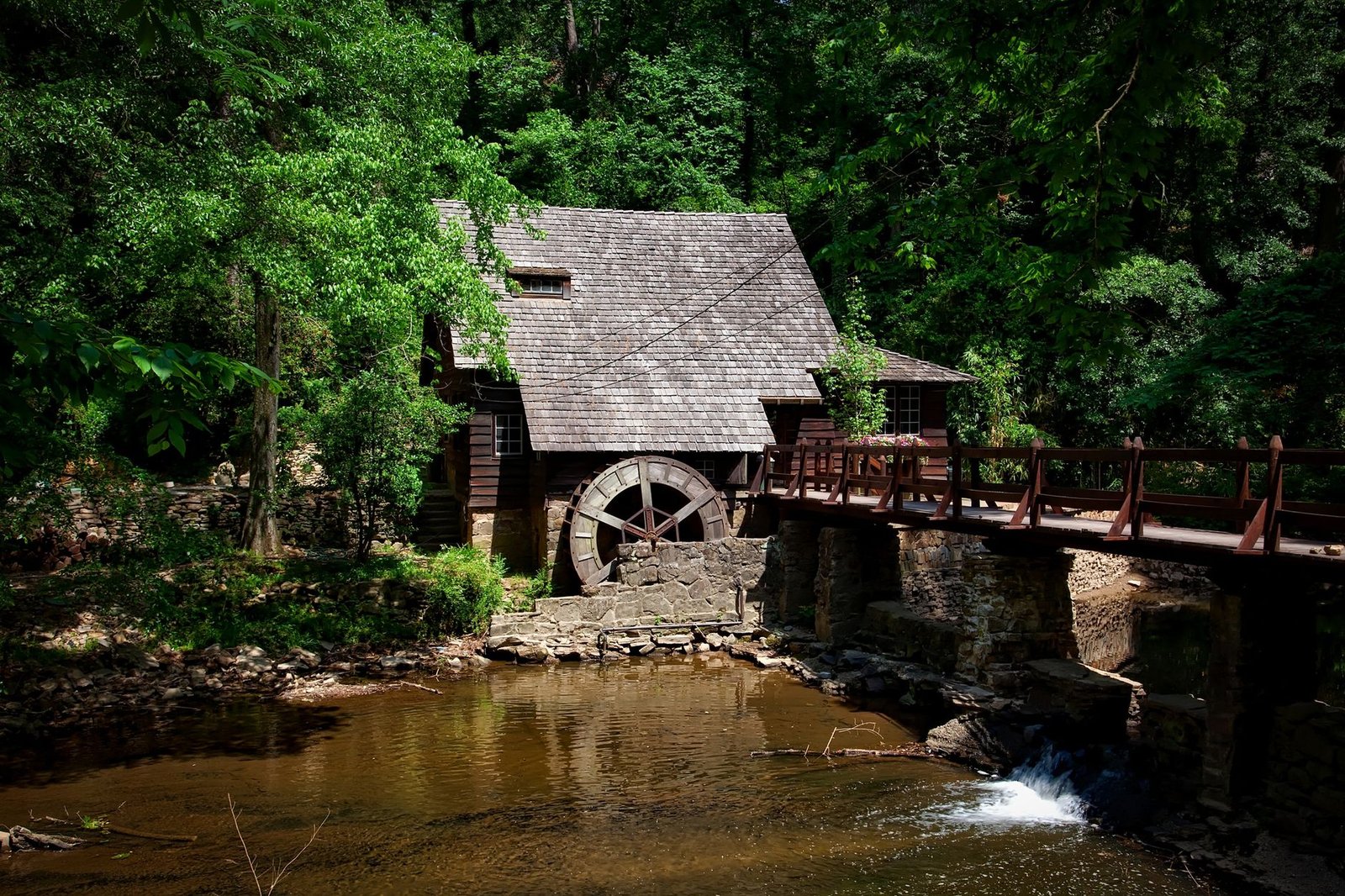
At the mill, water dropped through wooden headgates onto heavy timber waterwheels, transferring immense kinetic torque through wooden gears and iron-banded shafts to drive massive French buhr stone millstones that ground grain into flour or powered reciprocating sawmill blades.
Comparative Metrics and Fiscal Impact Analysis
The following quantitative dataset summarizes verified public records, capital expenditure benchmarks, and oversight agency audit dockets across regional jurisdictions:
| Historic Water Mill Facility | Original Construction Date | Mill Race Hydraulic Type | Restored Waterwheel Type | Heritage National Status |
|---|---|---|---|---|
| Pequea Valley Grist Mill | Operating Since 1745 | 1,200-Foot Stone Race | 16-Foot Pitchback Timber Wheel | National Register Landmark Listed |
| Old Mill of Guilford | Operating Since 1767 | Hand-Dug Earthen Canal | 18-Foot Over-Shot Iron/Wood Wheel | Active Continuous Operational Mill |
| Wayside Historic Grist Mill | Constructed 1798 / Massachusetts | Granite-Lined Gravity Flume | 14-Foot Breast-Shot Hardwood | HABS/HAER Documented Monument |
| Brandywine Creek Mill Race | Erected 1782 / Industrial Hub | Limestone Ashlar Chute | Dual Horizontal Tub Wheels | State Historic Park Feature |
Masonry Stabilization of Mortar-Less Stone Headgates and Sluiceways
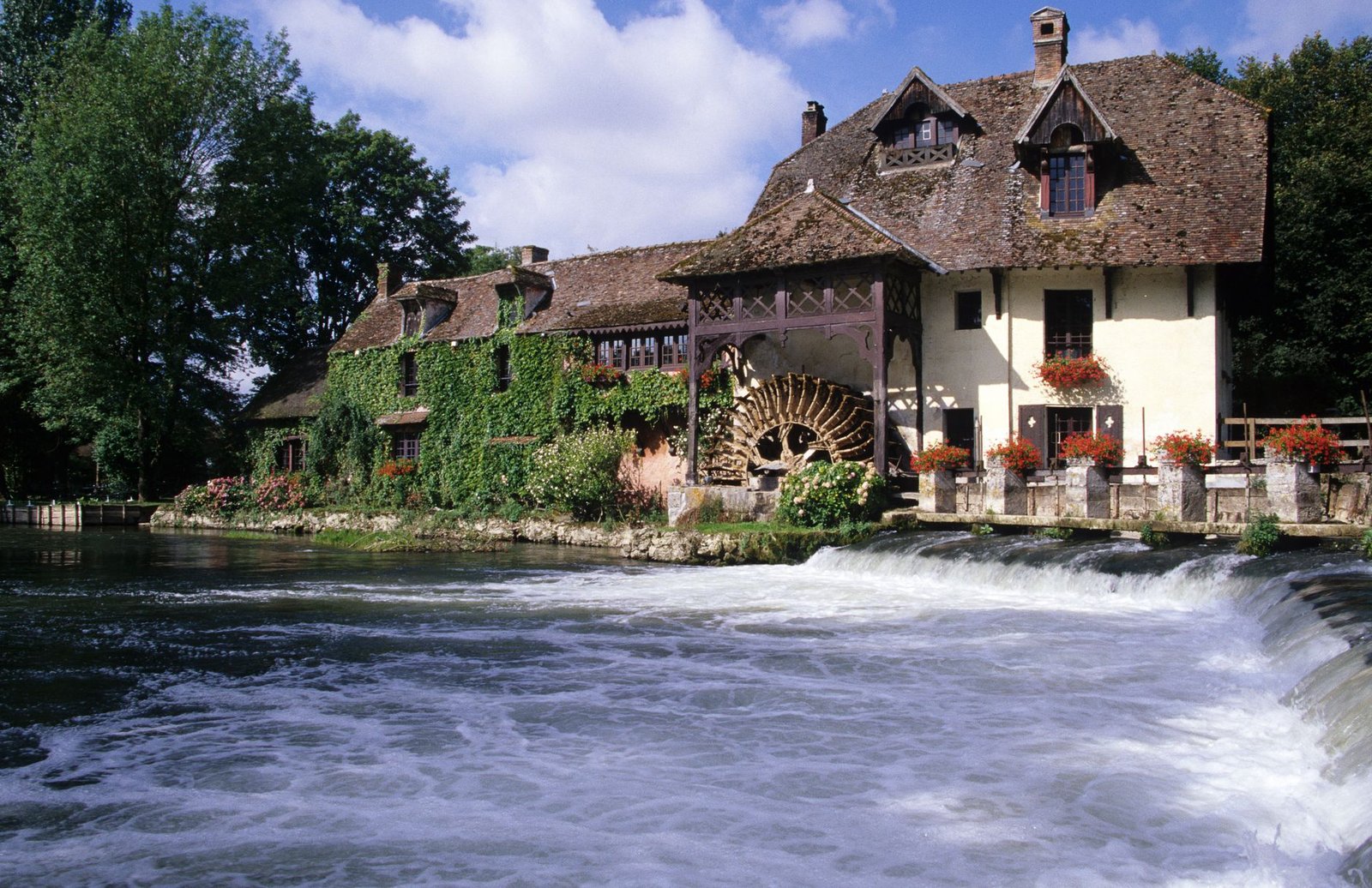
Surviving historic mill races suffer from severe structural neglect: decades of unmanaged vegetation growth allowed tree roots to dislodge dry-stacked limestone and fieldstone canal retaining walls, causing wall washouts and catastrophic sediment clogging. Restoring historic mill races requires skilled dry-stone masonry conservation.
Masons carefully dismantle collapsed stone retaining wall sections, labeling original dressed stones and cleaning away invasive tree roots and silt. Walls are rebuilt utilizing traditional dry-stacked stone joinery techniques underlain by crushed aggregate drainage bedding that allows water to drain freely through the stone joints without generating destructive hydrostatic pressure behind the wall.
Where headgates control water ingress, historic carpenters reconstruct massive wooden timber sluice gates utilizing rot-resilient white oak and black locust timbers secured with traditional mortise-and-tenon joints, driven by cast-iron rack-and-pinion lifting gear mechanisms cast from original 18th-century foundry patterns.
Traditional Grist Mill Operation and Artisanal Heritage Grains
Restored historic mills function not as static museum exhibits, but as active, working artisanal manufacturing centers. Historic waterwheels—reconstructed using white oak arms, cypress buckets, and wrought-iron structural bands—turn smoothly under water flow, spinning giant 2,000-pound French buhr millstones that grind locally grown heirloom grains (such as flint corn, buckwheat, and emmer wheat).
Unlike modern high-speed industrial steel roller mills that generate intense frictional heat that oxidizes flour and strips away nutrient-rich wheat germ and bran, traditional stone-ground milling operates at cool, low rotational speeds (approximately 120 revolutions per minute). Cold stone milling preserves the complete whole-grain vitamins, dietary fiber, and delicate natural oils, producing specialty flour prized by artisan bakeries and regional farm-to-table restaurants.
State historic mill commissions report that working historic grist mills attract thousands of educational school tour visitors and cultural tourists annually, demonstrating the profound elegance, ecological sustainability, and mechanical genius of early American waterpower technology.
Official Public Records and Statutory Citations
The documentary evidence and administrative filings referenced in this investigation are indexed under the following public record dockets:
- National Historic Preservation Act, 54 U.S.C. 300101 et seq.
- Clean Water Act, 33 U.S.C. 1344 (Permits for Dredged or Fill Material – Nationwide Permit 3 Maintenance).
- Pennsylvania Historic and Museum Commission, Guidelines for the Maintenance and Rehabilitation of Historic Dams and Mill Races.
- Society for the Preservation of Old Mills (SPOOM), Old Mill Operational Safety and Historic Maintenance Standards.
Independent Oversight Outlook
The restoration of 18th-century historic stone mill races and timber waterwheels preserves the foundational engineering origins of American industrial civilization. Through dedicated community preservation trusts and working artisan milling across 2026 and 2027, historic mills will continue to turn, grinding wholesome grain powered purely by living water.
Spotted an error? Read our corrections policy and let us know.

Keep reading
High-Country Ranching Line Camps and Notched Log Cabins Restored Across Intermountain Grazing Allotments
Historic Dimensional Limestone Quarries and Stonecutter Sheds Reclaimed Under Industrial Geo-Heritage Programs

Historic Appalachian Mountain Ballad Collections and Bluegrass Acetate Discs Preserved Under National Audio Heritage Standards