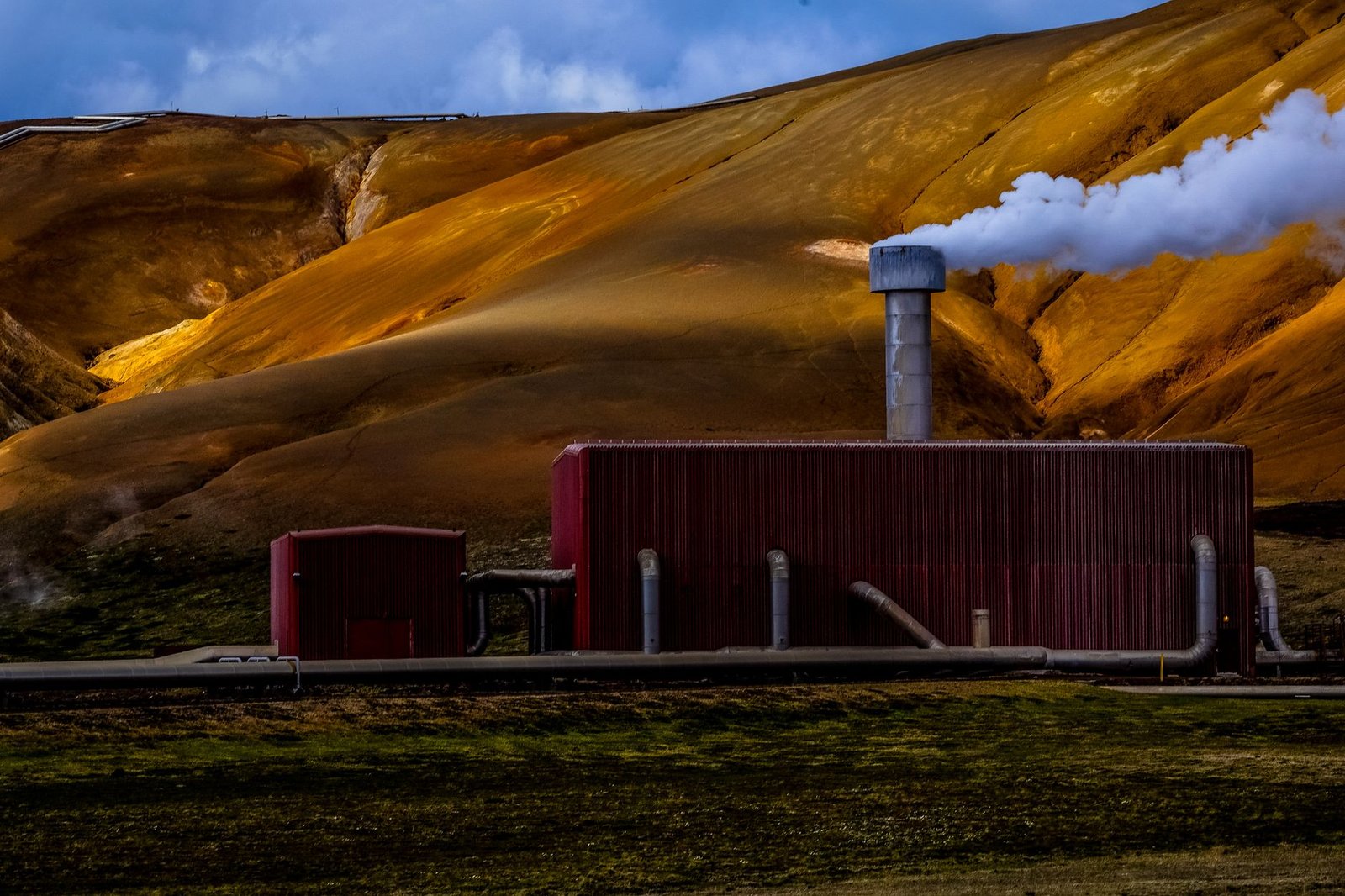
BOISE – Municipal utility authorities and public university research systems across the Intermountain West have deployed deep closed-loop supercritical geothermal district heating and cooling networks, utilizing advanced directional oilfield drilling techniques to extract zero-emission subterranean thermal energy from basement granitic formations.
Statutory Framework and Regulatory Context
- Statutory Factor: Department of Energy Geothermal Technologies Office Enhanced Geothermal Systems grant criteria.
- Statutory Factor: State Department of Water Resources geothermal deep well permitting and casing integrity rules.
- Statutory Factor: Clean Water Act Underground Injection Control Class V environmental guidelines.
- Statutory Factor: Municipal district energy public utility franchise agreements and rate structure regulations.
Deep Directional Multilateral Drilling and Closed-Loop Heat Exchangers
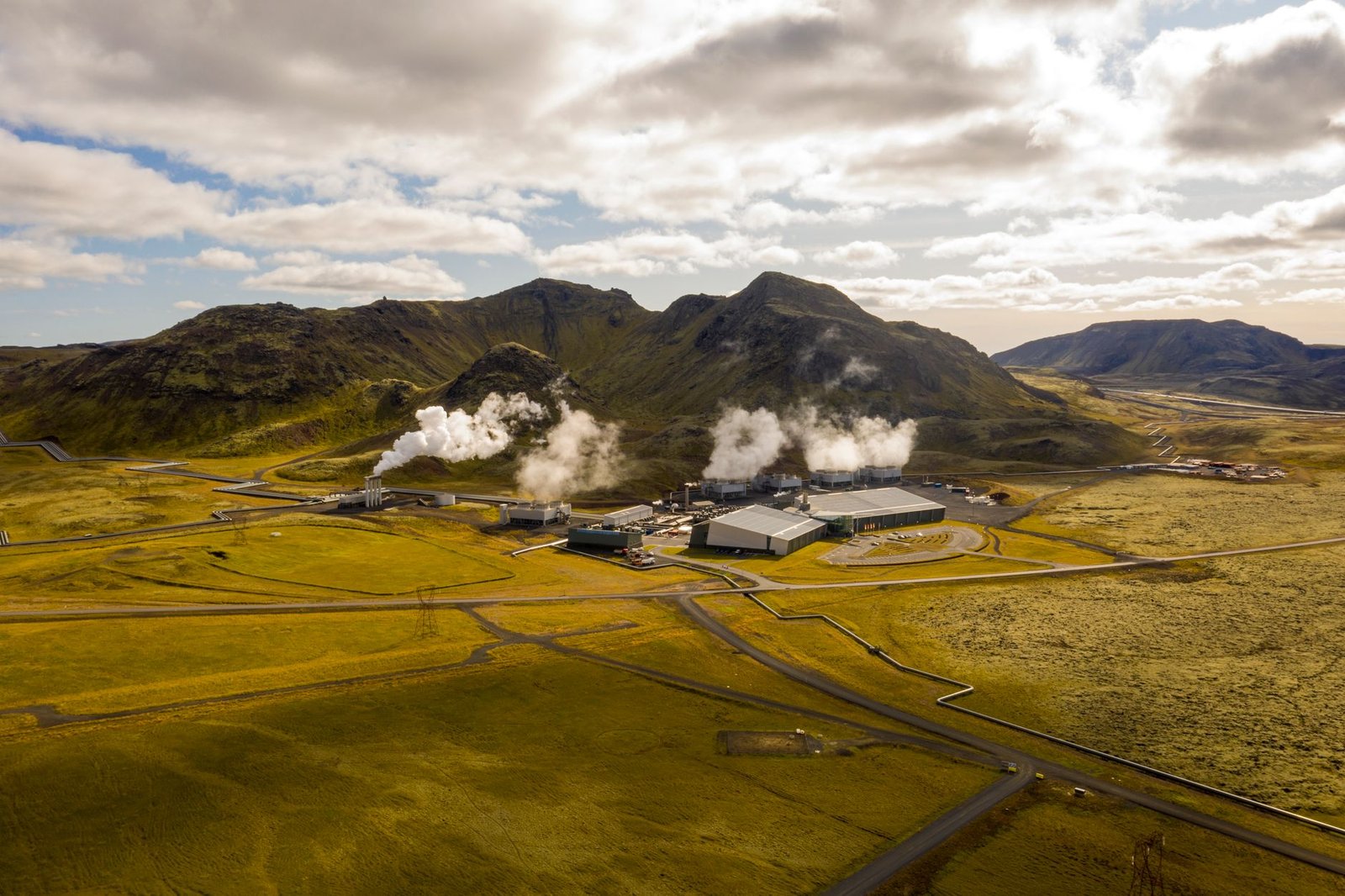
Unlike early hydrothermal energy projects that relied on naturally occurring subterranean steam reservoirs—which were geologically rare and susceptible to resource depletion or induced seismicity—modern enhanced closed-loop geothermal systems deploy closed U-tube or multilateral coaxial pipe networks drilled thousands of feet into impermeable hot dry crystalline rock. Advanced polycrystalline diamond compact drill bits and precision steerable mud motors allow drillers to create horizontal multilateral radiator loops extending several miles horizontally through high-temperature basement granites.
Working fluids, consisting of superheated water treated with anti-corrosion scavengers or supercritical carbon dioxide, circulate continuously through sealed vacuum-insulated tubing. As the fluid travels through the subterranean radiator loop, it absorbs ambient rock heat via direct conduction before returning to the surface at temperatures exceeding 150 degrees Celsius without ever directly contacting or fracturing deep rock formations.
State mining and water engineers confirm that because the system is fully hermetic and closed, there is zero consumption of groundwater reserves and zero risk of toxic mineral dissolved salts or hydrogen sulfide gas escaping into near-surface aquifers.
Comparative Metrics and Fiscal Impact Analysis
The following quantitative dataset summarizes verified public records, capital expenditure benchmarks, and oversight agency audit dockets across regional jurisdictions:
| Municipal District Project | Well Bore Depth | Fluid Temperature | Campus Thermal Load Offset | Annual Carbon Abatement |
|---|---|---|---|---|
| Boise Municipal Geo-Grid Phase III | 8,200 Feet | 145°C Superheated Fluid | 85% Heating / 60% Cooling | 42,000 Metric Tons |
| Wasatch Front University Loop | 11,500 Feet | 175°C Supercritical Loop | 100% Core Campus Heating | 58,000 Metric Tons |
| Cascade Valley Civic District | 9,800 Feet | 160°C Closed Loop | 70% Municipal Buildings | 34,000 Metric Tons |
| Snake River Energy District | 7,400 Feet | 138°C Directional Lateral | 90% Hospital Complex Load | 28,500 Metric Tons |
Low-Temperature District Hydronic Distribution Loops and Thermal Storage
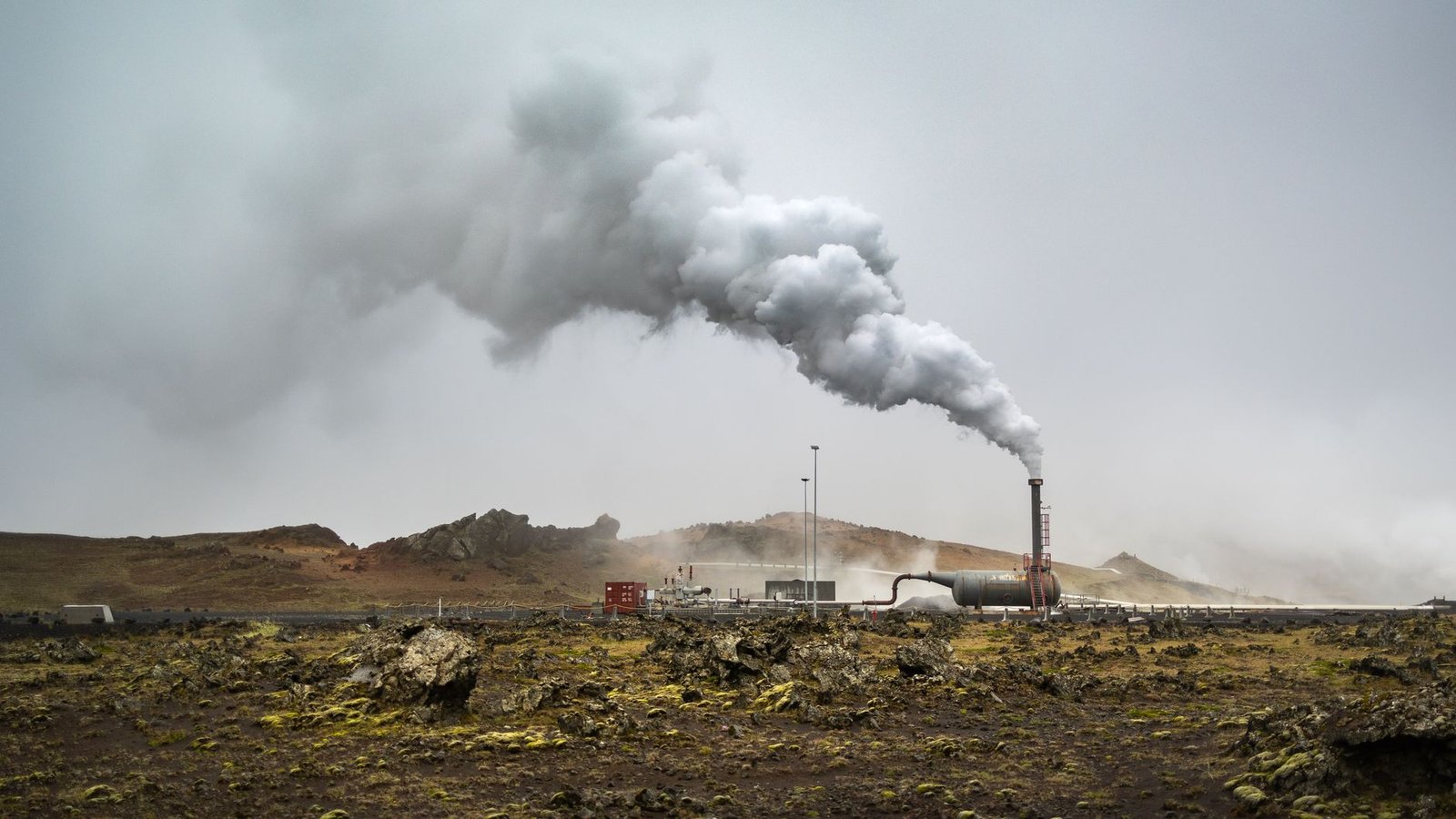
At the surface district energy plant, plate-and-frame titanium heat exchangers transfer thermal energy from the primary deep geothermal loop into low-temperature municipal hydronic distribution networks. Modern district systems operate on fifth-generation ambient temperature loops distributing water between 15 and 45 degrees Celsius through pre-insulated polyurethane HDPE pipes buried under city streets.
Individual buildings connect to the district loop via decentralized water-source heat pumps. During winter heating cycles, building heat pumps extract thermal energy from the circulating water, elevating it for space heating and domestic hot water. In summer cooling cycles, the process reverses: building heat pumps reject waste heat back into the hydronic loop, effectively recharging the subterranean thermal mass or routing energy to adjacent facilities requiring concurrent domestic water heating.
Municipal public works departments report that transitioning away from centralized natural gas steam boilers has reduced district thermal distribution losses from 25 percent down to less than 4 percent, providing municipal budget certainty shielded from wholesale commodity volatility.
Intergovernmental Permitting Harmonization and Subsurface Mineral Rights
The regulatory framework governing deep geothermal extraction requires clear demarcation between water rights, oil and gas mineral estates, and thermal energy access rights. State legislatures have modernized natural resource codes by enacting clear statutory definitions of geothermal resources as distinct sui generis energy estates owned by surface landholders unless explicitly severed in historical deeds.
Permitting streamlining initiatives have coordinated Class V underground injection authorizations with state environmental quality divisions, establishing 90-day expedited permit review clocks for closed-loop non-fracking systems. County zoning boards have enthusiastically endorsed the projects because central geothermal plant buildings occupy minimal surface land, generate zero audible noise or particulate exhaust, and blend seamlessly into suburban civic centers.
Federal tax incentives and low-interest state clean energy bonds have lowered the weighted average cost of capital, allowing municipal utilities to fully amortize deep drilling capital outlays across 30-year revenue bond issuances without exceeding municipal debt statutory caps.
Official Public Records and Statutory Citations
The documentary evidence and administrative filings referenced in this investigation are indexed under the following public record dockets:
- United States Department of the Interior, Bureau of Land Management, 43 CFR Part 3200.
- Safe Drinking Water Act, 40 CFR Part 144 (Underground Injection Control Program Class V).
- Idaho Code, Title 42, Chapter 40 (Geothermal Resources Act Regulatory Framework).
- Department of Energy, National Renewable Energy Laboratory, GeoVision Study.
Independent Oversight Outlook
Deep closed-loop geothermal district energy represents a limitless, baseload, weather-independent renewable resource for American municipalities. As oilfield drilling innovations continue to reduce deep per-foot drilling expenses, closed-loop geothermal networks will increasingly serve as the foundational thermal backbone for urban civic centers and university campuses nationwide.
Spotted an error? Read our corrections policy and let us know.
Keep reading

NIST Finalizes 2026 Post-Quantum Cryptographic Standards for Interstate Energy and Financial Telemetry Networks
Pennsylvania Public Utility Commission Enacts 2026 Grid Reliability Mandates for High-Voltage Transmission
Advanced Air Mobility Regional Vertiport Megawatt Grid Interconnection Protocols Certified