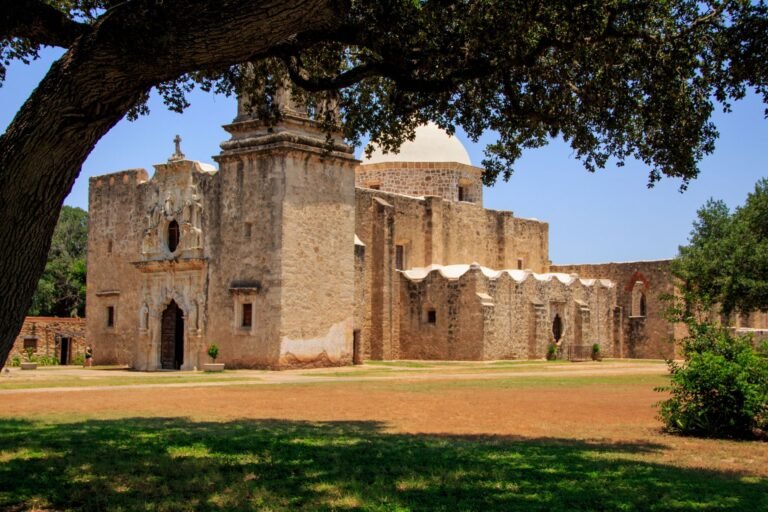
LAFAYETTE – The Council for the Development of French in Louisiana (CODOFIL) and state university folklore archives have deployed statewide linguistic preservation and sound recording initiatives across the bayous of the Atchafalaya Basin, digitizing vanishing oral histories and securing state immersion funding to revitalize Louisiana Cajun French and Creole languages.
Statutory Framework and Regulatory Context
- Statutory Factor: Louisiana Revised Statutes, Title 25, Chapter 7 (Council for the Development of French in Louisiana).
- Statutory Factor: National Endowment for the Humanities (NEH) Humanities Collections and Reference Resources grants.
- Statutory Factor: State Department of Education dual-language French immersion school accreditation mandates.
- Statutory Factor: UNESCO Convention for the Safeguarding of the Intangible Cultural Heritage guidelines.

The Historic Tragedy of Forced Linguistic Assimilation
Following the tragic 1755 Grand Dérangement (the forced British expulsion of French Acadian settlers from Nova Scotia), Acadians sought refuge in the isolated bayous and prairies of south Louisiana, where their language blended with African, Native American, Spanish, and Anglo influences to form rich, distinct linguistic dialects known as Louisiana French (Cajun French) and Kouri-Vini (Louisiana Creole). For generations, French remained the primary mother tongue of daily commerce, music, storytelling, and family life across South Louisiana.
However, in 1921, the Louisiana State Constitution enacted a disastrous mandatory English-only clause in public education, legally banning the French language from public school classrooms. For over half a century, generations of Cajun and Creole schoolchildren were physically punished, beaten, and humiliated by teachers for speaking their ancestral mother tongue on school grounds, branding the language with unjust social shame.
This state-sponsored linguicide resulted in a catastrophic intergenerational break: parents ceased speaking French to their children to spare them from school harassment, causing the percentage of fluent French speakers to collapse from over 80 percent in 1930 to under 7 percent by the early 2000s.
Comparative Metrics and Fiscal Impact Analysis
The following quantitative dataset summarizes verified public records, capital expenditure benchmarks, and oversight agency audit dockets across regional jurisdictions:
| Bayou Cultural Parish | Primary Linguistic Tradition | Elder Oral Histories Recorded | Dual-Immersion School Enrollment | State Cultural Archive Hub |
|---|---|---|---|---|
| Lafayette Parish Cultural Basin | Louisiana Cajun French | 480 Master Audio Recordings | 3,400 K-12 Immersion Students | Center for Louisiana Studies |
| St. Martin Parish Atchafalaya | Kouri-Vini (Louisiana Creole) | 340 Traditional Storyteller Tapes | 1,850 Bilingual Students | Acadian Cultural Heritage Vault |
| Vermilion Parish Marshland | Prairie Cajun & Maritime French | 290 Elder Fisherman Oral Audios | 1,420 Dual-Language Pupils | Bayou Vermilion Heritage Trust |
| Iberia Parish Sugarcane Belt | Creole & Afro-French Dialect | 260 Living History Archives | 1,200 Immersion Enrollees | State University Folklore Vault |
Digital Audio Ethnography and Open-Access Archival Preservation
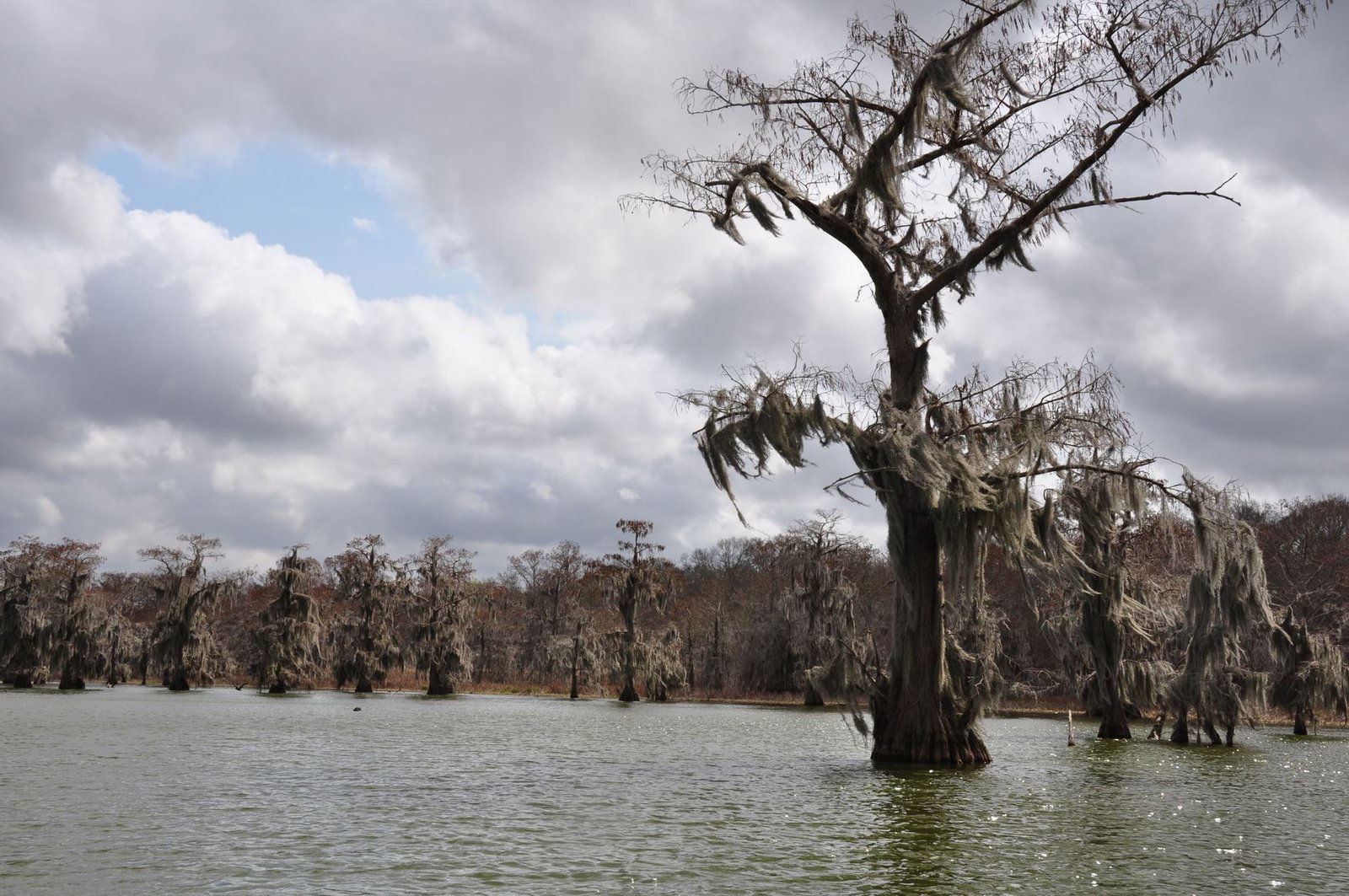
To rescue vanishing linguistic heritage before the last generation of native elder speakers passes away, university folklorists and native-speaking ethnographers have launched comprehensive oral history recording expeditions throughout the Atchafalaya Basin. Armed with high-fidelity 96kHz/24-bit digital field recorders, teams travel to remote bayou fishing docks, sugarcane farmsteads, and dance halls.
Linguists record thousands of hours of unscripted conversations with elder fishermen, trappers, and traditional cooks, capturing unique localized idiomatic vocabularies, nautical boatbuilding terms, indigenous medicinal plant knowledge, and ancient French folk tales (contes) that were preserved purely through oral memory without written manuscripts.
All audio recordings are linguistically transcribed, phonetically tagged utilizing the International Phonetic Alphabet (IPA), and deposited into open-access cloud archives managed by the Library of Congress and state university libraries, providing linguists worldwide with invaluable primary research data.
Dual-Language Immersion Classrooms and Cultural Renaissance
The ultimate goal of Louisiana linguistic preservation is not merely preserving voices in museum audio archives; it is creating a vibrant new generation of fluent living speakers. The Council for the Development of French in Louisiana (CODOFIL) administers thriving dual-language French immersion programs across 35 public elementary and secondary schools in south Louisiana.
In immersion classrooms, young students receive 60 to 80 percent of their daily academic instruction—including mathematics, science, and social studies—entirely in French, taught by certified international associate teachers and native Louisiana educators. Standardized testing data demonstrates that immersion students consistently outperform monolingual English peers in reading comprehension, mathematical reasoning, and cross-cultural cognitive flexibility.
Cajun and Creole cultural leaders celebrate the resurgence of traditional French and Creole songwriting among young musicians, proving that language revitalization transforms historical trauma into cultural pride and economic tourism vitality across the Bayou State.
Official Public Records and Statutory Citations
The documentary evidence and administrative filings referenced in this investigation are indexed under the following public record dockets:
- Louisiana Revised Statutes, Title 25, Section 651 et seq. (Council for the Development of French in Louisiana).
- Act 409 of the 1968 Louisiana Legislature (Authorizing French Instruction in Public Schools).
- National Endowment for the Humanities, Humanities Collections and Reference Resources Guidelines.
- UNESCO, Intangible Cultural Heritage Operational Directives for the Safeguarding of Living Heritage.
Independent Oversight Outlook
The preservation and revival of Louisiana Cajun French and Creole linguistic heritage marks an inspiring victory of cultural resilience over forced assimilation. Through statewide immersion education and digital oral history archiving across 2026 and 2027, the rich voices of the bayou will continue to echo across Louisiana for generations to come.
Spotted an error? Read our corrections policy and let us know.
Keep reading
High-Country Ranching Line Camps and Notched Log Cabins Restored Across Intermountain Grazing Allotments

Historic Dimensional Limestone Quarries and Stonecutter Sheds Reclaimed Under Industrial Geo-Heritage Programs

Historic Appalachian Mountain Ballad Collections and Bluegrass Acetate Discs Preserved Under National Audio Heritage Standards