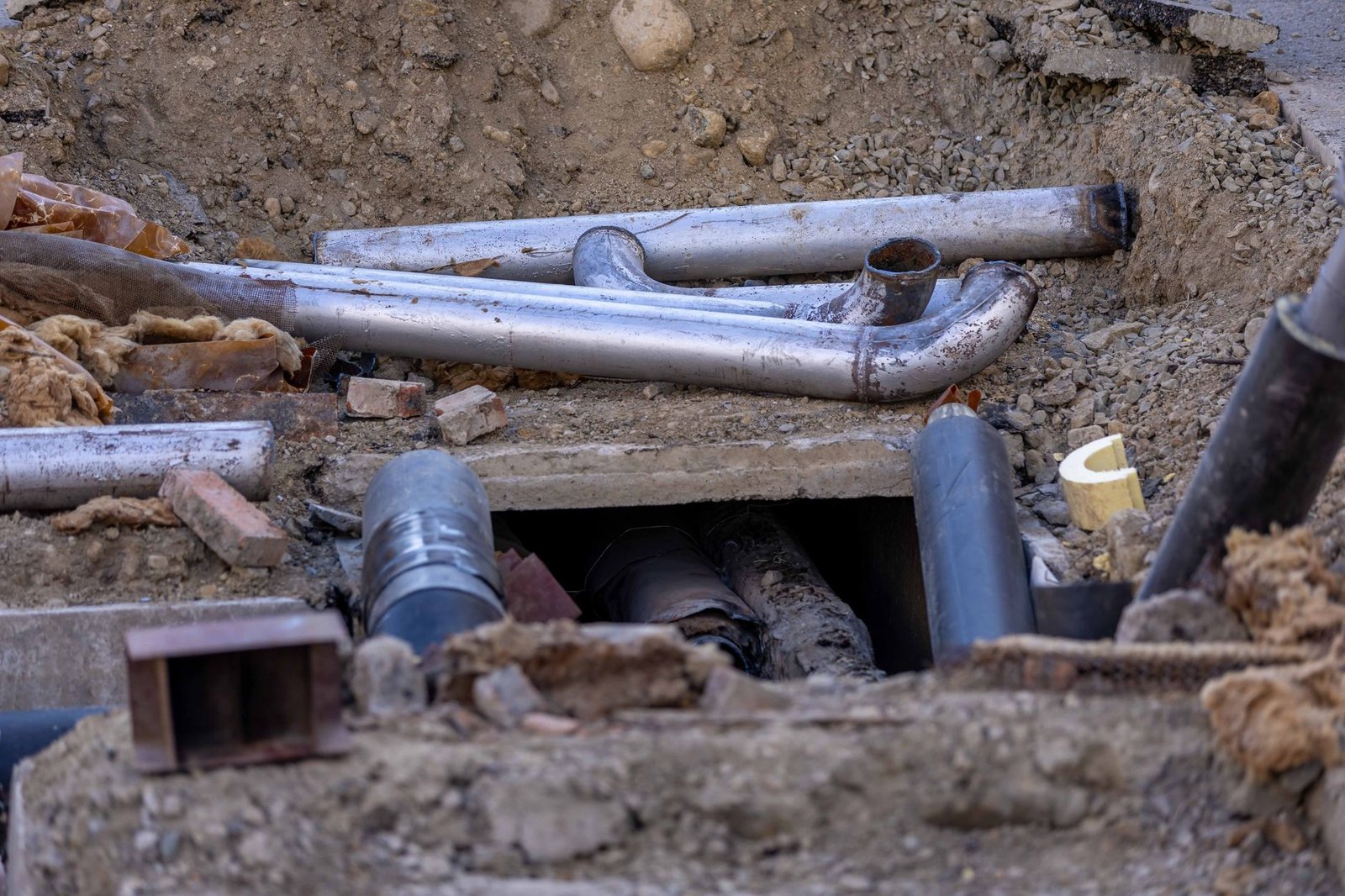
MILWAUKEE – Municipal water departments across older industrial cities have initiated full-scale physical replacements of legacy lead service lines under the EPA’s Lead and Copper Rule Improvements (LCRI), deploying horizontal directional boring to replace both utility-owned and customer-side lead pipes with continuous seamless copper loops.
Statutory Framework and Regulatory Context
- Statutory Factor: Safe Drinking Water Act Lead and Copper Rule Improvements (LCRI, 40 CFR Part 141, Subpart I).
- Statutory Factor: Mandatory 100% full lead service line replacement timelines within 10 years.
- Statutory Factor: Strict prohibition against hazardous ‘partial’ lead pipe replacements.
- Statutory Factor: State Drinking Water Revolving Loan Fund lead remediation principal forgiveness grants.
The Hazard of Partial Lead Replacements and Galvanized Line Corrosion
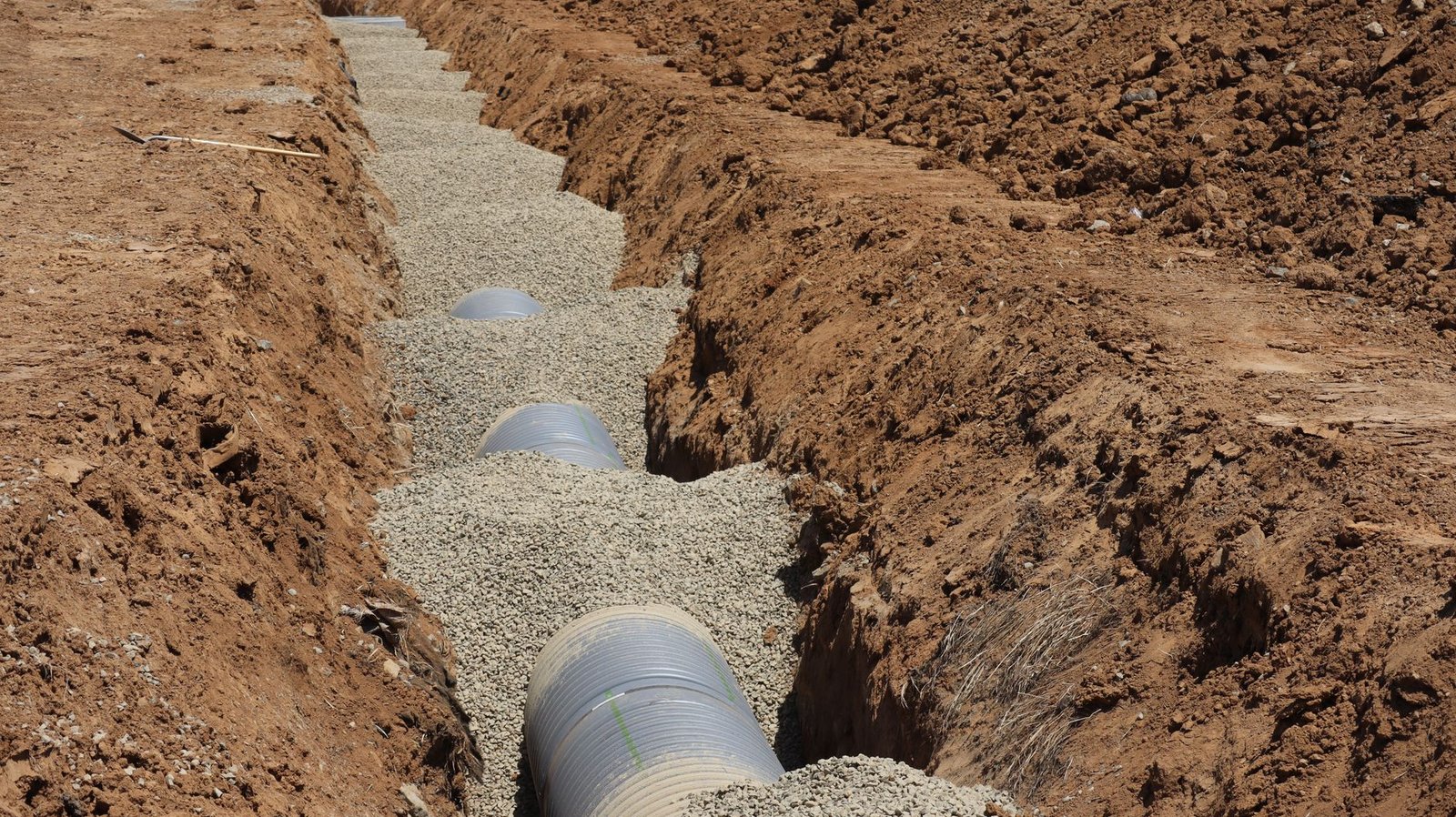
Historic municipal lead abatement efforts frequently committed a disastrous public health error known as ‘partial lead service line replacement’: the water utility replaced its portion of the lead pipe from the street water main to the curb stop valve with modern copper, but left the private customer-owned lead pipe connecting the curb stop to the home’s basement meter intact. Connecting a new copper pipe directly to an old lead pipe created a galvanic corrosion cell—accelerating lead galvanic leaching and causing catastrophic spikes in tap water lead concentrations that poisoned residential children.
The EPA’s Lead and Copper Rule Improvements legally ban partial replacements, mandating that water systems replace the entire service line—from the water main under the street directly through the home’s basement wall to the water meter—in a single continuous operation. Furthermore, the rule classifies galvanized iron pipes that were downstream of historic lead pipes as ‘Galvanized Requiring Replacement’ (GRR), recognizing that rough galvanized surfaces adsorbed decades of toxic lead particles that continue to detach into drinking water.
Municipal water departments utilize historical water meter installation cards, vacuum excavation potholing, and machine learning predictive models to build publicly accessible, parcel-level digital lead service line inventories.
Comparative Metrics and Fiscal Impact Analysis
The following quantitative dataset summarizes verified public records, capital expenditure benchmarks, and oversight agency audit dockets across regional jurisdictions:
| Municipal Water Authority | Total Known Lead Loops | Annual Replacement Pace | Bore Trenching Technology | Customer Side Financing |
|---|---|---|---|---|
| Milwaukee Water Works | 65,000 Known Lines | 6,500 Full Loops / Year | Directional Pneumatic Mole | 100% Fully Subsidized by Utility |
| Pittsburgh Water & Sewer Authority | 42,000 Service Lines | 4,800 Replacements / Year | Horizontal Directional Drill | Zero Property Owner Cost |
| Cleveland Division of Water | 54,000 Lead Connections | 5,200 Loops Annually | Continuous Copper Pull | State SRF Principal Forgiveness |
| Providence Water Supply Board | 28,000 Service Loops | 3,200 Full Replacements | Trenchless Vacuum Pave Cut | Municipal Bond Supported |
Trenchless Directional Boring and Hydro-Excavation Innovations
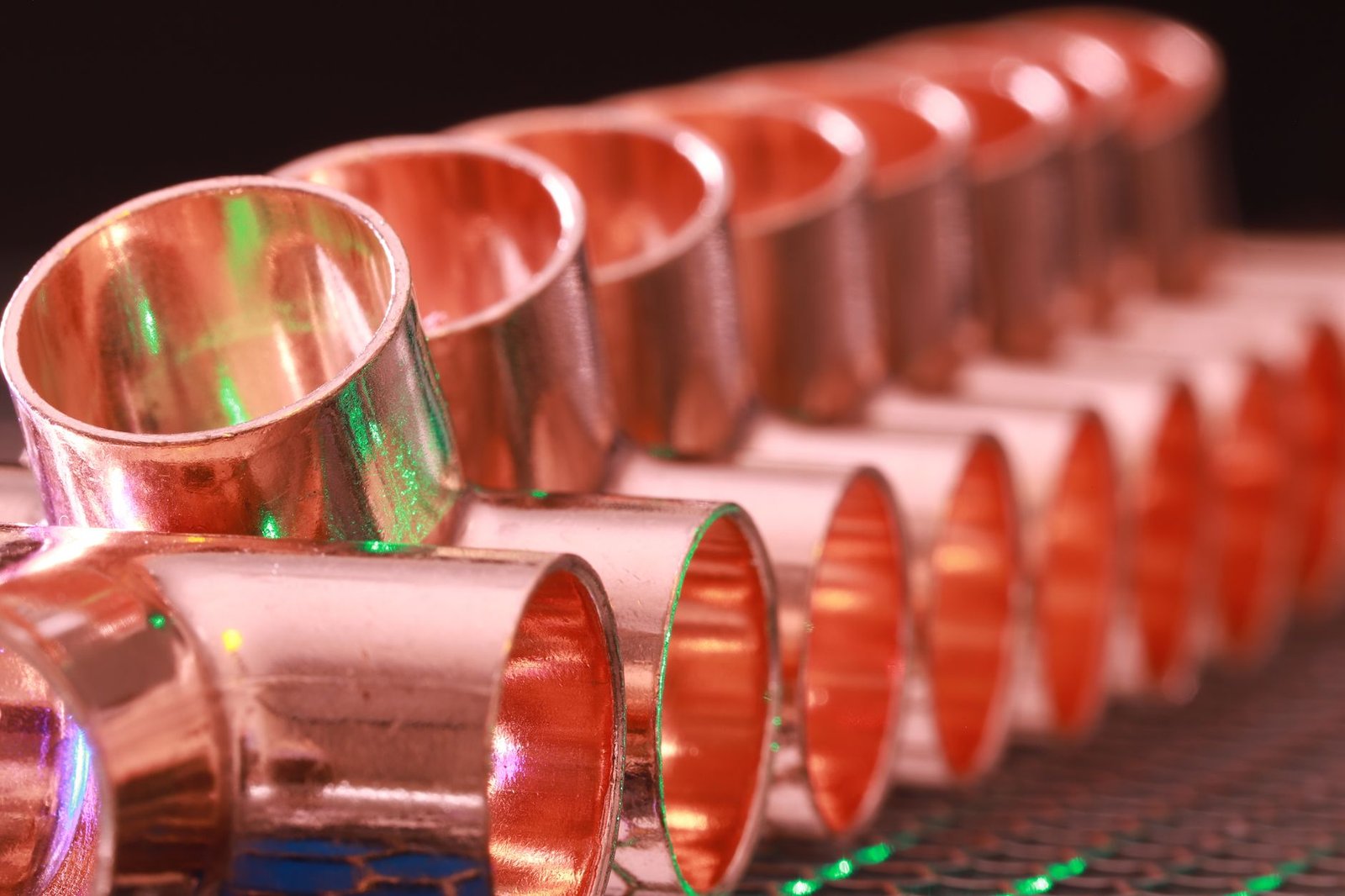
Digging open trenches across hundreds of thousands of residential front yards, sidewalks, and paved urban streets would cause massive traffic disruption, destroy mature shade trees, and cost tens of billions of dollars. Modern replacement operations deploy advanced trenchless construction techniques, primarily horizontal directional drilling (HDD) and pneumatic piercing tools (‘moles’).
Crews excavate two small access pits: one at the curb stop and one inside the basement near the water meter. A pneumatic mole drives a continuous pilot bore through the subsoil along the exact path of the old pipe, simultaneously pulling a continuous, seamless Type K copper tube behind it without disturbing surface lawns, concrete driveways, or landscaping.
In clay soils, crews utilize cable-pulling extraction rigs that thread a high-tensile steel aircraft cable through the interior of the old lead pipe. Hydraulic pullers exert 15 tons of tensile force, extracting the crushed lead pipe through the foundation while simultaneously drawing the new copper line into the resulting void, completing full replacements in under four hours.
Equitable Financing and Private Property Access Ordinances
A primary historical obstacle to replacing private-side lead service lines was legal access and cost: utilities historically lacked constitutional authority to spend public utility funds on private residential property, and low-income homeowners could not afford the $5,000 to $8,000 expense to replace their private service loops. Consequently, affluent neighborhoods replaced their lead pipes while disadvantaged minority neighborhoods remained poisoned by lead.
State legislatures have resolved this structural inequality by enacting statutes explicitly declaring private lead service lines public health nuisances, authorizing municipal utilities to use state infrastructure grants and ratepayer funds to cover 100 percent of private-side replacement costs. City councils have enacted mandatory property access ordinances, requiring rental property owners to grant utilities access to replace lead pipes or face municipal citations.
Public health pediatricians emphasize that replacing lead service lines produces permanent cognitive and neurological benefits for urban children, permanently closing the environmental divide in American cities.
Official Public Records and Statutory Citations
The documentary evidence and administrative filings referenced in this investigation are indexed under the following public record dockets:
- United States Environmental Protection Agency, 40 CFR Part 141, Subpart I (Lead and Copper Rule Improvements, Final Rule 2024).
- Safe Drinking Water Act, 42 U.S.C. 300j-19b (Voluntary School and Child Care Program Lead Testing and Reduction).
- Wisconsin Statutes, Section 66.0821 (Municipal Sewer and Water Service Financing Authorities).
- American Water Works Association, Standard C800-21, Underground Service Line Valves and Fittings.
Independent Oversight Outlook
The nationwide campaign to eradicate lead service lines represents an epochal public health triumph. Through dedicated federal funding and trenchless civil engineering innovations across 2026 and 2027, American cities will permanently eliminate lead from municipal drinking water infrastructure.
Spotted an error? Read our corrections policy and let us know.

Keep reading

Urban Stream Daylighting Projects Remove Concrete Culverts to Restore Natural Fluvial Geomorphology

FEMA Hazard Mitigation Assistance Buyouts Transform Repetitive Loss Floodplains into Natural Greenways

Vadose Zone Suction Lysimeters and Groundwater Protection Plans Enacted for Confined Animal Feeding Operations