CHICAGO – The Federal Railroad Administration, in collaboration with Class I transcontinental freight carriers, has finalized safety certification rules for continuous autonomous track inspection systems, mounting high-speed laser profilometry and ultrasonic crack detection arrays directly onto revenue freight locomotives to monitor track geometry at mainline cruising speeds.
Statutory Framework and Regulatory Context
- Statutory Factor: Federal Railroad Safety Act of 1970, as amended (49 U.S.C. 20103).
- Statutory Factor: Federal Railroad Administration Track Safety Standards (49 CFR Part 213, Subpart G).
- Statutory Factor: FRA Autonomous Track Geometry Measurement System (ATGMS) safety waiver protocols.
- Statutory Factor: Surface Transportation Board common carrier infrastructure maintenance oversight.
Under-Carriage Laser Triangulation and Dynamic Gauge Measurement
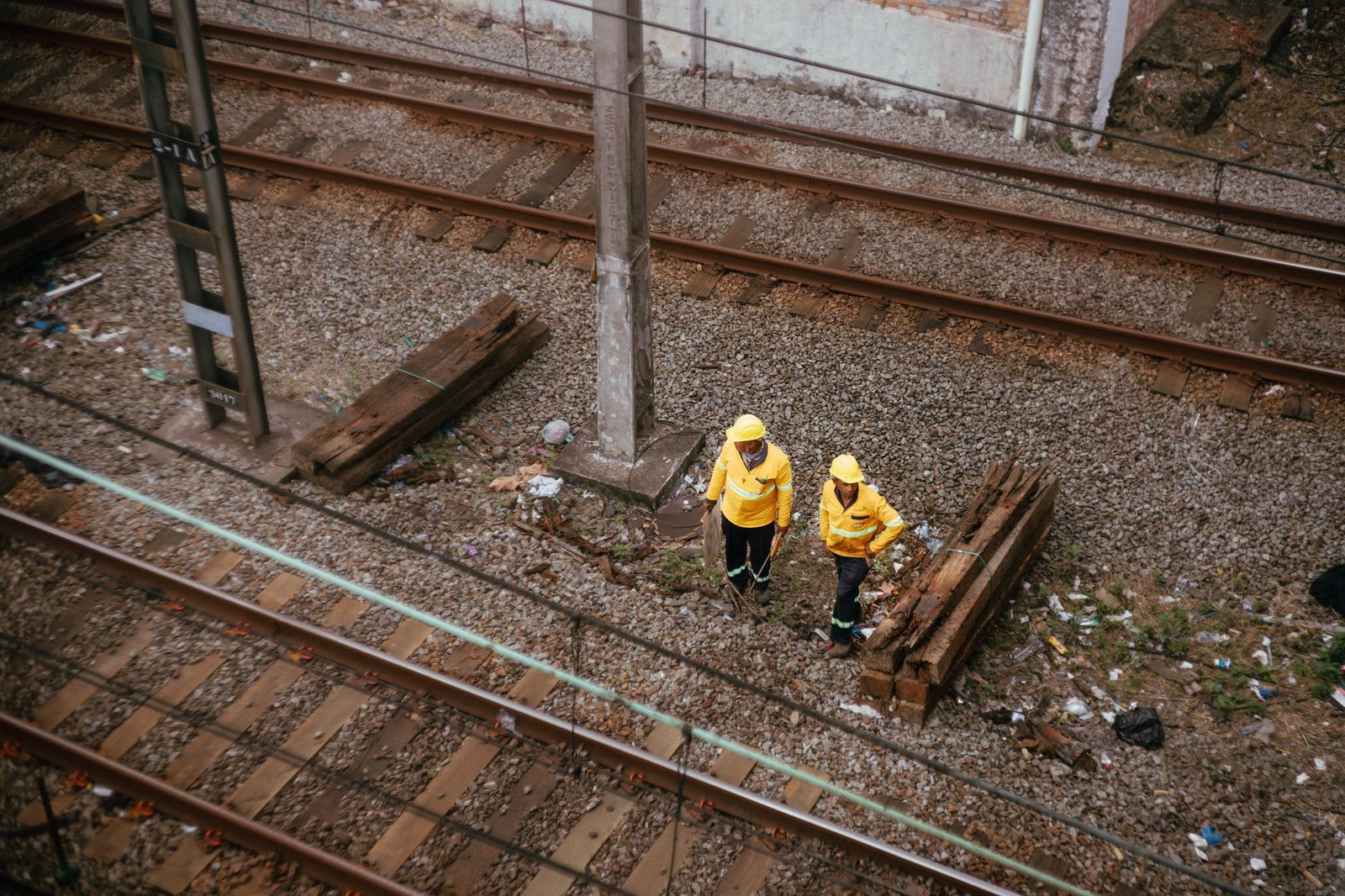
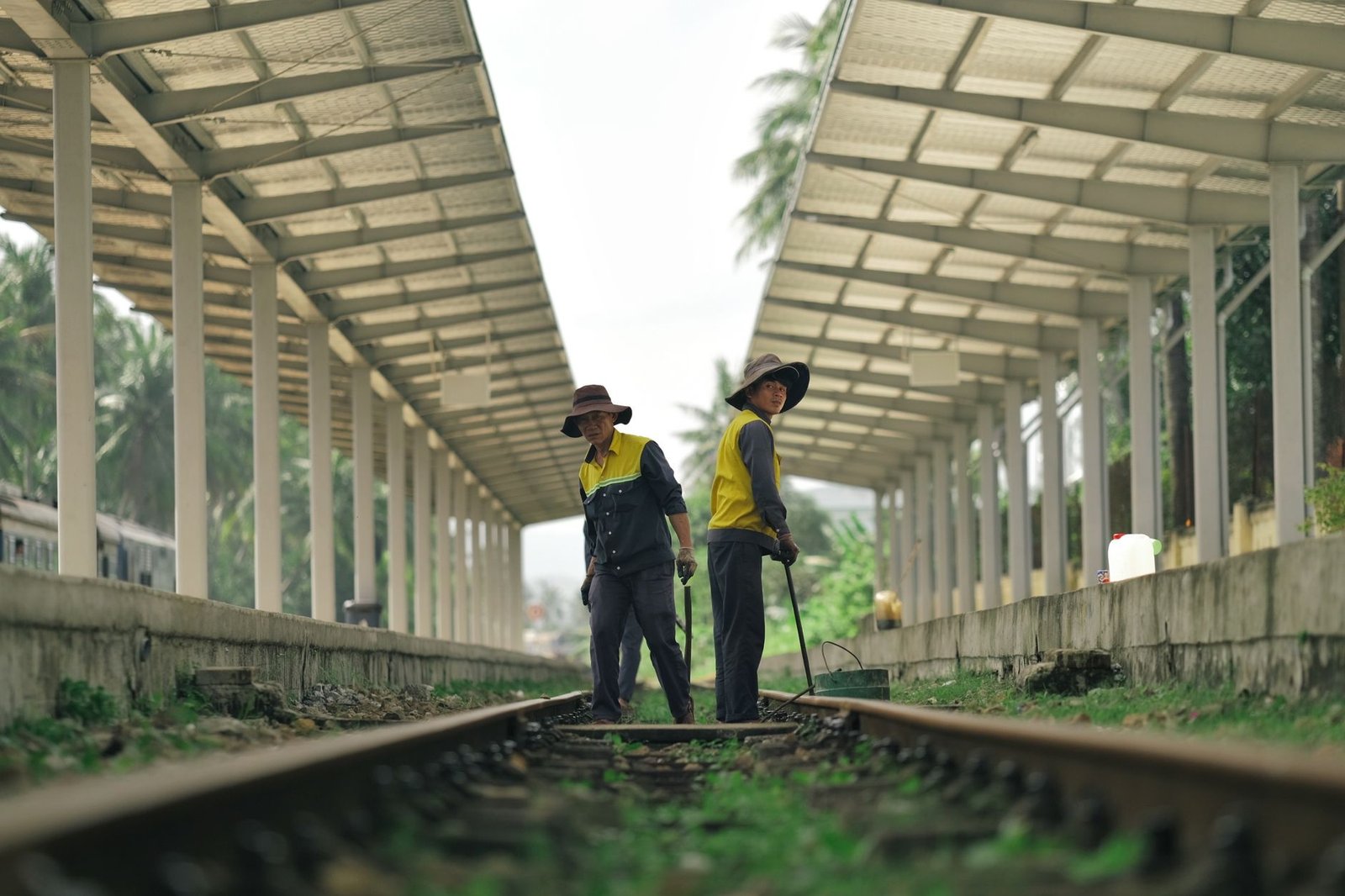
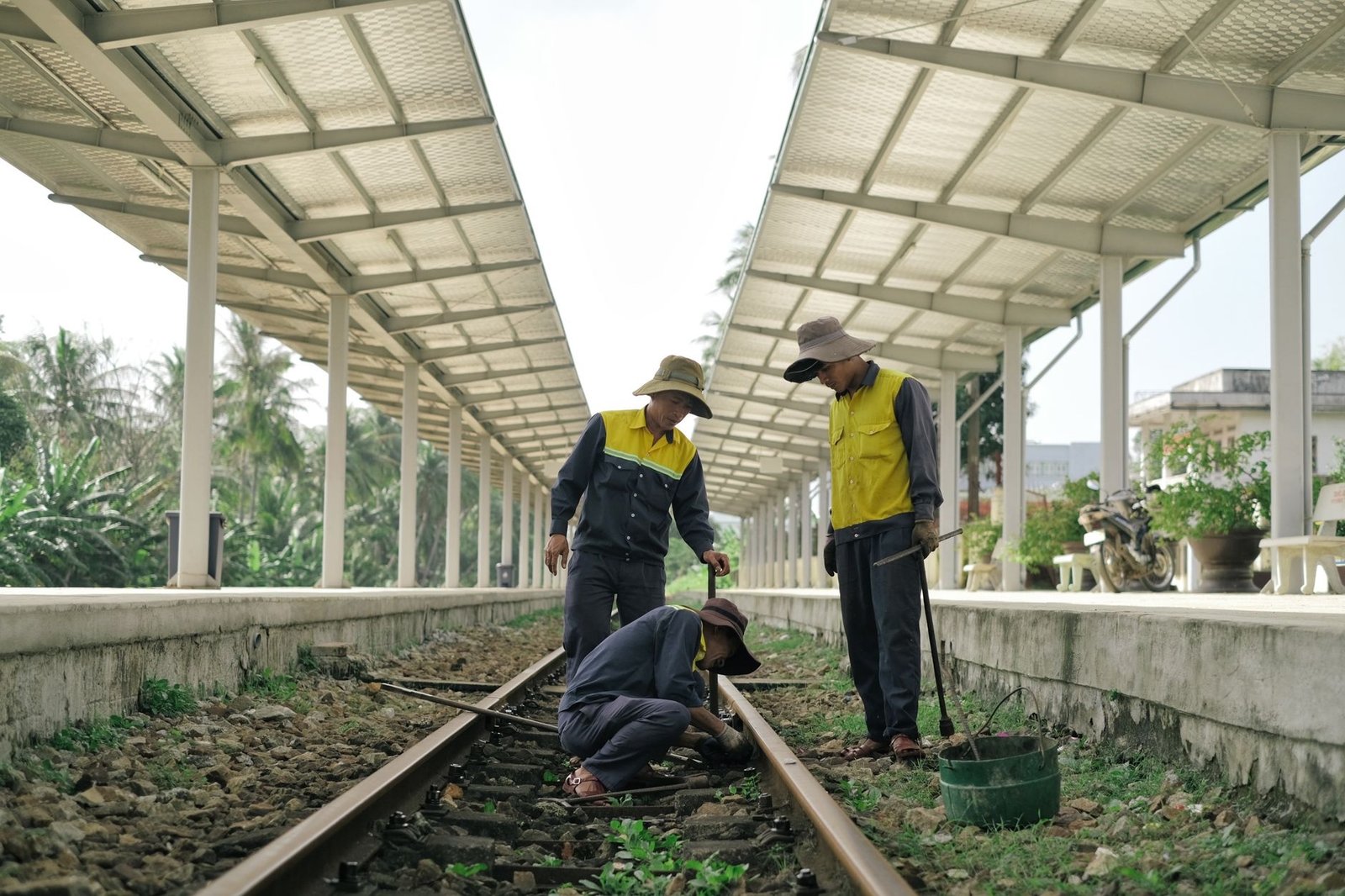
Historic track safety inspections depended heavily on specialized, dedicated geometry cars operated periodically by railroad maintenance departments, or on foot patrols conducted by visual track inspectors riding hi-rail pickup trucks at slow speeds. Because hi-rail trucks occupied active track blocks, they disrupted scheduled freight train operations and could only inspect individual mainline corridors every few weeks, often failing to detect rapidly propagating track geometry defects caused by severe freeze-thaw cycles or excessive heavy-haul axle loadings.
Autonomous Track Geometry Measurement Systems (ATGMS) mount ruggedized, hermetically sealed sensor pods directly beneath the undercarriages of standard revenue locomotives traveling at normal operational speeds up to 60 miles per hour. High-speed laser triangulation profilometers project calibrated structured laser lines across both rail heads, capturing cross-sectional profile scans 5,000 times per second.
Coupled with differential inertial measurement units (IMUs) and optical wheel tachometers, the sensor array continuously measures track gauge, crosslevel, alignment, surface profile, and rail cant with sub-millimeter precision. Because measurements are taken under the full 415,000-pound dynamic load of an active locomotive, the system measures true loaded track deflection, revealing sub-ballast voids and weak cross-ties that appear perfectly aligned during unloaded visual inspections.
Comparative Metrics and Fiscal Impact Analysis
The following quantitative dataset summarizes verified public records, capital expenditure benchmarks, and oversight agency audit dockets across regional jurisdictions:
| Railroad Carrier | Equipped Locomotives | Inspection Frequency | Defect Detection Accuracy | Track Derailment Reduction |
|---|---|---|---|---|
| BNSF Northern Corridor | 45 Revenue Locomotives | Every 48 Hours Mainline | Sub-Millimeter Optical Resolution | -42% Track-Caused Incidents |
| Union Pacific Western Trunk | 52 In-Service Locomotives | Continuous 60 MPH Profiling | 99.8% Internal Flaw Detection | -38% Derailment Risk |
| Norfolk Southern Eastern Line | 38 Freight Consists | Every 72 Hours Key Routes | Continuous Ultrasonic Pulse | -45% Rail Break Rate |
| CSX Transportation Coastal | 30 Revenue Locomotives | Twice Weekly Corridor Audit | Real-Time AI Crack Tracking | -35% Slow Order Duration |
Electro-Magnetic Acoustic Transducers and Internal Rail Flaw Detection
The most catastrophic cause of freight train derailments is internal rail fatigue, such as transverse fissures and detail fractures that initiate deep within the steel rail head from rolling contact fatigue and propagate invisibly beneath the surface until sudden, brittle failure occurs under train loading. Autonomous inspection cars carry non-contact Electro-Magnetic Acoustic Transducers (EMAT) and phased-array ultrasonic wheel probes.
These ultrasonic sensors transmit high-frequency acoustic sound waves directly through the running surface of the rail, analyzing echo reflection signatures returned from internal structural anomalies. Deep learning machine learning models running on ruggedized edge servers inside the locomotive cab filter out normal surface wheel-burn chatter, isolating the precise acoustic signatures of propagating internal transverse defects.
When an internal fracture exceeding FRA critical size thresholds is detected, the system immediately records exact GPS coordinates, flags the defect severity category, and transmits an encrypted emergency alert packet via cellular and satellite locomotive telemetry directly to regional track maintenance dispatchers.
Predictive Maintenance Algorithms and Maintenance Crew Dispatch
Deploying continuous autonomous inspections across thousands of locomotives generates terabytes of track condition data daily. Railroad engineering headquarters utilize predictive analytics platforms that track defect degradation rates over time, transforming maintenance operations from reactive repairs into proactive, scheduled remediations.
Instead of imposing emergency 10-mile-per-hour ‘slow orders’ that cause cascading freight transit delays across regional supply chains, maintenance dispatchers can schedule precision rail grinding trains or mobile tie-replacement gangs days in advance of critical failure thresholds. Railroad safety data submitted to federal regulators demonstrates that continuous autonomous inspection has reduced track-caused broken rail derailments by over 40 percent across equipped mainlines.
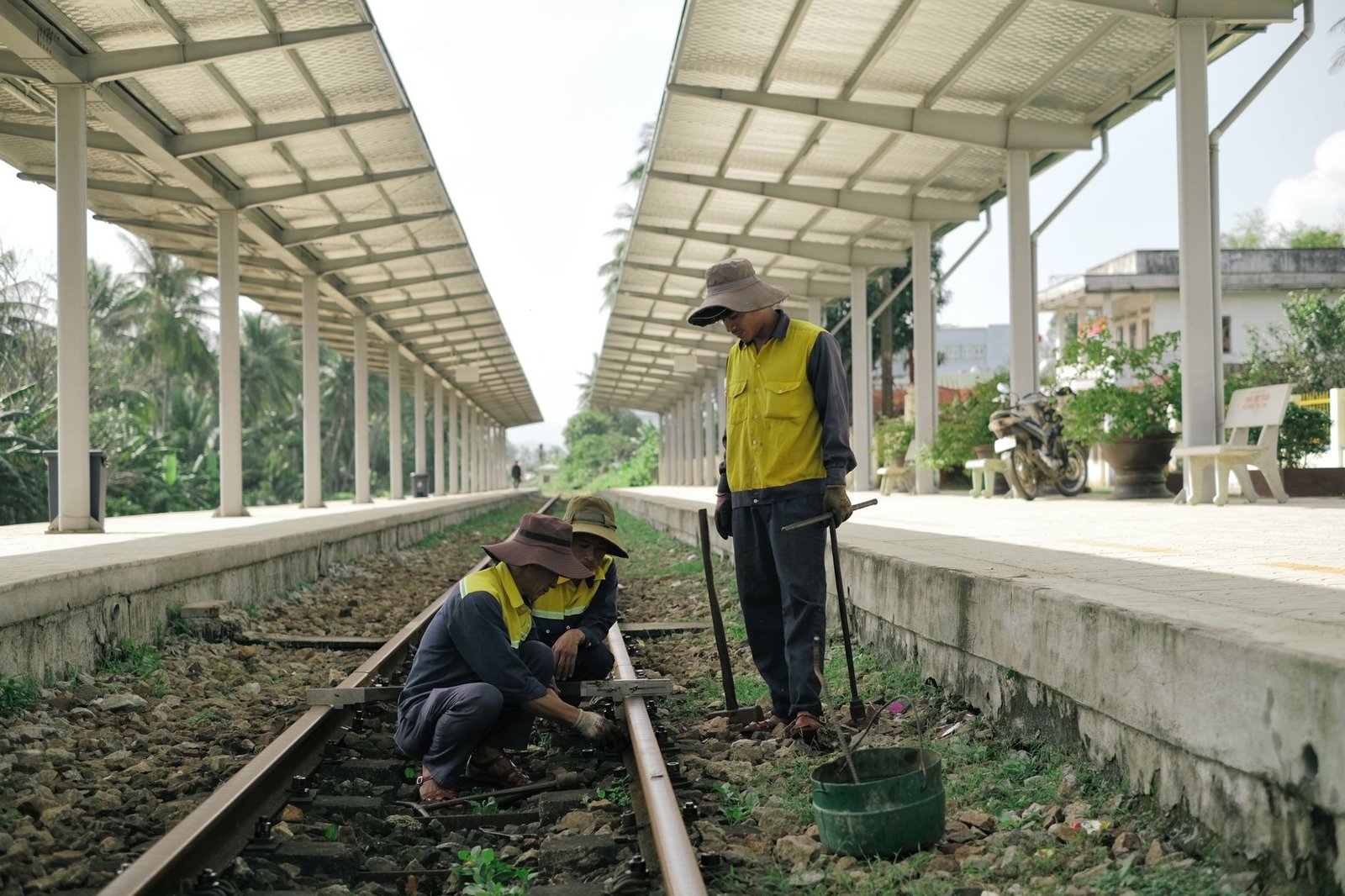
Rail labor unions and federal inspectors conduct joint audits of automated defect verification logs, ensuring that algorithmic defect alerts result in prompt physical field remediation by certified railroad track maintenance personnel.
Official Public Records and Statutory Citations
The documentary evidence and administrative filings referenced in this investigation are indexed under the following public record dockets:
- Federal Railroad Administration, 49 CFR Part 213 (Track Safety Standards).
- United States Code, Title 49, Section 20103 (Railroad Safety Regulations).
- Federal Railroad Administration, Research Results Report RR-22-04, Autonomous Track Geometry Measurement System Verification.
- Surface Transportation Board, Docket No. EP 724 (United States Rail Service Issues).
Independent Oversight Outlook
The deployment of autonomous laser profilometry and machine vision across Class I freight locomotives represents a historic transformation in rail safety engineering. As continuous inspection becomes the standard operating procedure nationwide through 2026 and 2027, catastrophic broken-rail derailments will be systematically engineered out of the American rail network.
Spotted an error? Read our corrections policy and let us know.

Keep reading
NIST Finalizes 2026 Post-Quantum Cryptographic Standards for Interstate Energy and Financial Telemetry Networks
Pennsylvania Public Utility Commission Enacts 2026 Grid Reliability Mandates for High-Voltage Transmission
Advanced Air Mobility Regional Vertiport Megawatt Grid Interconnection Protocols Certified